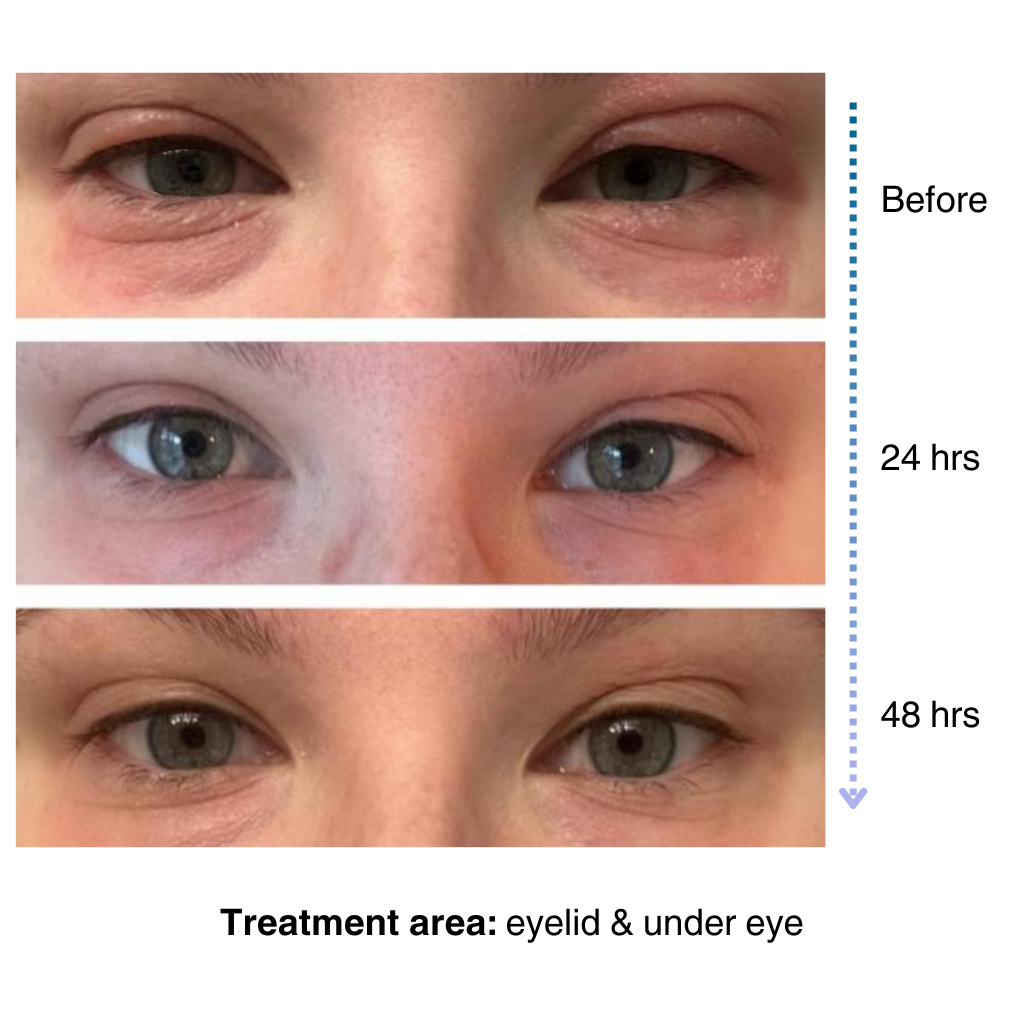
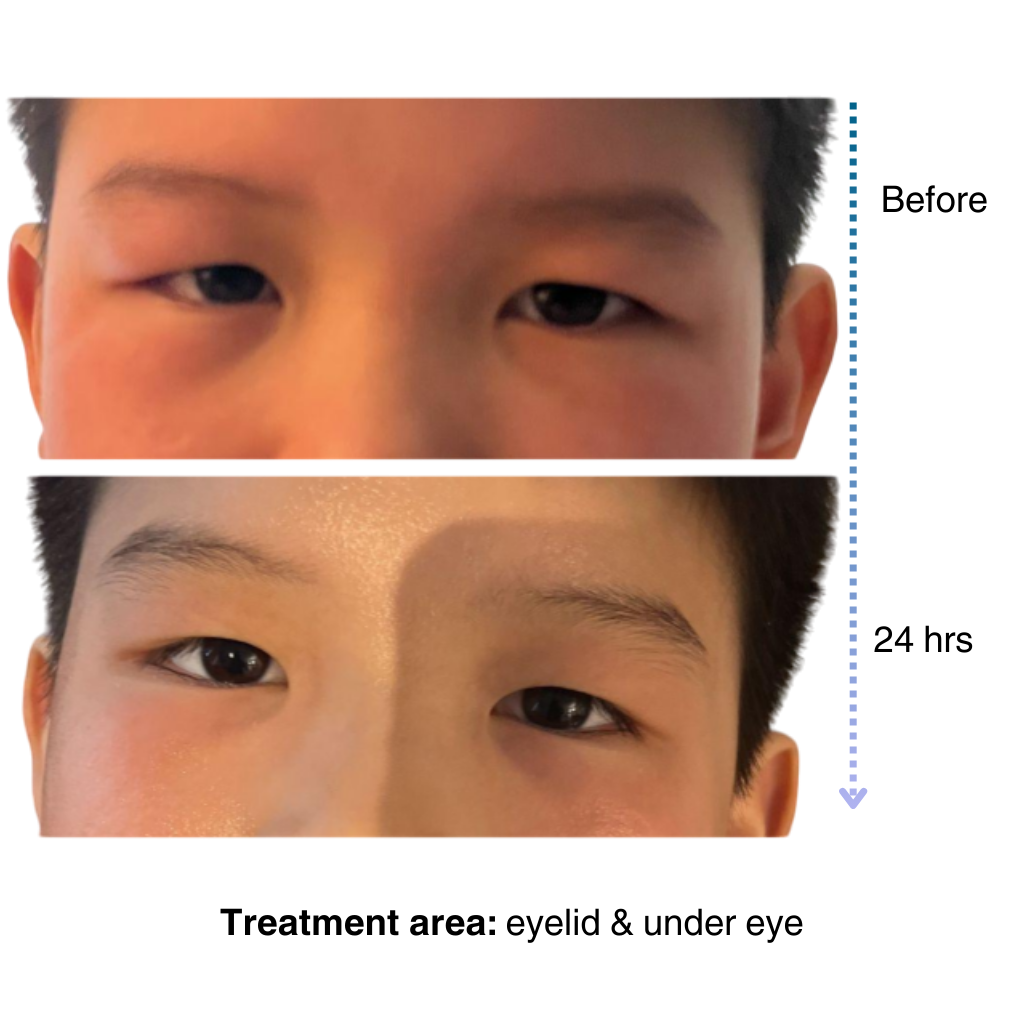
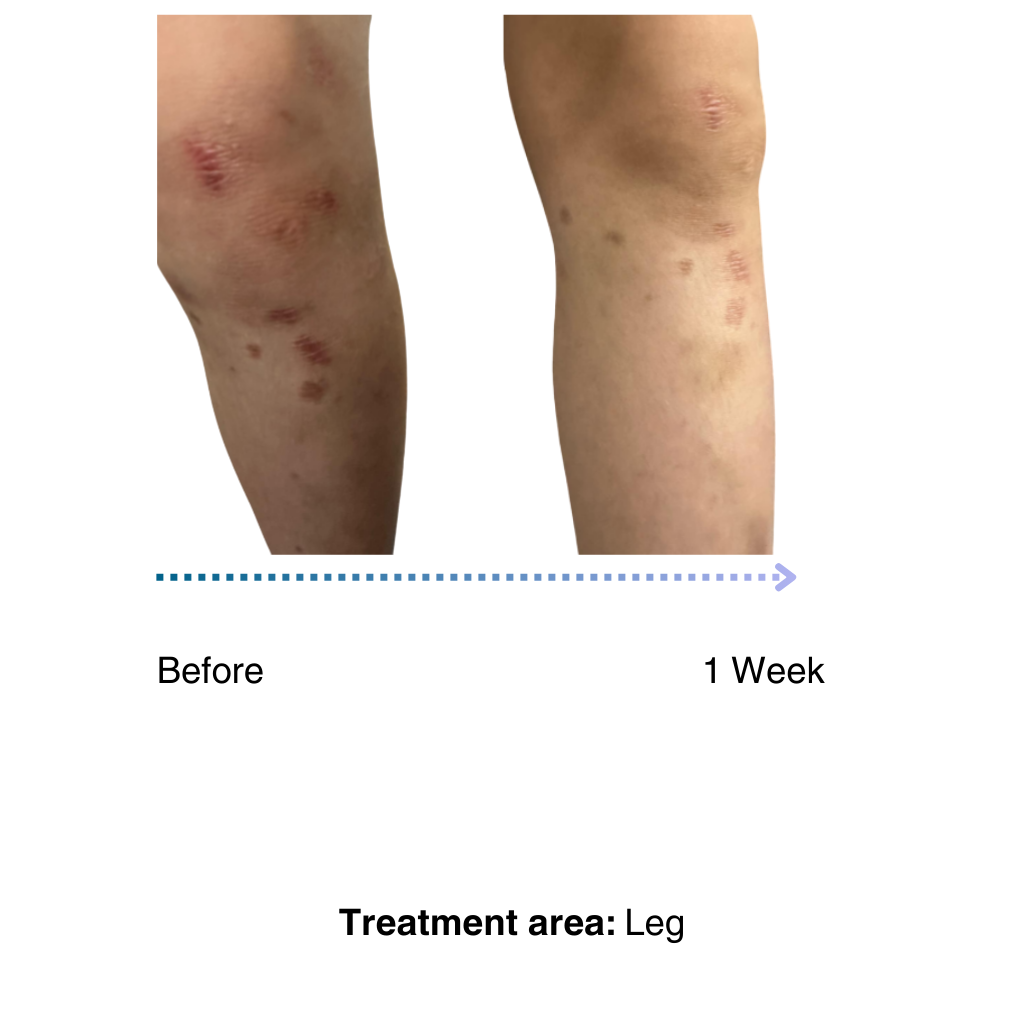
Eczema concerns?
FREE
Get instant expert guidance with our smart AI platform.
Join NowEczema, or atopic dermatitis, is a condition causing dry, itchy, and inflamed skin. Recent research shows that the skin microbiome—the collection of microorganisms on our skin—plays a key, causative role in eczema flare-ups. A healthy, diverse microbiome helps protect the skin, but when disrupted, harmful bacteria like Staphylococcus aureus can colonize the skin, trigger inflammation, and worsen eczema symptoms.
Maintaining a healthy skin microbiome may be a novel, effective therapeutic target for controlling eczema. Treatments like prebiotics, probiotics for eczema, or postbiotics (metabolic byproducts of beneficial bacteria) can help restore balance, offering a new way to manage this chronic condition effectively.
The skin microbiome consists of bacteria, fungi, and viruses that live on the skin surface and help maintain its health. This complex ecosystem supports the skin’s barrier function, protecting against harmful pathogens, regulating pH, and modulating the local immune system.
Dysbiosis is the term for the imbalance observed in eczema skin:
S. aureus colonization is found on over 70% of eczema patients (compared to approximately 5% of healthy individuals). This bacterium disrupts the skin barrier further by producing virulence factors and toxins that promote inflammation, amplify the immune response, and are directly correlated with increased disease severity.
The interplay between genetics and microbes creates a self-perpetuating cycle in eczema:
Maintaining a balanced microbiome, through proper skincare or biotics, can help manage eczema by reducing inflammation and supporting skin health. Studies on new systemic treatments like Dupilumab show that clinical improvement is strongly associated with a shift back towards a more diverse microbiome and a decrease in S. aureus dominance.
The goal of microbiome-focused eczema management is to reintroduce or nourish the beneficial bacteria that naturally keep S. aureus in check.
Regular moisturizing with products that contain these biotics can strengthen the skin’s barrier and reduce flare ups. It’s important to avoid harsh soaps and chemicals that can disrupt the microbiome and weaken the skin’s defenses.
Probiotics have gained significant attention for their ability to restore balance to the skin microbiome. These beneficial bacteria can reduce inflammation and prevent the overgrowth of harmful microorganisms like S. aureus.
Clinical Evidence: Topical probiotic creams and oral supplements have demonstrated mixed but promising results, particularly in children and patients with moderate-to-severe disease when used as an adjunct to standard therapy. The specific strain, dosage, and patient age influence efficacy. By promoting a healthy skin environment, probiotics strengthen the skin barrier and minimize irritation, reducing the frequency and severity of eczema symptoms.
In addition to probiotic treatments, certain natural methods and routine adjustments can help maintain a balanced skin microbiome and manage eczema.
A healthy, diverse skin microbiome is crucial for long term management of eczema. By understanding how S. aureus dominance and microbial imbalances lead to flare ups, individuals with eczema can take targeted steps to restore balance and protect their skin. Incorporating postbiotics, natural emollients, and fragrance-free, microbiome-friendly skincare products into daily routines can greatly reduce symptoms and improve overall skin health.
Proper care and attention to the microbiome can help make living with eczema more manageable, reducing flare ups and irritation in the long term.
Managing eczema requires a tailored skincare routine that takes into account the needs of the skin microbiome. Each person’s microbiome is unique, so it’s important to find products that are gentle and supportive of your specific skin type. For example, fragrance-free moisturizers and cleansers with prebiotics or postbiotics can help promote a healthy skin environment.
Being mindful of triggers such as allergens, irritants, and even stress is crucial in maintaining a balanced microbiome. A personalized approach ensures that the skin barrier is supported, and eczema symptoms are kept under control.
In the end, eczema is a complex condition, but by focusing on the health of the skin microbiome, it’s possible to reduce flare ups and improve skin health. A combination of microbiome-supportive strategies, natural remedies, and a well rounded skincare routine can make a significant difference.
By understanding how the microbiome interacts with the skin and how imbalances can trigger eczema, individuals can take more effective steps to manage their condition, protect their skin, and enjoy a better quality of life.