Eczema concerns?
FREE
Get instant expert guidance with our smart AI platform.
Join NowEczema, or atopic dermatitis, is a chronic skin condition characterized by itchy, inflamed skin. While medical treatments are essential for managing severe cases, many people seek natural remedies to alleviate symptoms and improve skin health. This article explores effective natural treatments for eczema, emphasizing their benefits and application methods, while also providing important safety warnings.
Eczema affects millions of people worldwide, causing discomfort and impacting the quality of life. Symptoms include dry, itchy skin, red to brownish gray patches, and small, raised bumps that may leak fluid when scratched. The condition is fundamentally driven by a weakened skin barrier and an overactive immune response. The skin’s barrier deficiency makes it highly susceptible to irritation from external factors.
The condition can be triggered by various factors, including environmental allergens, stress, and, in some cases, dietary choices.
These remedies are generally dermatologist-recommended and focus on moisturizing and anti-itch properties.
Benefits: Coconut oil (virgin) has proven anti-inflammatory and antibacterial properties, making it an excellent moisturizer for eczema prone skin. It is particularly effective against Staphylococcus aureus colonization, a common issue in eczema lesions.
How to Use: Apply virgin coconut oil directly to the affected areas after bathing (using the “soak and seal” method) and before bedtime to lock in moisture.
Benefits: Colloidal oatmeal is FDA approved as a skin protectant. It has anti-inflammatory and antioxidant properties (due to avenanthramides), which rapidly help soothe itchy and irritated skin by binding to the skin.
How to Use: Add colloidal oatmeal (finely ground oats) to lukewarm bath water and soak for 10-15 minutes. Alternatively, apply an oatmeal based lotion to the skin.
Benefits: Shea butter is a rich emollient that helps to soothe and hydrate dry, eczema affected skin. It contains high concentrations of fatty acids and vitamins that are excellent for moisturizing.
How to Use: Apply raw, unrefined shea butter directly to the skin, focusing on the dry and itchy areas, to create a protective, occlusive layer.
Benefits: Jojoba oil closely mimics the skin’s natural sebum and provides deep hydration without feeling overly greasy. It’s often well tolerated even by highly sensitive skin.
How to Use: Apply jojoba oil directly to the skin or mix it with your regular fragrance free moisturizer.
The following popular home remedies carry a higher risk of causing irritant or allergic reactions on compromised eczema skin. They should be used sparingly, if at all, and only after consulting a dermatologist and performing a thorough patch test. Avoid applying these to broken, weeping, or infected skin.
Benefits: Aloe vera is known for its soothing and cooling properties.
Caution: Commercially bottled gels often contain alcohol, fragrance, or preservatives (like methylisothiazolinone) which are potent eczema triggers.
How to Use (Safely): Use pure aloe vera gel directly from the plant or purchase 100% organic, preservative free gel. Apply a thin layer to cool the skin.
Benefits: Honey has antibacterial and anti-inflammatory properties that can promote healing and prevent infections. Manuka honey is specifically studied for its high antimicrobial activity.
Caution: Highly viscous and can be messy. Use only raw, medical grade honey on the skin. Avoid in infants due to botulism risk.
How to Use: Apply raw, organic honey directly to small, isolated eczema patches, cover with a bandage, and leave it on for 20-30 minutes before rinsing off.
Benefits: Chamomile has anti-inflammatory and calming effects that can alleviate itching and irritation.
Caution: Chamomile, particularly the Roman variety, is part of the Asteraceae family and can cause allergic contact dermatitis in sensitive individuals.
How to Use: Brew chamomile tea, allow it to cool completely, and apply it to the skin with a soft cloth or cotton ball. Discontinue immediately if irritation increases.
These ingredients are too acidic, irritating, or allergenic for compromised eczema skin and can cause chemical burns or severe contact dermatitis.
Benefit Claim: Can help restore the skin’s natural acidity.
Dermatology Warning: The low pH of ACV is highly irritating and can burn or severely sting open, inflamed, or cracked eczema lesions, leading to a worsening flare. Avoid using this on your skin.
How to Use (Recommended Alternative): Use a doctor prescribed dilute bleach bath if a bacterial-reducing soak is needed.
Benefit Claim: Has anti-inflammatory and antiseptic properties.
Dermatology Warning: Tea tree oil is a known strong sensitizer and allergen. Undiluted application can cause severe allergic contact dermatitis and chemical burns.
How to Use: If you must use it, dilute it heavily (no more than 1-2 drops per ounce of carrier oil) and always perform a patch test on a small area of unaffected skin first.
Benefit Claim: Contains curcumin, known for its anti-inflammatory properties.
Dermatology Warning: Turmeric paste can be highly staining to skin and clothing and can sometimes cause allergic or irritant reactions on broken skin.
How to Use: Stick to oral turmeric supplements for systemic anti-inflammatory benefits, after consulting your doctor. Avoid topical application on eczema.
Natural management extends beyond topicals to controlling systemic factors like hydration, diet, and stress.
Action: Drink plenty of water (8-10 glasses per day) to keep your body and skin hydrated from the inside out. This supports the overall function of the skin barrier.
Action: Incorporate anti-inflammatory foods like fatty fish (rich in Omega 3s), leafy greens, and fruits rich in antioxidants.
Caution: While general dietary changes are helpful, wholesale elimination of common foods (dairy, eggs, nuts) should only be done if a specific allergy has been confirmed by a medical professional (allergist) as an eczema trigger. Undue restriction can lead to nutritional deficiencies.
Action: Practice stress reducing activities like yoga, meditation, and deep breathing exercises to prevent stress induced flare ups. Stress causes the body to release cortisol, which is pro-inflammatory.
Natural remedies are a valuable part of the toolkit for eczema sufferers, primarily by supporting the skin’s need for gentle moisturizing and anti-itch relief. Prioritize bland, proven emollients like coconut oil and colloidal oatmeal. Be highly skeptical of acidic, drying, or strongly scented natural ingredients.
However, it’s essential to consult with a dermatologist or healthcare professional before trying new treatments, especially for severe or infected cases. By combining safe natural remedies with a healthy lifestyle and medical guidance, you can manage eczema symptoms more effectively and improve your skin’s health.
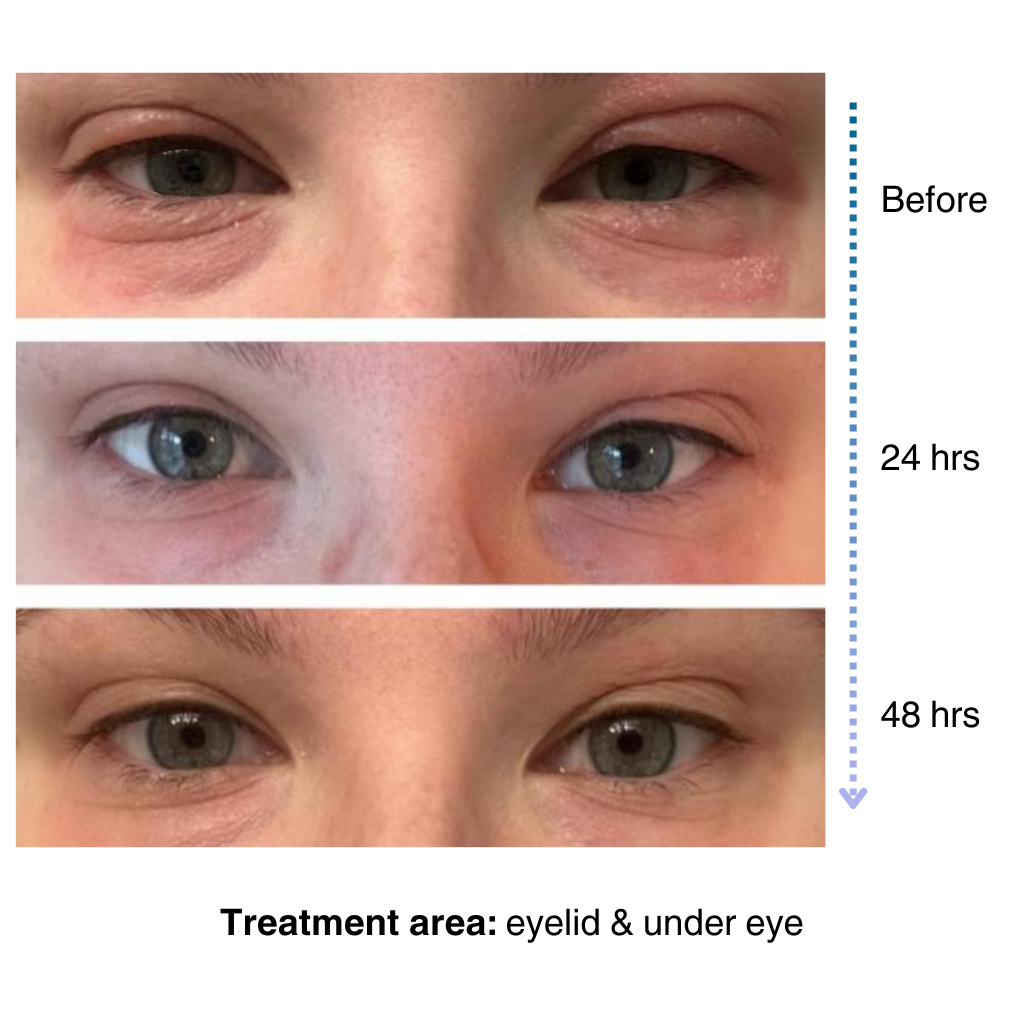
It’s easy to apply and isn’t chalky at all. I’ve been applying it multiple times a day… I’ve tried multiple new products to try and treat my eye eczema, and this is definitely the best I’ve tried so far.
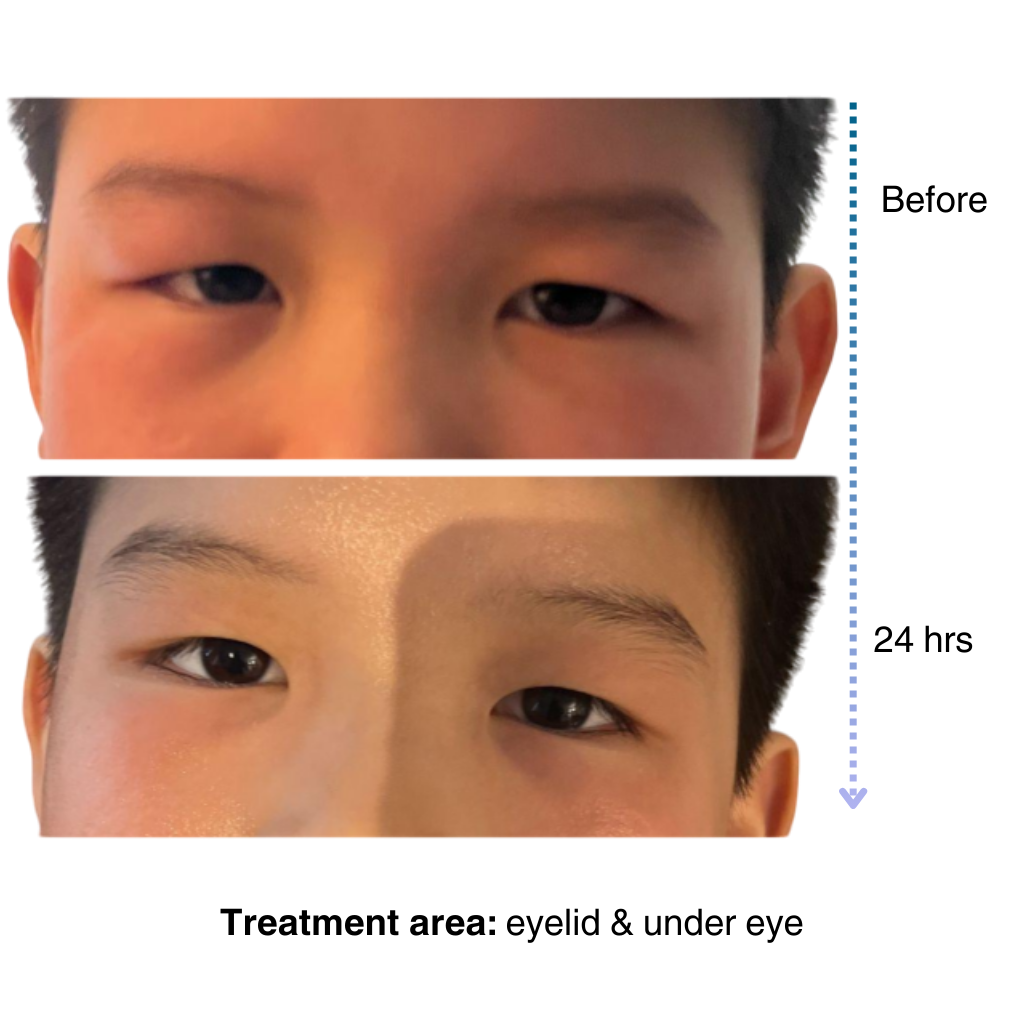
My 7-year old son has been dealing with eczema on his face for a long time, and it’s been so tough to find something that really works…..I’m amazed by the results! Within one day, the redness and rough patches on his face significantly improved…. he doesn’t mind using it at all because it doesn’t sting or feel greasy. – Lily

Like many of you, our eczema journey is personal. That’s why we’re committed to creating a space for the eczema community to share experiences, be empowered through evidence-based solutions, and learn practical tips for daily life.
– Sajjad, Founder & CEO of NellaDerm

We noticed you're visiting from United States (US). We've updated our prices to United States (US) dollar for your shopping convenience. Use Canadian dollar instead. Dismiss