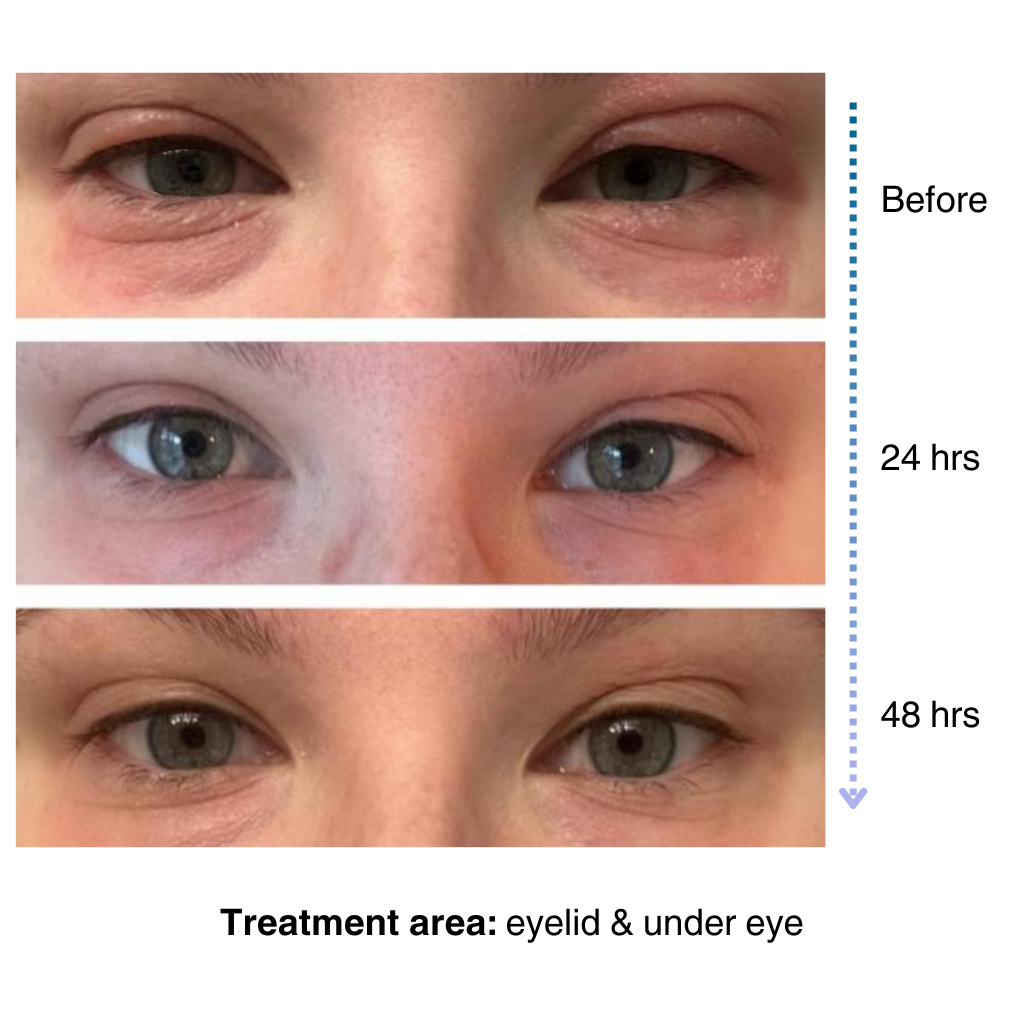
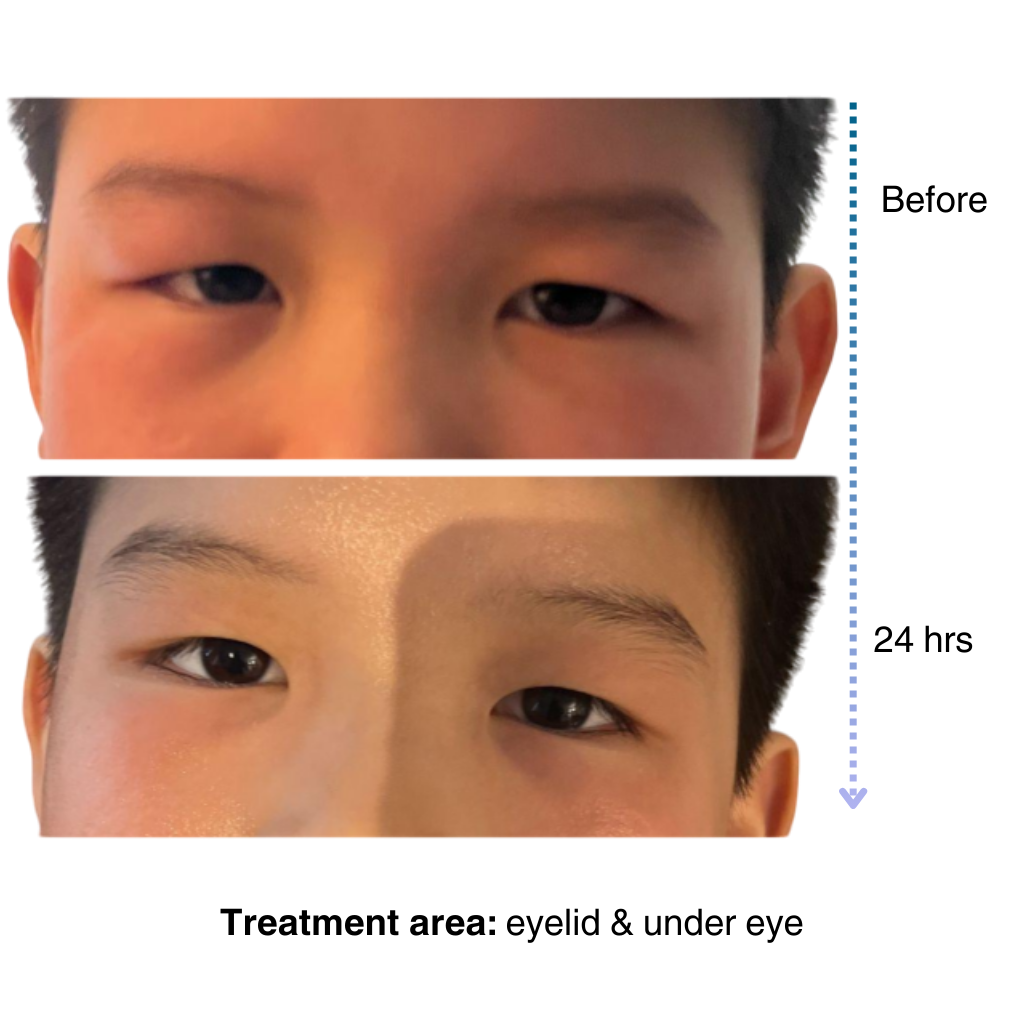
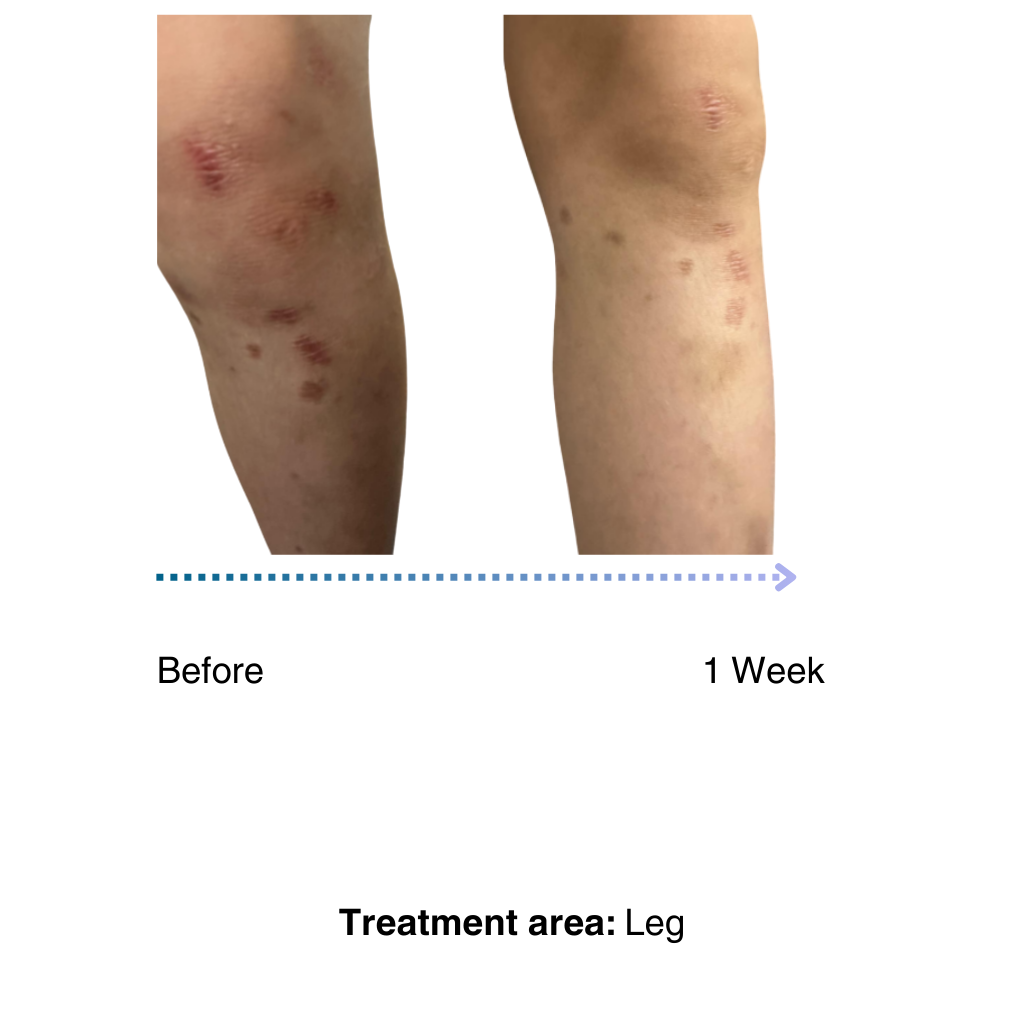
Eczema concerns?
FREE
Get instant expert guidance with our smart AI platform.
Join NowWinter can be particularly challenging for those with eczema. The combination of cold, biting air outside and dry, intense indoor heating creates a perfect storm for stripping moisture from your skin, inevitably leading to uncomfortable, painful flare ups. However, with the right knowledge and a proactive approach, you absolutely can manage eczema symptoms and keep your skin comfortable and resilient throughout the colder months. Think of winter skincare not as a chore, but as an essential defense against the elements. This guide offers a complete set of strategies for conquering eczema in winter, turning a tough season into one of manageable comfort.
The cornerstone of eczema management in winter is relentlessly maintaining your skin’s hydration. Dry air literally pulls moisture out of your skin, which is already compromised with eczema. You need to create an effective barrier that locks moisture in and keeps irritants out. This requires a strategic approach to the products you use and how you apply them.
Go Thicker: Now is the time to ditch light lotions. Switch to a thick, fragrance free cream or, even better, a heavy ointment or petroleum jelly that physically locks in moisture. Ointments have a higher oil content and are far more effective at preventing water loss. Look for the terms “ointment” or “balm” on the label.
Key Ingredients: Prioritize ingredients that are known to repair the skin barrier. Look for ceramides, which are fats that form the structure of your skin barrier, glycerin, a powerful humectant that draws water into the skin, or occlusives like shea butter and petroleum jelly.
Apply your moisturizer immediately after showering or washing your hands—within three minutes is the golden rule—to seal in water while your skin is still damp. You’re not just moisturizing; you’re trapping the water already on your skin.
You must apply moisturizer at least twice a day, even on days when your skin feels fine. For severely affected areas, carry a travel size ointment and reapply liberally throughout the day, especially after washing your hands. This is a nonnegotiable step for winter skin survival.
While you can’t control the weather outside, you have significant power over the air inside your home, which is where you spend most of your winter time. Indoor heating is one of the most significant, yet often overlooked, triggers for eczema flare ups.
Indoor heating, whether forced air or radiator based, can dramatically dry out the air in your home, which worsens eczema symptoms. Using a humidifier can help maintain optimal humidity levels, ensuring the air isn’t constantly pulling moisture from your skin.
Optimal Level: Aim for a humidity level of 40–50% to create a skin friendly environment. Levels above 60% can actually promote the growth of mold and dust mites, which are themselves major eczema triggers, so monitor the level closely.
Placement: Place a humidifier in your bedroom, as you spend the longest continuous block of time there. Consider a second unit for the main living area of your home.
Maintenance: Clean your humidifier regularly according to the manufacturer’s instructions. Stagnant water can become a breeding ground for mold and bacteria, which can be aerosolized and breathed in, potentially worsening both eczema and other allergy symptoms.
It’s tempting to crank up the thermostat, but keeping your home too hot leads to increased air dryness and can cause you to overheat and sweat, which is a powerful eczema trigger.
Find the Balance: Keep your home temperature at a comfortably cool level. When you feel chilled, add a layer of clothing rather than raising the thermostat.
Avoid Direct Heat: Do not sit directly next to radiators, space heaters, or fireplaces. The intense, direct heat is incredibly drying and can cause immediate, localized flare ups on exposed skin.
While bathing is essential for hygiene, improper technique can undermine your moisturizing efforts and strip your skin of its protective oils.
While a hot, steamy shower may feel comforting in the cold weather, it is a significant contributor to eczema flare ups because hot water strips your skin of its natural oils (sebum), leaving your skin vulnerable and parched.
Lukewarm is Key: Opt for lukewarm water instead of hot. The water should be comfortable, not scalding.
Time it Short: Limit your shower or bath time to 5–10 minutes. Any longer and you risk further drying out your skin barrier.
Gentle Cleansers: Use a gentle, fragrance free cleanser that is specifically formulated for sensitive skin. Look for a soap free, non foaming wash. Traditional bar soaps and harsh body washes often contain detergents that destroy the skin’s lipid barrier.
Oatmeal Baths: Consider adding colloidal oatmeal to a warm bath for a soothing, anti inflammatory soak. This can help calm itchiness and add a protective layer to the skin.
As mentioned, what you do immediately after the bath or shower is just as important as the bath itself.
Pat, Don’t Rub: Gently pat your skin with a soft cotton towel until it is slightly damp, not fully dry. Rubbing creates friction and further irritation.
Seal the Moisture: Apply your prescribed topical medication, if any, and then slather on your thick, occlusive moisturizer within three minutes of getting out of the water to effectively trap the hydration.
Your clothing choices in winter play a huge role in protecting your skin from the cold while preventing irritation from friction and overheating.
Soft Base Layer: Choose soft, breathable fabrics like 100% cotton for the layer that is directly against your skin. Cotton minimizes friction and allows your skin to breathe, reducing the risk of overheating and sweating.
Avoid Irritants: Avoid wool or synthetic materials like nylon or polyester for your base layer. Wool fibers can be scratchy and cause an immediate irritation that starts the itch scratch cycle, while synthetics can trap heat and sweat.
Layer Up: Layer your clothing to stay warm without overheating. This allows you to easily remove a layer if you move indoors or become active, preventing the damaging effects of sweat and dampness on your skin.
Shield Exposed Skin: Exposure to cold wind and air can dry out and irritate your skin rapidly. When heading outside, wear soft, cotton lined gloves and scarves to shield sensitive areas like your hands, wrists, neck, and face.
Barrier Creams: Use a thick, protective barrier ointment or cream on exposed skin areas, such as your cheeks or the backs of your hands, before you go outside. This adds an extra layer of defense against the drying, harsh elements.
Managing eczema is not just about topical care; it is a holistic endeavor. Internal factors like diet, stress, and overall health significantly influence your skin’s resilience, especially in the challenging winter months.
Drinking enough water is essential for maintaining healthy skin, but people often forget this in winter because they do not feel as thirsty as they do in summer. Staying consistently hydrated helps keep your skin barrier strong and resilient against dryness from the inside out. Keep a water bottle handy and sip throughout the day.
A healthy diet rich in anti inflammatory components can support your skin during winter.
Beneficial Fats: Include foods rich in omega 3 fatty acids, such as salmon, walnuts, and flaxseeds, which may help reduce systemic inflammation that contributes to eczema.
Antioxidants: Consume plenty of antioxidant rich foods, like colorful fruits and vegetables (spinach, berries, citrus fruits), to support overall skin health and repair.
Identify Triggers: While food is not the cause of eczema, certain foods can be triggers for some people. If you suspect a food is causing flare ups, keep a diary, but always consult with a doctor or registered dietitian before making major dietary changes.
Winter stress, whether from the holidays, a heavy workload, or less daylight, is a well known trigger for eczema flare ups. The body’s stress response releases hormones that can increase inflammation and make your skin more reactive.
Incorporate Stress Relievers: Incorporate stress relieving activities into your daily routine. This could include a few minutes of meditation or deep breathing, gentle yoga or exercise, or simply making time for a relaxing hobby. Prioritize adequate, restorative sleep, as lack of sleep also exacerbates stress and inflammation.
Consistent medical care and vigilance are crucial when navigating the winter with eczema. Do not hesitate to seek help if your standard routine is failing to keep symptoms under control.
If your eczema is moderate to severe, continue using prescribed medications such as topical steroids, calcineurin inhibitors, or newer biologics as directed by your dermatologist. Winter’s exacerbating conditions mean it’s important to stay absolutely consistent with your treatment plan, adjusting it only under the guidance of your doctor. Do not wait for a full blown flare up to start using your maintenance medications.
Winter may tempt you to try new, thicker skincare products, but it is crucial to patch test them first. Your eczema prone skin is hyper sensitive, and an ingredient in a new product could easily be a new trigger.
How to Test: Apply a small amount of the new product on a discreet patch of skin, like a small area on your forearm or behind your ear.
Monitor: Monitor the area for at least 24 to 48 hours for any signs of redness, itching, or irritation before using the product on larger, more sensitive areas of your body.
By being mindful of your environment, meticulous with your moisturizing routine, and consistent with your overall health habits, you can significantly reduce the impact of winter on your eczema and keep your skin healthy and comfortable throughout the season. Vigilance and consistency are the true secrets to a calm, comfortable winter for eczema sufferers.