
Eczema concerns?
FREE
Get instant expert guidance with our smart AI platform.
Join NowEczema triggers are external or internal factors that can cause your skin to flare up, itch, and become inflamed. While common triggers like fragrances and certain foods are well known, many people continue to suffer because they overlook less obvious causes. Understanding these hidden triggers can be the key to managing your eczema more effectively—and preventing painful outbreaks.
You might not associate your emotional state with your skin, but stress is one of the most overlooked eczema triggers. Chronic psychological stress elevates cortisol, which directly weakens the skin barrier and suppresses immune regulation, leading to inflammation throughout the body and making you more susceptible to flare-ups.
Pro tip: Incorporate stress-reducing techniques like mindfulness or gentle yoga into your routine to actively lower cortisol levels.
Hormonal changes during puberty, pregnancy, or menopause can cause eczema to appear or worsen. The fluctuation of estrogen and progesterone affects the skin’s oil production and hydration capacity, leaving the barrier more vulnerable to water loss and external irritants.
If you’re noticing flare-ups around your menstrual cycle or postpartum period, a cyclical hormonal drop could be the culprit, necessitating proactive moisturizing.
If you’ve recently moved or changed water sources, your eczema might suddenly get worse. Hard water contains minerals like calcium and magnesium that react with soap to leave an irritating residue on the skin, potentially disrupting the barrier and raising skin pH. Likewise, frequent swimming in chlorinated pools can strip your skin of moisture and disrupt the microbiome.
Learn more about the effects of hard water on eczema here
Clothing may seem harmless, but synthetic fibers like polyester or even wool can trap heat and moisture, creating an irritating microclimate next to the skin. Even some “soft” fabrics can cause micro-abrasions or allergic reactions from residual formaldehyde dyes.
Stick to breathable, natural fabrics like 100% cotton, silk, or bamboo as your base layer. Always wash new clothes before wearing them with fragrance-free, dye-free detergent.
The belief that “natural” equals “safe” is a major pitfall. Essential oils like tea tree, citrus, or peppermint are highly concentrated and can be overly harsh and allergenic for compromised skin. Even alcohol-based ingredients found in toners or acne treatments can exacerbate dryness and irritation by stripping the barrier.
Check out our eczema-friendly skincare products designed to be gentle and effective.
We often think of pollen and outdoor dust as seasonal annoyances, but indoor allergens like pet dander, mold, and dust mites are constant eczema triggers. These can worsen symptoms without you even realizing it, especially if your home isn’t well-ventilated, trapping the particles inside.
Pro tip: Use allergen-proof covers for mattresses and pillows, and wash bedding in hot water weekly to kill dust mites.
Yes, too much hygiene can be harmful. Washing your face or body multiple times a day with strong, high-pH soaps (even non-fragranced ones) can strip your natural oils and ceramides, damaging your skin barrier and increasing TEWL.
Stick to short, lukewarm showers and use mild, fragrance-free cleansers (like syndet bars or low-pH washes) that support your skin’s natural balance.
Identifying personal eczema triggers can take time, but keeping a flare-up diary can help. Record what you eat, products you use on your skin and hair, your stress levels, and environmental factors like sudden temperature changes. This helps pinpoint reliable patterns and eliminate specific causes.
Here are some additional management tips:
For more helpful strategies, check out our article on eczema management tips.
Uncovering and avoiding eczema triggers that are often overlooked is a crucial step in finding lasting relief. Everyone’s skin is different, so stay aware of what your body is trying to tell you. With the right products, proactive lifestyle changes, and diligence in tracking your flares, managing eczema becomes more achievable.
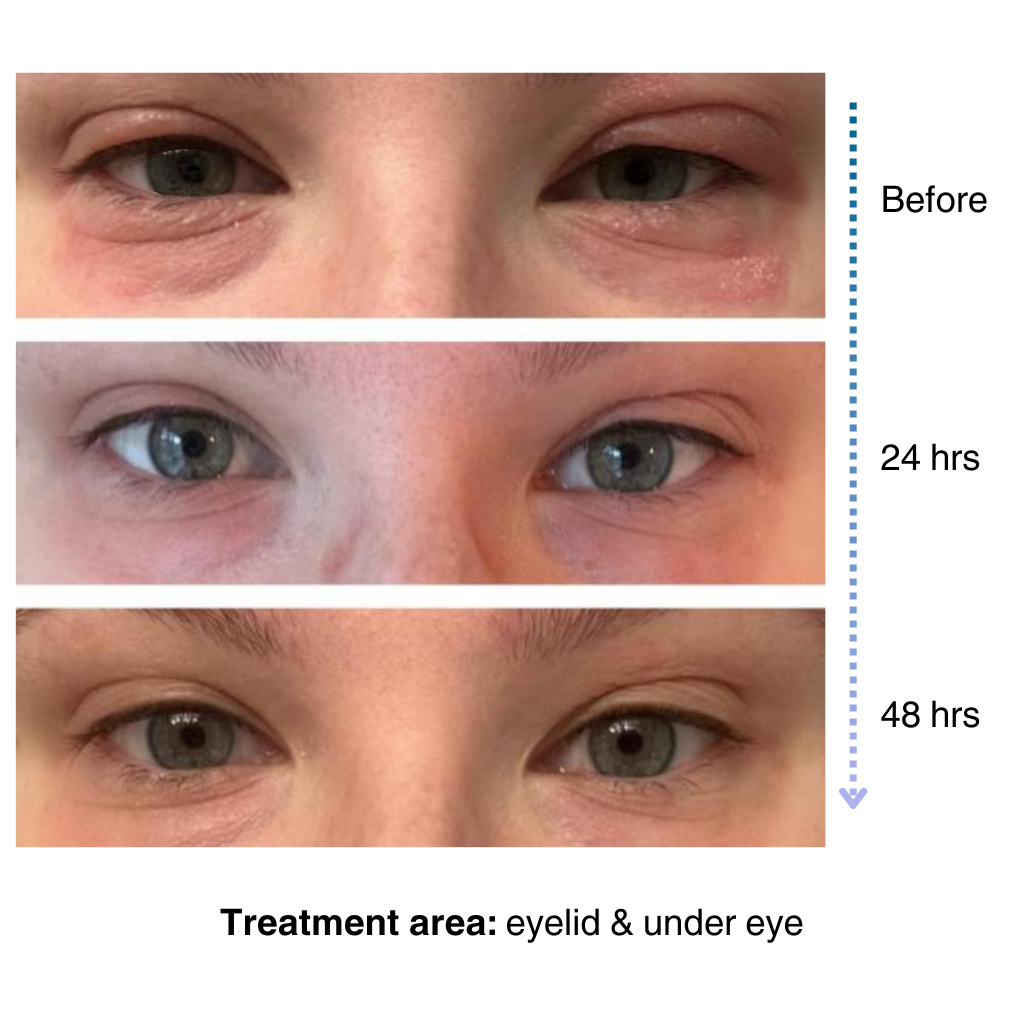
It’s easy to apply and isn’t chalky at all. I’ve been applying it multiple times a day… I’ve tried multiple new products to try and treat my eye eczema, and this is definitely the best I’ve tried so far.
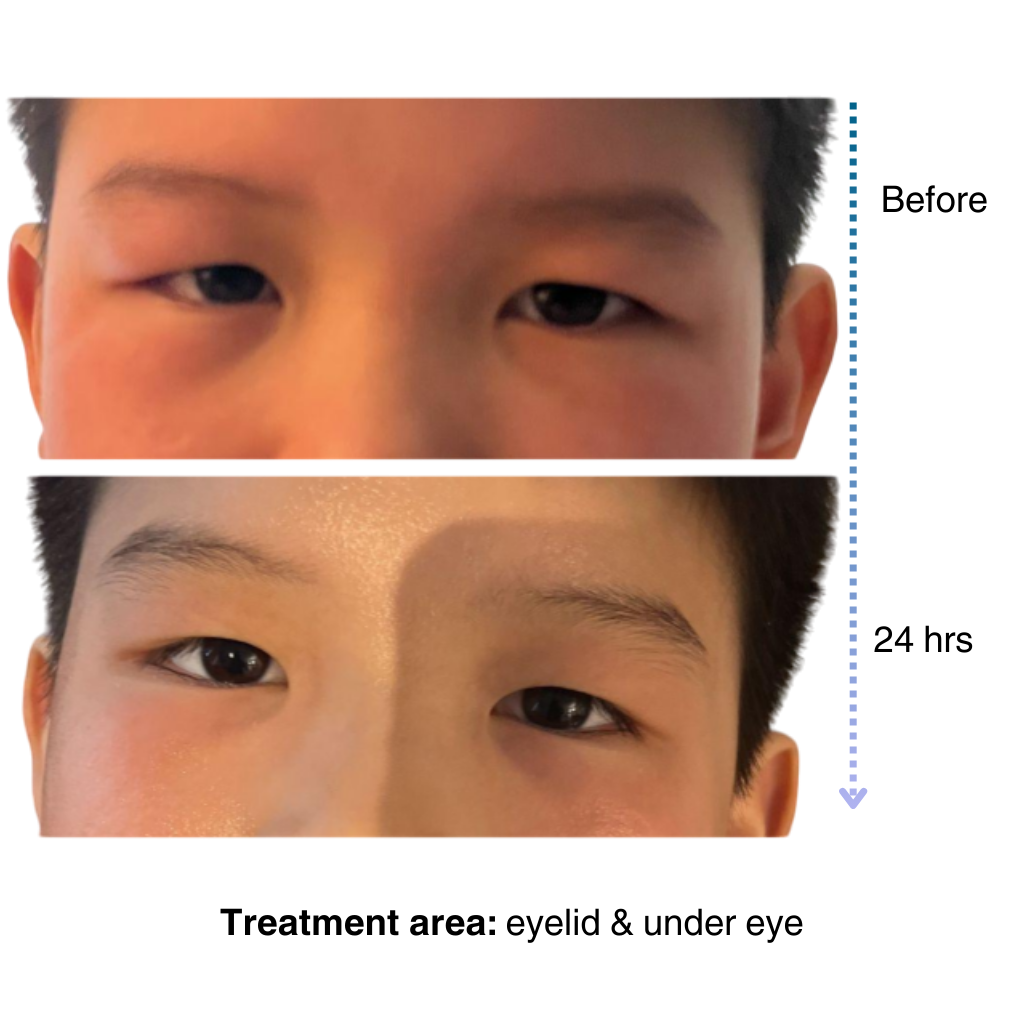
My 7-year old son has been dealing with eczema on his face for a long time, and it’s been so tough to find something that really works…..I’m amazed by the results! Within one day, the redness and rough patches on his face significantly improved…. he doesn’t mind using it at all because it doesn’t sting or feel greasy. – Lily

Like many of you, our eczema journey is personal. That’s why we’re committed to creating a space for the eczema community to share experiences, be empowered through evidence-based solutions, and learn practical tips for daily life.
– Sajjad, Founder & CEO of NellaDerm
