
Eczema concerns?
FREE
Get instant expert guidance with our smart AI platform.
Join NowIf you have eczema, managing your skincare routine can feel like navigating a minefield. Every product you apply is a potential trigger or a potential savior. One wrong ingredient can undo weeks of healing, while the right one can help restore your skin’s natural barrier. Understanding the ingredients that trigger eczema is crucial for long-term relief and prevention of flare-ups. This comprehensive guide dives into eight major offenders and how to build a safer, more supportive skincare routine around them.
Managing eczema requires more than just treating symptoms it demands careful attention to the ingredients in your skincare products. Many common components that are harmless for normal skin can trigger painful flare ups and persistent irritation for those with eczema. Understanding which ingredients to avoid is the first step toward achieving lasting comfort and healthy skin.
This comprehensive guide examines the most problematic ingredients for eczema prone skin, explains why they cause issues, and provides safe alternatives. Whether you are newly diagnosed or have been managing eczema for years, this information will help you make informed decisions about your skincare routine.
Fragrances are added to nearly every type of skincare product, from body lotion to shampoo. But for eczema prone skin, they are among the most common and aggressive irritants.
Fragrance compounds can include up to 200 undisclosed chemicals. A review in StatPearls identified fragrance mix as one of the top allergens among patients with eczema and contact dermatitis. These compounds can exacerbate inflammation, leading to redness, itching, and dryness.
Look for “fragrance free” labels (not just “unscented,” which may contain masking agents). Choose products from brands like NellaDerm, which are formulated specifically for sensitive and eczema prone skin.
Used in cleansers and shampoos for its foaming power, SLS is a detergent that can severely dry out the skin.
SLS strips the skin of natural oils, which are already depleted in those with eczema. This leaves the skin even more vulnerable to environmental irritants.
Choose products with mild surfactants like coco glucoside or decyl glucoside. These ingredients clean the skin without disrupting the lipid barrier.
These drying alcohols are commonly used to help skincare products evaporate quickly or feel lighter on the skin.
Denatured alcohol and SD alcohol remove water from the skin’s surface, causing it to tighten and flake. For eczema sufferers, this translates to increased stinging and vulnerability.
Hydrating ingredients like glycerin or hyaluronic acid are much safer for daily use.
Lavender, tea tree, citrus, and other essential oils may sound therapeutic, but they can be surprisingly harsh on sensitive skin.
Many essential oils contain linalool and limonene which are compounds that oxidize easily and trigger allergic contact dermatitis. In a Natural Institutes of Health journal review, essential oils ranked high among ingredients causing sensitivity in patients with eczema.
Choose dermatologist tested, fragrance free moisturizers like NellaDerm’s NovaNella cream, which avoids these high risk ingredients.
Derived from sheep’s wool, lanolin is a common emollient praised for its moisture locking ability.
While it can work for some, lanolin is a known allergen in others, particularly those with chronic eczema. Reactions include redness, itching, and localized flare ups.
Use occlusive agents like petrolatum (petroleum jelly) or shea butter, which are less likely to cause allergic reactions.
Urea is a natural component of the skin’s NMF (natural moisturizing factors) and is included in many hydrating formulations.
High concentrations (above 10%) can irritate already inflamed or broken skin. This is especially true during active eczema flare ups.
Stick to low strength urea creams (3 5%) or avoid them altogether during flares.
Beloved for their anti aging properties, retinoids increase skin turnover and collagen production.
Retinoids can cause peeling, dryness, and increased sensitivity, making them a poor choice for people with eczema.
Bakuchiol is a plant derived alternative that offers many of the same benefits without causing inflammation.
Used to extend shelf life, preservatives like MI are present in many personal care items.
MI was named “Allergen of the Year” in 2013 by the American Contact Dermatitis Society due to its high sensitizing potential. EU regulations now ban it in leave on products.
Seek out products labeled “MI free” and choose formulas that use gentler preservatives such as phenoxyethanol.
Beyond the most common offenders, several other ingredients frequently cause issues for eczema prone skin. Understanding these additional triggers can help you create a more comprehensive avoidance strategy.
This common humectant and penetration enhancer appears in numerous skincare and pharmaceutical products. While it helps other ingredients absorb better, it can also facilitate the penetration of irritants and cause allergic reactions in sensitive individuals. Many topical corticosteroids contain propylene glycol in their base formulations, creating a paradox where the treatment itself becomes a source of irritation.
These preservatives slowly release formaldehyde to prevent microbial growth in products. Common formaldehyde releasers include DMDM hydantoin, imidazolidinyl urea, and quaternium 15. They can cause significant irritation and allergic reactions, particularly in individuals with compromised skin barriers. The gradual release means exposure continues throughout the day, potentially worsening eczema symptoms over time.
Chemical sunscreen agents like oxybenzone, avobenzone, and octinoxate can cause photosensitivity reactions and irritation in eczema prone skin. These ingredients work by absorbing UV radiation and converting it to heat, which can trigger inflammation and discomfort. Mineral sunscreens containing zinc oxide or titanium dioxide are generally better tolerated as they sit on the skin’s surface and physically block UV rays.
To fully appreciate why certain ingredients cause problems, it helps to understand the science behind the eczema compromised skin barrier. In healthy skin, the outermost layer called the stratum corneum acts as a protective shield, preventing water loss and blocking environmental irritants. This barrier consists of corneocytes (skin cells) held together by lipid bilayers, creating what dermatologists often describe as a brick and mortar structure.
In eczema prone skin, this protective barrier is fundamentally flawed. Research shows reduced levels of ceramides, cholesterol, and fatty acids the essential lipids that form the mortar between skin cells. Genetic factors, particularly mutations in the filaggrin gene, further compromise barrier function. Filaggrin helps form the natural moisturizing factor that keeps skin hydrated, and when it is deficient, the skin loses water more easily and becomes vulnerable to irritant penetration.
This compromised barrier allows irritants to penetrate more deeply into the skin, triggering immune responses that lead to inflammation, itching, and the characteristic eczema rash. Harsh ingredients that might cause minimal issues for healthy skin can therefore provoke significant reactions in eczema prone skin because they penetrate more easily and encounter a heightened immune response.
While avoiding problematic ingredients is crucial, it is equally important to incorporate safe, beneficial components that support skin barrier function and reduce inflammation. The right ingredients can make a significant difference in managing eczema symptoms and preventing future flare ups.
These lipid molecules are essential components of the skin’s natural barrier. Topical application of ceramides helps replenish what eczema prone skin lacks, improving barrier function and reducing water loss. Look for products containing ceramide NP, AP, or EOP for optimal barrier repair.
Also known as vitamin B3, niacinamide helps improve skin barrier function, reduce inflammation, and decrease water loss. Studies show that concentrations between 2% and 5% can significantly benefit eczema patients without causing irritation.
This natural ingredient has FDA approved skin protectant properties. It forms a protective barrier on the skin, soothes itching, and contains anti inflammatory compounds called avenanthramides. Colloidal oatmeal baths can provide immediate relief during flare ups.
Rich in fatty acids and vitamins, shea butter provides excellent moisturization without the allergenic potential of lanolin. Its anti inflammatory properties make it particularly beneficial for calming irritated eczema skin.
Now that you know the top ingredients that trigger eczema, how do you create a daily skincare regimen that actually helps? Here is a blueprint:
Navigating the skincare aisle can be overwhelming when you have eczema. Developing smart shopping strategies can save time, money, and prevent painful reactions. Start by creating a personal “avoid list” based on your known triggers and keep it handy when shopping. Many smartphone apps can scan product barcodes and flag concerning ingredients, making in store decisions easier.
When evaluating new products, look beyond marketing claims like “natural” or “for sensitive skin,” as these terms are not regulated and can be misleading. Instead, focus on the actual ingredient list. Products with shorter ingredient lists generally pose fewer risks, as each additional component increases the chance of containing a trigger. Remember that ingredients are listed in descending order of concentration, so the first five ingredients typically make up the bulk of the formulation.
Consider contacting manufacturers directly if you have questions about specific ingredients or cross contamination. Reputable companies focused on sensitive skin care are usually transparent about their formulations and manufacturing processes. Building a relationship with a knowledgeable pharmacist or dermatologist who understands cosmetic chemistry can also provide valuable guidance when selecting products.
Eczema management begins with education. Identifying the ingredients that trigger eczema is one of the most empowering things you can do for your skin. By avoiding common irritants and focusing on products with minimal, safe ingredients, you can dramatically reduce flare ups and improve skin comfort.
Do not forget to consult with a dermatologist for tailored advice, especially if your eczema is severe or unresponsive to over the counter treatments.
For additional reading, explore this peer reviewed study from the Journal of the American Academy of Dermatology that outlines contact allergens frequently seen in eczema patients.
And if you are looking for effective, dermatologist tested skincare, browse the full eczema product line at NellaDerm.com.
Q: How often should I reapply moisturizer during a flare?
A: At least twice a day, and after every time you wash your hands or shower. During cold or dry weather, you may need to apply more frequently.
Q: Can eczema get worse with age?
A: Yes, adult-onset eczema can be more stubborn. Triggers like stress, hormonal changes, and allergens can worsen symptoms over time.
Q: What if my skin reacts to everything I try?
A: Consider seeing a dermatologist for a patch test to identify your specific triggers.
Q: Are there any products that are truly safe for all eczema sufferers?
A: No single product works for everyone, but formulas free of fragrance, alcohol, and known allergens, like those from NellaDerm’s product line, are generally well-tolerated.
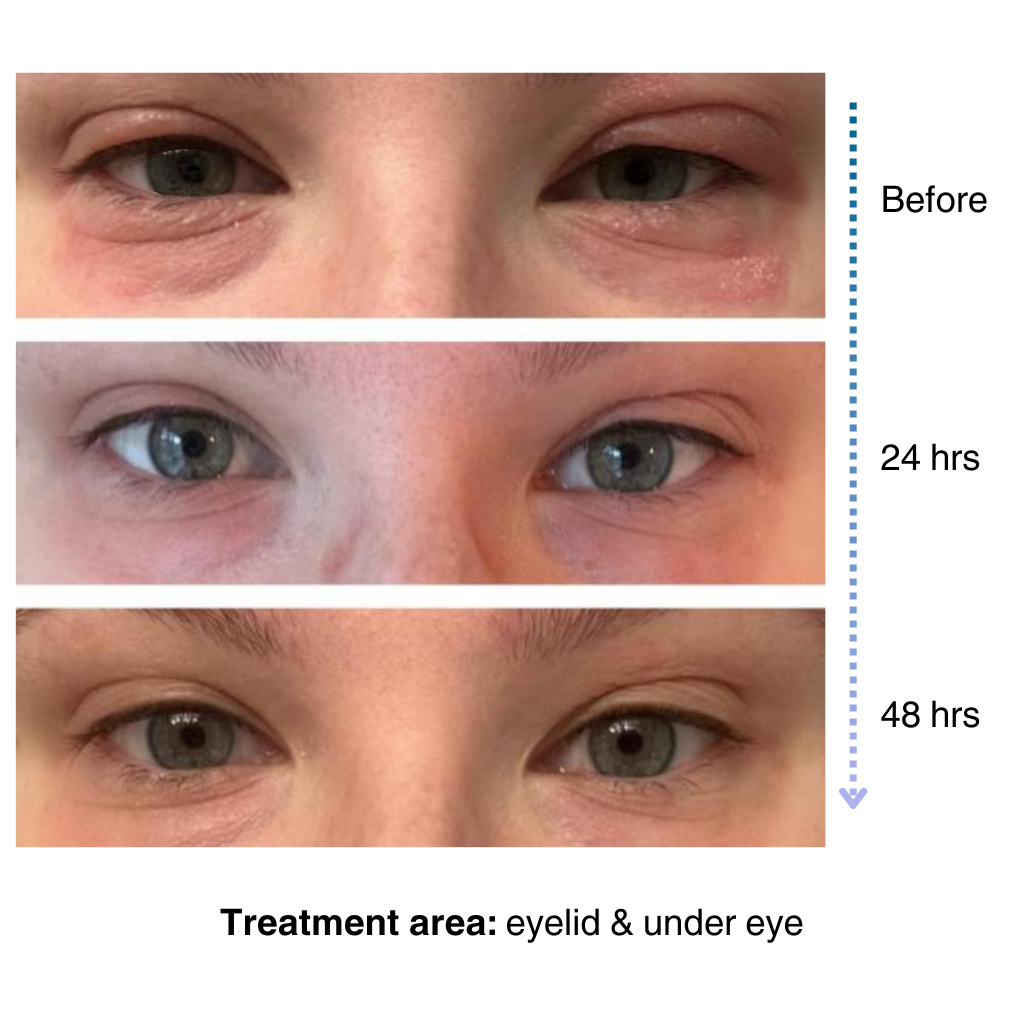
It’s easy to apply and isn’t chalky at all. I’ve been applying it multiple times a day… I’ve tried multiple new products to try and treat my eye eczema, and this is definitely the best I’ve tried so far.
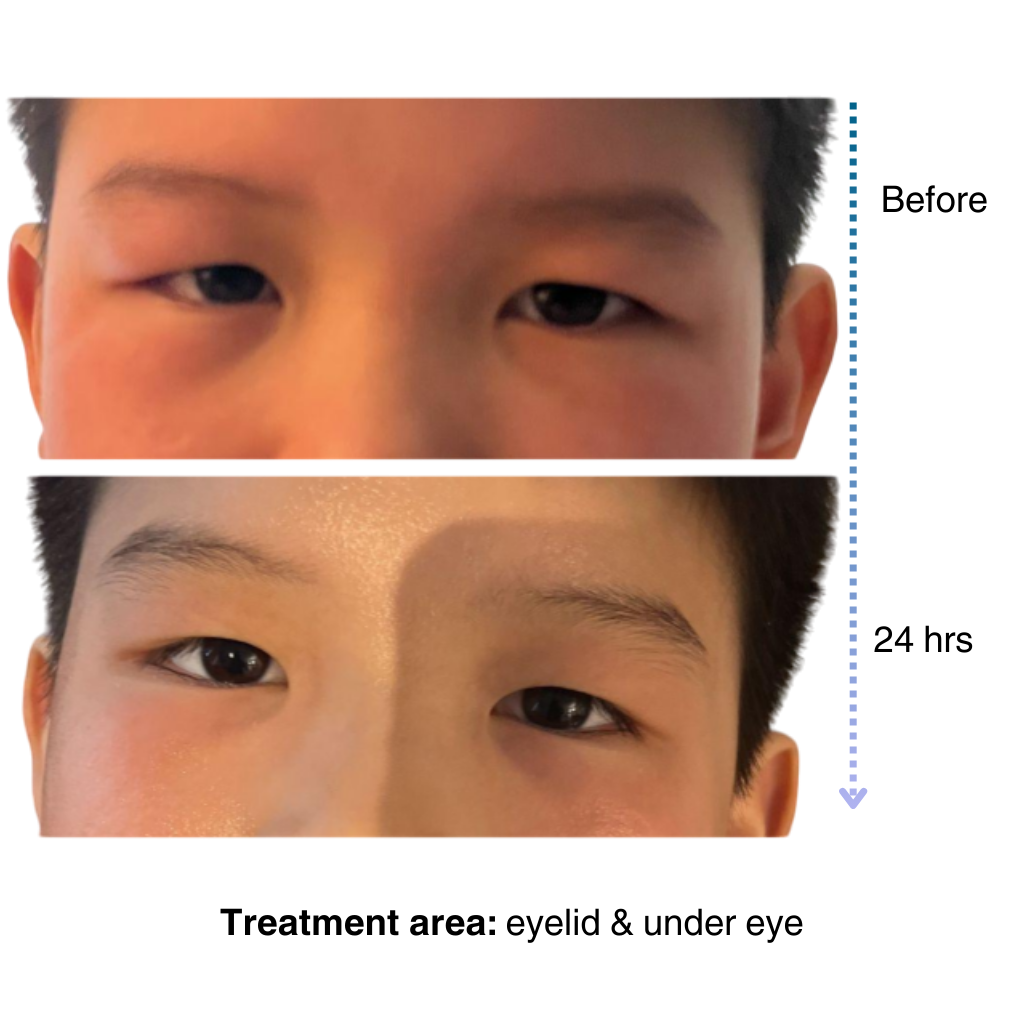
My 7-year old son has been dealing with eczema on his face for a long time, and it’s been so tough to find something that really works…..I’m amazed by the results! Within one day, the redness and rough patches on his face significantly improved…. he doesn’t mind using it at all because it doesn’t sting or feel greasy. – Lily

Get expert advice, exclusive offers, and real stories from people who understand your journey.
Start your skincare journey with an exclusive discount
Practical advice for managing sensitive and eczema-prone skin
Be the first to try our latest technology and product releases
Get 10% off your first order when you sign up
Secure & Private
Instant Access
Premium Content
Like many of you, our eczema journey is personal. That’s why we’re committed to creating a space for the eczema community to share experiences, be empowered through evidence-based solutions, and learn practical tips for daily life.
– Sajjad, Founder & CEO of NellaDerm
