Eczema concerns?
FREE
Get instant expert guidance with our smart AI platform.
Join Now
There is real buzz around vitamin D for eczema. You may have heard that low vitamin D is linked to worse flares, that a little sun “settles” the skin, or that supplements could reduce itch. Some of that is accurate, some is oversimplified, and none of it replaces daily barrier care. This guide translates the evidence into everyday decisions: how to think about sunlight, whether to test or supplement, and how to run a short, safe trial without derailing the basics that reliably help.

Vitamin D influences immune signaling in the skin and helps regulate the barrier that keeps water in and irritants out. When levels are low, inflammation can tip more easily toward the type seen in atopic dermatitis. That is one reason interest in vitamin D for eczema keeps growing, especially in winter, at higher latitudes, or when indoor life and careful sun protection limit natural production.
Two important reality checks:
Across randomized controlled trials and meta-analyses, oral vitamin D has shown a modest average improvement in eczema severity for some people. A recent systematic review and meta-analysis from PubMed Central pooling 11 randomized trials reported that vitamin D supplementation reduced atopic dermatitis severity compared with placebo or usual care; the effect size was small-to-moderate and results varied by study design and population (Nielsen et al., 2024, Nutrients).
What this means for you: vitamin D can be part of a smart plan, especially if you are likely to be deficient, but it is not a cure. Keep expectations realistic and judge success by your own data—itch, sleep, and how much active skin you have week to week.
You may be a reasonable candidate to explore vitamin D for eczema if one or more apply:
If you have a history of kidney stones, hypercalcemia, granulomatous disorders, sarcoidosis, or are on certain medications, talk with your clinician first; you may need personalized guidance before trying supplements.
It is tempting to think “more sun equals more vitamin D equals calmer skin.” In real life, the tradeoffs are bigger than that.
Bottom line: protect your skin first. You can maintain vitamin D through food and supplements without risky deliberate sunbathing.
Before you open a bottle, cover the basics. Add vitamin D–rich foods you already tolerate:
These are not “medicine,” but they steady intake while you decide if additional help makes sense.
If you and your clinician decide to try vitamin D for eczema, keep it simple:
Choose a straightforward product.
Look for vitamin D3 (cholecalciferol) from a reputable brand with third-party testing on the label. Avoid megadose or “once-weekly high-potency” marketing unless your medical team specifically prescribes it.
Use a daily, moderate dose.
Daily, steady intake is generally preferred to large intermittent doses. Start with the amount your clinician recommends or, if testing is not immediately available, a conservative daily dose from a brand you trust. Stay within the label and do not “stack” multiple products that contain vitamin D.
Take it with food that includes some fat.
Absorption is better alongside dietary fat.
Give it a window.
Supplements are not instant. Plan a 6–8 week trial while you hold your skincare and medications steady so you can actually tell if anything changes.
Know what “too much” looks like.
If you ever develop unusual thirst, frequent urination, nausea, or confusion after starting high-dose vitamin D, stop and talk with your clinician. Those symptoms are not common at typical dietary supplement doses, but they are your cue to seek advice.
No supplement beats the fundamentals. Vitamin D should ride on top of:
Think of vitamin D for eczema as an incremental helper that may lower the “background noise” so your basics and prescriptions work a little better.
You will know whether vitamin D is pulling its weight if you track a few simple metrics, not just a vibe. Here is a practical plan.
Week 0: Set your baseline
Week 1: Start the supplement
Week 2: Stay steady
Week 3: Interim check
Week 4: Decide and set next steps
Winter: Indoor air, fewer daylight hours, and heavy clothing mean lower incidental sun exposure. If your flares cluster in winter, talk with your clinician about checking vitamin D and consider a supplement trial during these months.
Summer: Heat and sweat are the bigger enemies. Keep sunscreen mineral-based on sensitive zones, rinse off sweat quickly, and moisturize while skin is slightly damp. A good steroid-free moisturizer is NellaCalm by NellaDermIf you are outdoors a lot, you may not need additional vitamin D, but do not “chase” levels by skipping sun protection.
Travel: New latitudes and routines can swing both your skin and vitamin D. Pack your supplement in your pill case and keep your moisturizing and laundry habits the same to remove variables.
“I started vitamin D and my skin got drier.”
Supplements do not usually cause dryness; this often means something else changed. Did you switch detergents, extend your showers, or spend more time in AC or heat? Return to basics and re-evaluate.
“My labs were low last year. Do I need to retest before starting?”
If you have a recent deficiency or medical conditions that affect vitamin D, it is smart to involve your clinician, especially before higher doses. If testing is not feasible right away, a conservative daily dose and careful tracking are a safer bridge than megadoses.
“Can I just use a UV lamp at home for vitamin D?”
Do not self-treat with UV for vitamin D. Medical phototherapy happens under supervision with precise dosing. If light therapy is appropriate for your eczema, your dermatologist will guide it.
“Do kids with eczema need vitamin D?”
Never start supplements in children without pediatric guidance on dose and safety. Kids’ skin and vitamin D needs differ from adults, and products must be chosen carefully.
Bring your four-week log, a few consistent photos, and questions about realistic goals for vitamin D for eczema in your situation.
Vitamin D for eczema can be a helpful add-on for some people, especially if your levels tend to run low or winter flares hit hard. Treat it like a structured experiment: keep your barrier routine rock-solid, protect from sun wisely, use a simple daily dose, and track itch, sleep, and photos for four weeks. If your numbers and your skin improve, keep it. If not, pivot back to the basics that always pay off like short lukewarm showers, moisturizing within three minutes, fragrance-free laundry with an extra rinse, and the prescriptions your clinician recommends.
Does vitamin D help everyone with eczema?
No. On average, studies show modest improvement for some people. Your own four- to eight-week trial is the best test of benefit for you. (Nielsen 2024 meta-analysis).
Is it better to get vitamin D from sun or supplements?
Use sun safely for mood and life, but do not rely on deliberate unprotected exposure for vitamin D. Food and a simple supplement can maintain healthy levels without raising skin-cancer risk.
How long until I notice a change?
If vitamin D helps you, itch or sleep often improve within 4–8 weeks while everything else stays steady.
Can I take vitamin D with my eczema medicines?
Generally yes, but always check with your clinician, especially if you take other supplements or have medical conditions that affect calcium or vitamin D metabolism.
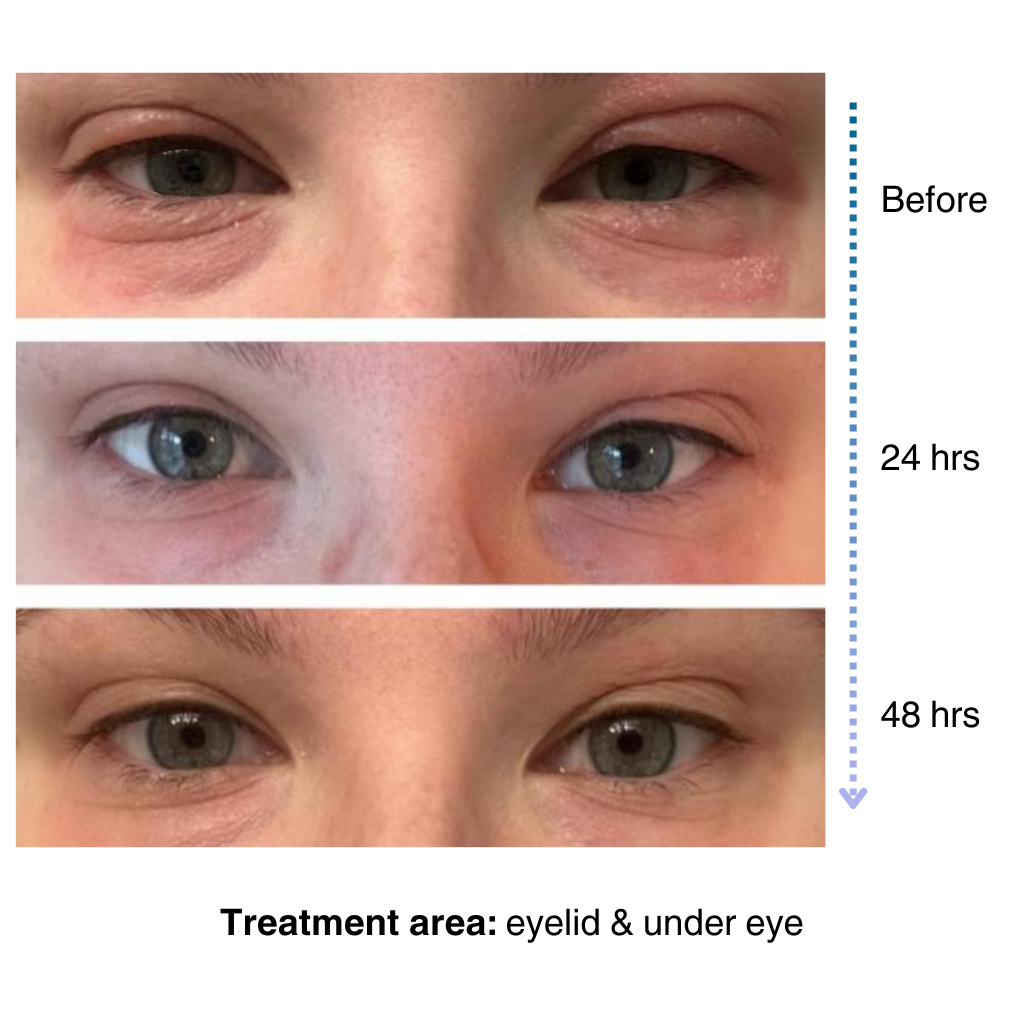
It’s easy to apply and isn’t chalky at all. I’ve been applying it multiple times a day… I’ve tried multiple new products to try and treat my eye eczema, and this is definitely the best I’ve tried so far.
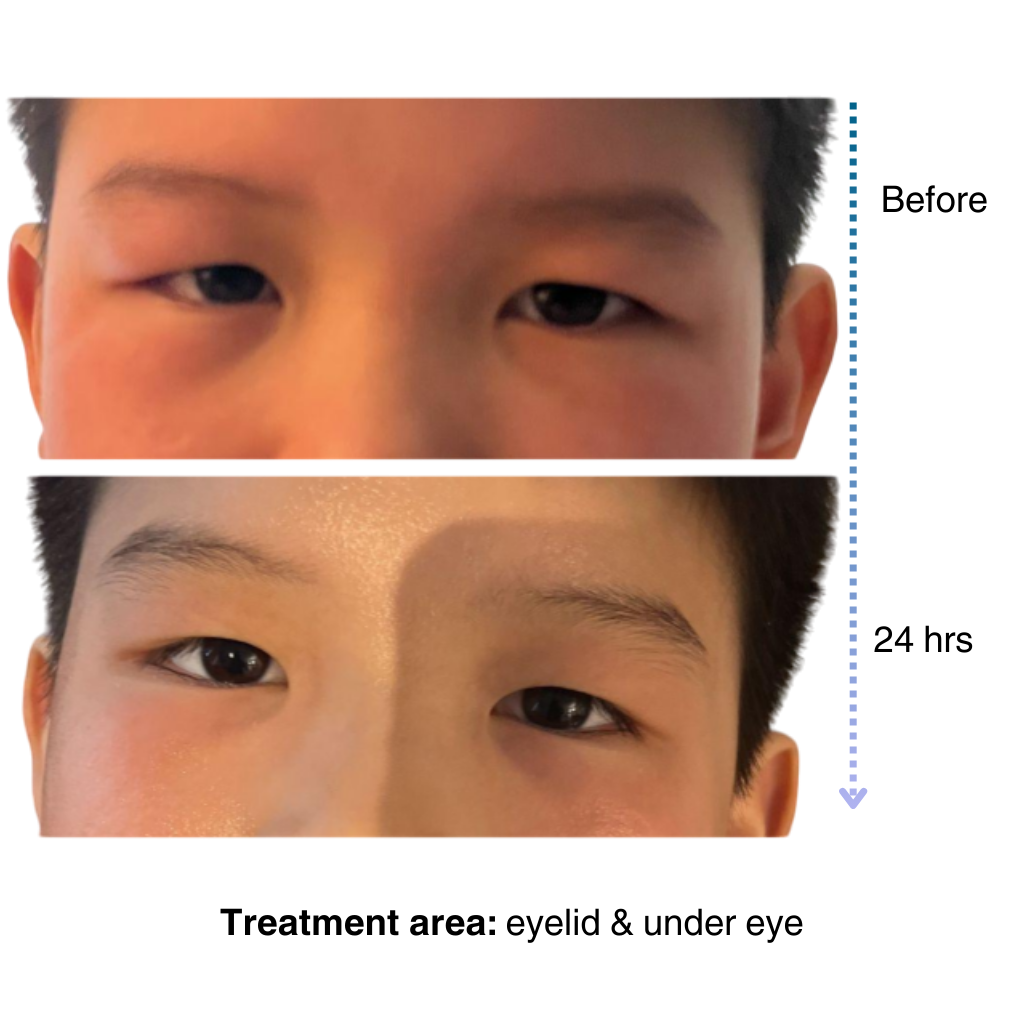
My 7-year old son has been dealing with eczema on his face for a long time, and it’s been so tough to find something that really works…..I’m amazed by the results! Within one day, the redness and rough patches on his face significantly improved…. he doesn’t mind using it at all because it doesn’t sting or feel greasy. – Lily

Get expert advice, exclusive offers, and real stories from people who understand your journey.
Start your skincare journey with an exclusive discount
Practical advice for managing sensitive and eczema-prone skin
Be the first to try our latest technology and product releases
Get 10% off your first order when you sign up
Secure & Private
Instant Access
Premium Content
Like many of you, our eczema journey is personal. That’s why we’re committed to creating a space for the eczema community to share experiences, be empowered through evidence-based solutions, and learn practical tips for daily life.
– Sajjad, Founder & CEO of NellaDerm
