Eczema concerns?
FREE
Get instant expert guidance with our smart AI platform.
Join Now
Plants make rooms calmer, but the way we water, pot, and place them changes indoor moisture and dust. For sensitive skin, that can mean more airborne mold spores, soil-mite hitchhikers, and extra dust collecting on leaves and surrounding fabrics. You do not have to give up your jungle. With a few smart tweaks—how you choose plants, water, repot, and clean—you can enjoy your collection without stirring up the triggers that often nudge houseplants and eczema in the wrong direction.
Studies of indoor environments consistently link visible dampness and mold to higher odds of allergic conditions, including atopic dermatitis, especially in children. For example, a 2024 investigation, published in Nature, measured indoor microorganisms and dampness found associations with atopic dermatitis alongside asthma and rhinitis, underscoring the value of moisture control in homes with plants.
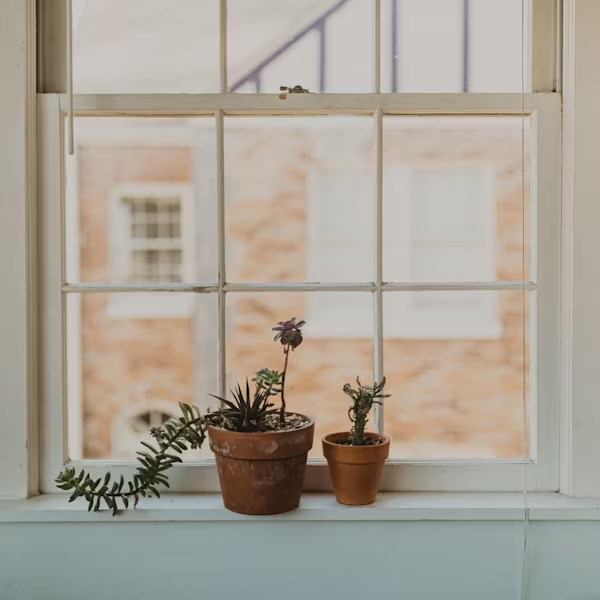
Mold thrives on persistently wet potting mix and poorly ventilated corners. Even small patches release spores into nearby air, which may aggravate houseplants and eczema when combined with dry indoor air or fabric friction.
“Soil mites” and fungus gnats love damp mix. Their presence signals excess moisture and decaying organic matter. While most are nuisance rather than direct allergens, they come with micro-fragments and more mold growth: an indirect itch amplifier.
Large leaves collect dust. That dust holds pollen, pet dander, and house-dust mite fragments that can irritate eyelids, neck, and hands as you brush by.
Some species ooze sap that can irritate skin on contact. If you prune or repot often, choose plants with low irritant potential and wear gloves.
Friendlier choices for most homes
Use caution or skip if you are prone to irritation
Pick a sterile indoor potting mix with added perlite or pumice for drainage. Avoid compost-heavy or garden soil indoors. If you see persistent surface fuzz, repot and discard the old mix instead of “treating” it repeatedly.
Plants are great for mood and humidity balance, but they are not a substitute for ventilation or filtration. A rigorous review concluded that potted plants, in real homes, do not significantly remove indoor VOCs; you would need unrealistic plant densities to notice a change. Prioritize source control, ventilation, and HEPA filtration to manage indoor air quality, and enjoy plants for greenery rather than air scrubbing.
For days when outdoor smoke worsens your skin, pair smart placement of plants with this playbook: Eczema in Wildfires: How Smoke Affects Your Skin.
Goal: keep your plants thriving while reducing the moisture, dust, and spores that nudge houseplants and eczema.
Day 1 setup
Days 2–7
Days 8–14
Decision point
You can keep your greenery and calm your skin. Think moisture discipline, sterile fast-draining mixes, breathable pots with drainage, and a weekly dust-wipe on leaves and nearby surfaces. Use plants for joy, not air cleaning, and lean on ventilation and HEPA filtration for indoor air control. With these low-friction habits, houseplants and eczema can coexist beautifully.
Do I need to get rid of all my plants if I have eczema?
Usually not. Most people do well with a smaller, drier, cleaner collection plus better airflow. The combination of less overwatering, sterile mixes, and weekly leaf wipes helps far more than going plant-free.
Are succulents the best choice for eczema-prone homes?
They are a good option because they like drier mixes and infrequent watering. Just give them bright light and avoid overwatering—soggy succulents mold too.
Should I put rocks on top of the soil to block mold?
A thin, airy horticultural sand or LECA top-dress can help the surface dry faster. Heavy, non-breathable caps can trap moisture underneath.
Can I use essential oils to “disinfect” soil or leaves?
Skip them. Fragrance is a top skin irritant and oils can burn foliage. Focus on moisture control, airflow, and sterile mixes.
What humidity is best for skin and plants?
Most houseplants and most people do well around 40 to 50 percent relative humidity. If you use a humidifier for plants, keep it clean and aim it away from walls and textiles to prevent localized dampness.
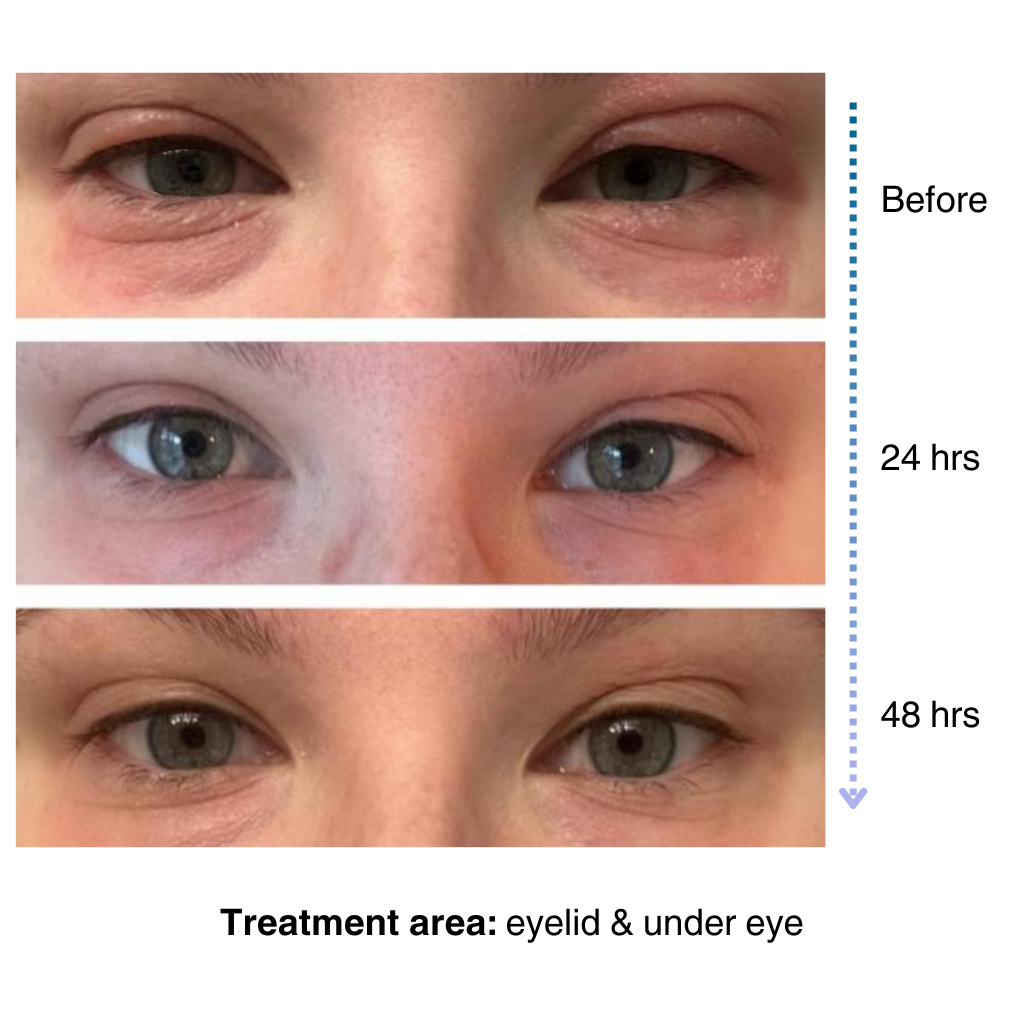
It’s easy to apply and isn’t chalky at all. I’ve been applying it multiple times a day… I’ve tried multiple new products to try and treat my eye eczema, and this is definitely the best I’ve tried so far.
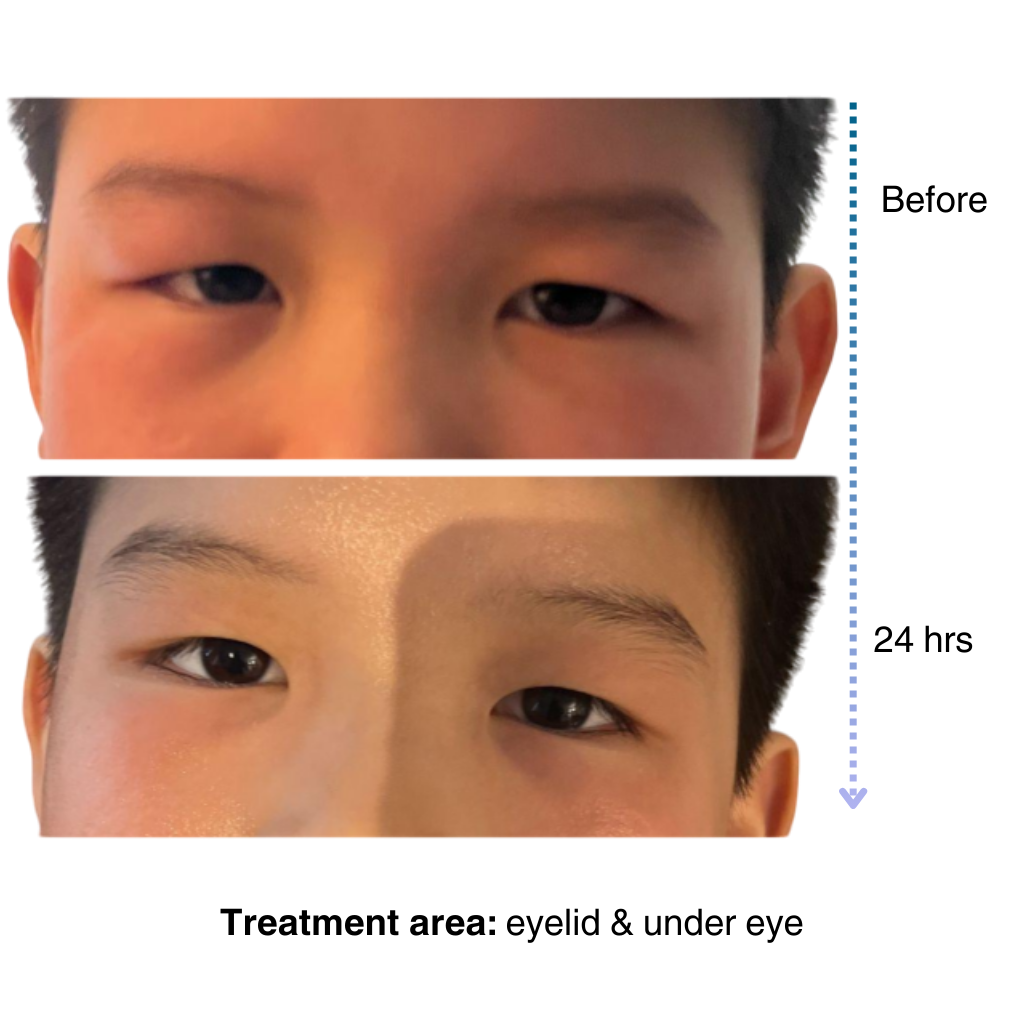
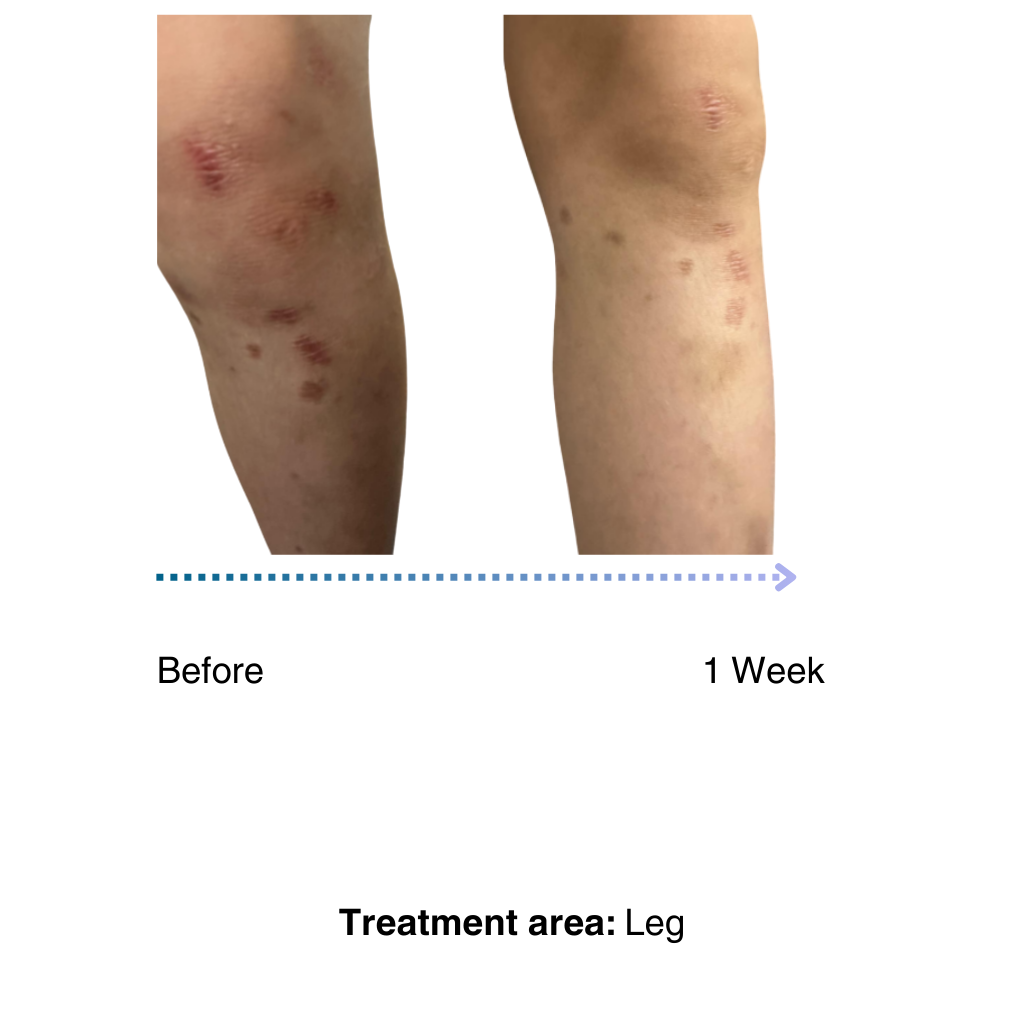
My 7-year old son has been dealing with eczema on his face for a long time, and it’s been so tough to find something that really works…..I’m amazed by the results! Within one day, the redness and rough patches on his face significantly improved…. he doesn’t mind using it at all because it doesn’t sting or feel greasy. – Lily

Get expert advice, exclusive offers, and real stories from people who understand your journey.
Start your skincare journey with an exclusive discount
Practical advice for managing sensitive and eczema-prone skin
Be the first to try our latest technology and product releases
Get 10% off your first order when you sign up
Secure & Private
Instant Access
Premium Content
Like many of you, our eczema journey is personal. That’s why we’re committed to creating a space for the eczema community to share experiences, be empowered through evidence-based solutions, and learn practical tips for daily life.
– Sajjad, Founder & CEO of NellaDerm
