Eyelid Eczema or Allergy? Know the Difference

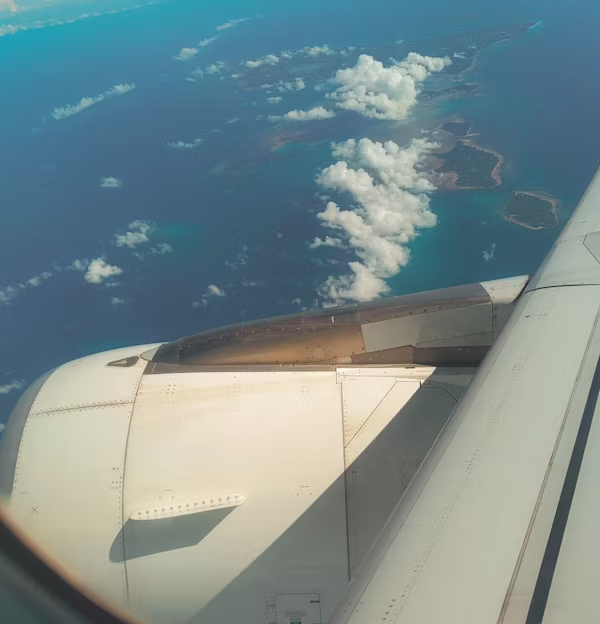
Dry cabin air, temperature swings, frequent hand hygiene, and jet-lagged sleep can turn a smooth trip into an itchy one. Aircraft cabins routinely run at very low humidity, and research shows stratum corneum hydration drops quickly during long-distance flights—exactly when you need your barrier to behave. That is why a simple, repeatable plan for eczema on flights makes such a difference.
eczema on flights

The Essentials In One Minute

  • Seal before you board. After your pre-flight shower, pat to damp and moisturize within three minutes from face to feet. Re-seal right before boarding.
  • Sanitize smarter than you wash. When hands are not visibly dirty, choose alcohol-based sanitizer with emollients; save soap-and-water for true messes, then moisturize immediately. Evidence suggests sanitizers are often better tolerated than repeated soap cycles for at-risk skin.
  • Create a micro-climate. Wear breathable layers, use a soft scarf or neck pillow cover to reduce fabric friction, and avoid blasting air vents directly at active patches.
  • Hydrate the skin, not just the body. Sip water, yes, but the barrier needs topical water and occlusion to matter at 30,000 feet.
  • Sleep strategy beats willpower. Nighttime itch tends to worsen with circadian disruption; plan short pre-sleep routines and cool your seat zone.

What Cabin Air Does To Skin (And How To Counter It)

Cabin humidity often drops into single digits within hours of takeoff. In a controlled PubMed Central field study of long-distance flights, investigators recorded relative humidity below 10% and a rapid decrease in stratum corneum hydration on the face and forearms. Translation: water is leaving your skin faster than usual, so even small irritants feel bigger. Build your plan around water, seal, and friction control. 


Counter-moves you can rely on

  • Right after security: cleanse hands, then apply a pea-sized amount of moisturizer.
  • Just before boarding: moisturize the back of hands, wrists, and any known hot spots (neck crease, inner elbows).
  • At cruising altitude: re-seal exposed skin every 2–3 hours; a thin layer is enough if you start while skin is still slightly dewy from a water spritz or a warm cloth.
  • Keep air moving but gentle: direct the overhead nozzle slightly in front of your face, not at your skin, to reduce heat and sweat without desiccating one patch.

If you want a simple, fragrance-free base cream that layers well in tight spaces, pack a travel size of NellaCalm Steroid-Free Eczema Cream.


Sanitizers, Soaps, And In-Seat Hand Care

Airports and planes demand frequent hand hygiene. For eczema on flights, the trick is frequency plus moisturizer, not either/or.

  • Default to sanitizer when hands are not visibly dirty. A 2022 NIH systematic review on hand hygiene and eczema reports no higher risk of hand eczema with frequent alcohol hand rub vs less frequent use, and many protocols note better tolerance than repeated soap cycles.
  • Use soap-and-water after restroom use or visible soil. Choose lukewarm water, rinse thoroughly, pat dry, then moisturize immediately. A 2023 study found non-medicated soap significantly reduced skin moisture and elasticity compared with alcohol-based products—one reason to save soap for when it is truly needed.
  • Moisturize after every dry. Keep a small, screw-cap tube accessible in your seat pocket. Apply a rice-grain amount across backs of hands and between fingers; wipe fingertips if you need immediate grip.

For deeper workplace-style hand routines you can adapt for travel, see: Eczema in the Workplace: Managing Flare-Ups in Professional Settings.


Seat, Fabrics, And Friction

  • Clothing: soft, breathable knits or smooth athletic layers beat scratchy fibers. Avoid tight elastics at flexures.
  • Seat contact: bring a clean, smooth scarf or lightweight T-shirt to place between your neck and the seat.
  • Bedding: on red-eyes, a soft eye mask and smooth travel pillowcase reduce rubbing on eyelids and cheeks.
  • Blankets: airline blankets vary; if you flare easily, use your own compact layer you have laundered in fragrance-free detergent.

Your Carry-On Eczema Kit (Everything TSA-Friendly)

  • Travel moisturizer (fragrance-free, <100 ml)
  • Alcohol-based hand sanitizer with emollients (travel size)
  • Soft, unscented wipes (for salt/sweat—not for full cleansing)
  • Small mister or compress cloth for “damp then seal” resets
  • Mineral sunscreen stick (zinc; easy around eyes)
  • A few silicone or hydrogel patches for high-friction spots
  • Prescription topical (clearly labeled), if your clinician recommends a short rescue course
  • Lip balm and a tiny tube of petrolatum for nostrils if cabin air feels harsh

The 48-Hour Flight Timeline You Can Copy

T-24 to T-2 hours (home and airport)

  • Simplify products. Stick to fragrance-free cleanser, moisturizer, and mineral sunscreen; skip strong actives.
  • Pre-hydrate the barrier. Shower lukewarm, pat to damp, moisturize from neck to toes.
  • Pack your kit in an easy-to-grab pocket.
  • Airport hygiene: use sanitizer after bins and scanners, then moisturize. If you wash, pat dry and re-seal.

Boarding + first two hours

  • Seat setup: layer your soft scarf at the headrest and adjust the air nozzle.
  • Thin re-seal: hands, wrists, and any known hot spots.
  • Warm cloth reset: 10–20 seconds on the face if skin feels tight, then moisturize lightly.

Mid-flight (every 2–3 hours)

  • Micro-routines: spritz,  pat to damp, then apply a thin moisturizer.
  • Food and drink: blot lips and chin, then re-seal if they tingle; stick to water and gentle snacks if spicy foods trigger itch.
  • Move: short aisle walks help comfort and reduce heat build-up around flexures.

Sleep window

  • Cool and dark: eye mask, neck support, and a light layer.
  • One-minute wind-down: slow breaths or a brief body scan; then a last thin layer of moisturizer on your itchiest area.
  • Expect some night itch. Circadian studies show barrier function in atopic skin can worsen in the evening—planning for this beats being surprised at 2 a.m.

Final hour + landing

  • Freshen up: lukewarm water rinse or wet cloth; pat and re-seal.
  • Sun care: if you land in daylight, press on a bit of mineral sunscreen stick (window seats do not fully protect from UVA).

Jet Lag Recovery: First 48 Hours After Landing

Hour 0–6

  • Shower lukewarm as soon as practical. Use a fragrance-free syndet cleanser where needed.
  • Moisturize within three minutes while skin is still slightly damp.
  • Laundry fast-track: if you can, wash travel clothes and pillow covers in fragrance-free detergent with an extra rinse to remove residue.

Day 1

  • Routine anchors: morning rinse, moisturize, mineral sunscreen; evening cleanse, and moisturize.
  • Hands: default to sanitizer with emollients between soap washes; moisturize after every dry.
  • Sleep: cool room, smooth sheets, five-minute wind-down before bed. If nighttime itch wrecks rest, try this step-by-step:
     Sleepless Nights? How To Stop Eczema Itching At Night

Day 2

  • Assess your hot spots. If a patch is smoldering, use your clinician-directed anti-inflammatory for a short, targeted course.
  • Hydrate and move. Gentle walks help reset your body clock and reduce heat-plus-friction around flexures.
  • Add back extras (vitamin C, retinoids, fragranced hair stylers) only after skin is quiet for 48 hours.

Special Situations

Eyelids and periorbital skin
Prefer zinc-based mineral sunscreen around eyes and a press-to-spread technique over moisturizer. If lids are active, skip mascara and liner until calm.


Infants and kids
Keep routines shorter. Moisturize before boarding and after landing. Pack soft layers and consider a small cotton blanket you have washed at home.


Older adults
Thinner skin means faster water loss. Bring a thicker cream, moisturize more often, and keep cabin layers extra smooth.


Medical adhesives and devices
If you use CGMs, pumps, or tapes, favor silicone-based adhesives and remove low-and-slow with a little oil after landing. If you are adhesive-sensitive, pre-treat the area per your clinician’s advice.


Masks
If masking, apply a thin moisturizer first to reduce friction. Replace damp masks during long flights.


A Two-Week Travel Prep And Recovery Plan

Week before travel

  • Trim routine to fragrance-free basics.
  • Patch test any new travel-size products at home.
  • Pack duplicates of your moisturizer (one in carry-on, one in checked bag).

Trip days

  • Follow the timeline above. Re-seal every 2–3 hours in flight.
  • Sleep cool with smooth layers. Use mineral sunscreen on exposed skin if you have window light.

Week after travel

  • Keep AM/PM basics steady.
  • If you changed detergents while away, re-wash travel clothes at home with fragrance-free liquid detergent and an extra rinse.
  • If itch remains high after four to five days back on routine, contact your clinician.

Final Thoughts

Eczema on flights does not have to be a foregone flare. Cabins are dry and sleep gets weird, but you can stack the odds: moisturize within three minutes after cleansing, default to emollient-containing sanitizer between soap washes, create a soft micro-climate at your seat, and run a short, cool wind-down before sleep. Land, rinse, and re-seal, then give yourself 48 hours of simple routine and extra hand care. With a pocket-sized kit and this timeline, long hauls can feel like any other day your skin knows how to handle.

Frequently Asked Questions

Will drinking extra water fix airplane skin dryness?
Hydration helps overall comfort, but the barrier needs topical water plus a seal to stop evaporation in ultra-dry cabins. Pair sips with spritz-pat-moisturize cycles.


Is a window seat worse for sun exposure?
Cabin windows filter UVB better than UVA. On daytime flights, press on a mineral sunscreen stick and use a hat or shade if the sun is strong.


Should I apply ointments or creams on board?
Use what you tolerate best. Many travelers prefer creams for quick absorption in tight spaces and ointment at bedtime or immediately after landing.


What if sanitizer stings immediately?
Switch to lukewarm soap-and-water, pat dry, then moisturize and try a sanitizer with emollients later. Persistent sting can signal micro-cracks that need a day of gentler care.


How soon should I use my prescription after a flare starts in transit?
Early, targeted use (as your clinician directs) prevents week-long drama. Carry it in your clear liquids bag so you can use it mid-trip.

Explore the Eczema Knowledge Hub

Your go-to resource for flare-up relief, skincare tips, and science-backed advice.

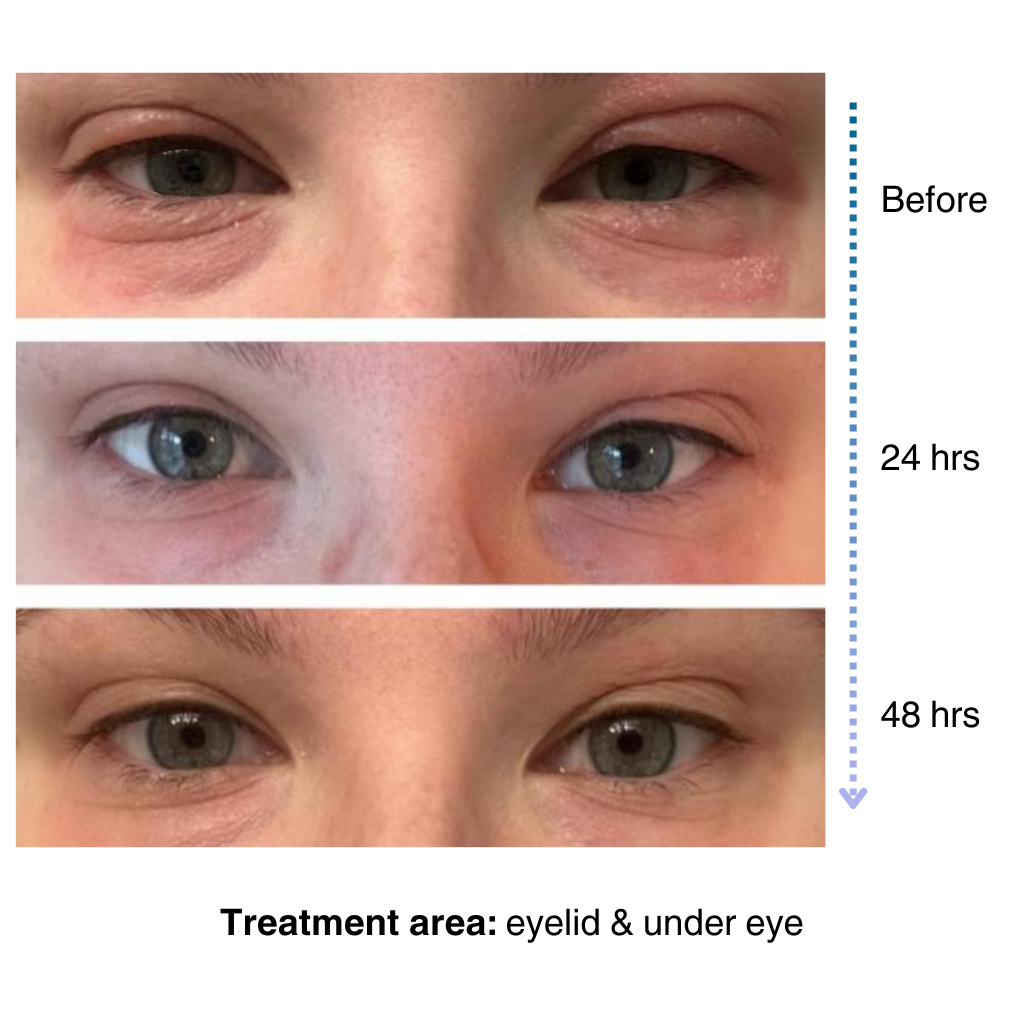
"...this is the best I've tried so far."

It’s easy to apply and isn’t chalky at all. I’ve been applying it multiple times a day… I’ve tried multiple new products to try and treat my eye eczema, and this is definitely the best I’ve tried so far.

"Game-changer for my son's eczema"

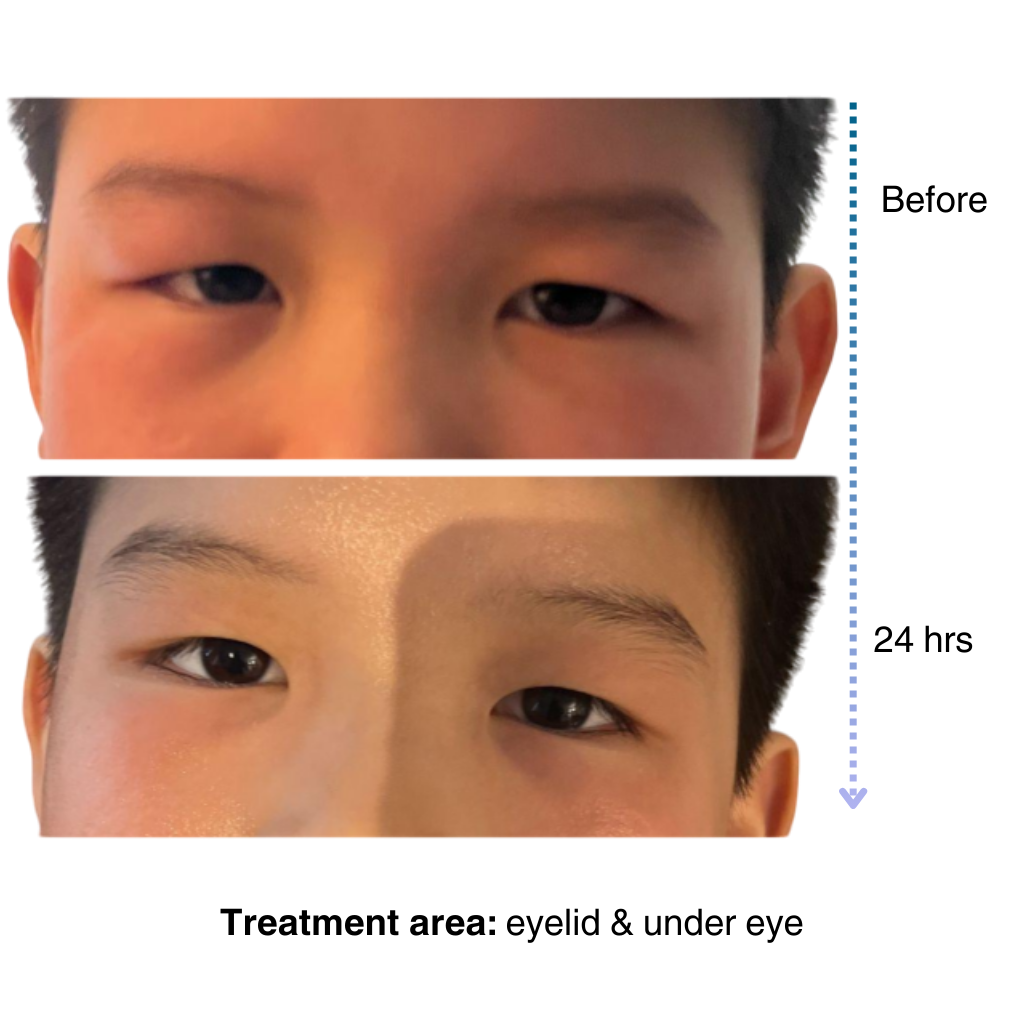
My 7-year old son has been dealing with eczema on his face for a long time, and it’s been so tough to find something that really works…..I’m amazed by the results! Within one day, the redness and rough patches on his face significantly improved…. he doesn’t mind using it at all because it doesn’t sting or feel greasy. – Lily
Newsletter Signup

Like many of you, our eczema journey is personal. That’s why we’re committed to creating a space for the eczema community to share experiences, be empowered through evidence-based solutions, and learn practical tips for daily life.  

– Sajjad, Founder & CEO of NellaDerm

Eczema treatment
Shopping Cart