Eczema in Athletes: Sweat & Gear Survival Tips

​​Running and cycling are good for your heart, head, and sleep, but the combo of sweat, heat, friction, and tight layers can spark flares in predictable places: eyelids under helmets and sunglasses, neck and elbows, sports-bra bands and shoulder straps, inner thighs, and the saddle region. Add frequent hand hygiene and “performance” laundry products and it is easy to see why eczema in athletes can boomerang after otherwise great sessions. The goal here is simple: keep training volume high while keeping itch, sting, and post-workout rash low.


Research snapshot: Sweat is a well-known aggravator of atopic dermatitis. A landmark study in NIH identified MGL_1304, a protein from Malassezia found in sweat, as an allergen that can trigger histamine release in many people with AD, which is one reason sweat-soaked gear can set off intense itch.
eczema in athletes

The Essentials In One Minute

  • Cool then seal. Any time you heat up: quick water rinse or clean damp cloth, pat to damp, then moisturize within three minutes.
  • Pick glide fabrics and right fit. Breathable knits, smooth seams, and not-too-tight compression reduce friction and occlusion.
  • Laundry for athletes matters. Fragrance-free liquid detergent, smallest effective dose, extra rinse, and skip softeners. See the full settings in Laundry Lessons: How Detergent Decisions Influence Eczema Irritation
  • Sun protection that does not sting. Mineral, zinc-based sunscreen on face and hot spots; press to spread over moisturizer. Details here: Sunscreen Success: Powerful Protection for Eczema‑Prone Skin.
  • One reliable base cream. If you want a single steroid-free option that plays well under gear and sunscreen, keep a tube of NellaCalm Steroid-Free Eczema Cream in your gym bag.

Why Athletes Flare: Sweat, Heat, Friction, And Occlusion

  • Sweat: On compromised skin, sweat components and sweat-associated allergens can spike itch and delay barrier recovery. That is why a mid-session rinse or cloth wipe followed by a light moisturizer makes such a difference.
  • Heat: Higher temperatures increase transepidermal water loss and itch; warm-weather sessions often feel “itchier at the same pace.” 
  • Friction: Repetitive rubbing at seams, straps, and saddle contact points makes micro-cracks that sting with salt.
  • Occlusion: Tight compression can trap sweat and heat. Some compression fabrics also carry finishes or dyes that, in a minority of people, trigger textile contact dermatitis—usually from chemicals used in the fabric or finish, not the fibers themselves.

Compression Gear: Getting The Benefits Without The Rash

Compression sleeves, shorts, bibs, and socks can help performance and recovery, but only when they breathe and glide.


Fit and fabric

  • Aim for supportive, not strangling. You should slide a finger under bands without denting skin.
  • Prefer smooth, technical knits with mesh panels over slick coatings that trap heat.
  • Test new pieces on short sessions first; rashes often appear where bands end (edges concentrate pressure and sweat).

Hidden culprits

  • Dyes, resins, and biocides used in some textiles or their finishes can cause allergic contact dermatitis for a small subset of people. In case reports, even compression stockings have caused reactions to specific preservatives (for example, octylisothiazolinone); patch testing with your own garments can identify the culprit if you keep flaring in the same spots. 

Pro moves

  • Wash new gear twice before first wear.
  • Rotate sets, because yesterday’s salt-stiff seams rub more.
  • Add a soft, seamless base layer under vests or straps that always irritate.

Pre-Workout: A Five-Minute Routine That Prevents Half Your Problems

  1. Lukewarm rinse if you trained recently or used hair products, because residue plus sweat equals sting.
  2. Pat to slightly damp and moisturize within three minutes on known hot spots (neck, inner elbows, under bands). A thin layer of NellaCalm gives glide without heavy residue.
  3. Sunscreen on exposed areas (zinc-based on face, eyelids, and any active patches).
  4. Dress for airflow and glide: breathable top, smooth shorts or bibs, and socks that wick.
  5. Pack your pocket kit: travel moisturizer, soft cloth, mineral sunscreen stick, and a spare base layer or jersey.

During The Session: Micro-Resets That Keep You Moving

  • Blot, do not rub. Use your soft cloth on face, neck, and where straps hit.
  • Sweat checkpoint: at halfway or during a long climb, take a 60-second cool-down, blot, then apply a thin re-seal on your worst area.
  • Hands: if you sanitize at water stops, apply a pea-sized amount of moisturizer after drying to keep grip and prevent cracks.
  • Adjust the route or timing: shade, earlier starts, or lower-traffic routes (less pollution) can drop itch noticeably on high-heat days.

Post-Workout: The Three-Step Reset

  1. Rinse promptly, lukewarm. Use a fragrance-free syndet cleanser only where needed (saltiest spots).
  2. Pat to damp—no hard towel rubbing.
  3. Moisturize within three minutes neck-to-toes; add your prescription on hot spots if your clinician directs it.

Then drop gear straight in the wash (fragrance-free liquid, smallest effective dose, extra rinse, skip softeners). Residue left in fabric is a common reason “the rash is back” after a great week.


Cycling-Specific Tips: Chamois, Saddle, And Jerseys

  • Chamois choice: prioritize ventilated, quick-dry pads; bulk is not always better.
  • Chamois creams: many are fragranced or contain potential allergens. Patch test on the inner forearm for 48–72 hours before a long ride.
  • Petroleum vs creams: heavy ointments can increase maceration under occlusion; thin, breathable creams usually play nicer on long rides.
  • Saddle zone: if you are prone to folliculitis or eczema in the saddle area, change out of kit immediately post-ride, shower, and re-seal. Persistent, tender bumps suggest bacterial folliculitis or friction sores which are different from eczema and may need a different strategy.
  • Jersey and straps: place a soft base under chest straps or pack harnesses; widen load with better strap padding to reduce hot lines of friction.

Running-Specific Tips: Heat Management And Bra-Band Fixes

  • Route and timing: pick shaded, breezy loops when possible; heat spikes increase itch. 
  • Thigh and underarm glide: smooth fabrics and flat seams beat powders in heat. If you use anti-chafe sticks, avoid fragrance; patch test first.
  • Sports-bra bands: look for brushed, wide bands that distribute pressure; rotate bras so elastics recover and seams stay smooth.
  • Socks: fine merino or technical synthetics with toe socks for moisture between toes; avoid cotton that holds sweat.

Hands, Wrist Computers, And Tape

  • Watches and HR straps: rinse skin and devices after salty sessions; dry fully. If the watch rash keeps returning, consider a hypoallergenic band and clean under the sensor regularly.
  • Kinesio and athletic tapes: if adhesive irritates, ask about silicone-based options or apply a thin layer of moisturizer first (let it absorb) before taping edges, not the whole anchor area, to reduce friction.

When It Is Not “Just Eczema”

  • Sudden, bright red squares under a single piece of kit point to contact dermatitis from a finish, dye, rubber accelerator, adhesive, or topical. Patch testing, sometimes with pieces of your gear, can end the cycle. 
  • Painful follicular bumps in the saddle or bra area may be folliculitis.
  • Crusted, honey-colored ooze suggests impetiginization and needs medical care.

A Two-Week Training Plan For Calmer Skin

Week 1: Build your prevention loop

  • Pre-session: rinse, pat, thin moisturizer on hot spots, sunscreen, and dress for glide.
  • Mid-session: one cool–blot–re-seal break.
  • Post-session: rinse, pat to damp, moisturize within three minutes, and transfer gear to laundry (fragrance-free, extra rinse).
  • Track nightly itch 0–10, sleep interruptions, and which pieces of kit you wore.

Week 2: Tune the variables

  • If itch remains high, move sessions earlier, shorten intervals, and add shade routes.
  • Swap any one piece of gear that leaves red grooves (too tight) or feels plasticky (traps heat).
  • If one brand’s kit flares you repeatedly, wash twice and try a different fabric; if the reaction persists, keep a swatch for future patch testing.
  • Keep notes; bring them to your clinician if flares persist.

Troubleshooting Quick Hits

“My face and eyelids burn when I sweat through sunscreen.”
Apply a thin moisturizer first, wait a minute, then use zinc-based mineral sunscreen and wear a cap or glasses. Press to spread rather than rubbing.


“Inner elbows and behind knees itch 10 minutes into every run.”
Those are high-sweat flexures. Pre-coat, and plan a mid-run blot and re-seal. Swap to smoother, lighter sleeves or shorts.


“Gloves make my hands peel.”
Wash gloves often, switch to smoother liners, moisturize right after drying hands, and consider accelerant-free elastics or alternative materials if patch testing points to rubber allergens.


“Compression sleeves help performance but leave itchy bands.”
Try a size up or a brand with wider, brushed cuffs; place a thin base layer under the edge; make sure detergent residue is not the culprit.


What To Ask Your Dermatology Team

  • “Do my flares look more atopic or contact? Should I get patch testing, and can we include textile dyes/finishes and samples of my gear?” 
  • “What is the best rescue plan for race week if a plaque flares?”
  • “Are there non-steroidal options for maintenance on my worst training zones?”
  • “Can we review my laundry and sunscreen routine to make sure I am not sabotaging my skin?”

Bring a one-page summary from your training log with photos of the worst areas; it makes adjustments fast and targeted.


Final Thoughts

Training does not have to be a tradeoff between fitness and comfort. For eczema in athletes, routine beats improvisation: cool then seal, choose breathable glide fabrics, treat compression as a tool not a tourniquet, and make laundry your ally. Keep a small kit in your bag and use the two-week plan to tune gear and routes. If flares cluster under a single band or fabric, consider patch testing so you are no longer guessing. With a few adjustments, your skin can keep pace with your goals on the track, the road, and the trail.

FAQs

Does sweating always make eczema worse?
Not always—but for many, sweat is a top trigger. Rinsing or blotting and re-sealing quickly reduces the itch spiral. Mechanistically, sweat-associated allergens like MGL_1304 can drive histamine release in AD.


Are “seamless” compression pieces better?
Often yes. Fewer seams = fewer hot friction lines. You still need breathable fabric and the right size.


Should I skip ointments under tight gear?
Heavy occlusives can macerate skin during long, hot efforts. Use thin creams pre-session and save thicker ointments for post-shower recovery unless your clinician advises otherwise.


Can I still race if a patch flares the day before?
Ask your clinician about a short, targeted rescue plan. You can still compete with a calm-down protocol and smart dressing and taping.

Explore the Eczema Knowledge Hub

Your go-to resource for flare-up relief, skincare tips, and science-backed advice.

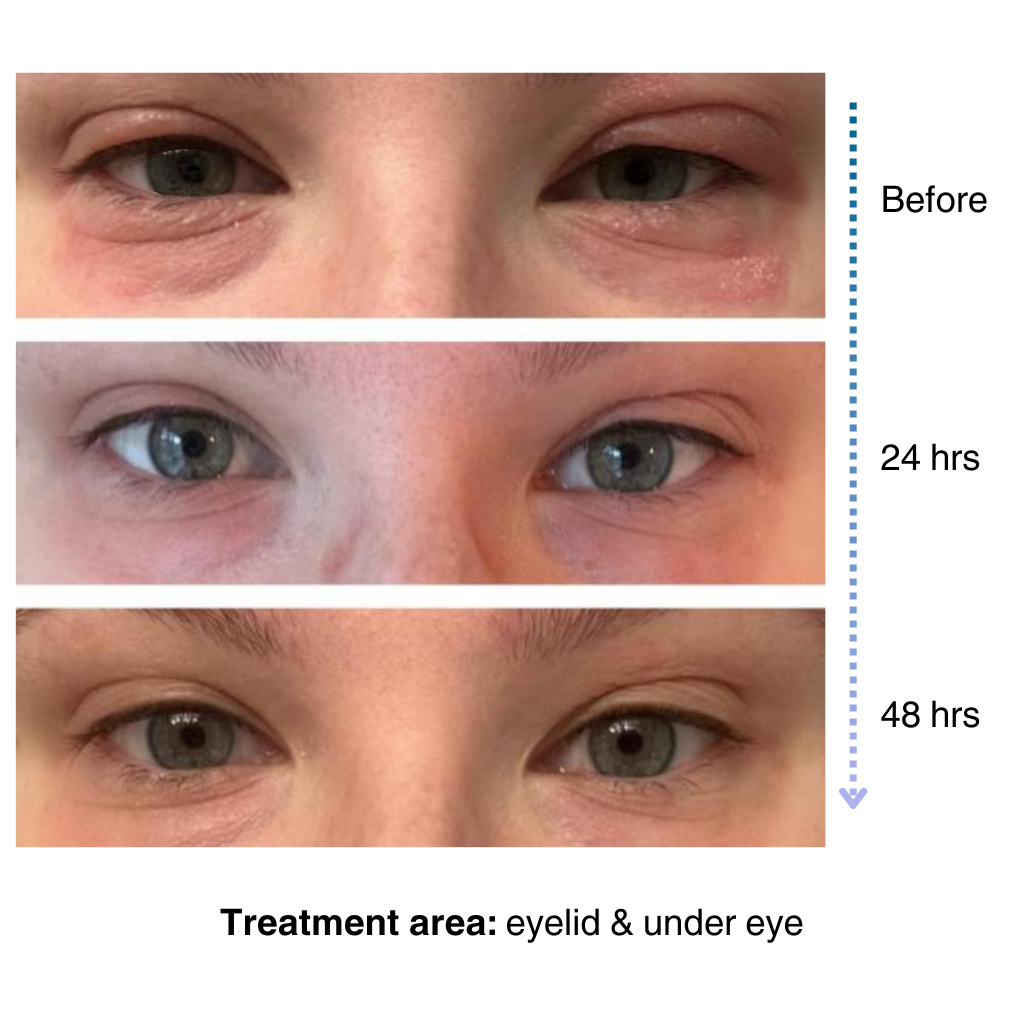
"...this is the best I've tried so far."

It’s easy to apply and isn’t chalky at all. I’ve been applying it multiple times a day… I’ve tried multiple new products to try and treat my eye eczema, and this is definitely the best I’ve tried so far.

"Game-changer for my son's eczema"

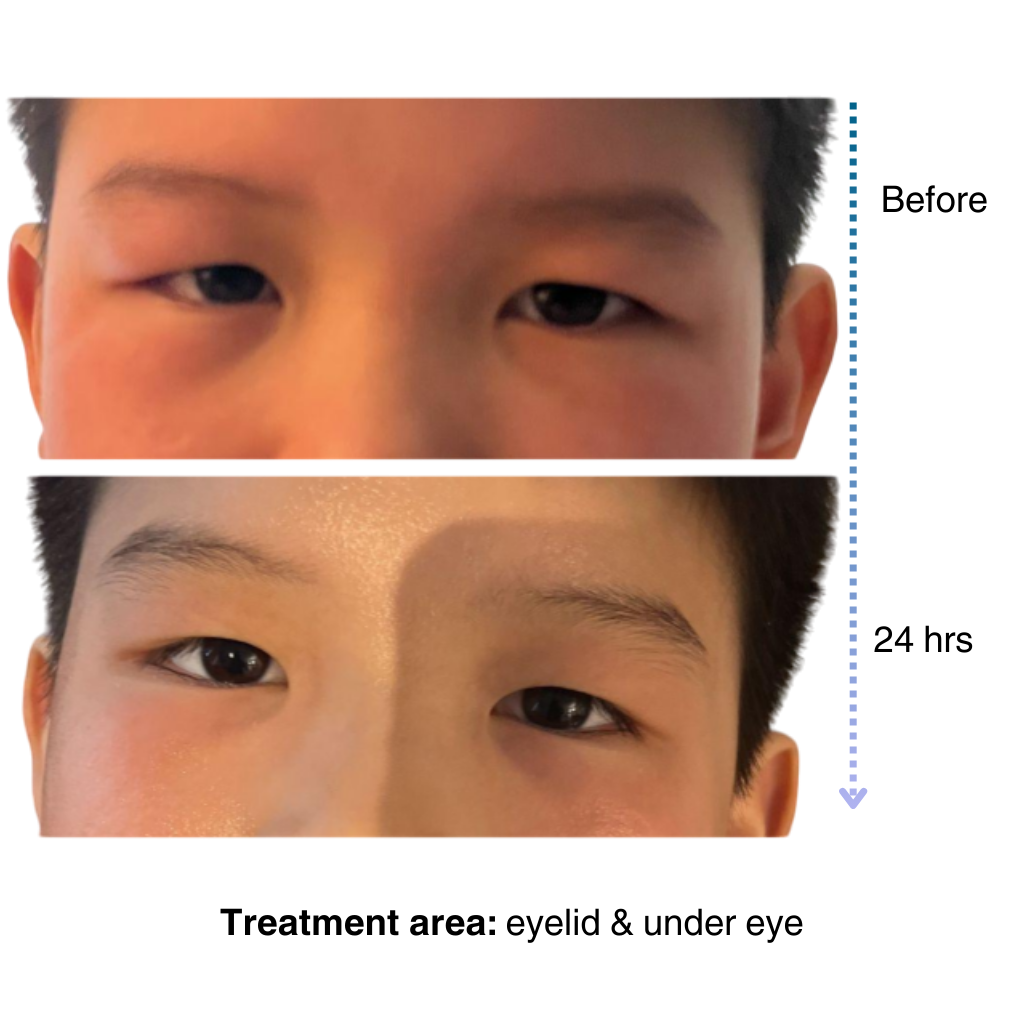
My 7-year old son has been dealing with eczema on his face for a long time, and it’s been so tough to find something that really works…..I’m amazed by the results! Within one day, the redness and rough patches on his face significantly improved…. he doesn’t mind using it at all because it doesn’t sting or feel greasy. – Lily
Newsletter Signup

Like many of you, our eczema journey is personal. That’s why we’re committed to creating a space for the eczema community to share experiences, be empowered through evidence-based solutions, and learn practical tips for daily life.  

– Sajjad, Founder & CEO of NellaDerm

Eczema treatment
Shopping Cart