Eczema on Dark Skin: Key Symptoms and Treatment Tips

Many people search symptoms and see photos that do not look like them. On deeper complexions, eczema on dark skin can appear gray, purple, or red-brown rather than bright red. It can feel intensely itchy, become thick and scaly with repeated rubbing, and leave behind long-lasting dark or light marks even after the inflammation is gone. If your rash does not match what you see online, it is easy to doubt yourself or get the wrong advice.


This guide shows how eczema presents on darker skin tones, how to capture useful photos for appointments, what treatments to prioritize, and how to avoid the pigment problems that make recovery feel slow.


Clinicians note that erythema can be harder to appreciate on darker skin, eczema may present as papular or follicular bumps instead of classic patches, and post-inflammatory pigment changes are common—key reasons diagnosis and severity scoring can be tricky without training. A recent review from NIH summarizes these differences and offers care tips for patients with skin of color.

eczema on dark skin

The Essentials In One Minute

  • Look beyond “red.” On darker skin, active eczema may look violet, gray, or deep brown, with papular or follicular bumps and obvious itch lines from scratching.
  • Photograph flares in indirect daylight and describe the itch and texture at visits; do not rely on redness alone.
  • Treat fast and seal water in. Short lukewarm showers, fragrance-free cleanser only where needed, and moisturize within three minutes after bathing.
  • Use pigment-safe anti-inflammatories. Right potency steroid for the site and duration, plus non-steroidal options on the face and skin folds to protect color and texture.
  • Prevent pigment changes. Daily mineral sunscreen, gentle brighteners like niacinamide or azelaic acid when skin is calm, and zero picking or scrubbing.
  • Laundry matters. Fragrance-free liquid detergent, smallest effective dose, extra rinse, and skip softeners.

If you want a simple, steroid-free base that layers well under sunscreen, consider NellaCalm Steroid-Free Eczema Cream.


What Eczema Looks Like On Darker Skin

Color and pattern

  • Color shift: Instead of obvious red, active plaques can appear violet, slate-gray, ashen, or red-brown.
  • Papular and follicular variants: Small, very itchy bumps clustered around hair follicles are more common in eczema on dark skin, especially on the chest, back, arms, and thighs. Scratching makes them feel like “sandpaper.”
  • Lichenification: Thickened, accentuated skin lines develop quickly where rubbing repeats like the wrists, ankles, neck, and the creases of elbows and knees.
  • Dyspigmentation: After a flare, the area may turn darker (hyperpigmentation) or lighter (hypopigmentation). These changes can take weeks to months to fade even when the eczema is quiet.

Where it shows up

  • Face and eyelids: Look for itch, scale, and color change, not just redness.
  • Neck and scalp edges: Friction from collars, scarves, and hairstyles can amplify flares.
  • Hands and feet: Thick skin and frequent washing or sweat make cracks and darkening common.

How To Photograph Flares So Your Clinician Can Help Faster

  • Lighting: Stand near a window with indirect daylight. Avoid yellow bathroom light which can hide color.
  • Angles: Take one overall photo and a close-up at the same distance each time.
  • Consistency: Use the same spot and distance for weekly check-ins; place a small card or coin in the frame for scale.
  • Texture cue: If color is subtle, lightly tilt the camera or add soft side light to reveal scale and thickening.

Bring 3–4 representative photos to appointments along with a short note on itch (0–10), sleep disruption, and what changed (new laundry, hair products, weather, stress). That context matters as much as the image.


Treatment Priorities For Eczema On Dark Skin

1) Daily routine that protects color and barrier

  • Bathing: 5–10 minutes, lukewarm. Use a fragrance-free syndet cleanser on sweaty or soiled areas only.
  • Seal water in: Moisturize within three minutes after bathing to trap clean water in the stratum corneum.
  • Choose textures that glide: Creams and ointments help on body plaques; lighter lotions may be better under clothing in warm climates to reduce sweat and friction.

2) Anti-inflammatories without avoidable pigment risk

  • Topical steroids: Right drug, right place, right time. Use low potency around eyes and face, medium for most body areas, and short, targeted courses on thicker skin like hands. Overuse can cause hypopigmentation or skin thinning, especially on the face.
  • Non-steroidal options: Calcineurin inhibitors (tacrolimus, pimecrolimus) and PDE4 or JAK inhibitors in appropriate patients help quell inflammation on sensitive sites without steroid-related color change.
  • Wet wraps: Short, evening wet-wrap sessions calm hot plaques while improving moisturizer penetration, which is useful during weather swings or stress spikes.

3) Pigment-aware add-ons (only when skin is calm)

  • Niacinamide 4–5% or azelaic acid can gently support tone evenness; they should not sting on healed skin.
  • Mineral sunscreen (zinc or zinc-titanium) daily on exposed areas to prevent dark spots from deepening. Tinted mineral formulas help blend on deeper tones.

Reviews emphasize that recognizing non-red presentations, common papular/follicular patterns, and the high burden of pigmentary sequelae is key to tailoring therapy in eczema on dark skin. Bringing objective photos plus symptom data helps clinicians right-size steroid potency, lean on non-steroid options in sensitive zones, and plan pigment-safe maintenance. 


Avoid These Common Pitfalls

  • Chasing redness: If you wait for bright red to treat, you will miss active disease. Go by itch, texture, and color change.
  • Scrubbing and strong exfoliants: Grits and peels inflame and darken; they never fix scale from eczema.
  • Fragrance in anything: Cleansers, body sprays, laundry products, and hair stylers often drive low-grade flares on the neck and jawline.
  • Harsh “brightening” routines during flares: Hydroquinone, high-dose vitamin C, strong retinoids, and peels belong only on healed skin under a clinician’s plan.
  • Skipping sunscreen: UV deepens hyperpigmentation and slows fade time—daily mineral SPF protects your progress.

For a deep dive on pigment care, see Eczema Treatment for Dark Skin: Tailored Care for Melanin-Rich Skin Tones.


Hair, Scalp, And Cultural Care Considerations

  • Scalp edges and forehead: Sweat, gels, pomades, and lace/wig adhesives can irritate the hairline. If flares cluster here, simplify stylers, cleanse residue after workouts, and moisturize the edges thinly.
  • Protective styles: If adhesives or tension irritate, speak with your stylist about low-tension installs, silicone-based removers, and breaks between installs so skin can recover.
  • Shampoo rhythm: Many do best with a gentle, less-frequent shampoo schedule and a scalp-safe anti-inflammatory (as prescribed) during active weeks.

For more information on scalp eczema, read Eczema on the Scalp: Is It Dandruff, Psoriasis, or Eczema?


Clothing, Sweat, And Laundry That Respect Your Skin

  • Fabrics: Soft knits and smooth athletic fabrics that wick are better than scratchy textures.
  • Fit: Avoid tight elastics at flexures; friction and sweat fuel both flares and dark marks.
  • Laundry: Use fragrance-free liquid detergent, smallest effective dose, and an extra rinse; skip softeners and scent boosters that leave residue.

A Two-Week Plan Tailored For Darker Skin Tones

Days 1–3: Reset and document

  • Simplify to fragrance-free cleanser and moisturizer.
  • Photograph two representative areas in indirect daylight (overall plus close-up).
  • Moisturize AM and PM and after any rinse within three minutes.
  • If you have a prescription plan, follow it exactly for hot plaques.

Days 4–7: Add protection and friction control

  • Start daily mineral sunscreen on face, neck, and any area with hyperpigmentation.
  • Choose breathable clothing, reduce rubbing from bands and collars, and keep nails short.
  • Night routine: a pea-size of NellaCalm on stubborn patches; cotton sleepwear and smooth sheets.

Days 8–14: Maintain calm and begin tone repair

  • If itch is down and plaques are flat, continue your base routine and do not over-treat.
  • Introduce niacinamide or azelaic acid three evenings a week to areas of leftover darkening—only if completely healed.
  • Keep a simple log of itch (0–10), sleep, and triggers (sweat, stress, new product). Bring this plus photos to your next appointment.

When To Call Your Dermatology Team

  • You are not improving after two to four weeks of consistent routine and the right-potency medications.
  • You notice honey-colored crust, warmth, or swelling that suggests infection.
  • Dark or light marks do not budge after six to eight weeks of calm skin and sun protection.
  • You suspect contact allergy (for example, to fragrance, hair products, or adhesives). Patch testing can end the guesswork and speed control.

Final Thoughts

Eczema on dark skin follows the same biology but looks different and the pigment after-effects can linger. Focus on the sensations you feel and the textures you see, not just redness. Photograph flares well, treat inflammation early with pigment-aware choices, and protect healing skin from sun and friction so color normalizes faster. Small, consistent habits like short showers, moisturize within three minutes, and fragrance-free everything, build the foundation. Add non-steroidal options and gentle brighteners strategically, and work with your clinician if progress stalls. With a tailored plan, your skin can be calm and your tone even again.

FAQs

How long do dark marks last after a flare?
Weeks to months depending on depth and UV exposure. Daily mineral sunscreen and avoiding friction are your biggest wins. Gentle brighteners can help once skin is fully healed.


Do treatments differ by skin tone?
Core therapies are similar, but how we use them changes: tighter control of friction and sweat, careful steroid potency and duration on the face, and earlier use of non-steroid options to protect texture and color. 


What if my patches never look red?
That is common in eczema on dark skin. Track itch, texture, and color change and show photos taken in good light; your clinician will not rely on redness alone. 


Can sunscreen make hyperpigmentation worse?
Fragranced or stinging formulas can inflame and darken skin. Use fragrance-free mineral sunscreen and apply over moisturizer with a press-to-spread method.

Explore the Eczema Knowledge Hub

Your go-to resource for flare-up relief, skincare tips, and science-backed advice.

"...this is the best I've tried so far."

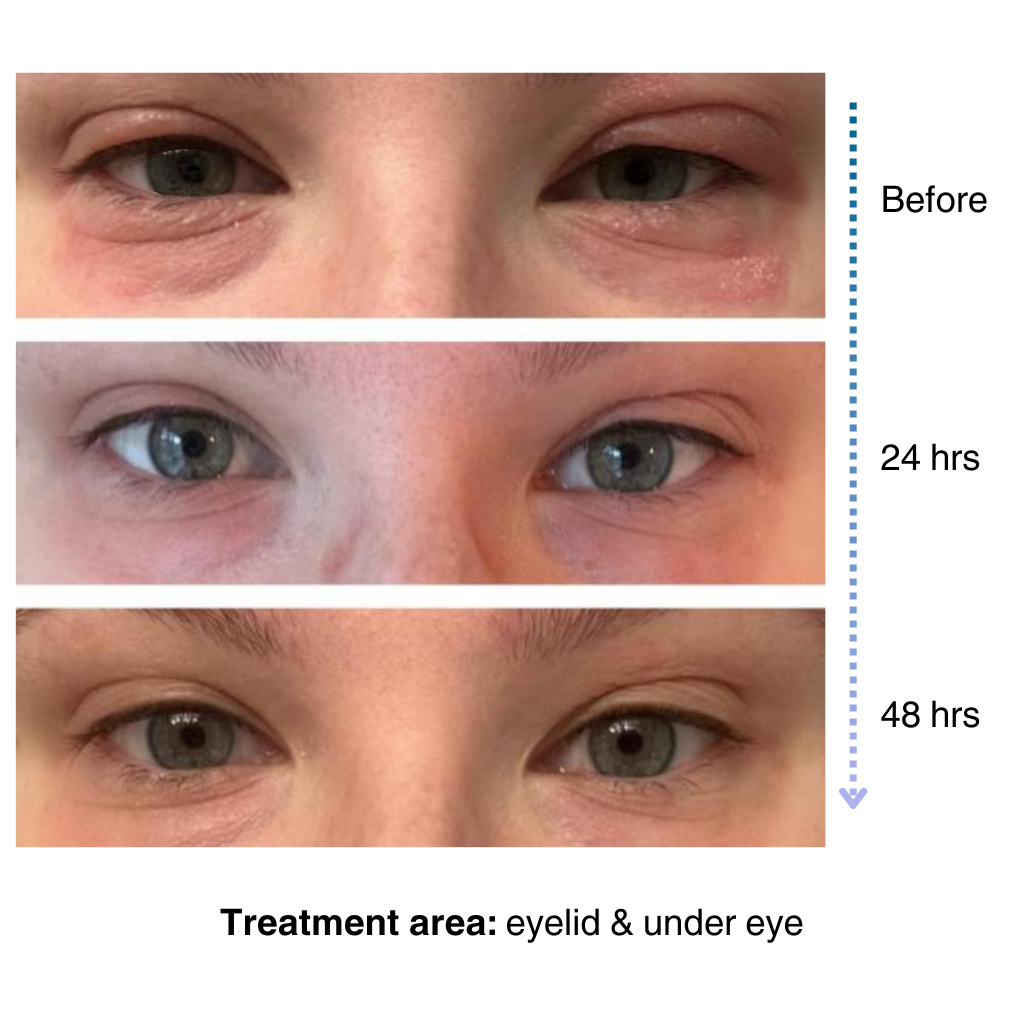
It’s easy to apply and isn’t chalky at all. I’ve been applying it multiple times a day… I’ve tried multiple new products to try and treat my eye eczema, and this is definitely the best I’ve tried so far.

"Game-changer for my son's eczema"

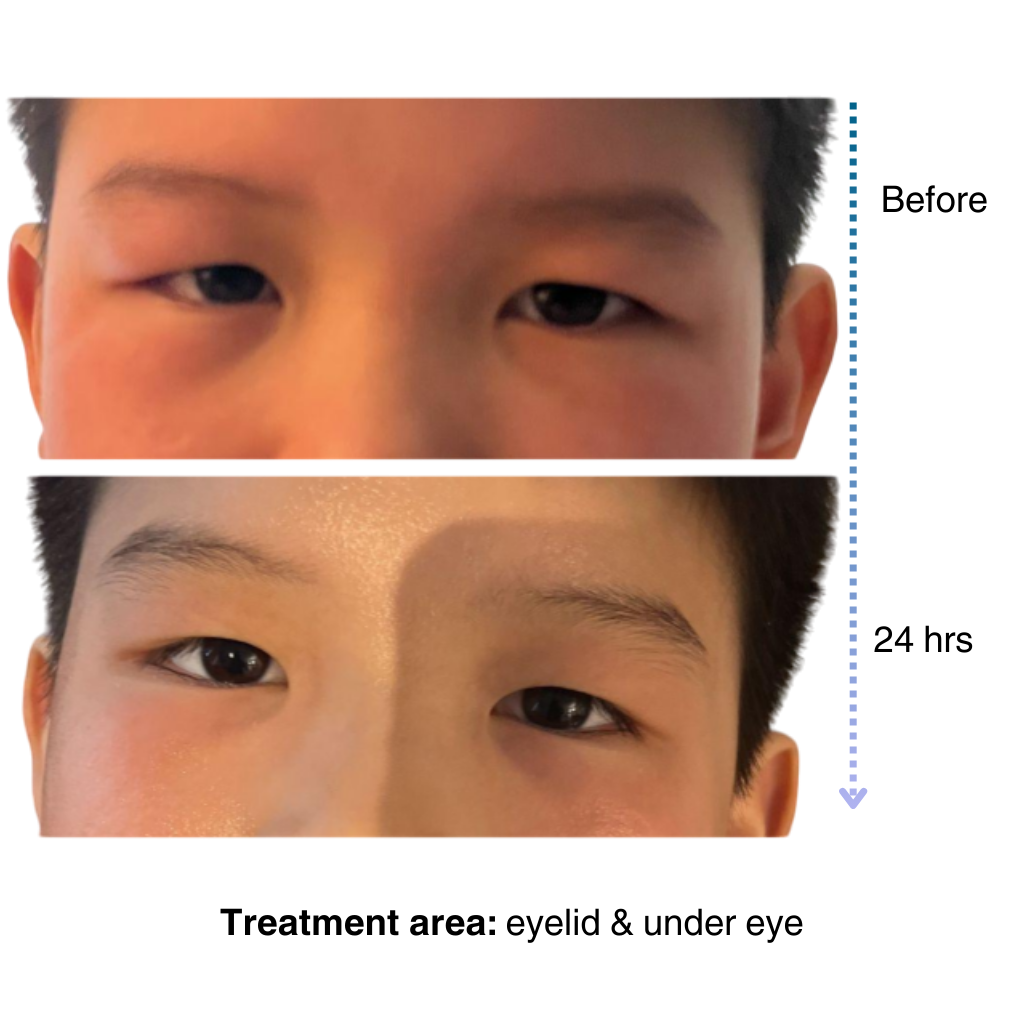
My 7-year old son has been dealing with eczema on his face for a long time, and it’s been so tough to find something that really works…..I’m amazed by the results! Within one day, the redness and rough patches on his face significantly improved…. he doesn’t mind using it at all because it doesn’t sting or feel greasy. – Lily
Newsletter Signup

Like many of you, our eczema journey is personal. That’s why we’re committed to creating a space for the eczema community to share experiences, be empowered through evidence-based solutions, and learn practical tips for daily life.  

– Sajjad, Founder & CEO of NellaDerm

Eczema treatment
Shopping Cart