Eczema and Pregnancy: What Helps Safely

Hormones, heat, sweat, and sleep changes can all push skin off balance. For many, eczema and pregnancy will either calm down or flare—sometimes both in different trimesters. The goal here is a clear, copy-and-paste plan for what you can use, what to avoid, and how to set up nursery and postpartum routines that keep the barrier steady without compromising safety.


Large cohort and review data in Cochrane Library show topical corticosteroids are generally safe in pregnancy; caution mainly applies to high cumulative doses of potent or very potent steroids because of a possible association with lower birth weight. Narrowband UVB phototherapy is widely considered safe in pregnancy and breastfeeding (though long courses can reduce folate, so supplementation is reasonable). For itch control, second-generation antihistamines like cetirizine and loratadine are commonly recommended when needed. Emerging reviews suggest dupilumab has not shown clear pregnancy safety signals, but decisions should be individualized with your dermatology and obstetrics teams.

eczema and pregnancy

The Essentials In One Minute

  • Build your day around short lukewarm showers and moisturizer within three minutes to trap water in the barrier.
  • For most flares, low- to mid-potency topical steroids for the shortest effective course are acceptable in pregnancy; reserve stronger products for localized, thick skin and under clinician guidance.
  • If face, folds, or eyelids are sensitive to steroids, ask about topical calcineurin inhibitors; systemic absorption is minimal and many expert sources consider them reasonable when indicated (specialist guidance advised). 
  • Narrowband UVB helps moderate to severe disease when creams are not enough; discuss folate with your prenatal clinician if phototherapy is prolonged.
  • Avoid (or get specialist OK before using): oral JAK inhibitors (contraindicated), methotrexate, mycophenolate, and oral retinoids; avoid topical retinoids too. 
  • Keep an eye on triggers you can control: fragrance, tight elastics, sweaty layers, and harsh detergents.

If you want a single steroid-free base that layers well morning and night, keep a tube of NellaCalm Steroid-Free Eczema Cream at the sink and in your bag.


Trimester-By-Trimester Guide

First Trimester: Set The Foundation

  • Simplify products to fragrance-free cleanser and moisturizer. Patch test anything new on the inner forearm for 48–72 hours.
  • Targeted steroids: low- to mid-potency for short bursts on hot plaques; avoid chronic daily use of high-potency products unless your clinician directs it. 
  • Phototherapy can start even now if disease is moderate; ask about folate, since long NB-UVB courses can lower serum folate levels. 
  • Itch control: discuss cetirizine or loratadine as needed; your OB may prefer chlorpheniramine first, with second-generation agents after first trimester if necessary.

Second Trimester: Tune And Prevent

  • Add scheduled moisturization (AM/PM and after rinsing).
  • If eyelids or folds flare, ask about tacrolimus/pimecrolimus as steroid-sparing options under dermatologist guidance.
  • Consider NB-UVB if you are using too much steroid to cope. It is pregnancy- and lactation-compatible; just mind folate and melasma risk on the face. 

Third Trimester: Comfort And Postpartum Prep

  • Heat, swelling, and friction rise now. Choose breathable layers and pre-moisturize areas under bands and seams.
  • Set up your postpartum hand-care station (moisturizer next to every sink) to counter the spike in handwashing.

What Is Safe (And What To Skip)

Usually safe with routine use

  • Moisturizers/emollients (fragrance-free).
  • Low-/mid-potency topical corticosteroids for short courses; avoid prolonged, high-dose very potent steroids.
  • Topical calcineurin inhibitors when indicated on sensitive sites, with specialist advice. 
  • Narrowband UVB phototherapy, with folate awareness during longer courses. 
  • Second-generation antihistamines for troublesome itch after OB approval. 

Use only with specialist guidance

  • Systemic steroids (short rescue tapers for severe flares). 
  • Biologics such as dupilumab when disease is severe and alternatives fail; current reviews and registries are reassuring but still evolving. 

Avoid

  • Oral JAK inhibitors (upadacitinib, abrocitinib, baricitinib) contraindicated in pregnancy and breastfeeding. 
  • Methotrexate, mycophenolate, oral retinoids (teratogenic). 
  • Topical retinoids unless your clinician explicitly approves an exception.

Everyday Routine For Eczema And Pregnancy

AM

  1. Short lukewarm rinse.
  2. Seal within three minutes with a cream or ointment.
  3. Mineral sunscreen on exposed areas; press to spread to reduce sting. For texture and patch-testing tips, see: Patch Testing for Eczema: Spot Hidden Irritants

Midday

  • Keep a travel-size moisturizer; apply a rice-grain amount after hand drying.

PM

  1. Rinse sweat and residue.
  2. Moisturize; apply your prescription only to active plaques (thin layer).
  3. Soft sleepwear; consider a bedside humidifier if air is dry.

Laundry can make or break control during eczema and pregnancy. Use fragrance-free liquid detergent, smallest effective dose, and an extra rinse; skip softeners and scent beads that leave residue. Details: Laundry Lessons: How Detergent Decisions Influence Eczema Irritation.


Baby Prep That Helps And What Not To Do

  • Keep the nursery fragrance-free. Detergents, room sprays, and scented diffusers add constant exposure without benefit.
  • Wash baby textiles (onesies, swaddles, sheets) with the same fragrance-free liquid plus extra rinse to avoid residue against your skin during feeds and cuddles.
  • Do not rely on emollients to prevent eczema in your future newborn. Large randomized trials (BEEP) from the University of Nottingham found no reduction in infant eczema from daily emollient use from birth; still use moisturizers to treat dry skin, but not as a prevention program. 
  • Probiotics? Research is mixed; some meta-analyses suggest a reduced infant eczema risk with maternal or infant probiotics, but optimal strains and dosing remain uncertain, so most guidelines stop short of universal recommendations. Discuss with your OB before starting. 

Postpartum Reality: Why Flares Happen And How To Prepare

Between night feeds, sweat, and constant handwashing, many notice postpartum flares of face, hands, and flexures.


Breastfeeding compatibility

  • Topical steroids: compatible. If used on the breast, apply after a feed and gently wipe off before the next feed. 
  • Topical tacrolimus/pimecrolimus: minimal systemic absorption and considered low risk in lactation; avoid infant contact with treated skin and wipe off if applied near the nipple. 
  • Phototherapy (NB-UVB): acceptable while breastfeeding. 
  • Oral JAK inhibitors: avoid during lactation.

Hand-care loop for newborn care

  • When hands are not visibly soiled, use emollient-containing sanitizer, then apply a pea-size of moisturizer to the backs of hands after drying. Wash with lukewarm water when needed, pat dry, and moisturize again. Put a pump next to every sink.

Sleep and stress

  • Build a 90-second “reset”: quick face rinse, pat to damp, thin moisturizer, breathe. It is small, but steady routines keep eczema and pregnancy from becoming “eczema and postpartum burnout.”

When To Ask About Patch Testing

If rashes localize to a single band, watch strap, eyelids, or hands and do not respond to standard care, allergic contact dermatitis may be layered on top of atopic eczema—very common in new parents using new products. Patch testing (including testing your own products) can end the mystery and simplify your routine.


Troubleshooting

“My face burns with everything in the first trimester.”
Simplify to one fragrance-free moisturizer. Apply over damp skin. Use mineral sunscreen and press to spread. If still reactive, ask about a short course of a mild steroid or a dermatologist-guided non-steroidal option for the face. 


“My hands crack from constant washing.”
Switch to sanitizer between necessary washes, lukewarm water for washes, and moisturize after every dry. Consider cotton liners under nitrile gloves for dish duty. 


“Heat makes my itch explode late in pregnancy.”
Time walks for cooler hours, wear breathable layers, and do a quick rinse-and-seal after activity. If widespread, ask about NB-UVB to reduce steroid load. 


“I have moderate to severe disease and nothing topical is controlling it.”
Discuss phototherapy first. If still severe, your specialists may review systemic options; early pregnancy data on dupilumab are reassuring but still limited, so shared decision-making is key. JAK inhibitors are off the table.


A Gentle Two-Week Reset You Can Start Today

Days 1–3: Calm and simplify

  • Fragrance-free cleanser only where needed; moisturize within three minutes after any rinse.
  • Treat hot plaques with a low-/mid-potency steroid as directed.
  • Cut fragrance from laundry; use extra rinse.

Days 4–7: Friction and sweat control

  • Pre-moisturize under bands and seams; switch to softer sleepwear.
  • If itch stays high, ask about cetirizine/loratadine with OB approval. 

Days 8–14: Add light or fine-tune meds

  • If still moderate, discuss NB-UVB with your dermatologist and folate with your OB. 
  • Photograph one or two target areas in the same light to track progress; bring notes to your visit.

Final Thoughts

With eczema and pregnancy, your best wins are boring and repeatable: short lukewarm showers, moisturize within three minutes, fragrance-free laundry, and targeted, evidence-based treatments. Low-/mid-potency topical steroids remain first-line; NB-UVB can step in when you need a steroid-sparing option; second-generation antihistamines can help itch with OB approval. Avoid JAK inhibitors, oral retinoids, and other teratogens. Set up the nursery and your sinks for gentle routines now, and you will glide through postpartum with calmer hands and fewer sleepless, itchy nights.

Frequently Asked Questions

Does pregnancy always worsen eczema?
No. Some improve, others flare. Plan for either and act early.


Can I use my prescription steroid on the belly or breasts?
Yes, with appropriate potency and duration from your clinician. If used on the breast, apply after feeding and wipe before the next feed. 


Is dupilumab an option if my disease is severe?
Discuss case-by-case. Current reviews and registries have not shown major safety signals but data remain limited; shared decision-making with dermatology and obstetrics is essential. 


What about JAK inhibitors?
Avoid during pregnancy and breastfeeding.

Explore the Eczema Knowledge Hub

Your go-to resource for flare-up relief, skincare tips, and science-backed advice.

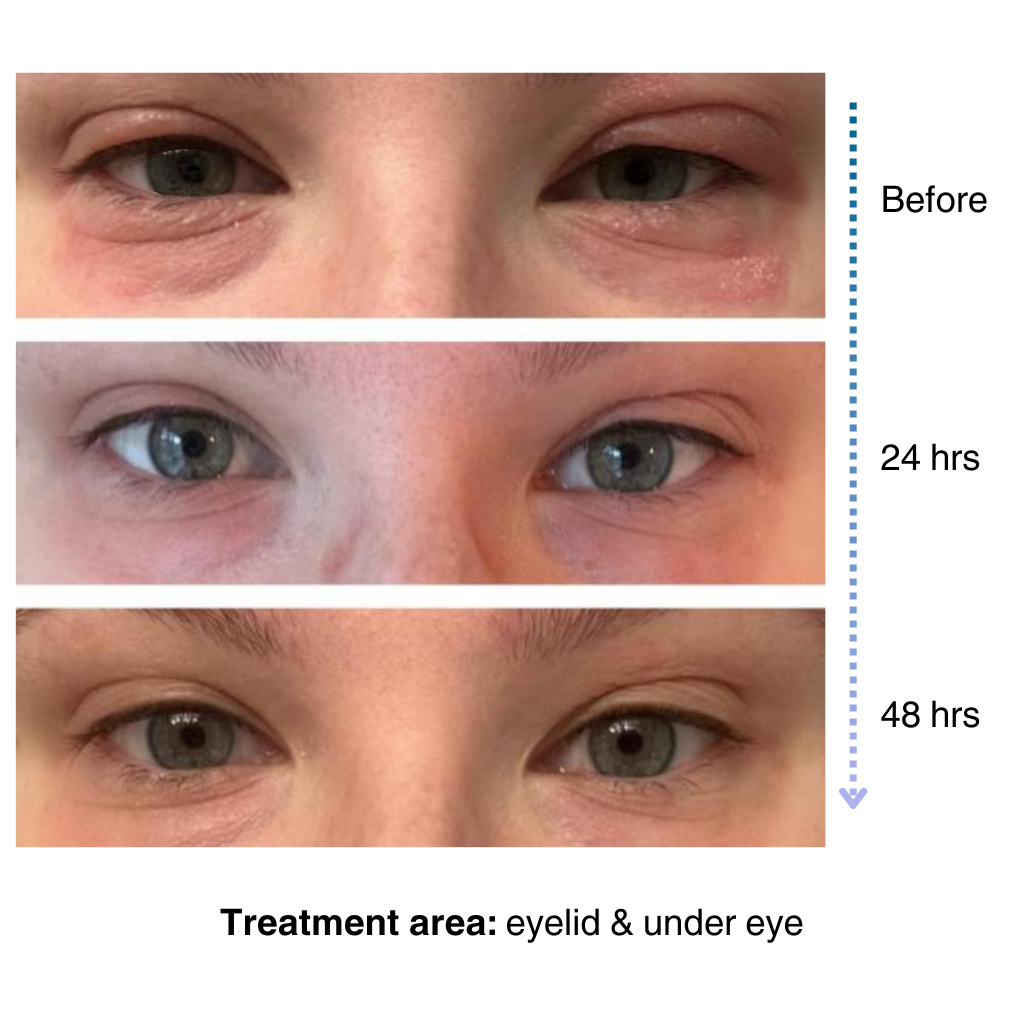
"...this is the best I've tried so far."

It’s easy to apply and isn’t chalky at all. I’ve been applying it multiple times a day… I’ve tried multiple new products to try and treat my eye eczema, and this is definitely the best I’ve tried so far.

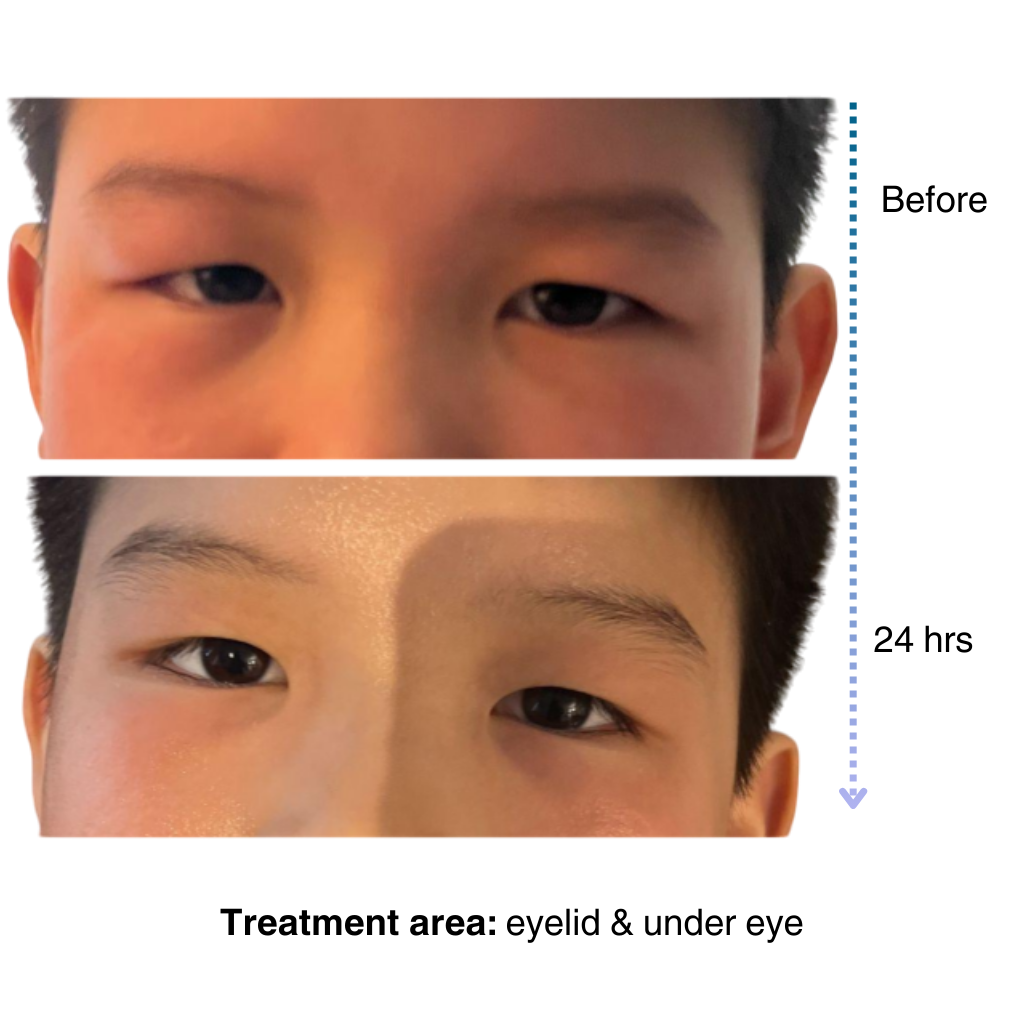
"Game-changer for my son's eczema"

My 7-year old son has been dealing with eczema on his face for a long time, and it’s been so tough to find something that really works…..I’m amazed by the results! Within one day, the redness and rough patches on his face significantly improved…. he doesn’t mind using it at all because it doesn’t sting or feel greasy. – Lily
Newsletter Signup

Like many of you, our eczema journey is personal. That’s why we’re committed to creating a space for the eczema community to share experiences, be empowered through evidence-based solutions, and learn practical tips for daily life.  

– Sajjad, Founder & CEO of NellaDerm

Eczema treatment
Shopping Cart