
Eczema concerns?
FREE
Get instant expert guidance with our smart AI platform.
Join NowCold plunges have gone from niche recovery ritual to mainstream wellness. For some, a 30–120 second dip feels calming and takes the edge off post-workout heat. For others with sensitive skin, a plunge is a fast track to tight, itchy patches and late-day sting. The truth is somewhere in the middle: short, well-planned cooling can help when heat and sweat are your triggers, but unbuffered cold exposure can stress the barrier and worsen dryness—two realities you have to balance if you are considering cold plunges for eczema. A 2022 prospective study in healthy volunteers found that water exposure and temperature changes measurably altered skin-barrier function and transepidermal water loss, underscoring why the how matters as much as the what.
If you want a simple barrier-first cream for post-plunge sealing, keep a tube of NellaCalm Steroid-Free Eczema Cream at the towel station.
On the skin barrier
Cold water plus evaporation can leave skin drier within minutes. Temperature swings change how water moves through the outer skin layers; studies in healthy skin show measurable shifts in barrier metrics (like transepidermal water loss) after water and temperature exposure. If your barrier is already leaky, sudden cold can tighten and sting—then itch rebounds as you rewarm.
On circulation and nerves
Cold constricts superficial blood vessels and alters nerve signaling, which some people feel as a short-lived “numbing calm.” That can help when your flares are heat-amplified or you struggle with post-workout itch. The same constriction, though, can aggravate Raynaud’s-type symptoms and make cracked skin throb once you come out.
On whole-body stress
Small studies and systematic reviews suggest time-dependent effects of cold-water immersion on stress, sleep, and some inflammatory markers in the general population, but designs are heterogeneous and the eczema population has not been studied directly. Think of plunges as adjacent wellness, not eczema treatment.
You might feel better with short, buffered dips if:
You should skip and talk to your clinician if:
If you and your clinician agree it is reasonable to test cold plunges for eczema, use this step-by-step plan the first time:
How you feel is the data. If you notice tightness, delayed itch, or new sting as you rewarm, cold plunges likely do not suit your skin. If you feel cooler and calmer with no rebound within two hours, you can keep experimenting slowly.
Right after: pat to damp, apply a thin layer of moisturizer to common flare zones, and wear soft clothes.
One hour later: check in for rebound itch; if present, rinse cool again for 20–30 seconds and re-seal.
Evening: short lukewarm rinse if salt or chlorine were involved; moisturize again.
Sun exposure: if you plunge outdoors during the day, apply mineral sunscreen to exposed areas after moisturizing and press to spread so it does not sting. For an easy sunscreen blueprint, see Sunscreen Success: Powerful Protection for Eczema‑Prone Skin.
Instant sting and tightness that never resolves
Likely irritant response from cold shock and evaporation. Switch to cool shower finishes of 15–30 seconds and a strict seal-while-damp routine instead.
Hives or swelling within minutes
Stop and seek medical advice. That pattern suggests cold-induced urticaria, which is a contraindication to plunges, especially full-body water exposure.
Delayed itch as you rewarm
You probably dried out the barrier. Next time shorten exposure and apply a thicker cream layer while still damp. If itch lingers, skip further plunges.
Hands crack after plunges
Your hands are taking the brunt. Try gloves in very cold water or keep hands out; moisturize backs of hands immediately after drying and again one hour later.
Face burns with outdoor plunges
Wind plus cold plus sun is too much. Keep the face out of the water, use a brim or sunglasses, and apply mineral sunscreen after moisturizing.
Days 1–3: Dry-run without plunges
Days 4–7: Controlled test
Days 8–14: Decide your lane
Keep your barrier routine steady the whole time: short lukewarm showers, gentle cleanser only where needed, and moisturize within three minutes after any water.
Bring notes on timing, temperature estimates, and reactions. One or two clear photos taken in the same light help your clinician spot patterns.
Cold plunges for eczema are not a treatment. They are a comfort technique that can help some people manage heat and sweat–two common triggers–when used briefly and buffered with smart aftercare. If you try them, choose cool not extreme, limit exposure, and always seal while damp. If you have any history of cold-triggered hives or fainting, skip plunges entirely and use safer cooling strategies. Your barrier will tell you quickly which camp you are in, so listen to it, and build your routine around what keeps your skin calm day after day.
Do cold plunges reduce inflammation in eczema?
Not specifically studied. Systematic reviews in the general population suggest cold-water immersion can shift stress and some inflammatory markers, but the evidence base is small and mixed. Do not treat plunges as an eczema therapy; use them, if at all, as a comfort tool alongside standard care.
Is a cold shower safer than a plunge?
Usually yes. It is easier to control temperature and exposure time, and you can keep the face and hands out while you test tolerance.
How cold is “too cold”?
If it feels painfully sharp on contact, it is too cold for sensitive skin. You should be able to breathe steadily within a few seconds.
What should I put on my skin after?
A bland, fragrance-free moisturizer. Apply a thin layer while skin is damp. If you love a simple routine, a small amount of NellaCalm on your hot spots is a good default.
Can kids with eczema do cold plunges?
Not recommended. Children are more vulnerable to temperature extremes, and cold-induced hives can escalate quickly. Stick with cool compresses and short lukewarm rinses followed by moisturizer.
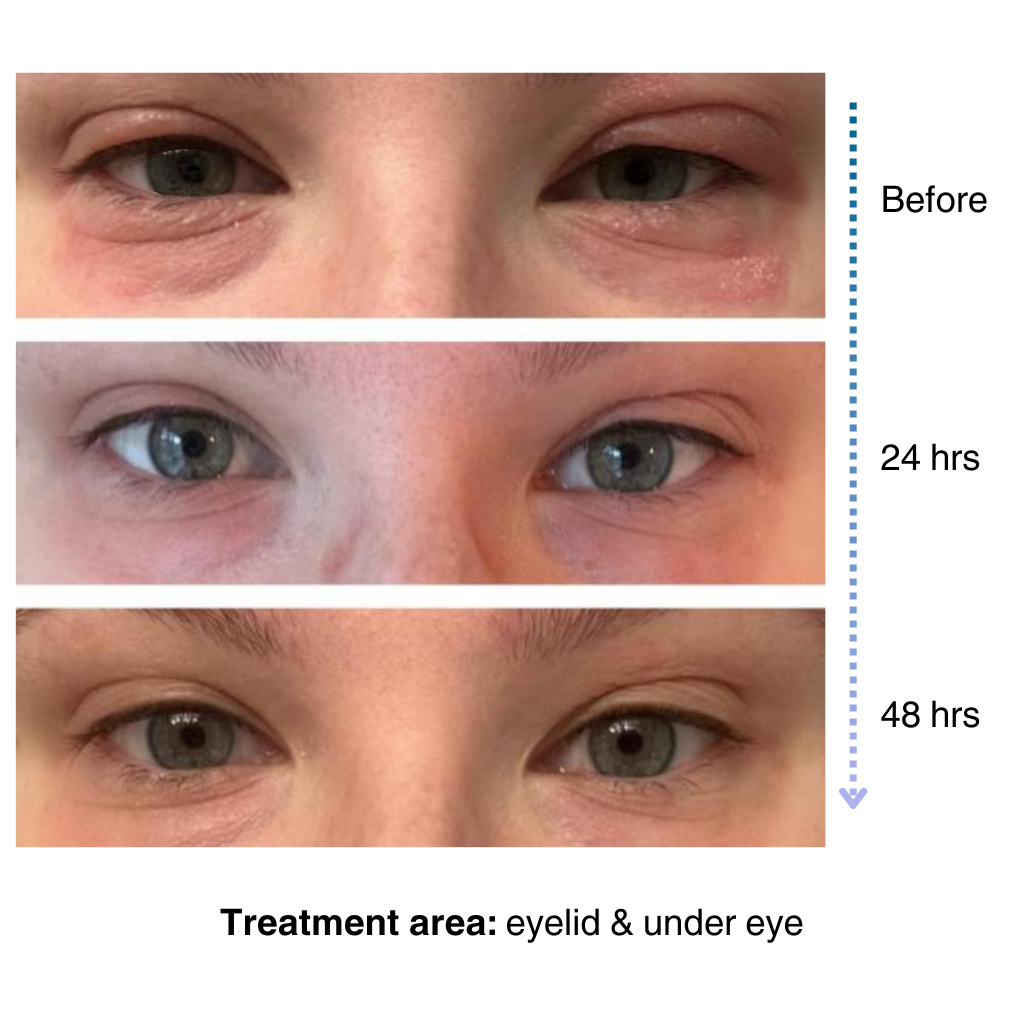
It’s easy to apply and isn’t chalky at all. I’ve been applying it multiple times a day… I’ve tried multiple new products to try and treat my eye eczema, and this is definitely the best I’ve tried so far.
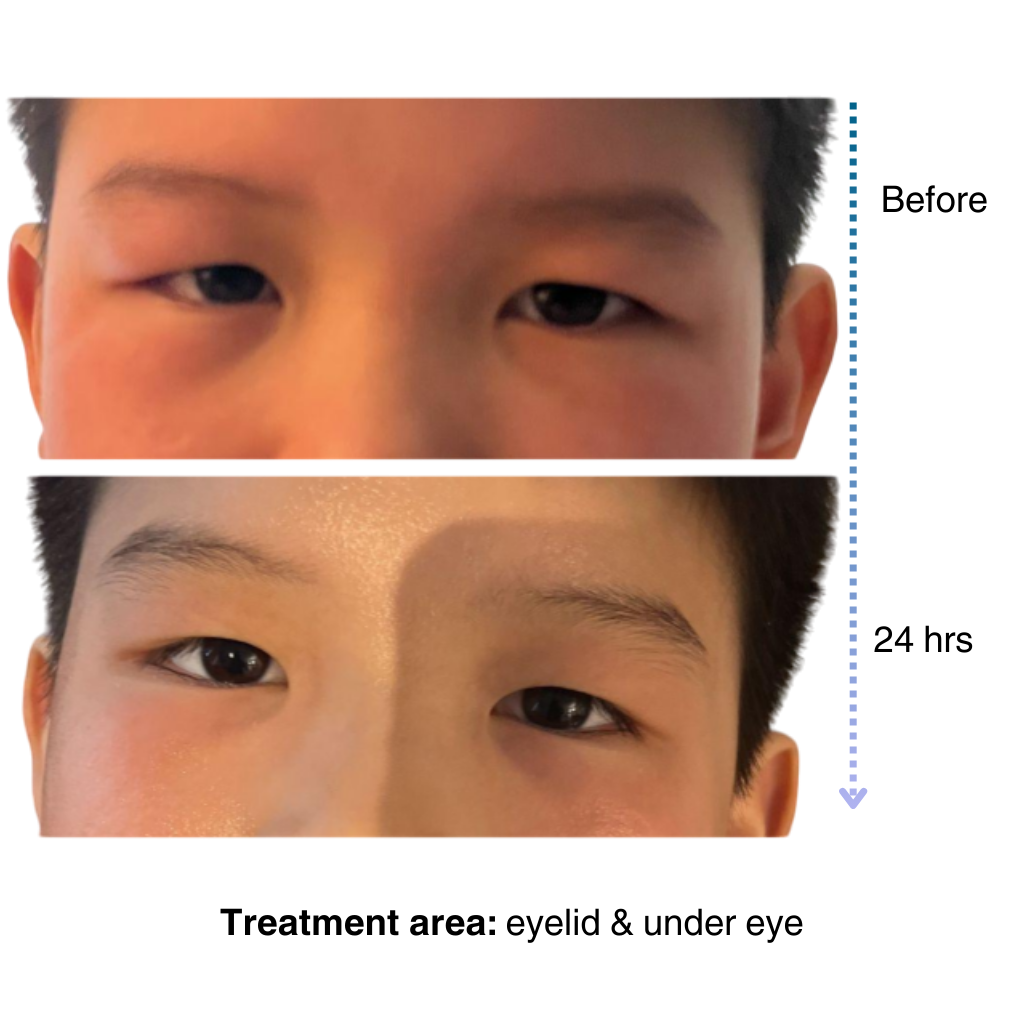
My 7-year old son has been dealing with eczema on his face for a long time, and it’s been so tough to find something that really works…..I’m amazed by the results! Within one day, the redness and rough patches on his face significantly improved…. he doesn’t mind using it at all because it doesn’t sting or feel greasy. – Lily

Get expert advice, exclusive offers, and real stories from people who understand your journey.
Start your skincare journey with an exclusive discount
Practical advice for managing sensitive and eczema-prone skin
Be the first to try our latest technology and product releases
Get 10% off your first order when you sign up
Secure & Private
Instant Access
Premium Content
Like many of you, our eczema journey is personal. That’s why we’re committed to creating a space for the eczema community to share experiences, be empowered through evidence-based solutions, and learn practical tips for daily life.
– Sajjad, Founder & CEO of NellaDerm
