Rock Climbing With Eczema: Chalk & Hand Care Guide

Climbing rewards strong skin and steady nerves, but eczema makes hands dry, crack-prone, and quick to sting with chalk, tape, and constant micro-abrasion. The goal here is simple: keep you on the wall without sacrificing your barrier. You will get chalk choices that do not wreck your hands, tape tactics that avoid common allergens, a packing list for your crag kit, and a post-session repair routine you can copy tonight.


Finger tape adhesives can contain colophonium (rosin), a well-known cause of allergic contact dermatitis with prolonged tape use. Choosing rosin-free options (or barrier techniques) matters if you flare under tape. A 2023 study from Medical Journals Sweden documented colophonium-related dermatitis from medical adhesive tape, underscoring the risk in frequent users.
rock climbing with eczema

The Essentials In One Minute

  • Moisturize before you chalk. A thin layer on the backs of hands 10–15 minutes pre-climb reduces micro-cracking without making holds slippery.
  • Use less chalk, more strategy. One light application (or a chalk ball) per burn; brush holds rather than re-dust your hands.
  • Tape smart. Favor rosin-free athletic tapes; avoid stretch across flexion creases; remove slowly and moisturize immediately after. If you consistently react, place a thin strip of non-adhesive underwrap as a barrier. 
  • Rinse, pat, seal. Post-climb: lukewarm rinse to lift chalk and grit, pat to damp, then moisturize within three minutes.
  • Carry a tiny repair kit. Gentle cleanser, water bottle, travel moisturizer, emollient sanitizer, nail file, cotton pads, and hydrocolloid patches for flappers.

If you want a single steroid-free cream that plays nicely with chalk and tape, keep NellaCalm Steroid-Free Eczema Cream in your pack.


Chalk Choices That Don’t Destroy Your Hands

Loose chalk (magnesium carbonate, plain).

  • Default option. Aim for thin, even coverage resembling a gray cast, not a white paste. Over-chalking cakes in lines and accentuates cracks.

Chalk balls.

  • Great for controlled dosing and less airborne dust. Squeeze lightly; then rub backs of hands together so palms are not overloaded.

Liquid chalk.

  • Useful for humid gyms or first moves, but many formulas contain high-percentage alcohol that can sting and dry eczema-prone skin. If you use it, limit to the finger pads only, let it fully dry, then add a dusting of loose chalk. Avoid on open fissures.

Additives and scents.

  • Skip “grip-boosted” blends or scented chalks when you are flaring; extra resins and perfumes increase irritation potential.

Technique beats volume.

  • Brush glassy holds, breathe, and relax your grip. Over-gripping drives sweat and friction, which then pushes you back to the chalk bag again and again.

Finger Tape: Protection Without A Rash

Pick the right tape

  • Look for rosin-free or “hypoallergenic” zinc oxide or cohesive wraps that stick to themselves rather than your skin. If a brand lists “rosin/colophonium,” save it for shoe repairs—not your fingers. Colophonium allergies are well documented in adhesive tapes, and repeated wear increases risk.

Wrap with purpose

  • Pulley support: anchor above and below the joint with two turns each; keep the bending crease free so you do not saw your skin with every move.
  • Flapper shield: place a small non-adherent pad on the raw spot, then tape over it; avoid direct adhesive on broken skin.
  • Crack gloves: for splitter days, consider reusable crack gloves with smooth surfaces instead of full adhesive wraps; they reduce both friction and allergen exposure.

Removal and aftercare

  • Warm water loosens adhesive. Peel slowly with the grain of your skin. Rinse chalk and residue, then moisturize backs, webs, and wrists.

Pre-Climb Setup (Five Minutes)

  1. Hands check. Snip ragged hangnails, lightly file snags, and trim any loose dead skin—no aggressive sanding.
  2. Moisturize the backs. Massage a thin layer into the backs of hands and around nail folds. Leave palms bare.
  3. Spot-protect. If a knuckle is borderline, tap a rice-grain of moisturizer on it, let it set a minute, then tape if needed.
  4. Chalk plan. Decide now: chalk ball or light dusting only; brush holds first, then chalk if needed.

On The Wall: Micro-Habits That Save Skin

  • One dip, big gain. Chalk once before the crux, not every move.
  • Shake and splay. When you shake out, open your fingers to cool the pads and evaporate sweat faster.
  • Swap grips. Alternate grips and edges to share load across different skin zones.
  • Breathe through slips. A brief slip does not need a chalk dip. Re-set your feet, then go.

Post-Crag Hand Repair (Ten Minutes)

1) Rinse

  • Lukewarm water plus a fragrance-free cleanser on a soft cloth. Focus on finger webs and creases where chalk lives. Avoid hot water—it magnifies sting later.

2) Pat to damp

  • Do not rub. Leave a whisper of water on the skin so your moisturizer has something to trap.

3) Seal within three minutes

  • Apply a generous layer to backs, webs, and wrists. If you are driving, keep a small towel on the wheel; grip improves as cream absorbs.

4) Spot care

  • Flappers: trim only the loose flap, rinse, then cover with a small hydrocolloid until the surface re-epithelializes.
  • Fissures: dab a pea-size of moisturizer, then consider a thin, flexible skin adhesive or occlusive overnight (if you tolerate it) to keep edges approximated.

5) Night routine

  • If your hands are chewed up, repeat cleanse, pat, and moisturize before bed and wear cotton liners for the first hour to drive absorption without trapping sweat all night.

For a fuller workplace-style hand routine you can adapt for training blocks, see Eczema in the Workplace: Managing Flare-Ups in Professional Settings.


Build A Climber’s Skin Kit (Pocket-Sized)

  • Fragrance-free cream (travel tube)
  • Emollient hand sanitizer for quick cleans before eating or after bathrooms
  • Soft nail file and small scissors
  • Non-adherent pads and hydrocolloid dressings
  • Small spray bottle of water or a collapsible bottle for rinsing
  • A few alcohol-free wipes for fast chalk removal from wrists and forearms

For broader packing ideas, this post has a ready-to-copy checklist: Travel Triumphs: Essential Guidelines for Eczema‑Friendly Adventures.


Gym vs. Crag: Skin Stresses To Expect

Indoor (plastic + climate control)

  • Drier air and lots of liquid chalk in use. Expect more alcohol exposure and airborne dust. Wash hands after your session, even if you are heading straight home, and seal while damp.

Outdoor (real rock + weather)

  • Wind and sun pull moisture from your hands; granite and sandstone can act like sandpaper at volume. Bring extra water to rinse, not just drink, and re-seal before the drive.

Technique Tweaks That Protect Your Barrier

  • Footwork first. Precision placements reduce death-gripping.
  • Use the hold, not the chalk. If a hold is greasy, brush it; adding chalk to your hands rarely fixes a slippery hold.
  • Rotate training. Alternate limit bouldering days with easier mileage or technique sessions to let skin recover between high-shear days.
  • Stop one burn early. If your skin is “zingy,” you are one try from a flapper. Bank a win for tomorrow.

Troubleshooting: What That Pattern Means

Red, itchy bands where tape sat

  • Suspect rosin or other adhesive allergens. Switch to rosin-free tape or cohesive wraps and test on the inner forearm for 48–72 hours before your next session. If reactions persist, ask about patch testing for colophonium and rubber accelerators. 

Liquid chalk burns on application

  • Likely alcohol sting on micro-cracks. Reserve liquid chalk for the pads only, or skip it on flare weeks.

Palms fine, knuckles split

  • Your pre-climb moisturize likely missed the knuckle skin. Add a targeted pre-tape dab and keep the crease free while wrapping.

Hands feel tight two hours after climbing

  • Classic post-evaporation dryness. Rinse earlier, moisturize while damp, and consider cotton liners for the first hour at night.

Persistent rash days after a session

  • Think allergic rather than pure friction. Track which tape, chalk, or cleaner you used. If the pattern repeats, bring your products to a dermatologist and ask about patch testing.

A Two-Week Skin-First Climbing Plan

Days 1–3: Baseline reset

  • Climb as usual but log chalk type, tape brand, and number of dips per burn. Start the rinse–pat–seal post-session routine. Note itch and tightness before bed.

Days 4–7: Dose control

  • Switch to a chalk ball and limit to one dip per attempt. Swap to rosin-free or cohesive tape. Moisturize the backs of hands 15 minutes pre-climb.

Days 8–10: Recovery discipline

  • Add a nighttime cleanse, then have a moisturize cycle and cotton liners for 60 minutes. File snags lightly rather than tearing them mid-climb.

Days 11–14: Decide your standards

  • Keep whatever reduced tightness and splitting. If adhesive reactions persist, pause tape and pursue patch testing; bring your exact tape to the appointment.

Final Thoughts

You can absolutely enjoy rock climbing with eczema. Keep chalk light and strategic, choose rosin-free or cohesive wraps for taping, and be ruthless about rinse–pat–seal the moment you are off the wall. Pack a tiny repair kit, rotate your training so skin gets breathers, and chase technique rather than chalk. If a predictable tape pattern keeps flaring you, switch brands and ask for patch testing—precision beats guesswork and gets you back on the wall with calmer hands.

Frequently Asked Questions

Does chalk itself cause eczema?
Not typically. Plain magnesium carbonate mostly dries sweat. Problems arise from overuse, alcohol-heavy liquid chalks on cracked skin, and additives (including fragrances or resins) that irritate or sensitize some climbers.


What is the single biggest habit change that helps?
Rinse, pat, and seal every single session. Lifting chalk and dust, then sealing while damp, prevents the tightness spiral that leads to splits.


Is “climber’s salve” helpful?
If it is fragrance-free and non-stinging, sure. Avoid essential-oil heavy balms on open skin; they often burn and can trigger allergy.


Can I climb during a flare?
Yes, with guardrails: avoid liquid chalk, tape over non-adherent padding instead of raw skin, and cut the session when skin begins to prickle.

Explore the Eczema Knowledge Hub

Your go-to resource for flare-up relief, skincare tips, and science-backed advice.

"...this is the best I've tried so far."

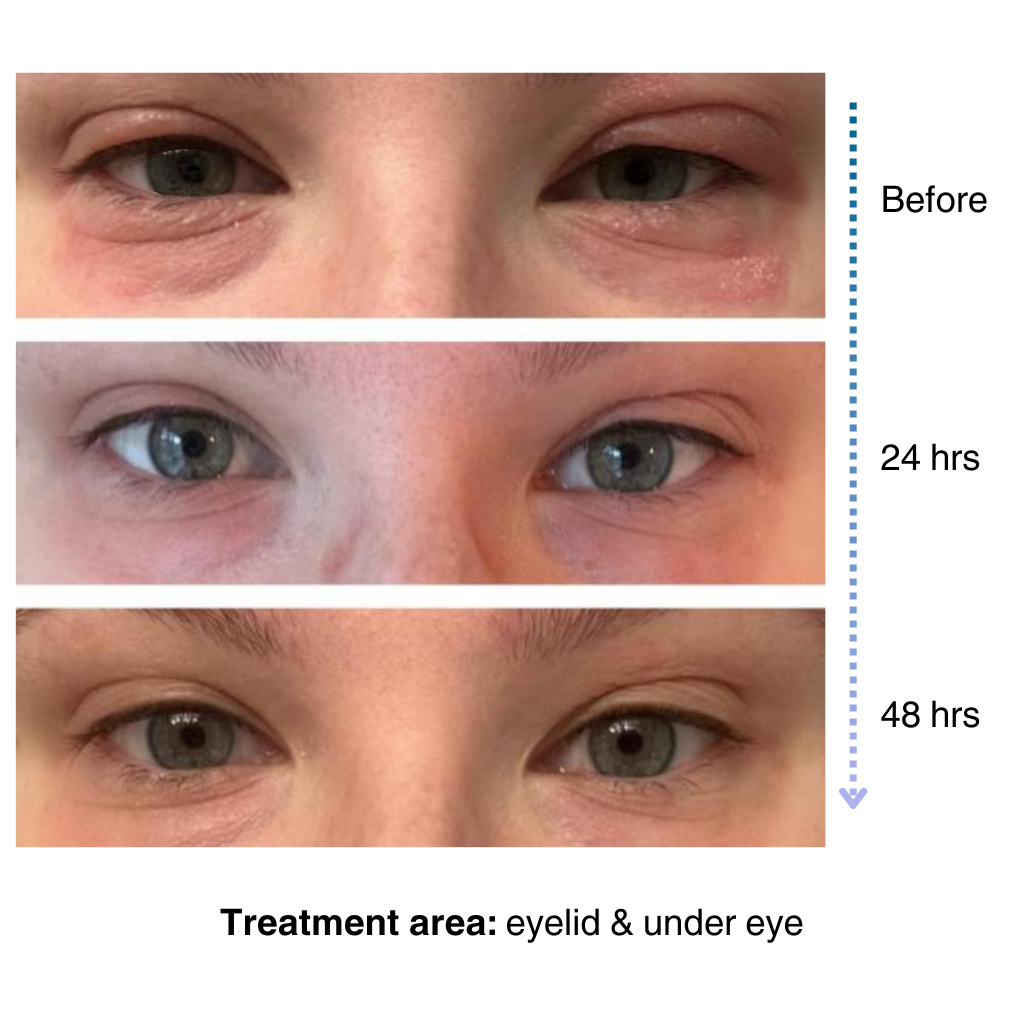
It’s easy to apply and isn’t chalky at all. I’ve been applying it multiple times a day… I’ve tried multiple new products to try and treat my eye eczema, and this is definitely the best I’ve tried so far.

"Game-changer for my son's eczema"

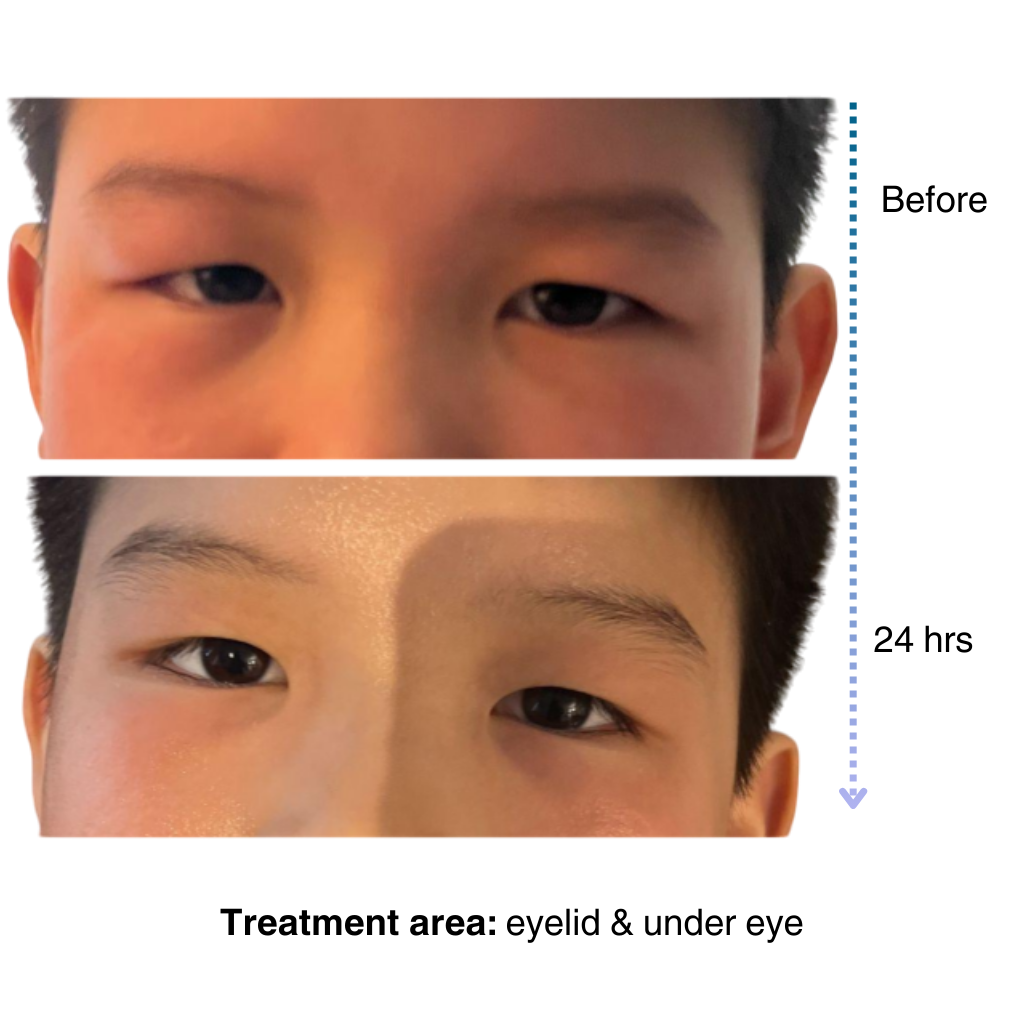
My 7-year old son has been dealing with eczema on his face for a long time, and it’s been so tough to find something that really works…..I’m amazed by the results! Within one day, the redness and rough patches on his face significantly improved…. he doesn’t mind using it at all because it doesn’t sting or feel greasy. – Lily
Newsletter Signup

Like many of you, our eczema journey is personal. That’s why we’re committed to creating a space for the eczema community to share experiences, be empowered through evidence-based solutions, and learn practical tips for daily life.  

– Sajjad, Founder & CEO of NellaDerm

Eczema treatment
Shopping Cart