Eczema concerns?
FREE
Get instant expert guidance with our smart AI platform.
Join Now
When skin feels tight and itchy, it is often because water is evaporating through a leaky barrier. Slugging for eczema uses an occlusive layer, usually plain petrolatum, as the last step in your routine to trap water and support repair. Emollients and occlusives are a cornerstone of eczema care; the “slugging” twist is simply using a thicker last step on the areas that need extra help, especially in dry seasons or during travel.
A frequently cited benefit comes from how petrolatum affects water loss across the outer skin. In laboratory and clinical observations, petrolatum markedly reduces transepidermal water loss (TEWL), which is exactly what you want on dry, flare-prone patches (study link below). This is why slugging feels so soothing overnight and why even tiny amounts can pay off on knuckles, eyelids, and around the mouth.
One peer-reviewed study in Medline showed petrolatum produced a dramatic reduction in TEWL and supported barrier function of the stratum corneum, helping skin hold onto water more effectively.

Great candidates for slugging for eczema
Be cautious or skip
Slugging does not mean smearing a thick, slippery coat from hairline to chin. For eczema, more success usually comes from targeted, thin films placed only where you need extra occlusion. Think rice-grain to pea-size amounts per facial zone, or a pea per hand. The goal is a soft sheen, not a grease mask.
Follow this exact order on clean, calm skin in the evening:
Morning: Rinse or cleanse lightly, moisturize, then apply mineral sunscreen on exposed areas. If you wear makeup, check out techniques here for gentle application that will not snag on flakes: Makeup for Eczema: Safe Beauty Tips for Sensitive Skin.
Hands (the slug-and-glove trick)
Lips
Elbows, knees, and ankles
Neck folds and under-bra lines
For most people, petrolatum is non-comedogenic, and clogging fears come from layering it over heavy makeup and sunscreen or from using too much on naturally oily zones. If you are acne-prone:
If you feel sting when the occlusive goes on, it is usually a sign the base layers underneath are too active, too fragranced, or applied to raw skin.
Eyelids are thin and reactive. Done well, slugging for eczema here can be game-changing.
For eye-area product and patch testing tips, this guide helps: Eczema Makeup: Safe Ways to Wear Eye Products.
Occlusive layer: plain white petrolatum (unscented). If you prefer a blend, choose a fragrance-free ointment without botanical oils or menthol.
Underneath: a simple, barrier-supportive moisturizer. If you want a steroid-free option that layers beautifully day and night, try NellaCalm Steroid-Free Eczema Cream.
What to avoid under occlusion
Days 1–3: Patch test and one-zone trial
Days 4–7: Expand strategically
Days 8–10: Hands and hot spots
Days 11–14: Lock the wins
Pilling or rolling
Too much product underneath. Use thinner moisturizer layers and wait one minute before the occlusive.
Sticky pillowcase
You are using too much. Tap off excess with a tissue or switch to a breathable ointment that sets drier, and consider a clean cotton towel over your pillowcase.
Greasy feel in the morning
Cleanse with a small amount of fragrance-free lotion cleanser, not a harsh gel. Follow with a lighter daytime moisturizer.
New bumps around the mouth
Scale back slugging there; keep it for cheeks and eyelids. Confirm your toothpaste is SLS- and flavor-oil-free if your perioral skin is reactive.
Sting at application
Drop actives and fragrance from the layers underneath. Patch test again before retrying on the face.
Slugging for eczema is not a trend so much as a smart way to use an old, reliable tool: a thin occlusive layer that seals water in and gives your barrier a break. Keep it targeted, keep the film thin, and always layer it last over a fragrance-free moisturizer. If you are acne-prone, spot-slug; if you are in a flare, treat inflammation first and slug the surrounding dry skin. Two consistent weeks is long enough to see a difference in tightness, flakes, and morning comfort. If it helps, keep it in your toolkit. If it does not, scale back and lean on the other basics that move the needle—lukewarm showers, fast moisturize-while-damp habits, and low-residue laundry.
Is slugging for eczema safe for kids?
Yes when done sparingly and targeted, especially on hands and cheeks, and with fragrance-free layers. Keep petrolatum out of the nose and away from very young infants’ airway area.
Can I slug over my prescription steroid or calcineurin inhibitor?
Often yes—many clinicians recommend moisturizer first, medicine second, then a very thin occlusive film on top of that spot. Follow your prescriber’s instructions for your specific medication and frequency.
Should I slug every night?
Not necessarily. Many do best with every other night or spot slugging on problem areas. Let your skin vote.
Is petrolatum bad for acne?
Most people tolerate it well and studies have not shown it to be comedogenic on normal use. If you are acne-prone, limit to dry zones and keep makeup removal thorough before you slug.
What if I prefer a plant-oil balm?
If your skin loves it and it is fragrance-free, go for it, but many botanical oils add potential irritants. For sensitive or eyelid skin, plain petrolatum remains the most predictable occlusive.
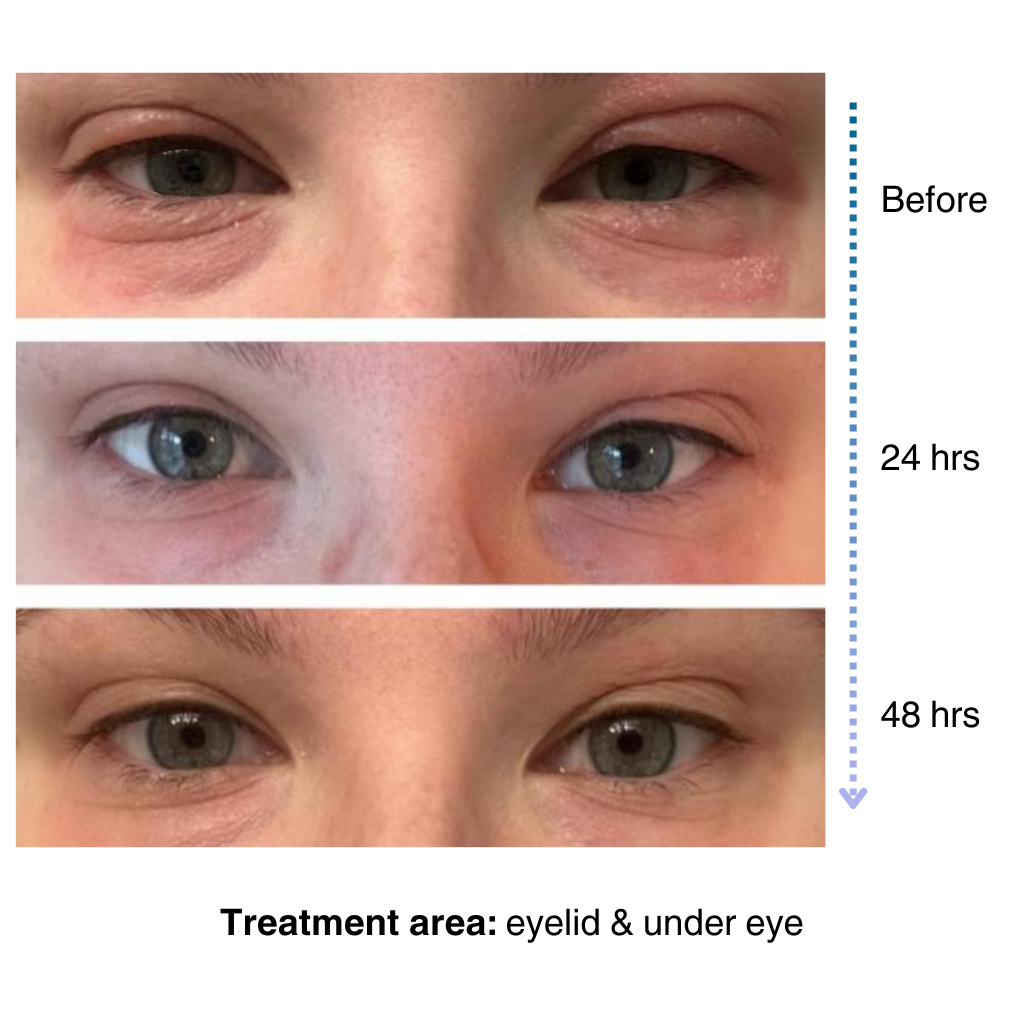
It’s easy to apply and isn’t chalky at all. I’ve been applying it multiple times a day… I’ve tried multiple new products to try and treat my eye eczema, and this is definitely the best I’ve tried so far.
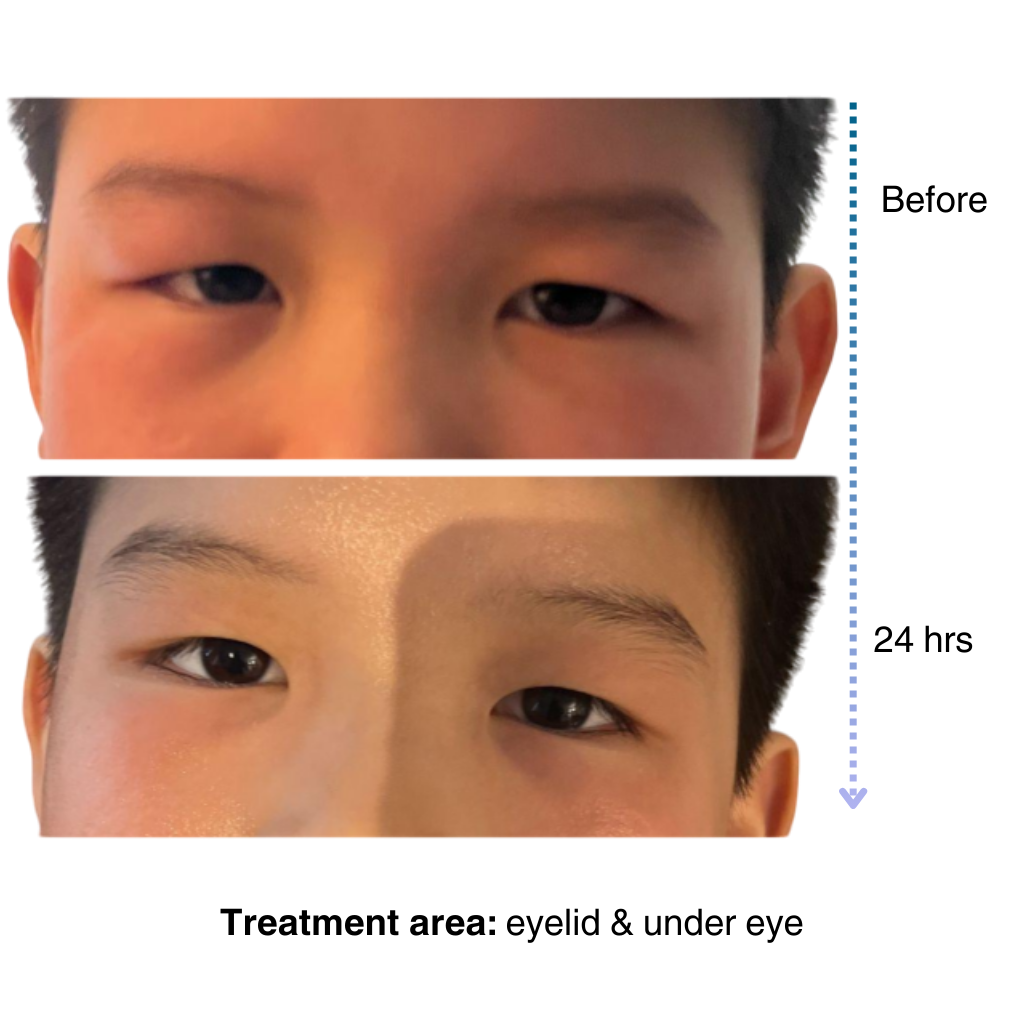
My 7-year old son has been dealing with eczema on his face for a long time, and it’s been so tough to find something that really works…..I’m amazed by the results! Within one day, the redness and rough patches on his face significantly improved…. he doesn’t mind using it at all because it doesn’t sting or feel greasy. – Lily

Get expert advice, exclusive offers, and real stories from people who understand your journey.
Start your skincare journey with an exclusive discount
Practical advice for managing sensitive and eczema-prone skin
Be the first to try our latest technology and product releases
Get 10% off your first order when you sign up
Secure & Private
Instant Access
Premium Content
Like many of you, our eczema journey is personal. That’s why we’re committed to creating a space for the eczema community to share experiences, be empowered through evidence-based solutions, and learn practical tips for daily life.
– Sajjad, Founder & CEO of NellaDerm
