
Eczema concerns?
FREE
Get instant expert guidance with our smart AI platform.
Join NowEczema is fundamentally a problem of the skin barrier. Oils escape the skin more easily, microbes invade, and inflammation cycles. The idea that ingestible collagen might improve structure and hydration offers a compelling “inside-out” strategy. Interest in collagen supplements and eczema has surged—especially the peptides derived from fish or bovine sources. Social posts show anecdotal improvements in dryness and texture. But how much does current science support those claims?
Below you’ll find what peer-reviewed studies, reviews, and clinical trials actually represent for eczema, as well as how to evaluate supplement quality and how to integrate any decision safely.

Research on ingestible collagen generally covers skin aging, photoaging, and hydration in healthy adults. Results suggest some benefits to elasticity, hydration, and wrinkle appearance. Most randomized, placebo-controlled trials show modest but statistically significant improvements in skin structure after consistent supplementation for 8 to 12 weeks.
However clinical trials specifically targeting eczema are limited. A small open-label Japanese study of oral collagen tripeptide supplementation in atopic dermatitis patients reported some reduction in dryness and patient-reported itch over three months. Yet this kind of evidence remains early and underpowered.
At the same time, an important 2023 foundational review in Nutrients discussed oral collagen’s potential to promote production of collagen types I and III in the dermis, support hyaluronic acid synthesis, and modulate fibroblast activity, all of which are theoretically helpful for repairing a damaged barrier in eczema.
That said, translation of these mechanisms into real benefit for eczema patients has not yet been robustly proven. In short, there is reason for cautious optimism but not firm confirmation.
When evaluating supplements, key factors include:
For eczema safety, allergen considerations matter. If you are sensitive to fish, bovine products, or gelatin, choose your source accordingly. Also avoid blends with untested botanicals if your skin is reactive.
Collagen peptides may support skin barrier function in several ways:
These mechanisms are intriguing for eczema, but clear clinical confirmation remains pending. If you react to barrier‑support topicals during flares, collagen supplementation may be one more arrow in your quiver, not a replacement for topical repair and anti‑inflammatory care.
Collagen peptides are generally well tolerated. Possible mild side effects include:
Because collagen is a protein supplement, it may impact gastrointestinal conditions. If you have a history of IBS, kidney disease, or protein-restricted diets, check with your clinician first. There are no known harmful chemical interactions, but as with any supplement, it is not regulated as strictly as medicine, so choose reputable brands that offer third-party testing (e.g., NSF or USP verified).
If you decide to trial collagen for potential eczema benefit, here is a dermatologist-informed plan:
Collagen supplementation should complement, not replace, foundational eczema therapies. That includes:
If collagen is part of a holistic plan, it may contribute a small benefit or greater resilience over time. Read our blog post for more information on long-term treatment: Eczema Treatment: Symptoms, Causes & Effective Management
Topic | Takeaway |
Evidence strength | Promising for hydration, aging; very limited data in eczema specifically |
Mechanism plausibility | High—collagen peptides may aid dermal hydration, fibroblast activation, anti‑inflammatory effect |
Source considerations | Marine vs. bovine, hydrolyzed peptides recommended, allergen-conscious selection |
Typical dose | 5–10 g per day, often used in trials |
Potential benefits | May reduce dryness, improve barrier resilience, support repair over time |
Potential risks | GI upset, rare allergies, cost, allergen sources, unregulated product quality |
Best trial plan | 4–6‑week controlled at‑home test while tracking symptoms and cost-effectiveness |
Always pair with | Topical barrier repair, eczema-safe hygiene, sunscreen, medical treatments as needed |
Interest in collagen supplements and eczema reflects a broader desire for proactive, “inside-out” skin support. Current research offers a promising rationale for their use—but not definitive endorsement. If you want to explore collagen, do so with a careful mindset, track your outcomes, keep your skincare routine strong, and stay flexible. Optimizing barrier repair remains the anchor for all eczema care, and collagen might deserve a place on your team—but it’s not the entire strategy.
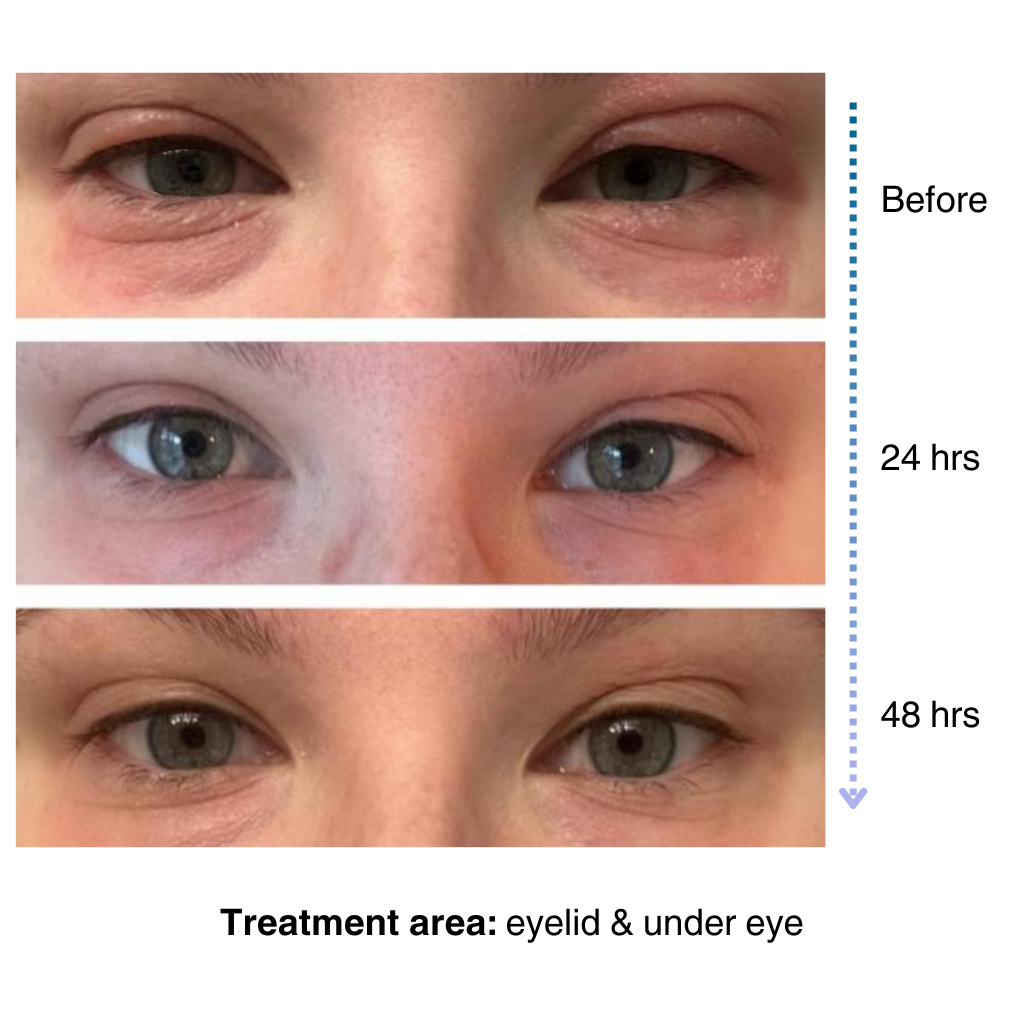
It’s easy to apply and isn’t chalky at all. I’ve been applying it multiple times a day… I’ve tried multiple new products to try and treat my eye eczema, and this is definitely the best I’ve tried so far.
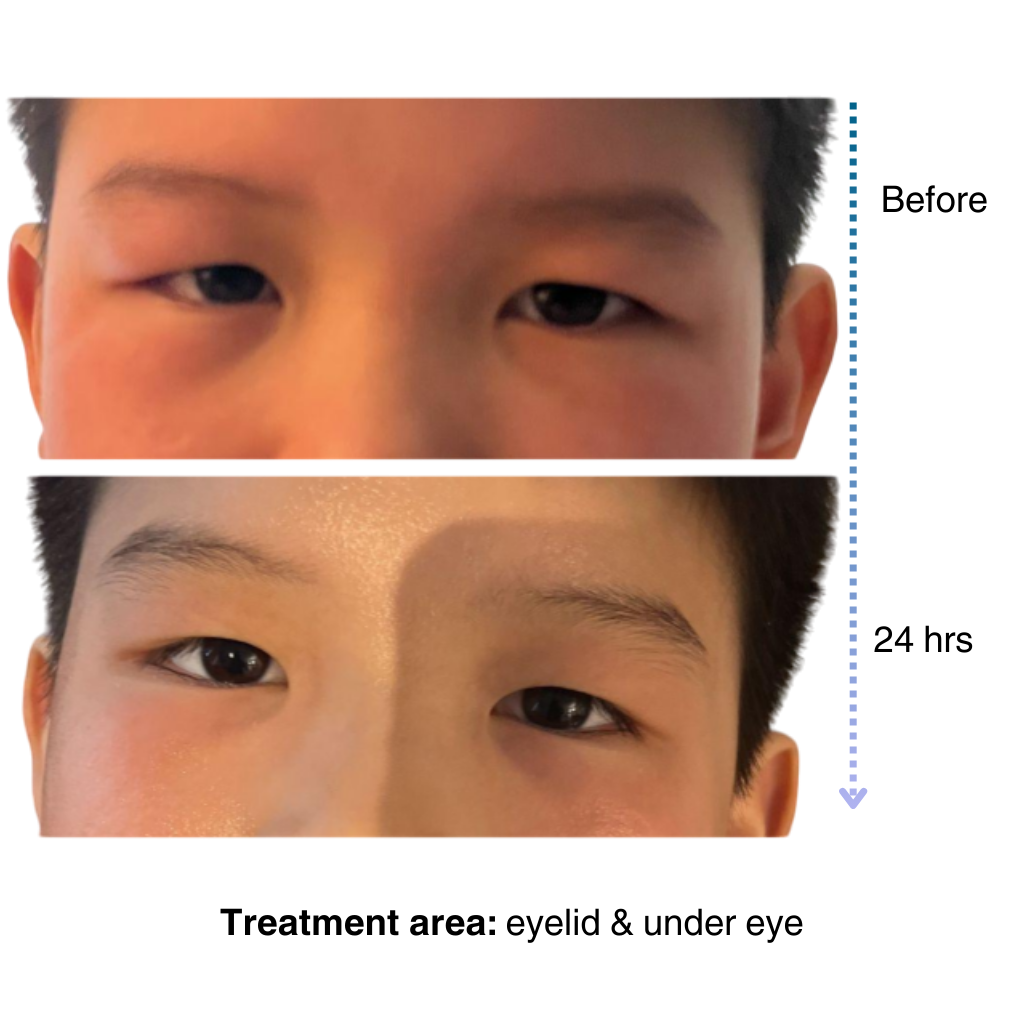
My 7-year old son has been dealing with eczema on his face for a long time, and it’s been so tough to find something that really works…..I’m amazed by the results! Within one day, the redness and rough patches on his face significantly improved…. he doesn’t mind using it at all because it doesn’t sting or feel greasy. – Lily

Get expert advice, exclusive offers, and real stories from people who understand your journey.
Start your skincare journey with an exclusive discount
Practical advice for managing sensitive and eczema-prone skin
Be the first to try our latest technology and product releases
Get 10% off your first order when you sign up
Secure & Private
Instant Access
Premium Content
Like many of you, our eczema journey is personal. That’s why we’re committed to creating a space for the eczema community to share experiences, be empowered through evidence-based solutions, and learn practical tips for daily life.
– Sajjad, Founder & CEO of NellaDerm
