
Eczema concerns?
FREE
Get instant expert guidance with our smart AI platform.
Join NowIn 2026, probiotics for eczema are more popular than ever—touted by influencers, recommended by integrative dermatologists, and featured in functional health drinks across supermarket shelves. But how effective are they, really? If you’ve been wondering whether that kombucha, kefir, or probiotic supplement can actually calm your skin, this comprehensive review breaks down what current science says, which probiotic strains to watch, and how fermented foods might fit into an eczema-friendly diet.

Emerging research on the gut-skin axis has uncovered a critical link between gastrointestinal health and inflammatory skin conditions like eczema. Our digestive tracts host trillions of microbes—collectively called the gut microbiome—that influence systemic inflammation, immune response, and even the way our skin cells repair themselves.
People with eczema often show:
Restoring balance in the gut through probiotics and fermented foods may, in theory, help regulate immune overreaction and support skin barrier function.
Before diving into eczema-specific recommendations, it’s helpful to distinguish between probiotic supplements and fermented foods:
Category | Description | Example Sources |
Probiotics | Live microbes in concentrated doses, usually encapsulated | Lactobacillus rhamnosus GG, Bifidobacterium lactis, in pill or sachet form |
Fermented Foods | Naturally rich in beneficial bacteria through fermentation | Yogurt (with live cultures), kefir, miso, sauerkraut, kimchi, kombucha |
Both may offer eczema benefits, but the strain, viability, and dose matter.
Let’s look at the peer-reviewed data available in 2026 on probiotics for eczema:
A landmark meta-analysis published in Springer in 2022 evaluated over 25 randomized trials in infants. It found:
Probiotic supplementation during pregnancy and infancy may reduce the incidence of eczema by ~20–25%, especially when using Lactobacillus rhamnosus GG or Bifidobacterium animalis source.
However, benefits were strain-specific and not observed with general or mixed-strain probiotics.
In adults, research is still catching up. A 2025 study in Frontiers in Immunology found that supplementing with Lactobacillus salivarius LS01 reduced eczema severity and itch after 8 weeks. Another small 2024 study using Bifidobacterium lactis HN019 found moderate skin hydration improvements.
However, not all studies show benefit, and outcomes often depend on:
Based on the latest evidence, look for probiotics containing:
These strains are considered “immunomodulatory,” meaning they may help reduce inflammatory markers like IL-4 and IL-13—which are commonly elevated in eczema.
These foods introduce live cultures and may support overall microbial diversity. Just make sure they’re pasteurization-free and ideally labeled “contains live and active cultures.”
One important caveat: fermented foods are naturally high in histamines, which can trigger flares in some people with histamine intolerance or mast cell activation. Signs include:
If that’s you, it may be worth consulting a nutritionist or allergist to explore low-histamine probiotic options.
Adding probiotics to your routine isn’t a standalone solution. They work best when part of a full eczema management plan that includes:
For a complete guide to building an eczema-friendly skincare routine, see: Skin Minimalism: Simplify Your Eczema Routine.
Here’s a gentle starter plan for integrating fermented foods into your diet:
Day | Morning | Lunch | Dinner |
1 | Kefir (1/4 cup) | Miso soup base | N/A |
2 | Yogurt (2 tbsp) | N/A | Kimchi (1 tsp) |
3 | N/A | Sauerkraut (1 tsp) | N/A |
4 | Kombucha (2 oz) | N/A | Miso soup |
5–7 | Repeat with additions and slightly increase portions if tolerated |
Track symptoms each day. If you notice increased itch, hives, or gut issues, reduce or swap out.
If fermented foods don’t suit your taste or digestive tolerance, a probiotic supplement may be more controlled and consistent. Look for:
Before starting any supplement—especially if you’re on medications or immunosuppressants—consult your healthcare provider.
At NellaDerm, we emphasize integrative skin health. Probiotics are one piece of the puzzle, especially for those with hard-to-control eczema.
We recommend:
Check out NellaDerm’s NellaCalm for a simple, steroid-free moisturizer option.
So, do probiotics help eczema?
Fermented foods are a low-risk, affordable entry point, while probiotic supplements offer more precision. Not everyone will benefit, especially those with histamine sensitivity, but many eczema sufferers are already seeing subtle improvements in barrier function and flare frequency.
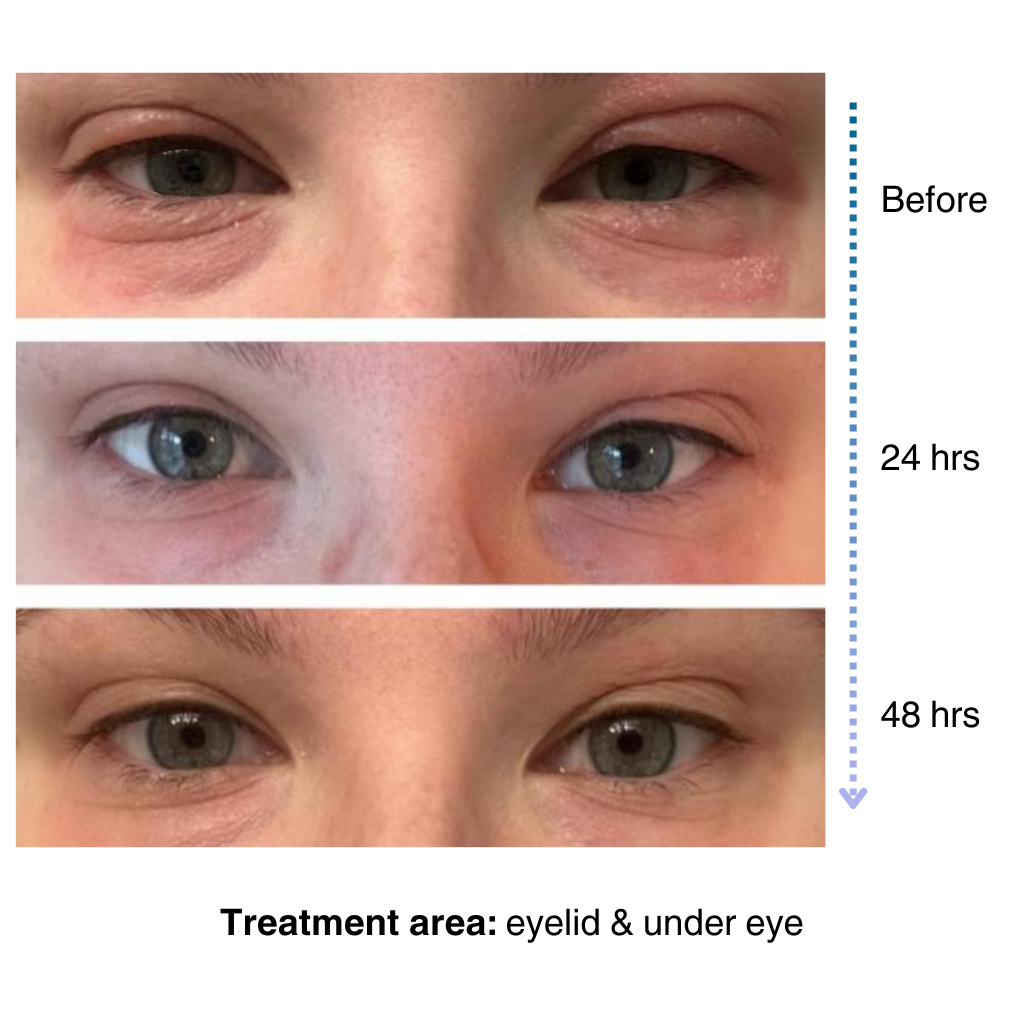
It’s easy to apply and isn’t chalky at all. I’ve been applying it multiple times a day… I’ve tried multiple new products to try and treat my eye eczema, and this is definitely the best I’ve tried so far.
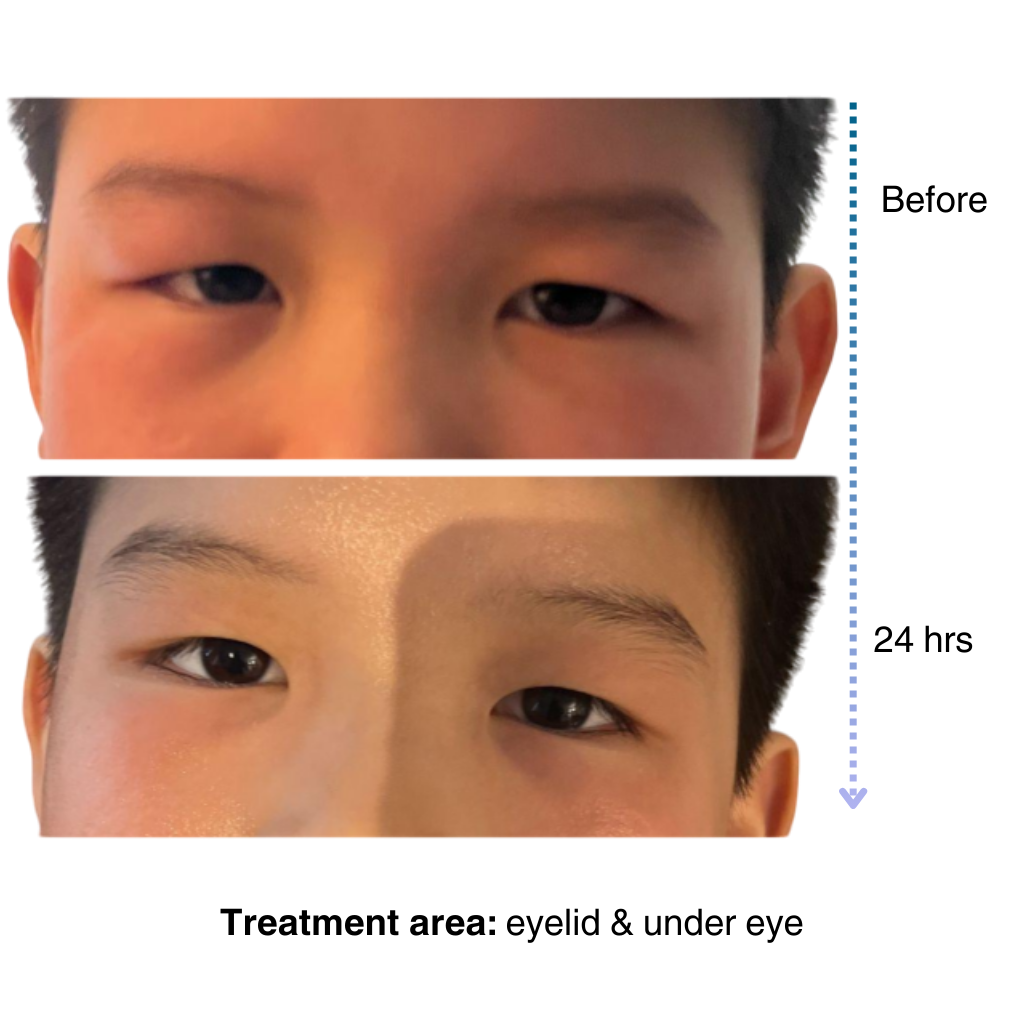
My 7-year old son has been dealing with eczema on his face for a long time, and it’s been so tough to find something that really works…..I’m amazed by the results! Within one day, the redness and rough patches on his face significantly improved…. he doesn’t mind using it at all because it doesn’t sting or feel greasy. – Lily

Get expert advice, exclusive offers, and real stories from people who understand your journey.
Start your skincare journey with an exclusive discount
Practical advice for managing sensitive and eczema-prone skin
Be the first to try our latest technology and product releases
Get 10% off your first order when you sign up
Secure & Private
Instant Access
Premium Content
Like many of you, our eczema journey is personal. That’s why we’re committed to creating a space for the eczema community to share experiences, be empowered through evidence-based solutions, and learn practical tips for daily life.
– Sajjad, Founder & CEO of NellaDerm

Have you noticed red, itchy, or flaky patches on your eyelids? The problem could be eyelid eczema, but it might also be allergic contact dermatitis (ACD). Each requires different treatment, so knowing which one you’re dealing with is essential for soothing your skin and preventing future flare‑ups.
In this blog, we’ll break down the differences between eyelid eczema and eyelid ACD, explain why the eyelid area is so vulnerable, share what current research shows, and offer practical strategies to calm your skin while avoiding common triggers.
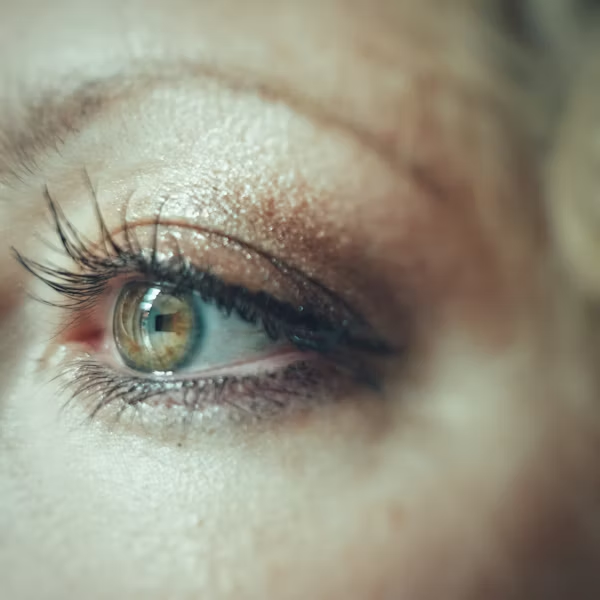
Your eyelids are among the thinnest and most delicate areas of your body, measuring only about 0.5 millimeters thick. That makes them highly permeable, meaning even trace amounts of allergens or irritants can provoke a reaction.
The thin skin also means products absorbed here can quickly travel into your eyes, making misdiagnosis or wrong treatment a recipe for prolonged irritation, discomfort, or infection.
Eyelid eczema, a form of atopic dermatitis, is a chronic inflammatory condition caused by a combination of genetic, environmental, and immune system factors. Symptoms include:
Triggers include heat, stress, soaps, pollen, or dust mites, but it is not caused by direct contact with allergenic substances.
Eyelid ACD is a delayed immune response triggered by direct contact with allergens like:
Reaction symptoms can appear hours or days after contact and often extend beyond the eyelid to surrounding areas if the allergen spreads.
Eyelid Eczema | Eyelid Allergic Contact Dermatitis | |
Cause | Genetic/inflammatory | Allergen contact |
Onset of symptoms | Gradual, chronic | Acute or sudden after exposure |
Appearance | Dry, scaly, itchy, thickened | Swollen, red, blistered, sometimes oozing |
Location | Eyelids and often other body areas | Localized to eyelid, may spread |
Diagnostic test | Clinical assessment | Patch testing by dermatologist |
A peer-reviewed NIH study found that up to 60% of eyelid dermatitis cases are related to contact allergens, including preservatives like MCI/MI, fragrance mixes, and nickel. The authors emphasize that eyelid reactions often recur until triggers are identified and removed.
This highlights the importance of patch testing when eyelid inflammation won’t clear with standard eczema treatment alone.
Use only one new product at a time and note any reactions. Eyelid reactions that follow a specific product are often contact dermatitis.
A dermatologist can test for 30+ allergens and determine if your eyelid reaction is due to contact sensitivity.
Morning
Evening
Eyelid eczema and allergic contact dermatitis may present similarly but stem from very different causes. Pinpointing the true cause, whether through observation, product elimination, or patch testing, can make all the difference between chronic flare-ups and clear skin.
Start with gentle skincare, eliminate suspect products, and consult a dermatologist if irritation persists. For proven, eczema-safe creams that you can trust on your delicate eyelids, explore sensitive-skin formulas at NellaDerm.com.
Q: If I have eyelid eczema elsewhere, can it still be ACD?
Yes. People with eyelid eczema are more vulnerable to contact allergens due to compromised skin. Even mild allergies can cause significant swelling or flaking.
Q: Are allergy tests painful?
No. Patch tests involve adhesive patches left on the back. Reactions are evaluated over 48–96 hours with minimal discomfort.
Q: How long will it take to heal?
Eczema takes longer—days to weeks. Allergic reactions may clear within a few days after removing the trigger.
It’s easy to apply and isn’t chalky at all. I’ve been applying it multiple times a day… I’ve tried multiple new products to try and treat my eye eczema, and this is definitely the best I’ve tried so far.
My 7-year old son has been dealing with eczema on his face for a long time, and it’s been so tough to find something that really works…..I’m amazed by the results! Within one day, the redness and rough patches on his face significantly improved…. he doesn’t mind using it at all because it doesn’t sting or feel greasy. – Lily
Get expert advice, exclusive offers, and real stories from people who understand your journey.
Start your skincare journey with an exclusive discount
Practical advice for managing sensitive and eczema-prone skin
Be the first to try our latest technology and product releases
Get 10% off your first order when you sign up
Secure & Private
Instant Access
Premium Content
Like many of you, our eczema journey is personal. That’s why we’re committed to creating a space for the eczema community to share experiences, be empowered through evidence-based solutions, and learn practical tips for daily life.
– Sajjad, Founder & CEO of NellaDerm