
Eczema concerns?
FREE
Get instant expert guidance with our smart AI platform.
Join NowAs more people turn to in-office skin treatments for texture, pigmentation, and anti-aging concerns, one question continues to surface in dermatology circles: Are procedures like microneedling, laser, or IPL safe for eczema-prone skin?
In 2026, aesthetic technology has never been more accessible. Devices promise tighter pores, clearer skin, and better collagen production. But for people with eczema, these treatments come with more than the usual risks. The barrier function is already compromised in atopic skin, so triggering trauma or inflammation can spell weeks of flares, itching, or even infection.
In this blog post, we break down everything you need to know about undergoing laser with eczema, the science behind it, dermatologist advice, and alternatives that support healthy skin without triggering symptoms.
Before diving into treatments, it is important to revisit what eczema does to the skin.
Eczema, especially atopic dermatitis, involves:
These characteristics mean that any skin insult – including needles, lasers, or light – must be carefully assessed for risk. Procedures that are well tolerated by normal skin might cause worsening redness, prolonged healing, or new flare zones in those with eczema.
Microneedling uses a dermaroller or automated pen to create tiny, controlled punctures in the skin. This promotes collagen production and allows deeper penetration of topical products. It is commonly used to treat:
Not during active flares. Performing microneedling on skin that is inflamed, peeling, or infected is highly discouraged. This can lead to:
Even on non-flared areas, dermatologists are divided. Some allow microneedling on clear zones for experienced patients under medical supervision. Others suggest avoiding it altogether due to eczema’s unpredictable nature.
Laser procedures vary widely in intensity, depth, and purpose. Some target pigment, others vascular lesions, and many are used for resurfacing.
Here are the most common laser categories and how they relate to eczema.
These lasers remove the outer layers of skin, prompting a strong healing response. They are used for deep wrinkles and scarring.
Recommendation: Avoid if you have eczema.
Why: Healing is intensive, infection risk is higher, and eczema-prone skin often reacts poorly to prolonged inflammation.
These penetrate the skin without removing the top layer, treating deep layers for collagen remodeling.
Recommendation: Approach with caution.
Some patients tolerate these better, especially when done on small, clear areas. A patch test and dermatologist evaluation are mandatory.
These are often used for redness and visible capillaries. Interestingly, some eczema patients benefit from vascular lasers, especially those with chronic inflammation and lichenified skin.
A peer-reviewed study in PubMed Central found that pulsed dye laser reduced itch and lesion severity in select cases of chronic atopic dermatitis when administered cautiously.
Recommendation: May be beneficial for chronic thickened areas.
Still, avoid during active flares or generalized eczema.
These are used for melasma, freckles, or tattoo removal.
Recommendation: Use only under medical supervision.
Hyperpigmentation risk is higher in inflamed or sensitive skin, especially in darker skin tones or eczema-prone skin.
Intense Pulsed Light (IPL) is not a laser, but it emits broad-spectrum light to target pigment, redness, and hair.
Key concern: IPL creates heat, which can worsen inflammatory skin conditions like eczema or rosacea.
Recommendation: Avoid during eczema flares.
Some people with stable skin may tolerate IPL under a dermatologist’s guidance, but heat and light sensitivity make this high-risk for many.
Whether you are considering microneedling, laser with eczema, or IPL, ask your provider:
A reputable clinic will be honest about risks and may suggest alternatives like non-invasive skincare, topical solutions, or barrier-supportive protocols instead of more aggressive procedures. Check out our blog on Where to Find an Eczema Specialist Near Me.
If you do move forward with a skin procedure, post-treatment care is essential.
Stick to ultra-gentle, barrier-focused skincare like NellaCalm Barrier Repair Cream which hydrates, soothes, and restores the skin after treatment.
Avoid soaking the skin, long showers, or chlorinated pools for at least 48–72 hours post-procedure.
Inflamed skin is more photosensitive. Use a mineral sunscreen with zinc oxide or titanium dioxide, especially one labeled for sensitive or eczema-prone skin.
Even minor scratching can disrupt healing, so keep fingernails short and use soft cotton gloves at night if needed.
Apply moisturizers multiple times per day, especially those with ceramides, glycerin, and squalane.
A 2024 study demonstrated clinical improvement in 12 patients with chronic atopic lesions. Treated areas showed:
This suggests some vascular lasers may offer adjunctive benefit for specific eczema patients under dermatologist care. Still, more research is needed, especially in different skin types.
If you are hesitant about laser treatments, these are lower-risk alternatives for people managing eczema:
In-office treatments like microneedling, IPL, and laser with eczema are not always off-limits—but they require nuanced consideration. While beauty trends push the idea of aggressive treatments for fast results, eczema-prone skin is not typical skin, and treating it like it is can backfire.
With the right guidance and post-care support, some patients with well-controlled eczema can explore select procedures. However, skip treatments during flares, avoid anything ablative, and always start small.
Dermatology in 2026 is increasingly embracing precision care for sensitive skin, and that includes tailored options for eczema. Always consult a licensed professional and advocate for your own comfort, both during and after treatment.
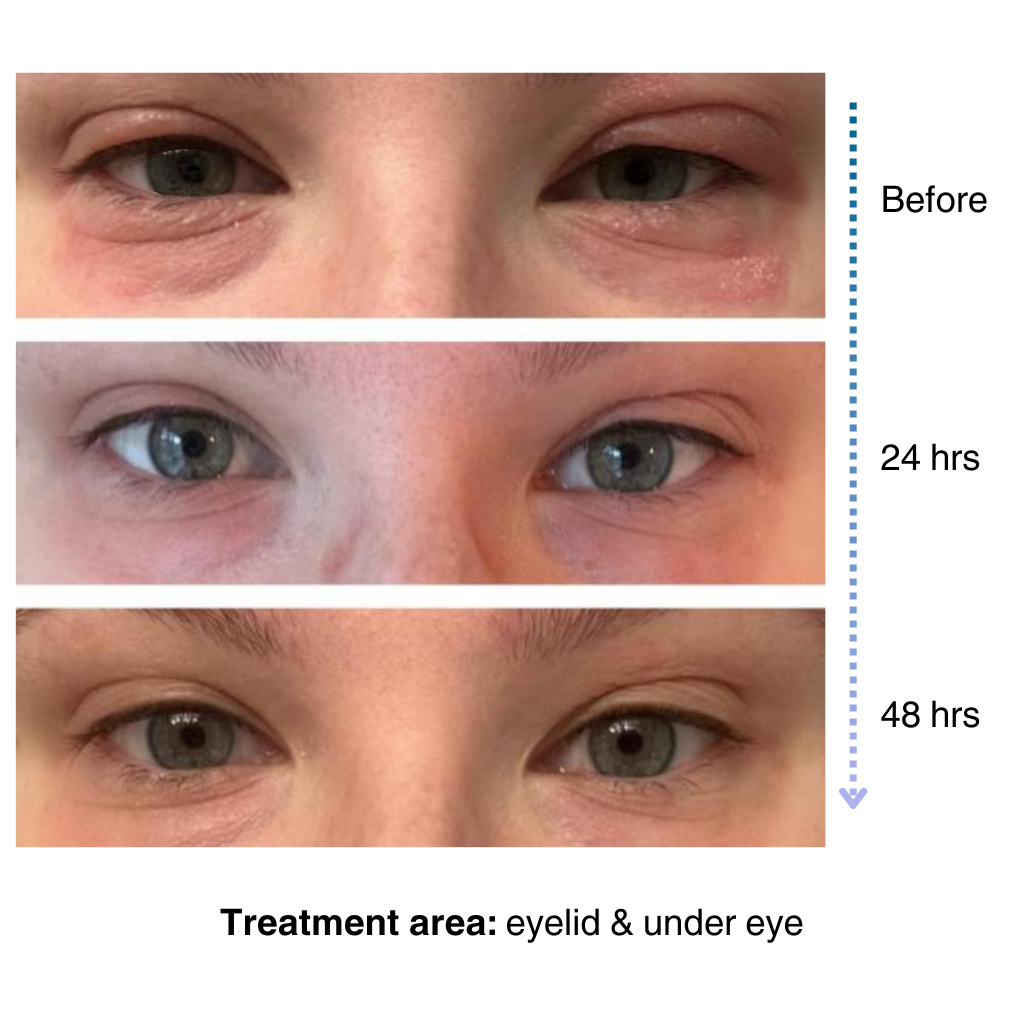
It’s easy to apply and isn’t chalky at all. I’ve been applying it multiple times a day… I’ve tried multiple new products to try and treat my eye eczema, and this is definitely the best I’ve tried so far.
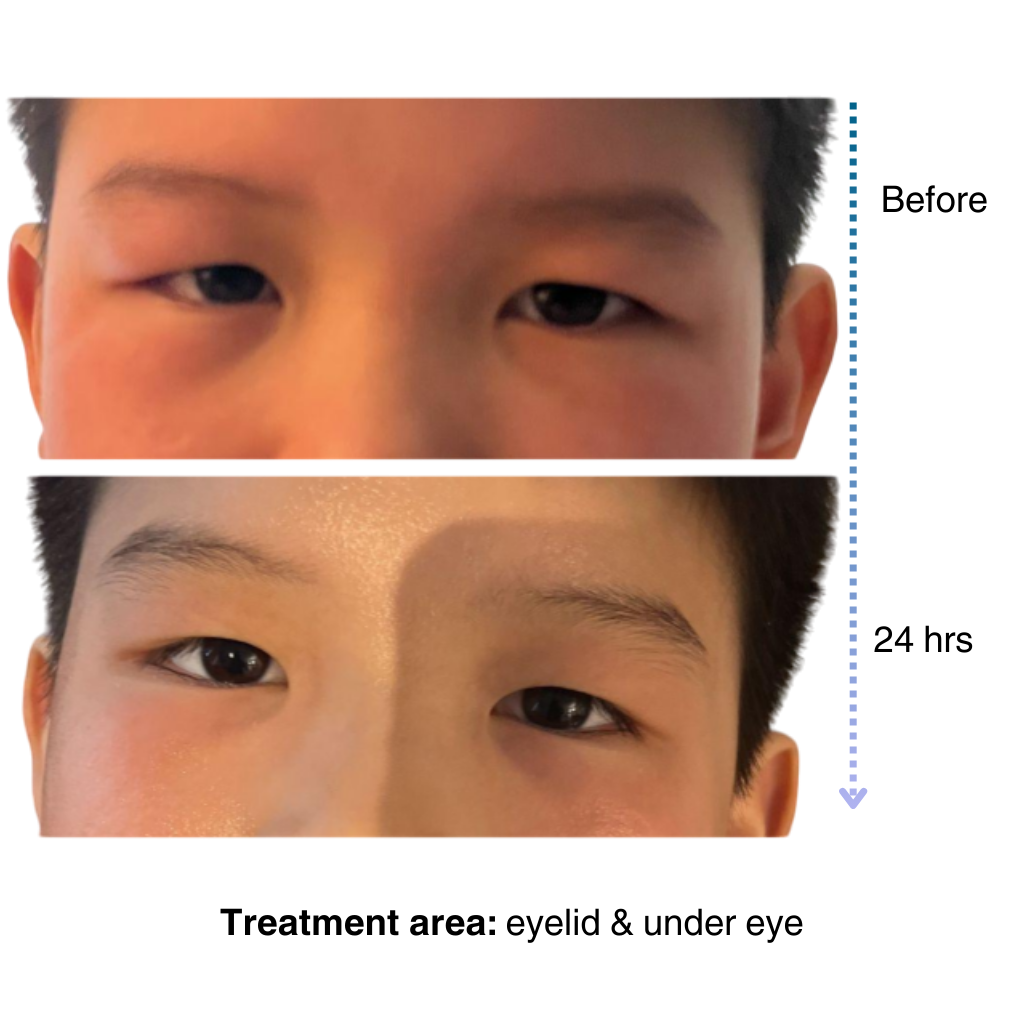
My 7-year old son has been dealing with eczema on his face for a long time, and it’s been so tough to find something that really works…..I’m amazed by the results! Within one day, the redness and rough patches on his face significantly improved…. he doesn’t mind using it at all because it doesn’t sting or feel greasy. – Lily

Get expert advice, exclusive offers, and real stories from people who understand your journey.
Start your skincare journey with an exclusive discount
Practical advice for managing sensitive and eczema-prone skin
Be the first to try our latest technology and product releases
Get 10% off your first order when you sign up
Secure & Private
Instant Access
Premium Content
Like many of you, our eczema journey is personal. That’s why we’re committed to creating a space for the eczema community to share experiences, be empowered through evidence-based solutions, and learn practical tips for daily life.
– Sajjad, Founder & CEO of NellaDerm
