
Eczema concerns?
FREE
Get instant expert guidance with our smart AI platform.
Join NowManaging eczema and arthritis together can feel overwhelming. Eczema dries and irritates the skin, while arthritis brings stiffness and joint pain. For many people, the hands are the primary site of both conditions, which makes everyday activities like cooking, typing, or washing up a challenge.
This expanded guide explores the science behind eczema and arthritis, practical hand-care routines, protective habits, and lifestyle tips designed to relieve both skin and joint discomfort.
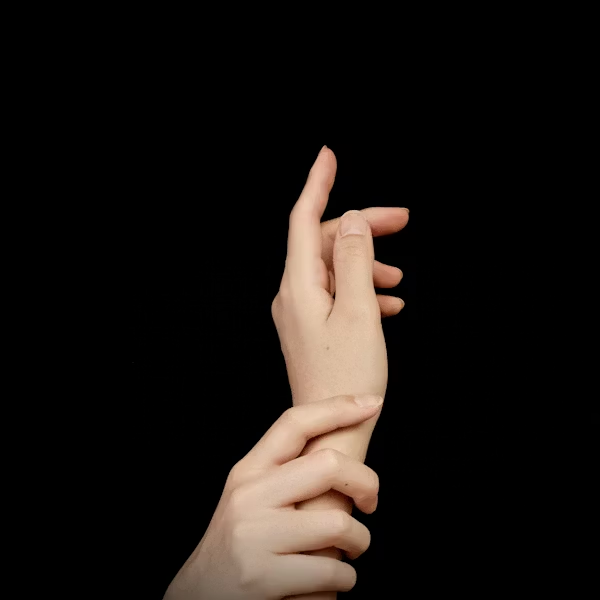
Eczema (atopic dermatitis) is an inflammatory skin condition characterized by itching, redness, and barrier dysfunction. Arthritis refers to inflammation in the joints, which can result in pain, swelling, and reduced mobility.
Though separate conditions, they share several overlapping features:
2020 research in Frontiers highlights that immune pathways, including cytokines like interleukin-17 and interleukin-23, play roles in both eczema and inflammatory arthritis. This shared biology explains why flare-ups can sometimes occur in parallel.
The hands are exposed to constant movement, water, soaps, and friction. For individuals with eczema and arthritis, hand care is not only about soothing skin but also about protecting mobility and reducing strain. The right routine can support both conditions simultaneously.
Hand-washing is essential for hygiene, but frequent washing strips skin oils and worsens joint stiffness.
Practical tip: Keep travel-sized bottles of gentle cleanser and moisturizer in your bag, so you never skip moisturizing after hand hygiene.
Moisturizing is the foundation of hand care for both conditions. It repairs the skin barrier while supporting mobility by reducing stiffness.
Consider keeping a targeted product on hand such as NellaDerm’s NellaCalm Cream for flare-ups and daily support.
Everyday chores can stress joints and irritate skin. Building protective habits reduces discomfort.
For fabric choices that reduce irritation, see our guide on best fabrics for eczema.
Arthritis requires gentle mobility exercises to maintain joint function. When combined with eczema, exercises should be followed by moisturizing.
Always moisturize after exercises to avoid dryness or irritation.
Night is the best time for repair, when hands can rest without external stress.
This routine enhances skin healing and reduces joint stiffness upon waking.
Lifestyle plays a key role in managing eczema and arthritis.
Self-care routines help, but some cases require medical attention. Seek professional advice if:
Caring for hands affected by eczema and arthritis requires balancing skin protection with joint relief. With routines centered on gentle cleansing, frequent moisturizing, protective strategies, and lifestyle adjustments, it is possible to reduce flare-ups and regain comfort.
Consistency is key. By building hand-care into your daily routine, you can protect your skin barrier, maintain joint mobility, and live more comfortably with these overlapping conditions.
Q1: Can moisturizing improve arthritis pain?
Yes. While it does not treat arthritis directly, massaging moisturizer into the joints can increase flexibility and circulation, reducing discomfort.
Q2: What type of cream works best for both eczema and arthritis?
Thick, fragrance-free creams and ointments are most effective. Targeted products like NellaDerm Soothing Eczema Cream can reduce irritation while supporting joint comfort.
Q3: How often should I moisturize during the day?
At least three times daily—after hand-washing, before bed, and whenever dryness appears.
Q4: Are gloves safe for eczema?
Yes, but cotton gloves are best. When using rubber gloves, wear cotton liners underneath to prevent sweating and irritation.
Q5: Can diet affect eczema and arthritis symptoms?
Yes. Anti-inflammatory foods such as salmon, walnuts, and berries may help reduce flare-ups in both conditions.
Q6: Does stress really worsen eczema and arthritis?
Yes. Stress is a well-documented trigger for flare-ups in both conditions. Managing stress through mindfulness or exercise can ease symptoms.
Q7: What if my joint pain prevents me from applying creams properly?
Use pump dispensers instead of screw-top containers and ask for help from family or friends during severe flare-ups.
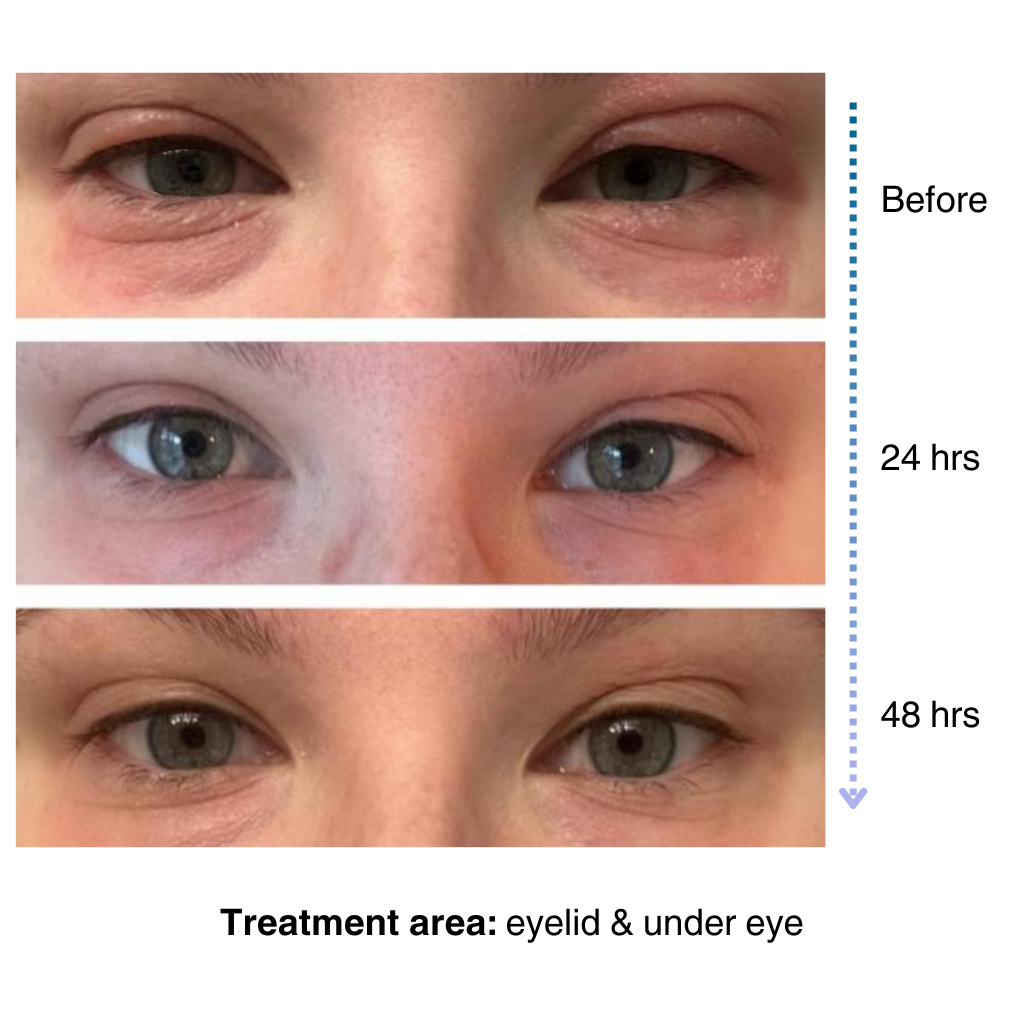
It’s easy to apply and isn’t chalky at all. I’ve been applying it multiple times a day… I’ve tried multiple new products to try and treat my eye eczema, and this is definitely the best I’ve tried so far.
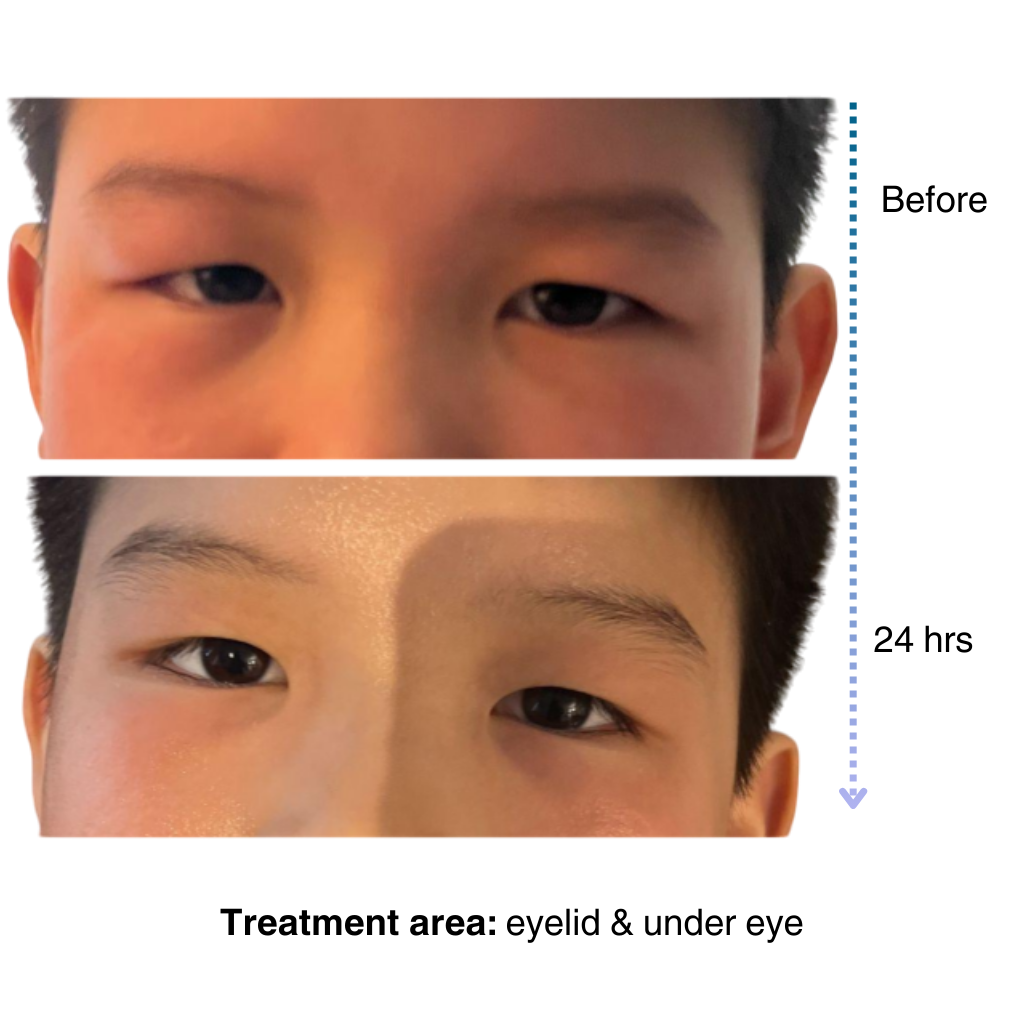
My 7-year old son has been dealing with eczema on his face for a long time, and it’s been so tough to find something that really works…..I’m amazed by the results! Within one day, the redness and rough patches on his face significantly improved…. he doesn’t mind using it at all because it doesn’t sting or feel greasy. – Lily

Get expert advice, exclusive offers, and real stories from people who understand your journey.
Start your skincare journey with an exclusive discount
Practical advice for managing sensitive and eczema-prone skin
Be the first to try our latest technology and product releases
Get 10% off your first order when you sign up
Secure & Private
Instant Access
Premium Content
Like many of you, our eczema journey is personal. That’s why we’re committed to creating a space for the eczema community to share experiences, be empowered through evidence-based solutions, and learn practical tips for daily life.
– Sajjad, Founder & CEO of NellaDerm
