Eczema concerns?
FREE
Get instant expert guidance with our smart AI platform.
Join NowEczema is one of the most common skin conditions in babies, affecting up to 20 percent of infants worldwide. Managing eczema in newborns requires special care because a baby’s skin is thinner, more sensitive, and more prone to irritation than an adult’s. Parents often worry about bath routines, diaper rash, and how much detail to share with their pediatrician.
This guide provides evidence-based strategies and practical tips to help parents navigate skincare for newborns with eczema—covering bathing, diaper care, affordable product choices, and medical conversations.
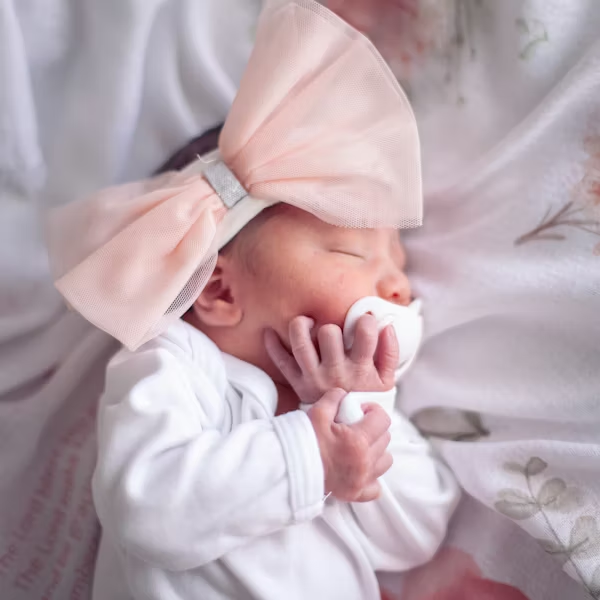
Eczema, also called atopic dermatitis, is an inflammatory skin condition. It appears as dry, red, itchy patches, often on the face, scalp, or in the folds of arms and legs. In newborns, skin barrier immaturity increases sensitivity to irritants such as soaps, fabrics, and detergents.
Key factors include:
According to research from the Journal of Pediatrics, infants with early-onset eczema may also have a higher risk of developing allergic conditions later in life.
Bathing is important for hygiene, but for babies with eczema, it requires balance: cleansing without drying out the skin.
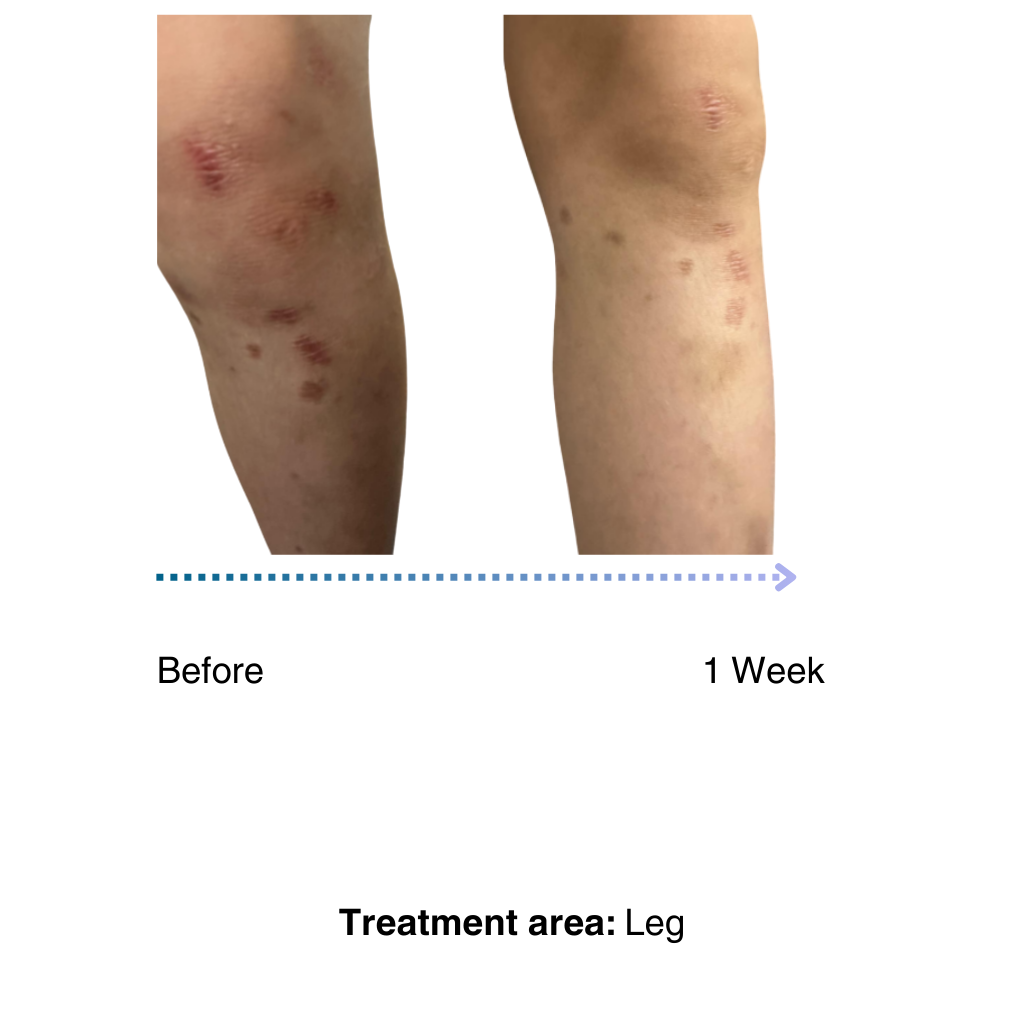
Affordable option: Petroleum jelly works well as a barrier, though many parents prefer gentle baby creams. For targeted relief, NellaDerm’s NellaCalm Cream is formulated for sensitive skin.
Diaper areas are prone to irritation due to constant moisture and friction. For babies with eczema in newborns, preventing diaper rash is especially critical.
If rashes persist, let the baby go diaper-free for short periods to allow skin to breathe.
Choosing the right products makes a big difference. Parents should look for:
Always patch-test new products on a small area of skin before full use.
Parents should monitor common irritants that worsen newborn eczema:
Practical tip: Wash baby clothes and bedding in fragrance-free detergent and run an extra rinse cycle.
Pediatricians rely on parents to describe symptoms accurately. Sharing clear details helps in diagnosis and treatment planning.
Be prepared to discuss:
Bring photos of flare-ups if symptoms vary day-to-day.
Managing eczema in newborns extends beyond skincare:
For more information to learn how to support loved ones with eczema, check out: Caring Hearts: Meaningful Support for Loved Ones Living with Eczema Care and Eczema: More Than Moisturizer
Call your pediatrician if:
In some cases, doctors may prescribe medicated ointments or recommend allergy testing.
Caring for eczema in newborns requires patience and consistent routines. Safe bathing practices, thoughtful diaper care, and the right skincare products form the foundation of management. Parents should also be proactive in sharing detailed observations with their pediatrician, as early guidance can make a lasting difference.
With the right approach, many babies experience relief from symptoms and healthier skin development.
Q1: Can newborns outgrow eczema?
Yes. Many infants improve by age 2–3, though some continue to experience symptoms into childhood.
Q2: Should I bathe my baby every day?
Yes, but keep baths short and use lukewarm water. Always moisturize immediately afterward.
Q3: Which is better for newborn eczema: cream or ointment?
Ointments (like petroleum jelly) are usually more effective for locking in moisture than lotions.
Q4: Can breastfeeding affect eczema in newborns?
Some research suggests breastfeeding may lower risk, but eczema is influenced by multiple factors. Discuss diet and feeding with your pediatrician.
Q5: How can I stop my baby from scratching?
Keep nails short, use baby mittens at night, and moisturize frequently to reduce itching.
Q6: Are natural remedies safe?
Not always. Some natural oils or herbal remedies can irritate newborn skin. Always check with your pediatrician before trying them.
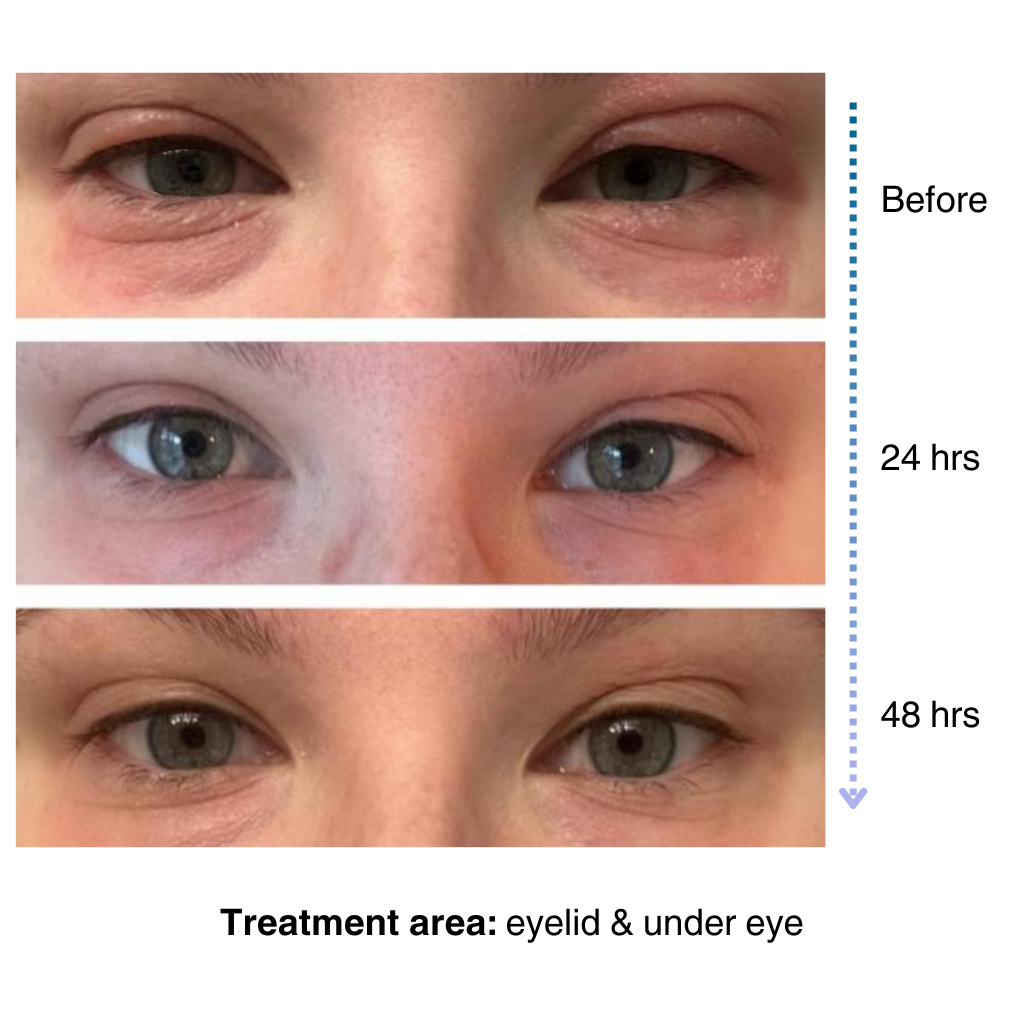
It’s easy to apply and isn’t chalky at all. I’ve been applying it multiple times a day… I’ve tried multiple new products to try and treat my eye eczema, and this is definitely the best I’ve tried so far.
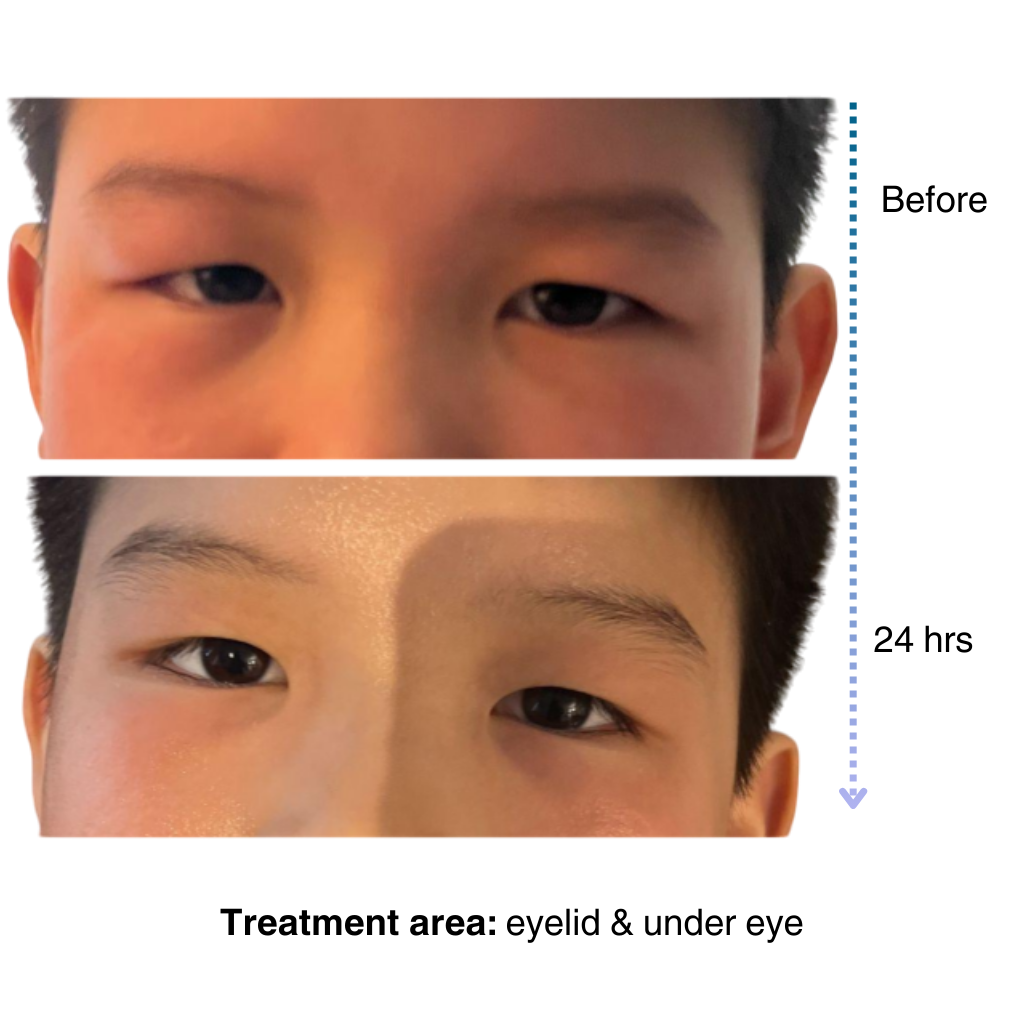
My 7-year old son has been dealing with eczema on his face for a long time, and it’s been so tough to find something that really works…..I’m amazed by the results! Within one day, the redness and rough patches on his face significantly improved…. he doesn’t mind using it at all because it doesn’t sting or feel greasy. – Lily

Get expert advice, exclusive offers, and real stories from people who understand your journey.
Start your skincare journey with an exclusive discount
Practical advice for managing sensitive and eczema-prone skin
Be the first to try our latest technology and product releases
Get 10% off your first order when you sign up
Secure & Private
Instant Access
Premium Content
Like many of you, our eczema journey is personal. That’s why we’re committed to creating a space for the eczema community to share experiences, be empowered through evidence-based solutions, and learn practical tips for daily life.
– Sajjad, Founder & CEO of NellaDerm
