
Eczema concerns?
FREE
Get instant expert guidance with our smart AI platform.
Join NowNail eczema is one of the more frustrating and often overlooked forms of eczema. It involves inflammation in and around the nails, causing discomfort that can affect appearance, confidence, and even basic daily activities. Because hands are constantly in use, flare-ups are hard to avoid, and routines such as manicures, cleaning, or even washing hands can become painful.
This article provides an in-depth look at nail eczema, including its symptoms, triggers, hand-care routines, manicure-safe products, and prevention strategies. With the right approach, it is possible to protect both nail health and skin comfort.
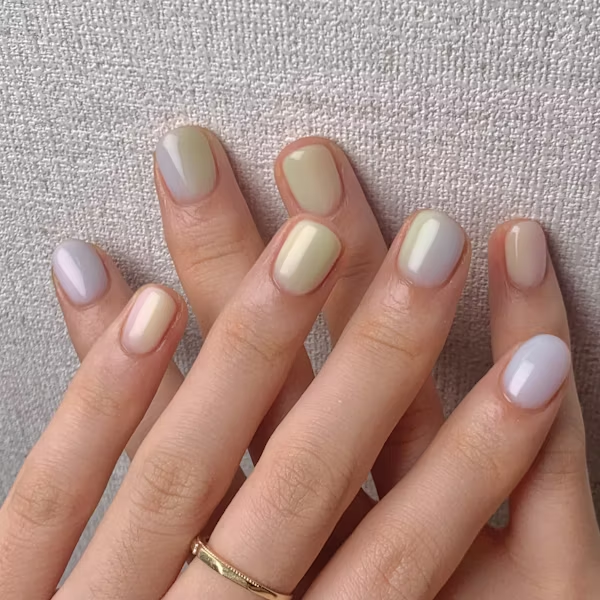
Nail eczema refers to inflammation of the skin around the nails, particularly the cuticles and nail folds. It may occur as part of chronic hand eczema or on its own. Unlike fungal infections, which directly invade the nail, eczema primarily affects the skin, though it can lead to secondary nail changes if left untreated.
In many cases, nail eczema causes:
The visible symptoms of nail eczema can also affect confidence, especially for those who enjoy manicures or work in professions where hands are on display. Dermatologists emphasize early treatment to prevent long-term nail damage.
A study on hand eczema from Contact Dermatitis noted that chronic forms can significantly impair quality of life, with nails being one of the most visible and functionally important areas.
Recognizing nail eczema is important for early intervention. Common symptoms include:
Because nails grow slowly, visible damage such as ridges or brittleness can take months to fully resolve, even after eczema is managed.
Nail eczema is often triggered by environmental or lifestyle factors that irritate sensitive skin. The most common triggers include:
Avoiding these triggers is a cornerstone of long-term management.
Good hand and nail care routines reduce flare-ups and protect against irritation.
Developing consistency with these habits is more important than using expensive products.
Many people with nail eczema worry they must give up manicures entirely. While traditional salon manicures may worsen symptoms, there are manicure-safe approaches and products that minimize irritation.
A reliable option for daily cuticle relief is NellaDerm’s NellaCalm Cream, formulated for sensitive, eczema-prone skin.
Moisturizing is one of the most effective steps in treating nail eczema. A structured routine helps repair the skin barrier and prevent cracks.
Budget-conscious options like petroleum jelly are effective, but specialized creams provide added relief during flare-ups. Check out NellaDerm’s blog about Eczema on Hands Treatment: How to Heal, Soothe, and Prevent Flare-Ups for an all-encompassing guide for eczema on hands.
Lifestyle habits can either aggravate or soothe eczema. Key strategies include:
For those with frequent hand irritation, see our related guide on best fabrics for eczema, which covers materials that reduce irritation when handling clothing or towels.
Cracks around the nails make it easier for bacteria and fungi to enter. To prevent infection:
If signs of infection appear, such as swelling, pus, or spreading redness, medical treatment is required.
Seek professional advice if:
A dermatologist may recommend medicated creams, antifungal treatments, or allergy testing to identify contact allergens.
Living with nail eczema requires patience, consistency, and protective strategies. By recognizing symptoms, avoiding triggers, and adopting manicure-safe habits, it is possible to protect nail health without giving up personal care routines.
The combination of regular moisturizing, safe product choices, and lifestyle adjustments creates the foundation for long-term relief. With the right approach, you can reduce flare-ups, protect your nails, and regain confidence in your hands.
Q1: Can nail polish worsen nail eczema?
Yes. Many polishes contain allergens that worsen eczema. Hypoallergenic “3-free” or higher polishes are safer alternatives.
Q2: Is nail eczema the same as psoriasis?
No. Nail psoriasis can mimic eczema but involves different disease mechanisms. A dermatologist can confirm the diagnosis.
Q3: How long does it take for nail eczema to heal?
Skin around nails may improve within weeks, but nail ridges or brittleness may take months due to slow nail growth.
Q4: Are natural oils safe for nail eczema?
Some, like coconut oil, may help, but others can irritate sensitive skin. Always patch-test before use.
Q5: Can nail eczema become permanent?
Chronic untreated eczema can cause long-term nail changes. Early care helps reduce this risk.
Q6: Are salon manicures safe with nail eczema?
They can be if hypoallergenic products and sterilized tools are used, but at-home manicures are often safer.
Q7: How can I protect my nails at work?
Use protective gloves for wet or chemical tasks and reapply moisturizer regularly throughout the day.
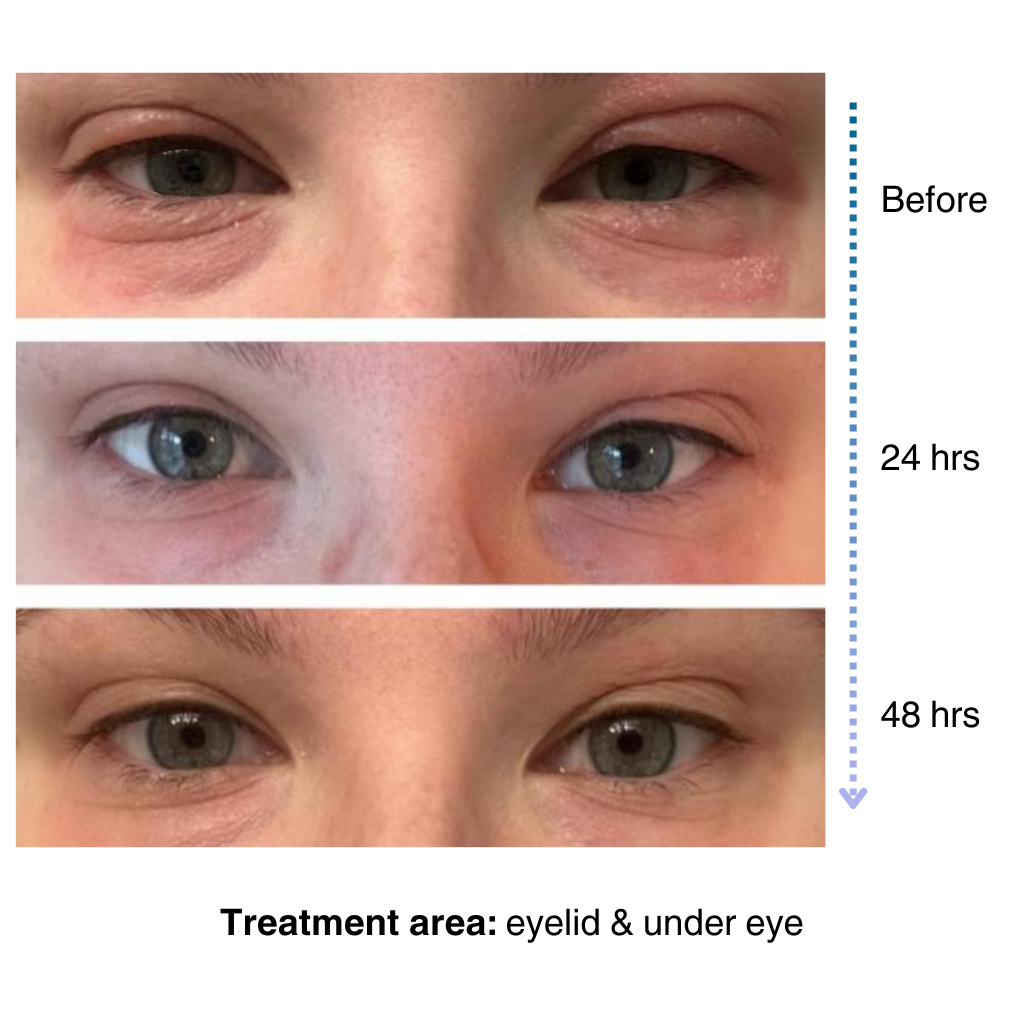
It’s easy to apply and isn’t chalky at all. I’ve been applying it multiple times a day… I’ve tried multiple new products to try and treat my eye eczema, and this is definitely the best I’ve tried so far.
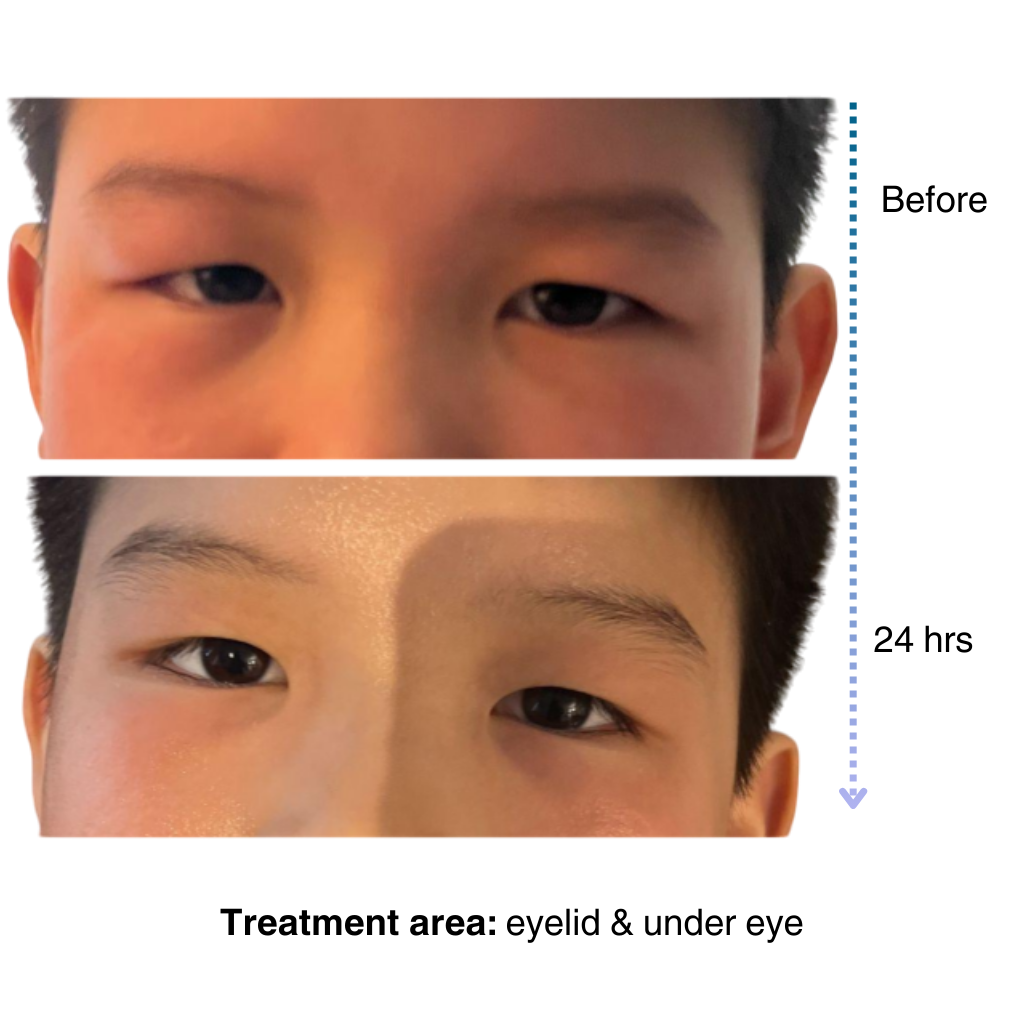
My 7-year old son has been dealing with eczema on his face for a long time, and it’s been so tough to find something that really works…..I’m amazed by the results! Within one day, the redness and rough patches on his face significantly improved…. he doesn’t mind using it at all because it doesn’t sting or feel greasy. – Lily

Get expert advice, exclusive offers, and real stories from people who understand your journey.
Start your skincare journey with an exclusive discount
Practical advice for managing sensitive and eczema-prone skin
Be the first to try our latest technology and product releases
Get 10% off your first order when you sign up
Secure & Private
Instant Access
Premium Content
Like many of you, our eczema journey is personal. That’s why we’re committed to creating a space for the eczema community to share experiences, be empowered through evidence-based solutions, and learn practical tips for daily life.
– Sajjad, Founder & CEO of NellaDerm
