
Eczema concerns?
FREE
Get instant expert guidance with our smart AI platform.
Join NowLiving with keloids and eczema is particularly challenging, especially for people with darker skin tones who are more prone to keloid formation. Eczema flare-ups can leave behind scars, and when healing is disrupted, thick, raised keloids may develop. These scars can be itchy, tender, and long-lasting, affecting both comfort and confidence.
This guide explores the connection between eczema and keloids, the science behind scar formation on darker skin, and safe strategies for prevention and management.
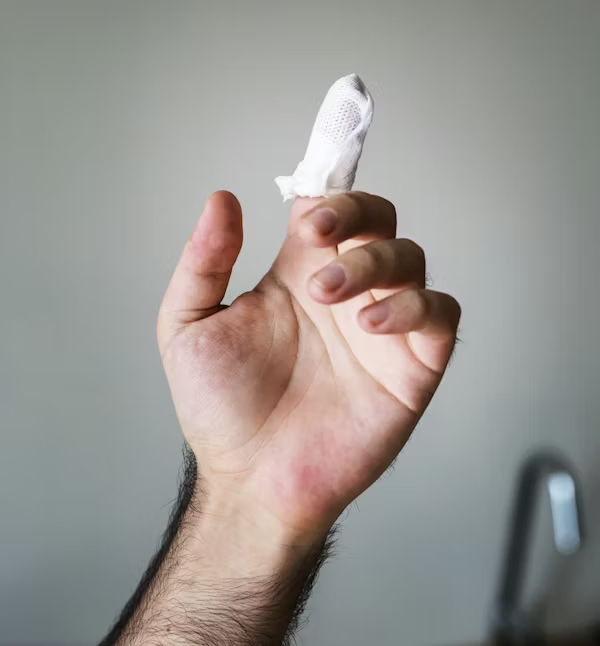
Eczema (atopic dermatitis) is an inflammatory skin condition characterized by itching, redness, and flare-ups that can damage the skin barrier. Scratching and repeated inflammation can leave behind scars.
Keloids are an abnormal type of scar that grows beyond the original wound site. Unlike normal scars, keloids form when the body produces excess collagen during healing. They are more common in individuals with darker skin tones, particularly those of African, Hispanic, or South Asian descent.
When eczema lesions heal, they may trigger the same scarring pathway, creating thickened, raised scars that can last for years.
A review in the Journal of Clinical and Aesthetic Dermatology highlights that keloids are up to 15 times more common in people with darker skin tones due to differences in collagen structure and skin biology.
Not everyone who experiences eczema scars develops keloids, but those with darker skin face higher risks. This is due to:
The combination of chronic eczema flare-ups and keloid-prone skin creates a cycle of irritation, scarring, and long-term skin changes.
It is important to distinguish between normal scarring and keloids after eczema.
Normal eczema scars:
Keloid scars:
Recognizing keloids early allows for better management options before they grow larger.
Preventing scarring is easier than treating keloids after they develop. Strategies for eczema management on keloid-prone skin include:
Daily use of fragrance-free creams helps maintain skin barrier function. For targeted flare-ups, NellaDerm’s NellaCalm Cream provides gentle relief without harsh additives.
If keloids have already formed, treatment focuses on reducing discomfort and minimizing their appearance. Options include:
At-home care with consistent moisturizing and sun protection can complement medical treatments.
Even when keloids do not form, eczema often leaves behind dark marks, especially on darker skin. This is called post-inflammatory hyperpigmentation (PIH).
Tips for managing PIH:
For more on skin-friendly materials, see our guide on best fabrics for eczema.
Because keloids and eczema both involve chronic inflammation, lifestyle strategies can make a meaningful difference.
Medical advice is important if you notice:
Dermatologists can provide customized treatment plans that combine eczema management with scar prevention strategies.
Managing keloids and eczema on darker skin requires a dual approach: controlling flare-ups to prevent scars and addressing keloids early when they form. Consistent moisturizing, avoiding scratching, and using safe products form the foundation of prevention. When scars develop, dermatologists can offer treatments to reduce their appearance and symptoms.
Though keloids can be long-lasting, they do not have to define your skin. With the right care strategies, it is possible to minimize scarring, reduce discomfort, and support healthier skin over time.
Q1: Can eczema directly cause keloids?
Not directly. Eczema itself does not cause keloids, but repeated inflammation, scratching, and trauma to the skin increase the risk of keloid formation.
Q2: Are keloids permanent?
Keloids do not fade on their own, but treatments such as corticosteroid injections or silicone gels can reduce their size and discomfort.
Q3: Does sunscreen really help with eczema scars?
Yes. Sun exposure can worsen hyperpigmentation and make scars more visible. Daily sunscreen use is essential.
Q4: Can children with eczema develop keloids?
Yes, children with darker skin who have severe eczema may develop keloids, especially if they scratch frequently. Early intervention is important.
Q5: What is the safest way to treat keloids at home?
Moisturizing, using silicone gels, and avoiding trauma to the area are safe options. Always consult a dermatologist before trying stronger treatments.
Q6: Are keloid treatments different for darker skin?
Yes. Certain treatments like aggressive laser therapy can cause pigmentation changes. Dermatologists often adjust strategies for darker skin to avoid complications.
Q7: Can diet reduce keloid risk?
Diet cannot prevent keloids entirely, but eating anti-inflammatory foods may support overall skin healing.
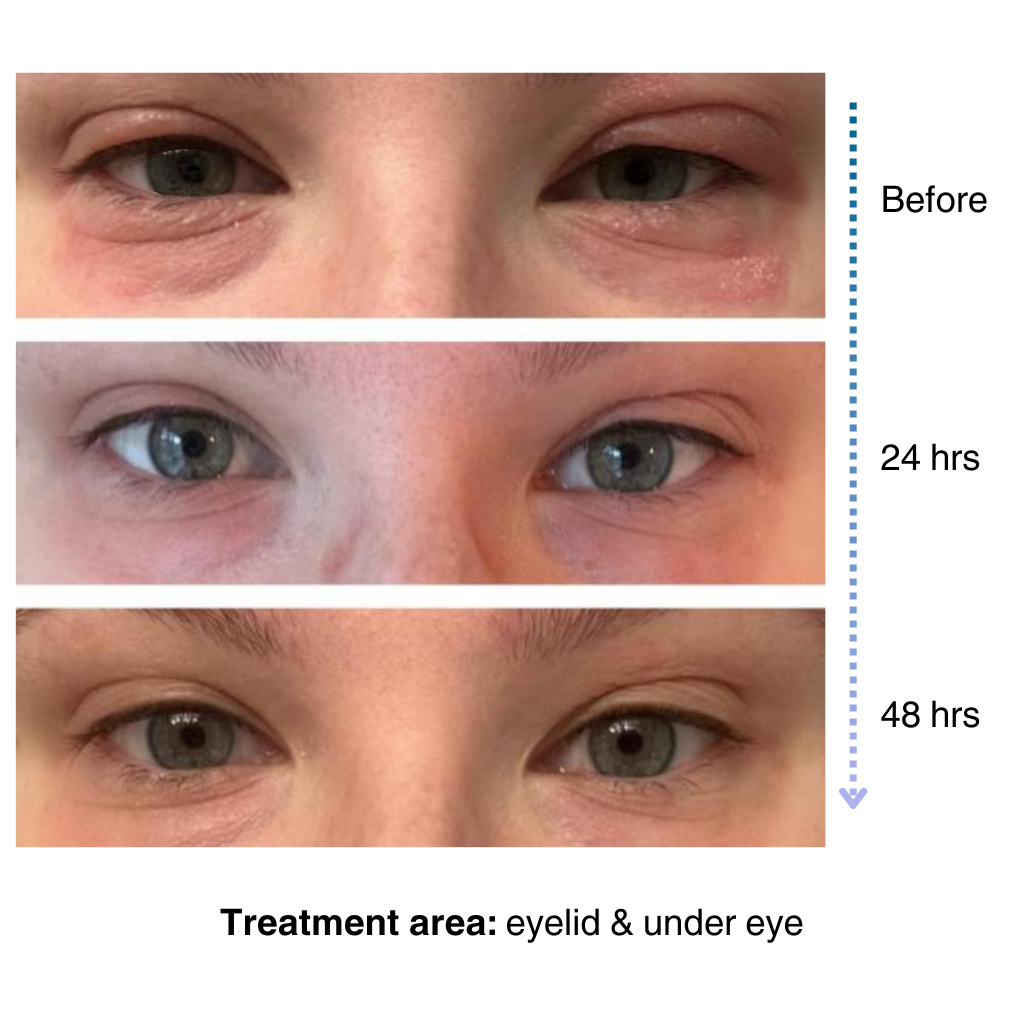
It’s easy to apply and isn’t chalky at all. I’ve been applying it multiple times a day… I’ve tried multiple new products to try and treat my eye eczema, and this is definitely the best I’ve tried so far.
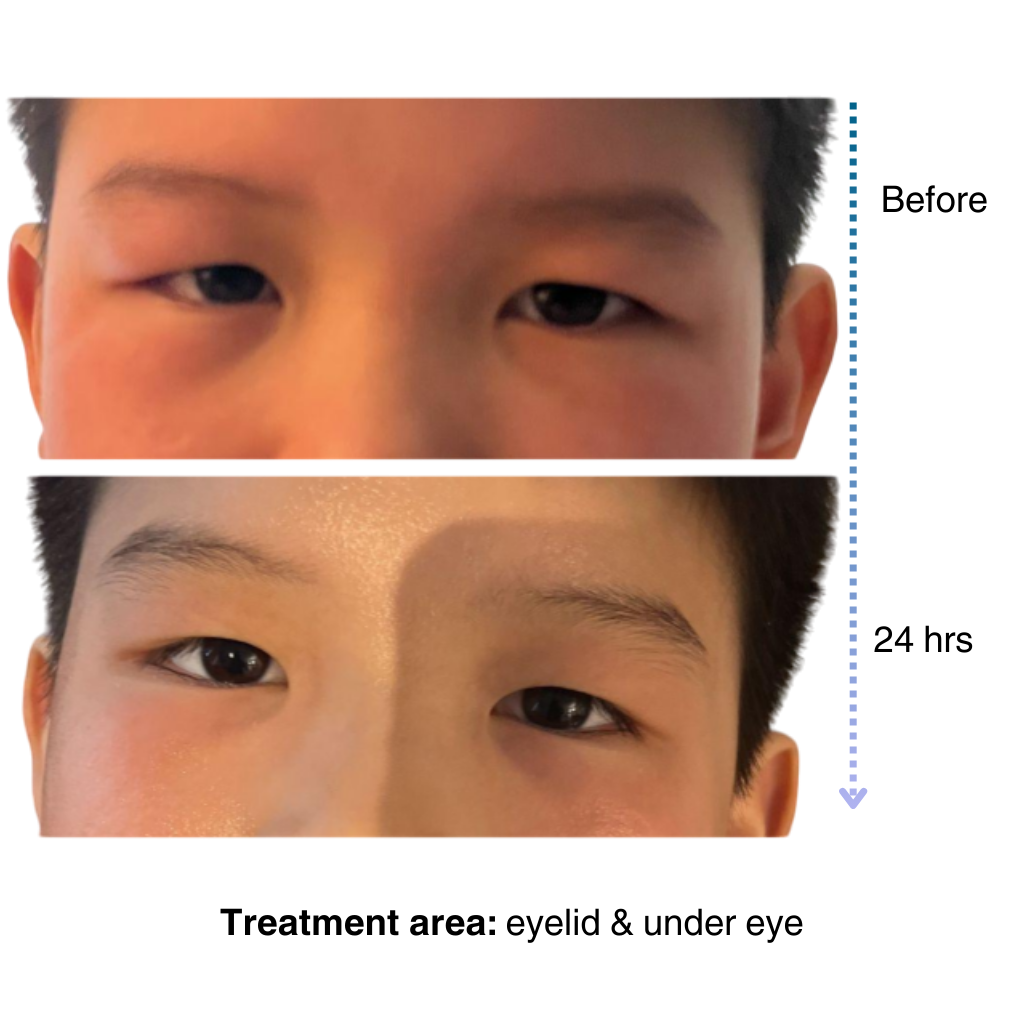
My 7-year old son has been dealing with eczema on his face for a long time, and it’s been so tough to find something that really works…..I’m amazed by the results! Within one day, the redness and rough patches on his face significantly improved…. he doesn’t mind using it at all because it doesn’t sting or feel greasy. – Lily

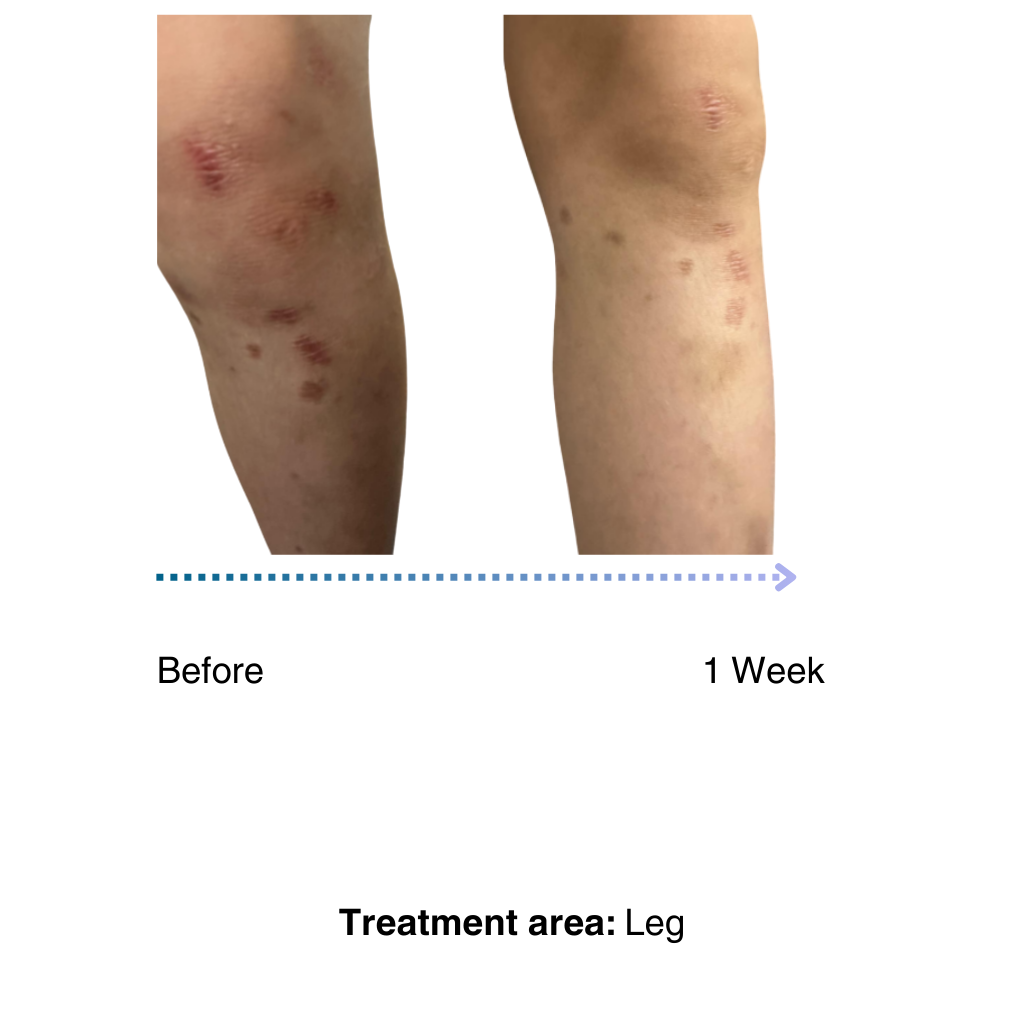
Get expert advice, exclusive offers, and real stories from people who understand your journey.
Start your skincare journey with an exclusive discount
Practical advice for managing sensitive and eczema-prone skin
Be the first to try our latest technology and product releases
Get 10% off your first order when you sign up
Secure & Private
Instant Access
Premium Content
Like many of you, our eczema journey is personal. That’s why we’re committed to creating a space for the eczema community to share experiences, be empowered through evidence-based solutions, and learn practical tips for daily life.
– Sajjad, Founder & CEO of NellaDerm
