
Eczema concerns?
FREE
Get instant expert guidance with our smart AI platform.
Join NowManaging humidity eczema is one of the most overlooked aspects of skincare. While lotions and creams get much of the attention, the environment in which you sleep plays a major role in skin healing. Low humidity dries out the skin, while high humidity encourages sweating and irritation. For people with eczema, finding the right balance is essential for reducing flare-ups and restoring skin barrier health.
This guide explores overnight humidity hacks and practical bedroom tweaks that support eczema-prone skin. From humidifiers and bedding to skincare layering, you will learn how to optimize your nighttime environment for better rest and faster skin recovery.

Eczema, or atopic dermatitis, is characterized by a weakened skin barrier that struggles to retain moisture. Environmental conditions, particularly humidity levels, directly impact how the skin behaves.
Research from the Journal of Investigative Dermatology confirms that relative humidity has a measurable effect on eczema severity, with both extremes contributing to flare-ups.
This makes the bedroom, where you spend one-third of your day, an important environment to optimize.
Experts recommend keeping indoor humidity between 40–60 percent for optimal skin health.
A simple digital hygrometer can help monitor humidity in your bedroom so you can make adjustments as needed.
Humidifiers are one of the most effective tools for preventing humidity eczema during dry months. However, they must be used correctly.
Budget tip: If a humidifier is not affordable, placing a bowl of water near a heat source can slightly increase humidity levels. Refer to our blog about humidifiers for more information: Humidifiers for Eczema: What Dermatologists Recommend.
Your skin heals best when supported with the right products before bed.
This layered approach works especially well in dry bedroom environments.
Your sheets and blankets have constant contact with your skin. The wrong fabrics trap heat and irritate eczema patches.
For more detail on fabric safety, see our guide on best fabrics for eczema.
Temperature and humidity work together to influence eczema symptoms.
Maintaining a stable environment prevents sudden changes that trigger itching.
Good airflow prevents both overly dry and overly damp conditions.
Balanced ventilation ensures the air remains comfortable and less irritating to eczema-prone skin.
Eczema often overlaps with allergies, which can be triggered by dust mites and mold thriving in humid conditions.
Reducing allergens in the sleep environment improves both eczema and sleep quality.
Skin hydration starts inside the body. Drink water consistently throughout the day so your skin has the resources it needs to repair overnight. Avoid excessive caffeine or alcohol in the evening, which dehydrate the body and worsen dryness.
Stress is a major eczema trigger, and bedtime is the perfect time to incorporate relaxation techniques.
By combining stress management with environmental tweaks, your skin has the best chance to heal.
See a dermatologist if:
Medical treatments may include prescription creams or light therapy to complement environmental care.
Caring for humidity eczema means going beyond skincare products to consider your bedroom environment. By optimizing humidity, choosing breathable bedding, layering moisturizers, and keeping allergens in check, you can create the conditions your skin needs to heal overnight.
Consistency matters more than any single hack. With the right adjustments, your bedroom can become a true healing environment, allowing you to wake up with calmer, healthier skin.
Q1: What is the best humidity level for eczema?
Around 40 to 60 percent. Too low dries the skin, too high encourages mold and sweating.
Q2: Can humidifiers cure eczema?
No. They help manage symptoms by preventing dryness, but skincare and medical treatment are still essential.
Q3: Do dehumidifiers help with eczema?
Yes, in damp climates. They reduce mold and dust mite growth, both common triggers.
Q4: Is it safe to sleep with a humidifier on all night?
Yes, as long as it is cleaned daily and positioned safely in the room.
Q5: Which fabrics are best for eczema-prone skin?
Soft, breathable fabrics like cotton and bamboo. Avoid wool and synthetics.
Q6: Why does my eczema get worse at night?
Skin temperature rises overnight, increasing itching. Dry air and sweating also worsen symptoms.
Q7: Can diet affect how humidity impacts eczema?
Indirectly. Hydration and anti-inflammatory foods can support skin resilience, but humidity management is still necessary.
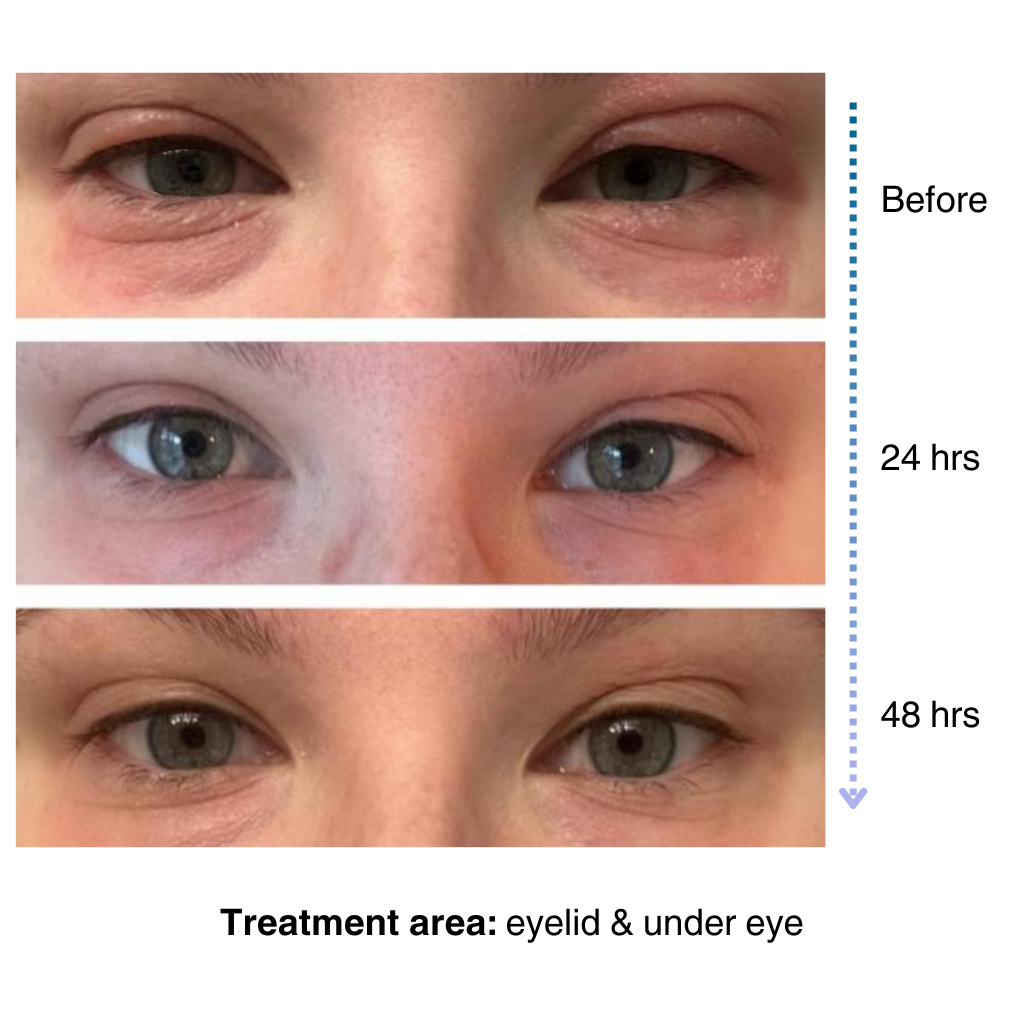
It’s easy to apply and isn’t chalky at all. I’ve been applying it multiple times a day… I’ve tried multiple new products to try and treat my eye eczema, and this is definitely the best I’ve tried so far.
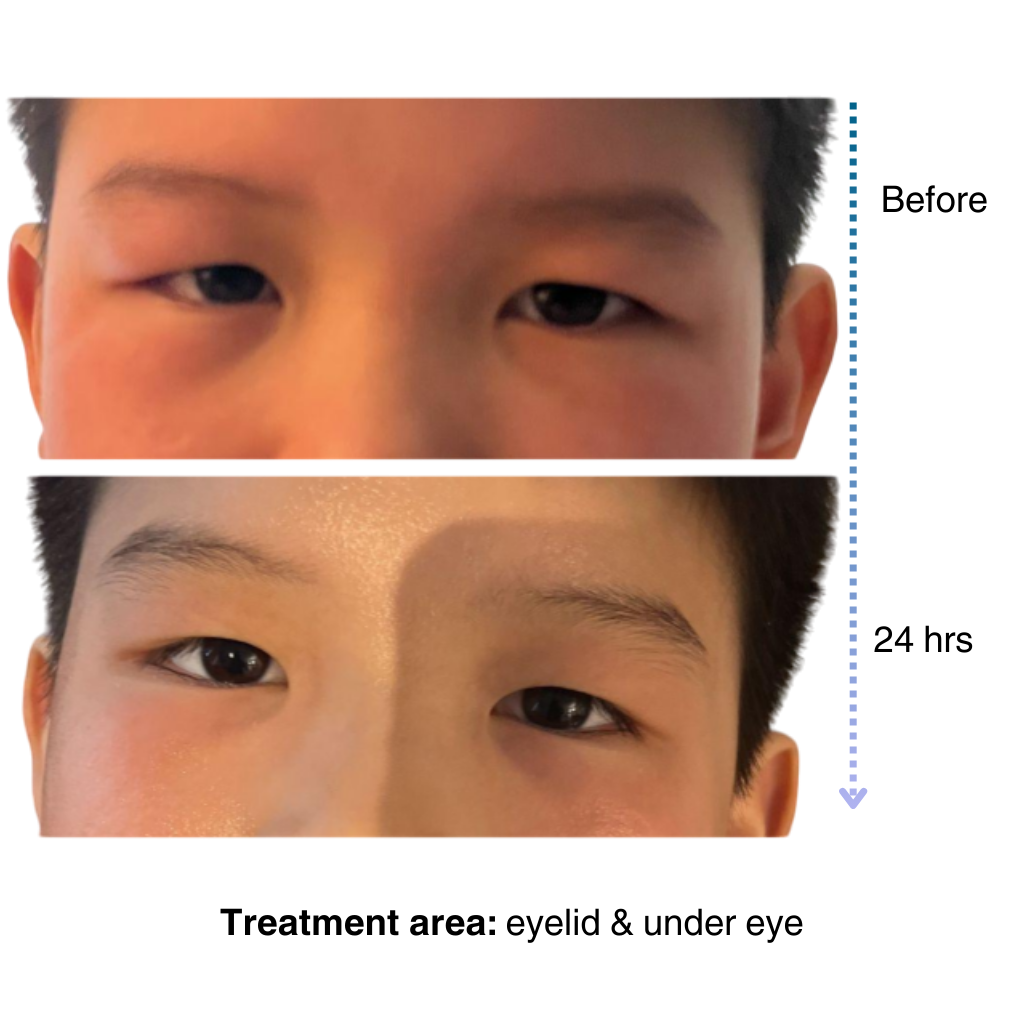
My 7-year old son has been dealing with eczema on his face for a long time, and it’s been so tough to find something that really works…..I’m amazed by the results! Within one day, the redness and rough patches on his face significantly improved…. he doesn’t mind using it at all because it doesn’t sting or feel greasy. – Lily

Get expert advice, exclusive offers, and real stories from people who understand your journey.
Start your skincare journey with an exclusive discount
Practical advice for managing sensitive and eczema-prone skin
Be the first to try our latest technology and product releases
Get 10% off your first order when you sign up
Secure & Private
Instant Access
Premium Content
Like many of you, our eczema journey is personal. That’s why we’re committed to creating a space for the eczema community to share experiences, be empowered through evidence-based solutions, and learn practical tips for daily life.
– Sajjad, Founder & CEO of NellaDerm
