
Eczema concerns?
FREE
Get instant expert guidance with our smart AI platform.
Join NowEczema moisturizers should focus on three types of ingredients to repair the compromised skin barrier and prevent Transepidermal Water Loss (TEWL).
| Ingredient Type | Function | Key Eczema Ingredients |
|---|---|---|
| Occlusives | Form a physical barrier on the skin’s surface to prevent water loss. | Petrolatum (Petroleum Jelly), Mineral Oil, Shea Butter, Dimethicone |
| Emollients | Fill the gaps between skin cells (lipids) to smooth and soften the skin. | Ceramides (e.g., Ceramide NP), Fatty Acids, Cholesterol |
| Humectants | Attract and bind water to the skin’s surface. | Glycerin, Hyaluronic Acid, Urea, Panthenol (Vitamin B5) |
These are essential lipids that make up the skin barrier. Eczema skin is often deficient in ceramides, so creams containing them (like CeraVe or Cetaphil Restoraderm) help literally rebuild the barrier.
An FDA-approved active ingredient that acts as a skin protectant. It contains anti-inflammatory compounds (avenanthramides) that effectively soothe redness and intense itch.
Considered the gold standard occlusive. It creates the most effective waterproof barrier to lock in hydration, making it ideal for severe dryness and patches.
The thickness of the moisturizer dictates its effectiveness, especially for barrier repair.
| Formulation | Oil Content | Feel & Use Case | Dermatologist Recommendation |
|---|---|---|---|
| Ointment | High (80% oil, 20% water) | Greasy, thick. Best for severe, cracked, or thickened patches. Excellent at sealing moisture. | Best for active flares and nighttime use. May be too heavy for daytime or hot weather. |
| Cream | Balanced (50% oil, 50% water) | Less greasy, holds its shape. Easy to spread over large body areas. | Best for daily maintenance and moderate eczema. Preferred for daytime use. |
| Lotion | Low (Mostly water) | Thinnest, non-greasy. | Generally not recommended for chronic eczema as it contains less oil and may require more preservatives (potential irritants). |
Pro Tip: For maximum benefit, dermatologists often recommend applying a cream first (to introduce humectants and ceramides) and then layering a thin ointment (like plain Vaseline or Aquaphor) on top of the most irritated patches to seal everything in.
To minimize irritation and prevent new flares, eczema sufferers should strictly avoid common sensitizers and irritants, even if the product is marketed as “natural.”
| Ingredient | Why to Avoid |
|---|---|
| Fragrance (Parfum) | The single most common trigger for contact dermatitis in eczema patients. Avoid all products listing ‘fragrance’ or ‘parfum,’ even if the scent is “natural.” |
| Dyes and Colorants | Unnecessary chemicals that increase the risk of skin irritation. |
| Alcohol | Avoid drying alcohols (like Ethanol, Isopropyl Alcohol, Alcohol Denat.), which strip lipids and dry out the skin. (Note: Fatty alcohols like Cetyl or Stearyl Alcohol are safe emollients). |
| Essential Oils | Many essential oils (tea tree, lavender, citrus) are potent allergens that can cause severe reactions on compromised skin. |
The easiest way to filter out unsuitable products is to look for the National Eczema Association (NEA) Seal of Acceptance™ or the Eczema Society of Canada (ESC) Seal of Acceptance.
Products bearing this seal have been scientifically reviewed by experts and confirmed to be free of ingredients known to irritate eczema or sensitive skin, including:
Examples of NEA-Accepted Brands: Aveeno Eczema Therapy, CeraVe, Cetaphil Restoraderm, Vanicream, Eucerin Eczema Relief, and plain Vaseline.
Choosing the right moisturizer is only half the battle. You must apply it correctly using the “Soak and Seal” method:
Would you like me to find a specific NEA-accepted cream or ointment for your particular skin area (e.g., face, hands, or body)?
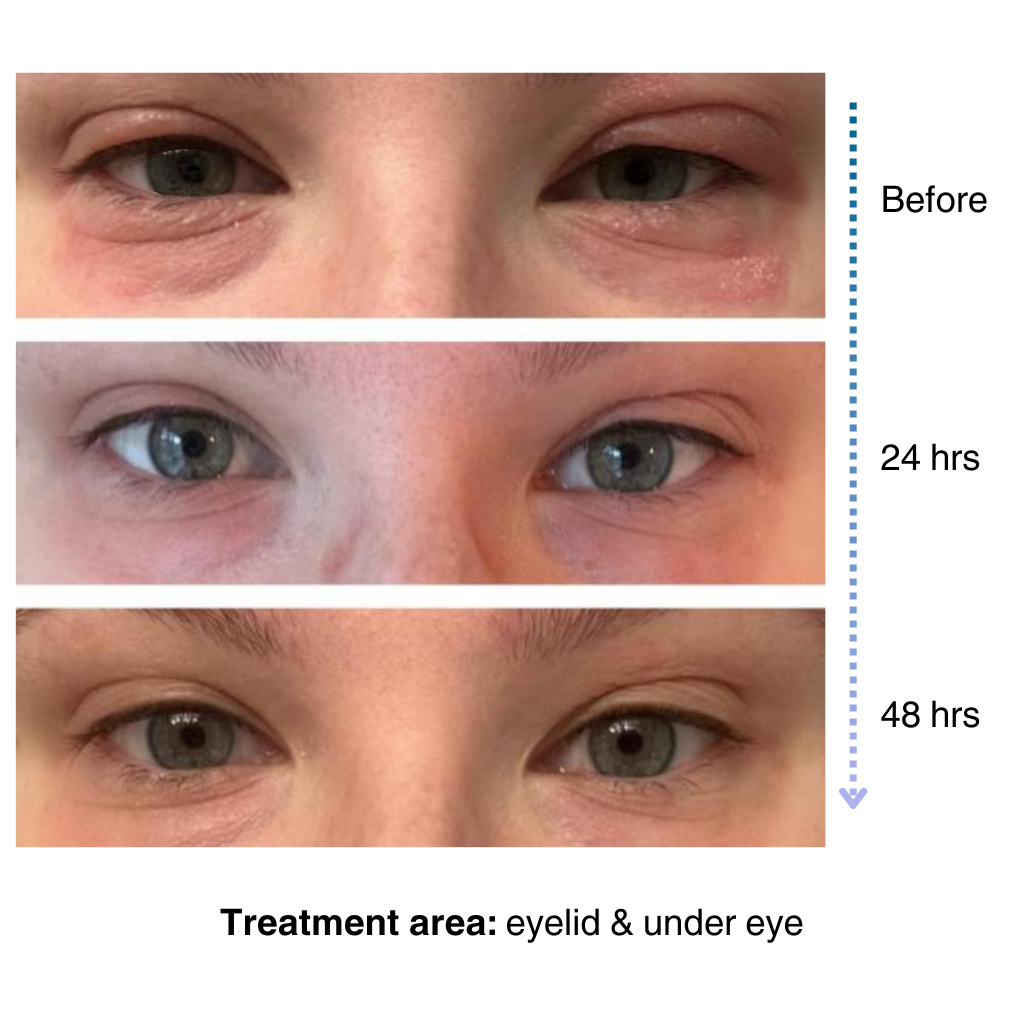
It’s easy to apply and isn’t chalky at all. I’ve been applying it multiple times a day… I’ve tried multiple new products to try and treat my eye eczema, and this is definitely the best I’ve tried so far.
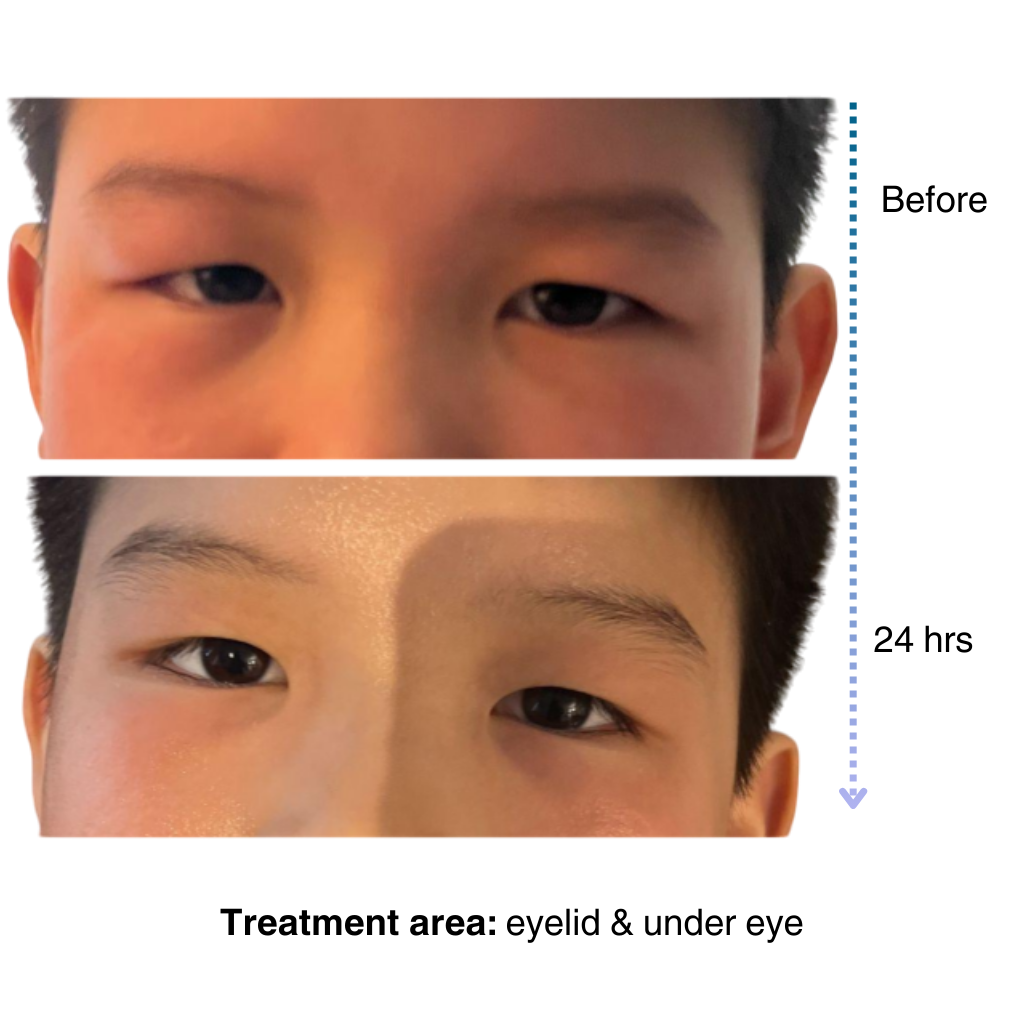
My 7-year old son has been dealing with eczema on his face for a long time, and it’s been so tough to find something that really works…..I’m amazed by the results! Within one day, the redness and rough patches on his face significantly improved…. he doesn’t mind using it at all because it doesn’t sting or feel greasy. – Lily

Like many of you, our eczema journey is personal. That’s why we’re committed to creating a space for the eczema community to share experiences, be empowered through evidence-based solutions, and learn practical tips for daily life.
– Sajjad, Founder & CEO of NellaDerm
