Are Natural Products Always Better?
Many people assume that natural products are always safer and more effective than synthetic alternatives. However, not all natural ingredients are beneficial—some can cause irritation or allergic reactions. Understanding why ingredient function and safety trump origin can help you make informed choices.
Natural vs. Synthetic: The Reality Check
Natural products
Derived from plants, minerals, or animal sources with minimal processing.
Pro: Can contain antioxidants and beneficial lipids (e.g., shea butter, colloidal oatmeal).
Con: Variable potency, high risk of microbial contamination if poorly preserved, and frequently contain potent allergens (e.g., essential oils).
Synthetic products
Created in labs to mimic natural compounds or enhance effectiveness.
Pro: Consistent purity, stable, tested extensively for safety, and can be engineered for optimal skin absorption (e.g., medical-grade Hyaluronic Acid, prescription Retinoids).
Con: Some traditional synthetic ingredients (e.g., certain parabens or formaldehyde releasers) have raised consumer concerns and should be checked.
Misleading labels: Terms like “organic” and “natural” are not always regulated in skincare, meaning a product can be labeled “natural” even if it contains a tiny percentage of plant extract alongside synthetic irritants. It is essential to check the ingredient list, not just the marketing claims.
The Danger of Reactive Natural Ingredients
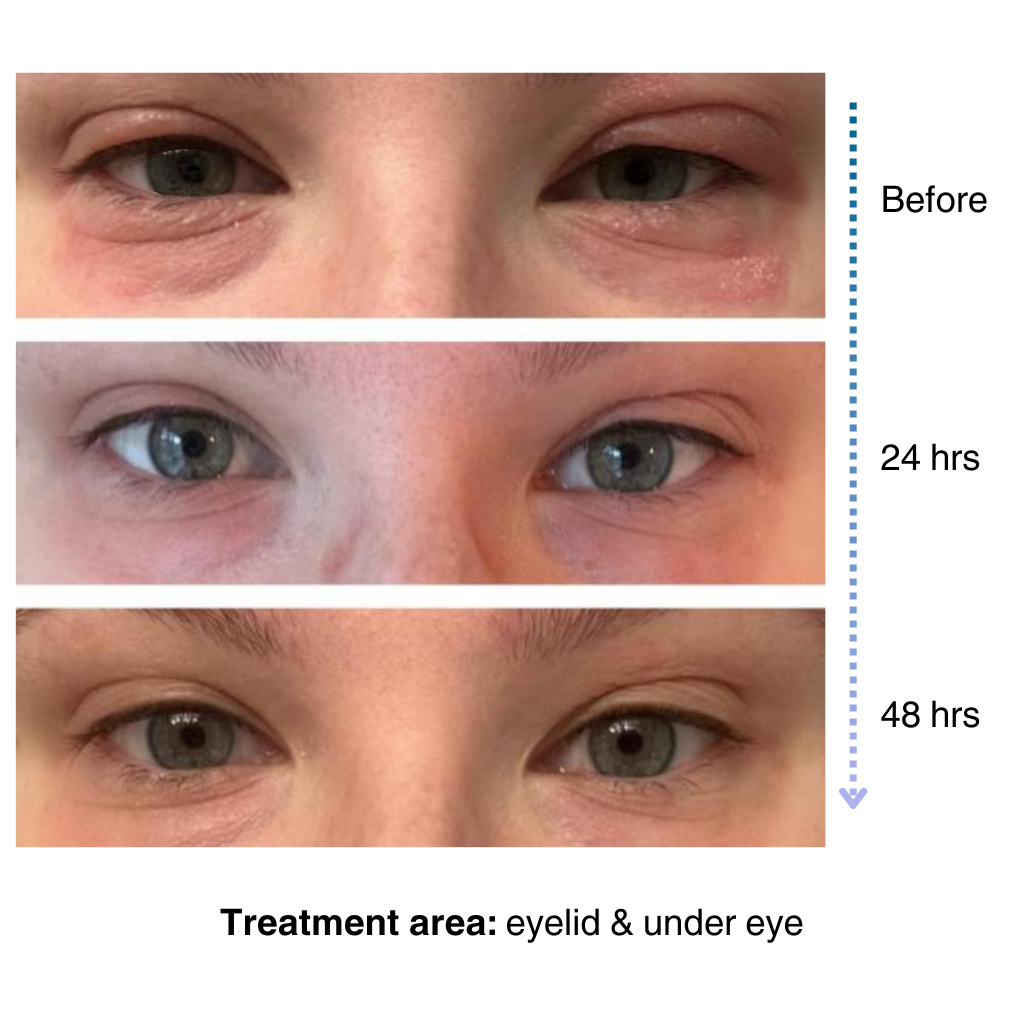
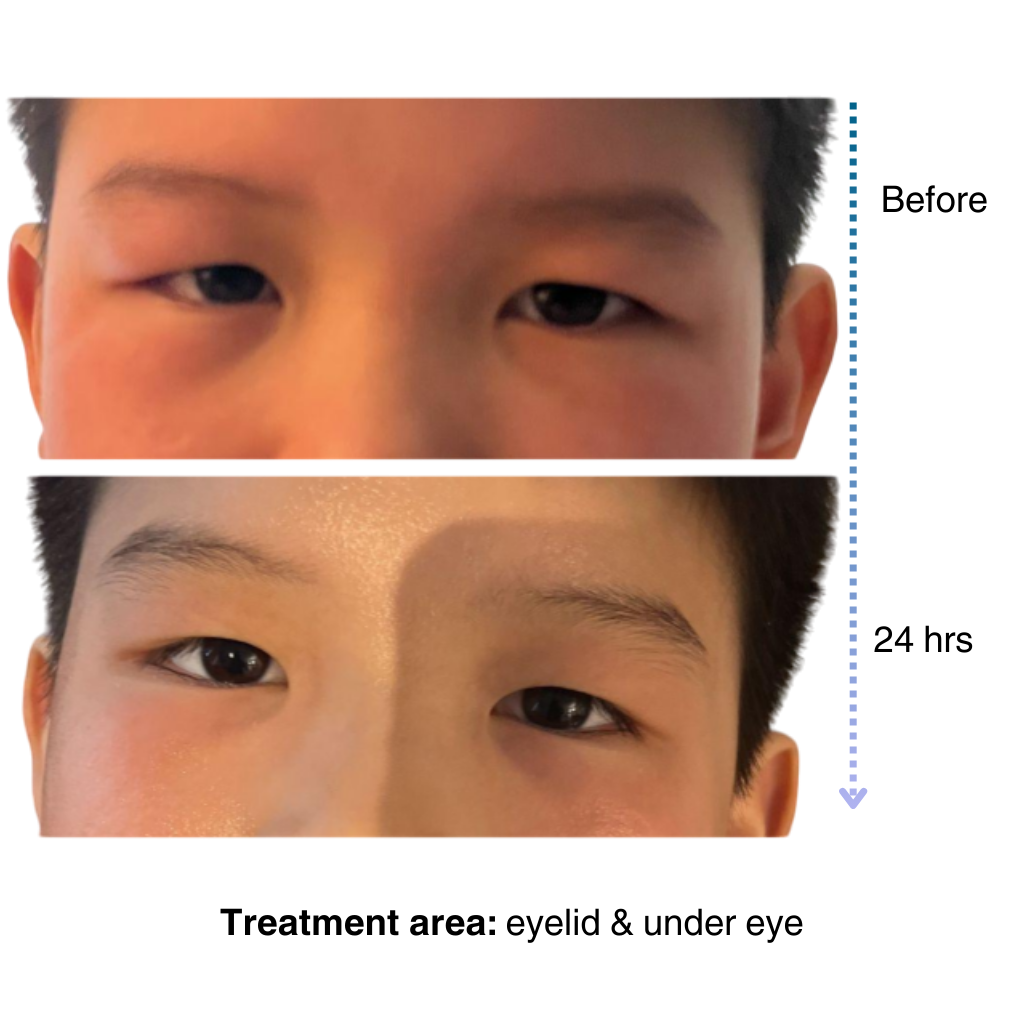
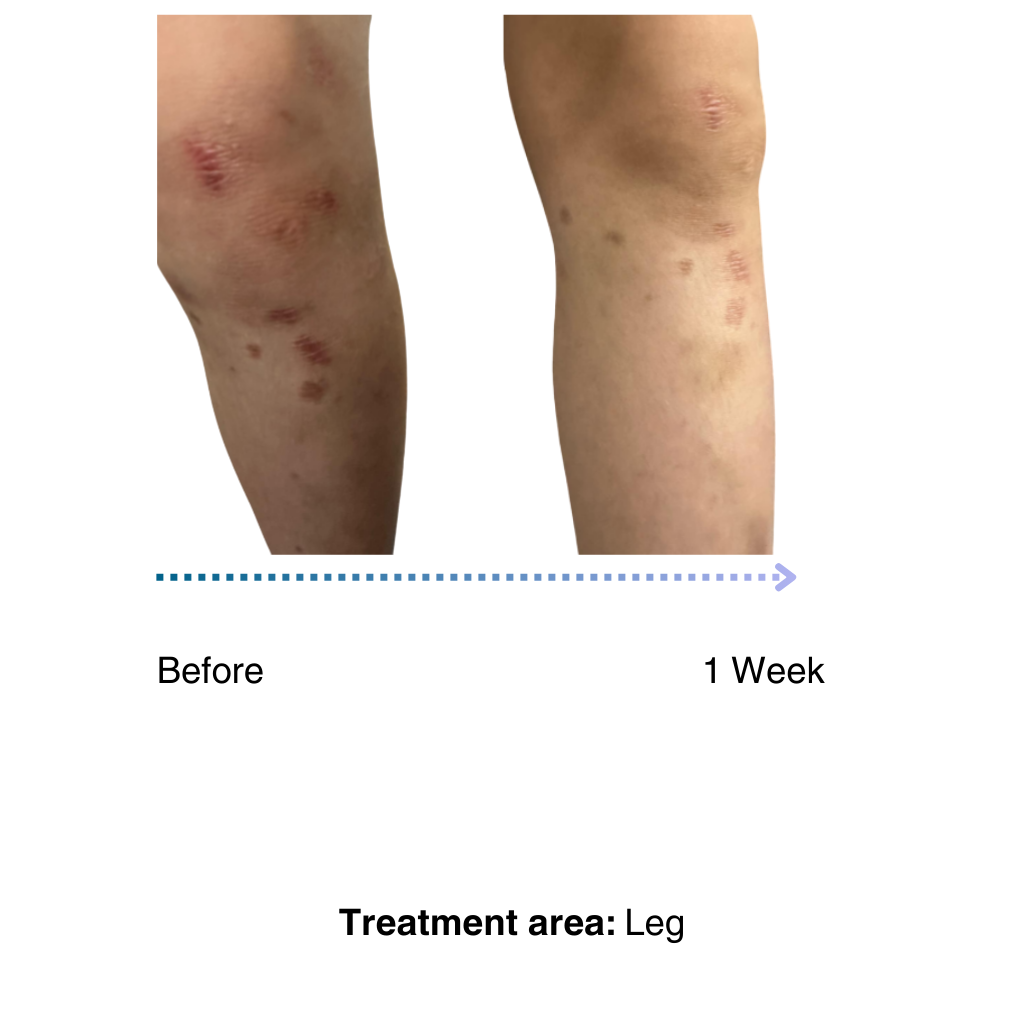
For sensitive and eczema-prone skin, the most common triggers for irritation and allergic contact dermatitis (ACD) are volatile organic compounds found in plant extracts.
1. Essential Oils and Fragrances
Essential oils are highly concentrated extracts that contain numerous compounds, many of which are known allergens. They are the leading cause of contact dermatitis in “natural” products.
Essential oils: Some, like Tea Tree, Lavender, Citrus, Peppermint, or components like Eugenol (clove oil) and Limonene (citrus), can cause severe skin sensitization, inflammation, or burns, especially if applied undiluted.
Fragrance (Parfum): Whether synthetic or natural, any product listing “fragrance” should be avoided by eczema sufferers, as it is an umbrella term that hides multiple potential allergens.
2. Highly Acidic or Irritating Extracts
Ingredients used in DIY or unverified natural products can severely damage the fragile eczema barrier:
Apple Cider Vinegar: Highly acidic; can cause stinging, burning, and chemical irritation on broken skin.
Lemon Juice: Extremely acidic and phototoxic (increases sensitivity to sun), leading to severe burns and hyperpigmentation.
3. Preservation is a Safety Issue
Natural products without proper preservation can spoil quickly, leading to bacterial growth (mold, yeast, fungi). Applying a contaminated product to broken eczematous skin is a serious infection risk.
Synthetic Preservatives (like Phenoxyethanol or well-studied parabens used at low concentrations) are often necessary and safer for sensitive skin due to their proven broad-spectrum efficacy and stability against microbial contamination.
What to Look for in Natural Solutions
Focus on Clinically Proven Ingredients
Prioritize natural ingredients that have strong, peer-reviewed evidence for barrier support and soothing without high allergen risk.
- Colloidal Oatmeal: FDA-approved skin protectant and anti-itch agent.
- Shea Butter/Cocoa Butter: Excellent, well-tolerated natural occlusives and emollients.
- Virgin Coconut Oil: Proven anti-inflammatory and anti-bacterial properties.
Trust Certifications, Not Buzzwords
Since “natural” is unregulated, look for credible third-party validation:
- NEA Seal of Acceptance: Vets products for lack of common irritants (fragrances, dyes, specific preservatives).
- Certified Organic (USDA, ECOCERT): Ensures ingredients were grown without pesticides/herbicides, though it does not guarantee safety for sensitive skin.
Final Thoughts: Prioritize Safety Over Origin
The safest and most effective strategy for managing eczema is to prioritize ingredient function and safety data over whether the product is natural or synthetic. A lab-created, fragrance-free ceramide cream is almost always safer for sensitive skin than an expensive “organic” lotion full of irritating essential oils.
While natural solutions can be beneficial, not all are automatically better. Understanding labels, checking for third-party certifications, and evaluating ingredients can help you select safe and effective natural products.
FAQs: Natural Skincare Myths
-
Are all natural products safe?
No. Many natural ingredients (like Tea Tree Oil, Citrus, or highly concentrated extracts) can cause irritation, allergies, or even toxicity, especially on the compromised skin barrier of eczema patients. Toxicity depends on the compound, not its origin.
-
What should I check when buying natural products?
Look for “Fragrance-Free”, Eczema Seals of Acceptance, and check for proper, broad-spectrum preservation to prevent microbial growth. Simple ingredient lists are generally safer.
-
Are synthetic ingredients always harmful?
No. Many synthetic ingredients (e.g., Niacinamide, Glycerin, Ceramide NP, Squalane) are purer, more stable, and meticulously tested to be non-irritating, making them safer than many raw natural alternatives.


 Read the full article here.
 Not all natural products are safe – some contain allergens or toxins.