
Eczema concerns?
FREE
Get instant expert guidance with our smart AI platform.
Join NowIf you’re searching for an eczema diet that can support your skin health and reduce flare ups, you’re not alone. Many people with eczema turn to dietary changes to help manage symptoms like itching, redness, and inflammation. While no one size fits all diet exists for eczema, scientific research and anecdotal evidence suggest that nutrition plays a significant role in managing the condition.
Eczema, also known as atopic dermatitis (AD), is a chronic skin condition characterized by dry, inflamed, itchy skin. It’s often linked to allergies, immune dysfunction, and environmental triggers. While genetics and external irritants play a major role, diet and gut health have gained attention as contributors to flare ups and symptom severity, often through inflammation.
An eczema diet aims to reduce systemic inflammation, avoid personal triggers, and promote skin healing. It’s important to understand that food is rarely the root cause of eczema, but certain foods can act as exacerbating triggers by intensifying the body’s natural inflammatory response.
The gut skin connection is a growing area of research. Poor gut health and an imbalanced gut microbiome (dysbiosis) can contribute to a condition known as intestinal hyperpermeability (leaky gut). This allows larger, undigested food particles or toxins to pass into the bloodstream, potentially triggering a systemic immune response that aggravates eczema. Supporting your gut with probiotics, fiber, and fermented foods is a crucial part of a successful eczema diet.
These anti-inflammatory, skin-supportive foods may help improve eczema symptoms by providing essential nutrients and fighting inflammation:
Do not eliminate these foods without a medical reason. They are simply common allergens or inflammatory agents that may need to be tested for:
According to the National Eczema Association, empiric elimination diets are not routinely recommended because they can lead to nutritional deficiencies without solving the eczema. Consult an allergist if a food allergy is suspected.
While evidence for routine use is weak, some supplements have shown promise in clinical trials, particularly when deficiencies exist. Always consult a healthcare provider before starting new supplements.
This meal plan emphasizes anti-inflammatory, whole foods:
Explore our full eczema skincare collection designed to support your skin from the outside in.
While no diet can cure eczema, an eczema diet that emphasizes whole, anti-inflammatory foods and carefully avoids proven personal trigger foods can help manage symptoms significantly. Nutrition, when combined with proper barrier supporting skincare and proactive lifestyle choices, may dramatically improve your skin’s health and your quality of life.
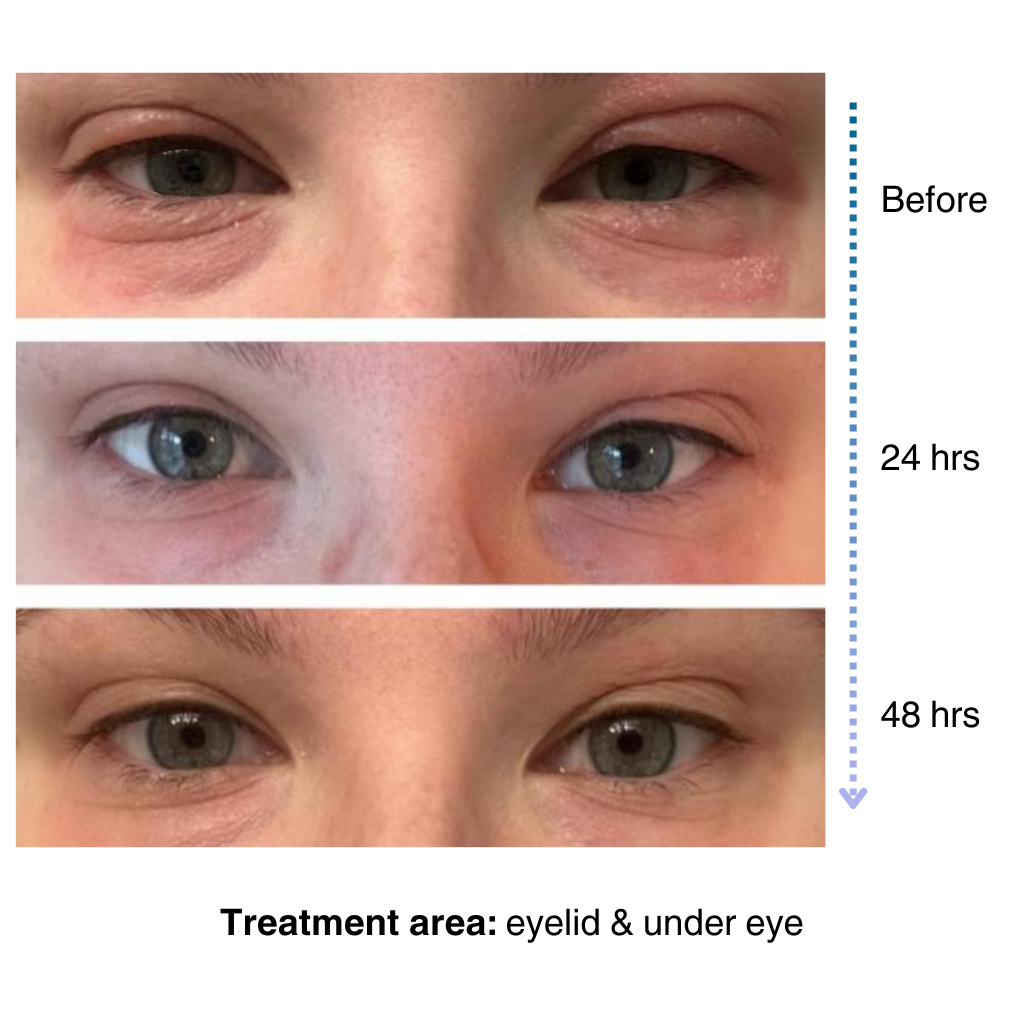
It’s easy to apply and isn’t chalky at all. I’ve been applying it multiple times a day… I’ve tried multiple new products to try and treat my eye eczema, and this is definitely the best I’ve tried so far.
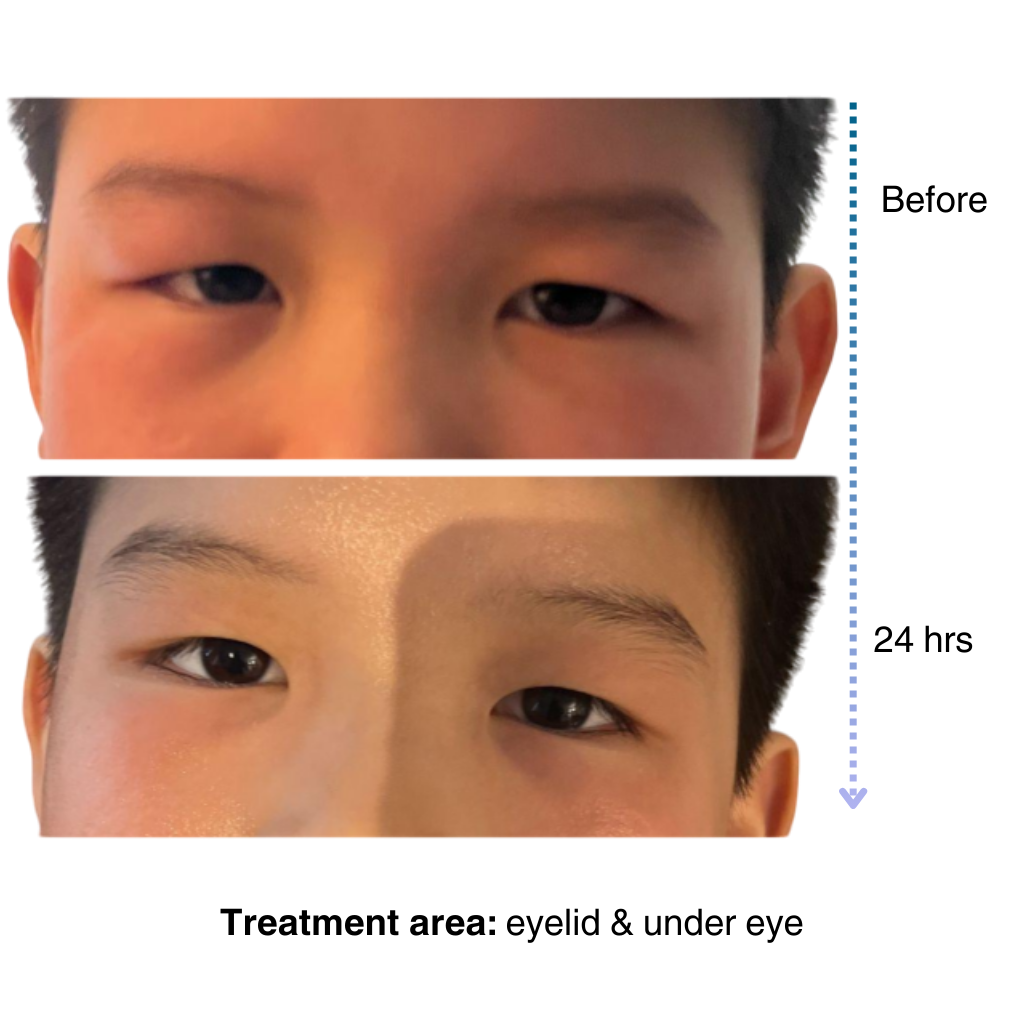
My 7-year old son has been dealing with eczema on his face for a long time, and it’s been so tough to find something that really works…..I’m amazed by the results! Within one day, the redness and rough patches on his face significantly improved…. he doesn’t mind using it at all because it doesn’t sting or feel greasy. – Lily

Like many of you, our eczema journey is personal. That’s why we’re committed to creating a space for the eczema community to share experiences, be empowered through evidence-based solutions, and learn practical tips for daily life.
– Sajjad, Founder & CEO of NellaDerm
