Hormones and Eczema: Understanding the Connection in Women

Eczema is a frustrating skin condition that causes redness, itching, and inflammation. But did you know that hormones and eczema are closely linked—especially for women? Fluctuations in estrogen, progesterone, and cortisol can trigger or worsen eczema flare ups at different life stages, from puberty to menopause.
Hormones and eczema

In this guide, we’ll explore:

  • How hormones influence eczema
  • Why women experience more hormonal eczema flare ups
  • Key triggers (menstrual cycle, pregnancy, menopause, stress)
  • Natural ways to manage symptoms

How Hormones and Eczema Are Connected

Hormones play a crucial role in skin health by regulating hydration, lipid production, and immune responses. When they fluctuate, they can weaken the skin barrier, increase inflammation, and trigger eczema. Key hormones involved include:

Estrogen and Eczema

Estrogen is vital for maintaining skin thickness, hydration, and lipid production (like ceramides) which protect the skin barrier. Therefore, sudden drops in estrogen (like before your period or during menopause) can reduce the skin’s ability to retain moisture, leading to significant dryness and flare ups. Some women notice eczema worsens during:

  • Premenstrual phase (luteal phase): The drop in estrogen and progesterone triggers increased water loss.
  • Pregnancy: While variable, the massive immune and hormonal shifts can trigger severe flares, particularly in the first and third trimesters.
  • Perimenopause and menopause: Sustained, long term decline in estrogen leads to chronically drier, thinner skin that is highly susceptible to irritation.

Progesterone and Skin Sensitivity

Progesterone rises after ovulation and during pregnancy. While it has anti inflammatory effects for some, others may experience increased skin sensitivity when progesterone levels peak, leading to irritation or a rare but distinct condition called Autoimmune Progesterone Dermatitis (APD), which presents as cyclical, premenstrual rashes.

Cortisol (The Stress Hormone)

The psychological stress experienced during hormonal shifts (or daily life) raises cortisol. Chronic stress leads to persistently high cortisol, which weakens the skin barrier, suppresses the immune system’s normal checks and balances, and increases inflammation, directly worsening eczema. This creates a vicious cycle where eczema causes stress, and stress causes eczema flares.

When Do Hormonal Eczema Flare Ups Happen?

Women are more prone to cyclical eczema flares because the female sex hormones directly regulate skin health and immune cells. Key periods of instability include:

  • Menstruation: Flares typically begin in the luteal phase (7-10 days before the period) and peak as estrogen levels bottom out.
  • Pregnancy: Symptoms are highly individual; they may improve (due to high estrogen and immune modulation) or worsen significantly, requiring medical adjustment.
  • Postpartum period: The sudden, massive drop in estrogen and progesterone immediately following childbirth can trigger severe flare ups.
  • Perimenopause and Menopause: The gradual but permanent decline in estrogen causes skin to lose its natural moisture, becoming thinner and highly susceptible to chronic dryness and eczema flares.

A study by the National Eczema Association confirms that hormonal fluctuations significantly impact eczema severity in women, with nearly half of women reporting premenstrual worsening.

How to Manage Hormonal Eczema Strategically

Track Your Cycle and Symptoms

Keeping a symptom diary helps identify patterns and anticipate flares. If flare ups consistently happen 7-10 days before your period, you can adjust your skincare routine in advance by doubling down on moisturizer or preemptively applying a prescription topical to prevent the flare from starting.

Optimize the Skin Barrier

Since hormone drops cause dryness, maintaining barrier integrity is the best defense:

  • Intense Hydration: Use thick, fragrance free moisturizers containing Ceramides and Petrolatum (e.g., NellaDerm’s Hydrating Cream) daily, especially in the week leading up to your period or during menopausal dryness.
  • Avoid Harsh Cleansers: Use soap substitutes or gentle syndet bars instead of traditional soap, which strips essential oils and further compounds hormone induced dryness.

Manage Stress and Cortisol

Lowering cortisol can mitigate its negative impact on skin immunity and the barrier:

  • Yoga & meditation: Regular mindfulness practices are proven to lower cortisol levels.
  • Adequate sleep: Getting 7-9 hours of consistent sleep is essential for regulating the Hypothalamic Pituitary Adrenal (HPA) axis and balancing hormones.

Consult a Specialist for Targeted Therapy

If flares are debilitating or cyclical, discuss targeted therapies with your dermatologist or gynecologist:

  • Hormone Replacement Therapy (HRT): For menopausal women experiencing severe dryness and skin thinning, HRT may improve skin hydration and barrier function, offering secondary benefits for eczema (though it is not a direct eczema treatment).
  • Oral Contraceptives: For young women with premenstrual flares, certain combination birth control pills may stabilize hormones and reduce cyclical worsening.

Final Thoughts

Understanding the connection between hormones and eczema empowers women to take control of their skin health. By tracking cycles, adjusting skincare to proactively counter dryness, and managing stress, you can reduce cyclical flare ups and maintain healthier, more resilient skin throughout all stages of life.

For more expert tips, explore our eczema skincare guide.
Explore the Eczema Knowledge Hub

Your go-to resource for flare-up relief, skincare tips, and science-backed advice.

"...this is the best I've tried so far."

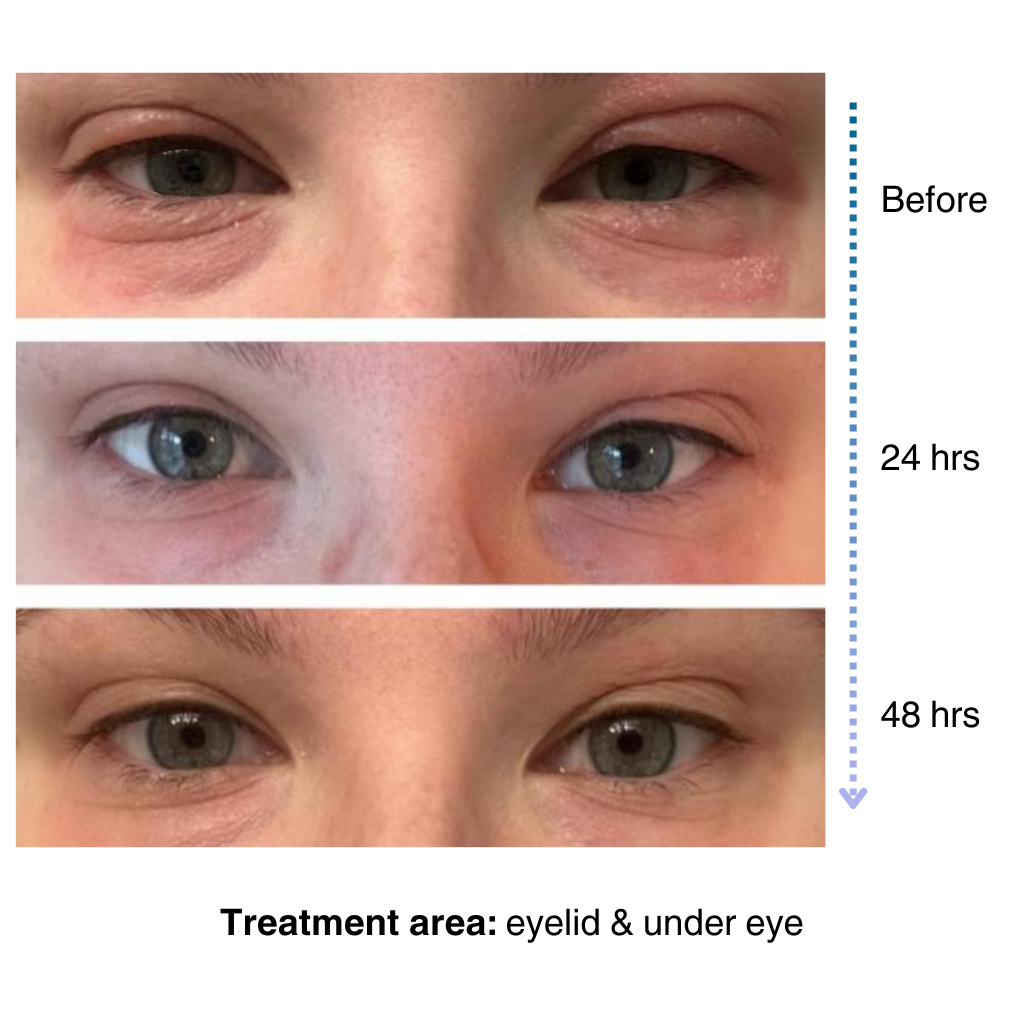
It’s easy to apply and isn’t chalky at all. I’ve been applying it multiple times a day… I’ve tried multiple new products to try and treat my eye eczema, and this is definitely the best I’ve tried so far.

"Game-changer for my son's eczema"

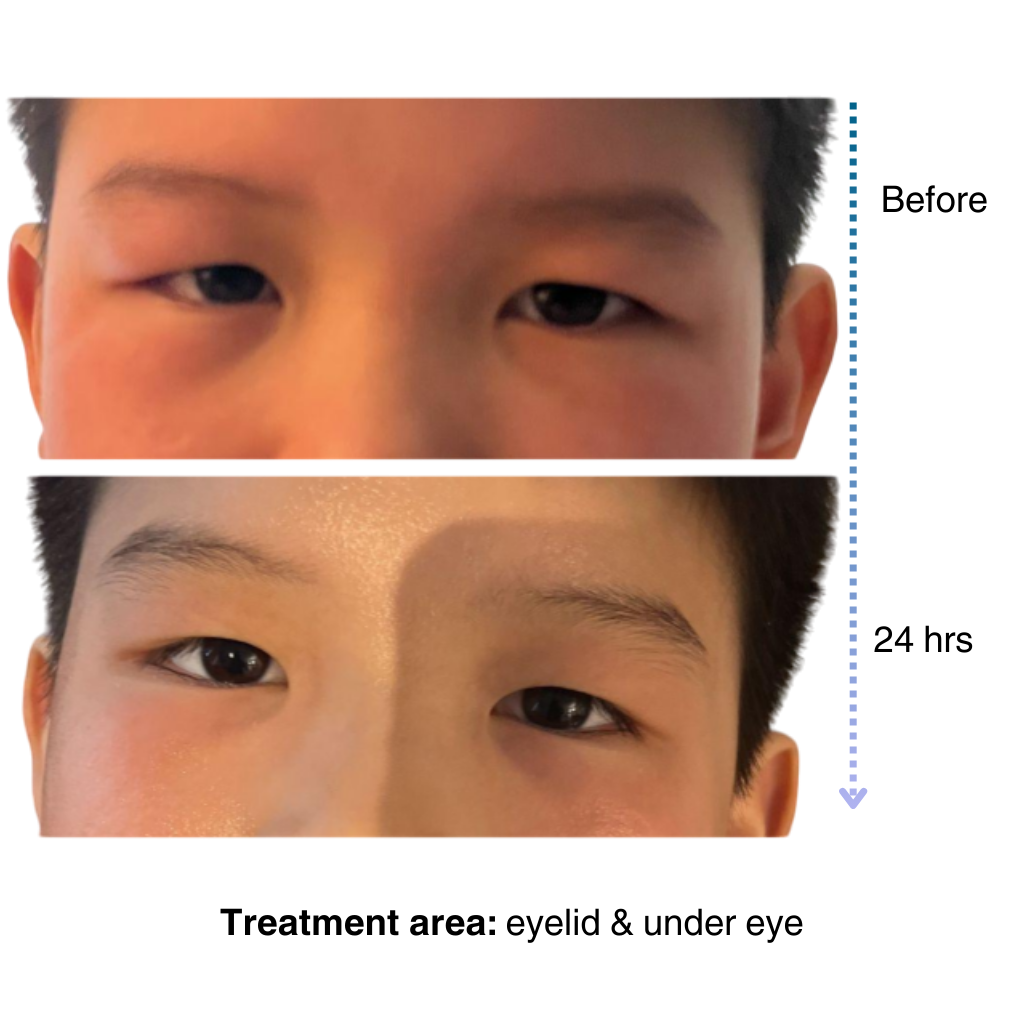
My 7-year old son has been dealing with eczema on his face for a long time, and it’s been so tough to find something that really works…..I’m amazed by the results! Within one day, the redness and rough patches on his face significantly improved…. he doesn’t mind using it at all because it doesn’t sting or feel greasy. – Lily

Like many of you, our eczema journey is personal. That’s why we’re committed to creating a space for the eczema community to share experiences, be empowered through evidence-based solutions, and learn practical tips for daily life.  

– Sajjad, Founder & CEO of NellaDerm

Eczema treatment
Shopping Cart