
Eczema concerns?
FREE
Get instant expert guidance with our smart AI platform.
Join Now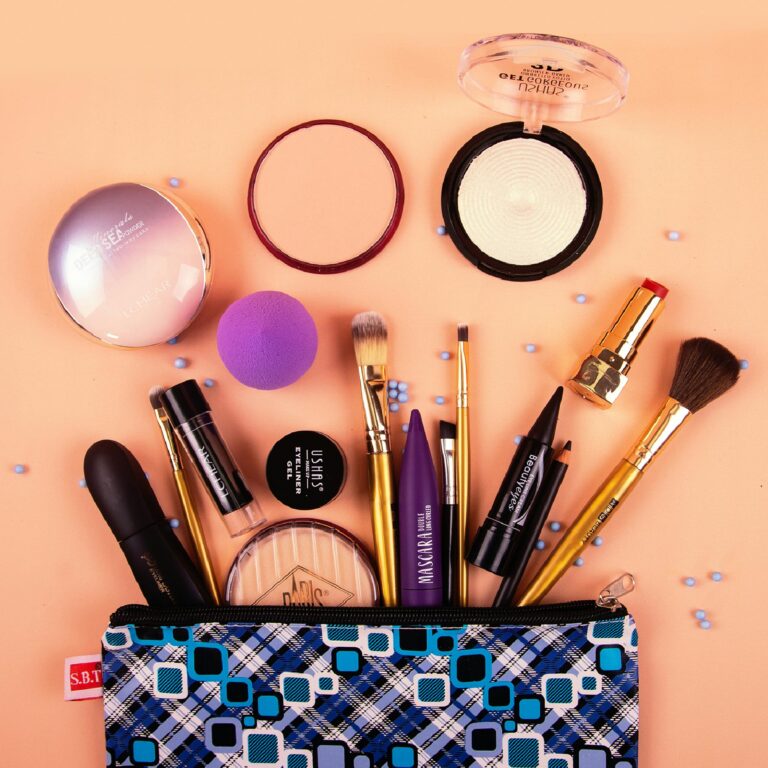
The single most critical factor for eczema-friendly travel is proactive preparation. By investing time before you depart to understand potential triggers and organize your resources, you can significantly reduce the risk of flare-ups and enjoy a smoother journey.
The climate of your destination is one of the most powerful influencers on your skin’s behavior. A simple weather check isn’t enough; you need to understand the nuances.
For Humid, Tropical, or Coastal Destinations: While the moisture in the air can be beneficial by helping to keep your skin hydrated, it also comes with potential pitfalls. High humidity can increase sweat production, which may lead to irritation and itching for some. In these climates, opt for light, gel-based moisturizers that hydrate without trapping sweat and clogging pores. A mineral-based sunscreen with zinc oxide is essential, as it is less likely to cause heat-triggered inflammation compared to some chemical sunscreens.
For Dry, Arid, or Desert Climates: These environments actively pull moisture from your skin. Your strategy must be intensely protective. Switch to a richer, petrolatum-based ointment or a heavy cream packed with ceramides and lipids to fortify your skin barrier. You will likely need to moisturize more frequently throughout the day. Don’t forget your lips and the delicate skin around your eyes and nails.
For Cold, Windy, or High-Altitude Locations: Both cold weather and high altitudes are brutally drying. The combination of low oxygen levels and dry air accelerates transepidermal water loss. In these conditions, an occlusive balm (like pure petrolatum) applied over your moisturizer can create a protective seal. Reapply your moisturizer every 3-4 hours and use a hydrating lip balm almost hourly.
This is non-negotiable. Being stranded without your essential medications can turn a dream vacation into a nightmare.
The “Two is One, One is None” Rule: Pack at least twice the amount of any prescription medication you expect to need. This buffer accounts for unexpected delays, lost luggage, or a sudden flare-up that requires more frequent application.
Carry On, Always: Never check your essential skincare or medications. Your carry-on luggage is your lifeline. Use a clear, TSA-compliant bag for liquids, but keep all prescriptions in their original labeled containers to avoid questions.
International Travel Documentation: When traveling abroad with topical steroids or other controlled substances, a physician’s note is crucial. The note should be on official letterhead, state your diagnosis, and list the medications you are carrying. This can prevent confiscation and lengthy customs delays.
Your travel kit is your first line of defense. Curate it with intention, focusing on multi-tasking, reliable products.
Your Core Carry-On Kit Should Include:
Gentle, Fragrance-Free Cleanser: A travel-sized bottle or gentle cleansing wipes to remove impurities without stripping the skin.
Barrier Repair Moisturizer: The cornerstone of your routine. Look for key ingredients like ceramides, fatty acids, and cholesterol to repair and maintain your skin barrier.
Petrolatum Stick or Ointment: Incredibly versatile. Use it for lips, eyelids, patches of dry skin, and even to protect small cuts or scrapes.
Broad-Spectrum Mineral Sunscreen: Zinc oxide or titanium dioxide-based formulas are generally less irritating and provide excellent physical protection.
Oral Antihistamines: Pack both non-drowsy (for daytime relief) and sedating (to help with sleep and nighttime itching) options.
Emergency Flare-Up Kit: Consider a small jar of colloidal oatmeal for a soothing bath, or materials for wet-wraps (like a small roll of gauze and a hypoallergenic cream) to manage a sudden, severe flare.
The airplane cabin is an artificially controlled environment with humidity levels often lower than those in the desert. This dry air can rapidly dehydrate your skin.
The Hydration Duo: Internal and External:
Hydrate from Within: Start drinking extra water the day before your flight. Avoid dehydrating beverages like alcohol and caffeine during the flight. Bring a large bottle of water to sip on consistently.
Seal in Moisture: Before you board, perform a “moisturizer pre-game.” Generously apply your barrier-repair cream or ointment to your hands, face, and any other exposed or commonly affected areas (neck, elbows, behind knees). This creates a protective layer against the dry air.
Create a Personal Oasis:
The DIY silicone mask trick is a game-changer. Placing a damp cotton pad inside a reusable silicone mask for 10-15 minutes provides a direct, localized burst of hydration. It’s like a mini-humidifier for your face.
Consider a saline nasal spray to keep nasal passages moist, which can be indirectly beneficial for overall comfort.
Your accommodation should be your sanctuary, not a source of new irritants.
Linen and Surface Safety Protocol:
Call Ahead: Don’t be shy. Call the hotel or host in advance to request that your room be cleaned with fragrance-free products and that your bed be made with unscented detergents. Many establishments are happy to accommodate this.
Create a Barrier: If you’re unsure about the linens, pack your own 100% cotton pillowcase or a silk sleep sack. This simple barrier can prevent a night of itching from harsh detergents or fabric softeners.
Wipe Down Surfaces: Use hypoallergenic baby wipes to clean high-touch surfaces like remote controls, light switches, and bedside tables. This removes potential residues from cleaning chemicals.
Control Your Micro-Environment:
Combat Dry Air: Hotel air conditioning and heating are notoriously drying. A portable travel humidifier is a worthwhile investment for any frequent traveler with eczema. Simply running it in your room at night can make a world of difference, helping to maintain an optimal humidity level (40-50%) for your skin barrier.
Your skincare should be as dynamic as your travel itinerary. Be prepared to adjust your product use based on your daily activities and the local environment.
Hot & Humid Climates: Focus on lightweight, breathable products. Gel-based moisturizers are your best friend. Reapply mineral sunscreen frequently, especially after swimming or sweating.
Cold & Dry Destinations: This is the time for your heaviest hitters. Layer your products: apply a rich, ceramide-rich cream, and then seal it in with an occlusive ointment before braving the elements. Don’t forget to protect your hands with gloves.
High Altitude Locations: The sun is stronger and the air is drier. Your mantra here is frequency. Reapply moisturizer and lip balm far more often than you would at home. A hydrating facial mist can provide a quick refresh during the day.
It’s easy to overlook, but stress is a well-documented trigger for eczema flare-ups. The cortisol released during stressful events can directly increase inflammation. Travel, with its inherent unpredictability, can be a significant stressor.
Schedule “Buffer Zones”: Intentionally build a quiet, unstructured buffer day both upon arrival and before you return to work. This gives your body and mind time to adjust to new time zones and recover from the journey itself without pressure.
Prioritize Sleep Hygiene: Jet lag and poor sleep are major triggers. Stick to a regular sleep schedule as much as possible. Bring your own pillowcase and consider using a white noise app to create a familiar sleep environment.
Incorporate Micro-Moments of Calm: Practice simple relaxation techniques. A few minutes of deep breathing, mindfulness, or a short walk in nature can help keep cortisol levels in check and prevent stress from manifesting on your skin. For more on the emotional impact of eczema, the NellaDerm blog offers valuable insights. For scientific backing, this peer-reviewed study from the National Library of Medicine details the effects of stress on atopic dermatitis.
Answer these questions before you go:
1. What is the climate of my destination, and which products will work best there?
2. Have I packed ALL my essentials in my CARRY-ON luggage?
3. Have I called my accommodation to request fragrance-free linens?
4. Do I have a "buffer day" scheduled to recover from travel stress?
Hot & Humid: Gel moisturizers, non-comedogenic creams, light mineral sunscreen.
Cold & Dry: Rich creams with ceramides, petrolatum-based ointments, protective balms.
High Altitude: Intense hydrators, frequent application schedules, high-SPF lip balm.
Like many of you, our eczema journey is personal. That’s why we’re committed to creating a space for the eczema community to share experiences, be empowered through evidence-based solutions, and learn practical tips for daily life.
– Sajjad, Founder & CEO of NellaDerm
