Eczema concerns?
FREE
Get instant expert guidance with our smart AI platform.
Join Now
In the search for an eczema cure, the internet can be both a blessing and a curse. From herbal teas to miracle ointments, social media overflows with claims about how to “completely eliminate eczema.” But what does the science actually say? Is eczema curable, or just manageable? This blog dives into the most common myths around eczema cures and clarifies what real evidence-based treatments look like, especially those with long-term potential.

Atopic dermatitis, commonly known as eczema, is a chronic, relapsing inflammatory skin disease. It’s caused by a combination of genetic mutations, immune dysregulation, and environmental triggers. In most cases, eczema waxes and wanes—it can improve or disappear for years, only to return under stress or seasonal changes.
So when people ask, “Is there an eczema cure?”—the honest answer is: Not yet. According to the American Academy of Dermatology and the National Eczema Association, there is no permanent cure for eczema as of 2024. However, science-backed treatments can lead to long term remission, fewer flares, and healthier skin for many people.
While natural approaches like oatmeal baths, coconut oil, and anti inflammatory diets can reduce symptoms, they are not curative.
These remedies may soothe the skin, improve barrier function, and reduce inflammation, but they don’t eliminate the root cause (a genetic immune imbalance). In fact, some natural products—like essential oils or undiluted vinegar—can be severely irritating to eczema skin or trigger allergic reactions.
Use natural solutions with dermatologist approved therapies. For instance, colloidal oatmeal has FDA recognition as a skin protectant for eczema and is included in many over the counter treatments [FDA, 2003].
This myth has led to “steroid phobia,” where patients avoid treatment that could significantly improve their quality of life.
When used appropriately (short term for flares, never long term for maintenance), low to mid potency topical corticosteroids are safe and highly effective. They reduce acute inflammation, restore the skin barrier, and shorten the duration of flares. Problems arise from overuse or incorrect application (e.g., using strong steroids on the face)—not the medicine itself.
According to the European Task Force on Atopic Dermatitis, steroid creams used under medical guidance are critical for flare control and do not thin skin when applied properly [Wollenberg et al., 2018].
Eczema often has a relapsing course. Even when the skin looks clear, the underlying inflammation (subclinical inflammation) may persist beneath the surface.
Dermatologists now recommend proactive maintenance therapy—using a topical anti inflammatory (e.g., a low potency steroid, calcineurin inhibitor, or topical JAK inhibitor) 2–3 times per week on previously affected areas to prevent flare ups.
A study in The Lancet showed that patients on proactive therapy experienced significantly fewer flares than those who stopped treatment completely [van der Meer et al., 2008]. This strategy keeps the subclinical inflammation controlled.
The focus has shifted from treating symptoms to targeting the specific immune drivers and genetic defects of the disease.
Biologic drugs like Dupilumab (brand name Dupixent) and Tralokinumab target specific immune pathways involved in eczema (namely IL 4 and IL 13). They don’t just treat symptoms—they go after the root causes of inflammation.
In a 52 week trial, over 75% of patients achieved sustained skin clearance or dramatic improvement [Simpson et al., 2016, New England Journal of Medicine].
High cost and need for long term use; generally reserved for moderate to severe cases.
Because many eczema cases involve genetic mutations (e.g., in the filaggrin gene), gene therapy is being investigated as a true “cure” that corrects the initial defect. Animal studies have shown promise, but human applications are still in early development.
One 2023 clinical trial in the UK is testing CRISPR gene editing to correct barrier defects in patients with severe hereditary eczema [NIHR, 2023].
While not currently available, gene based treatments may one day address the root cause, offering true remission or even cure.
The relationship between gut health and skin inflammation is an emerging area of interest. Some studies suggest that modulating gut bacteria (e.g., via specific probiotic strains or anti inflammatory diets) may reduce eczema flares by regulating systemic immune response.
This area is complex. While promising, many studies show mixed results, and individual responses vary.
A Cochrane review found inconsistent benefits from probiotics for treating established eczema, but certain strains showed moderate improvement in certain patient subgroups [Cochrane, 2018]. The consensus remains stronger for prevention in high-risk infants.
While we wait for gene therapy and immune modulators to evolve, effective long term eczema control is already possible.
Want to understand how hormones work with eczema? Check out our post about the link between hormones and eczema.
The idea of a total eczema cure is alluring—but for now, it’s important to separate hype from science. While there’s no permanent fix yet, we have more tools than ever to control symptoms and achieve remission. From cutting edge biologics to proactive topical strategies and microbiome supporting skincare, modern eczema management is about empowerment, not elimination.
So when you hear, “I cured my eczema with a juice cleanse,” remember: it may have helped them—but true healing starts with facts, not fads. And thanks to advancing science, the future of eczema care is brighter than ever.
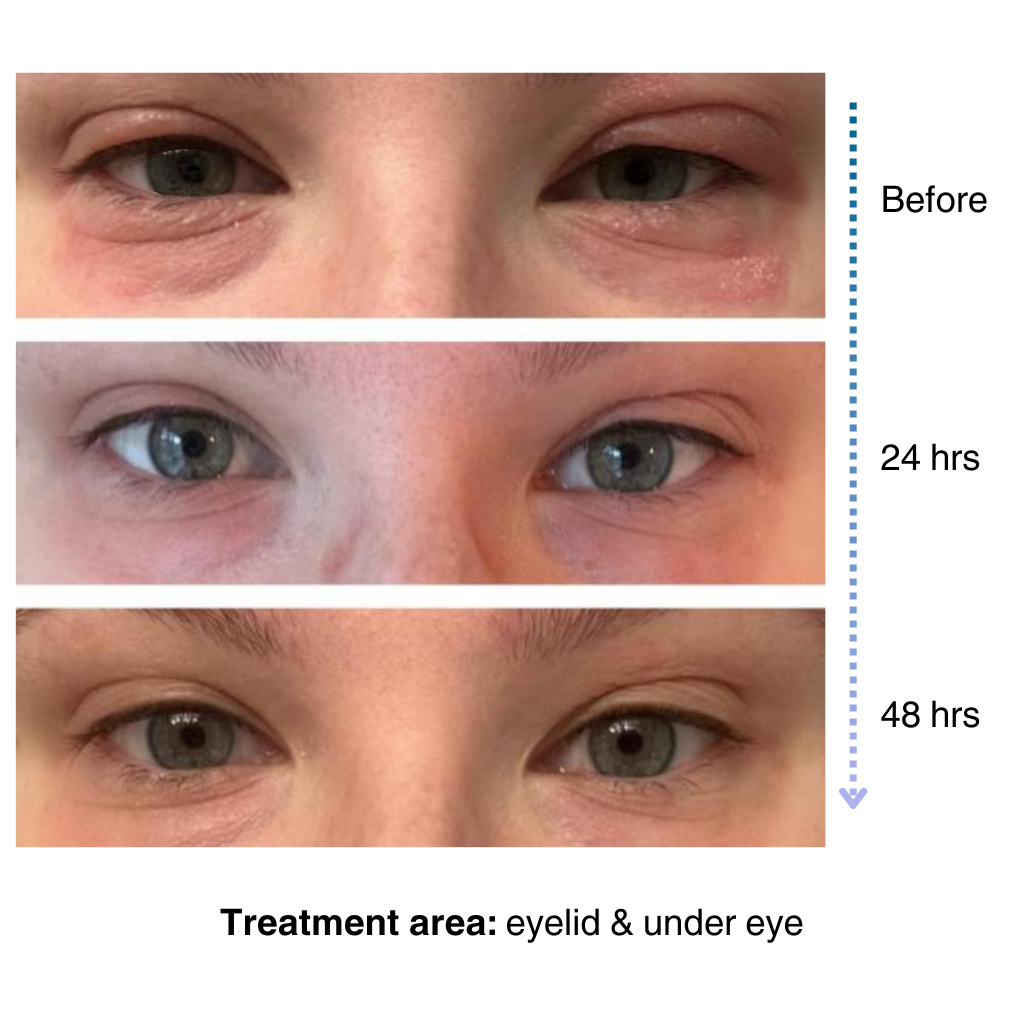
It’s easy to apply and isn’t chalky at all. I’ve been applying it multiple times a day… I’ve tried multiple new products to try and treat my eye eczema, and this is definitely the best I’ve tried so far.
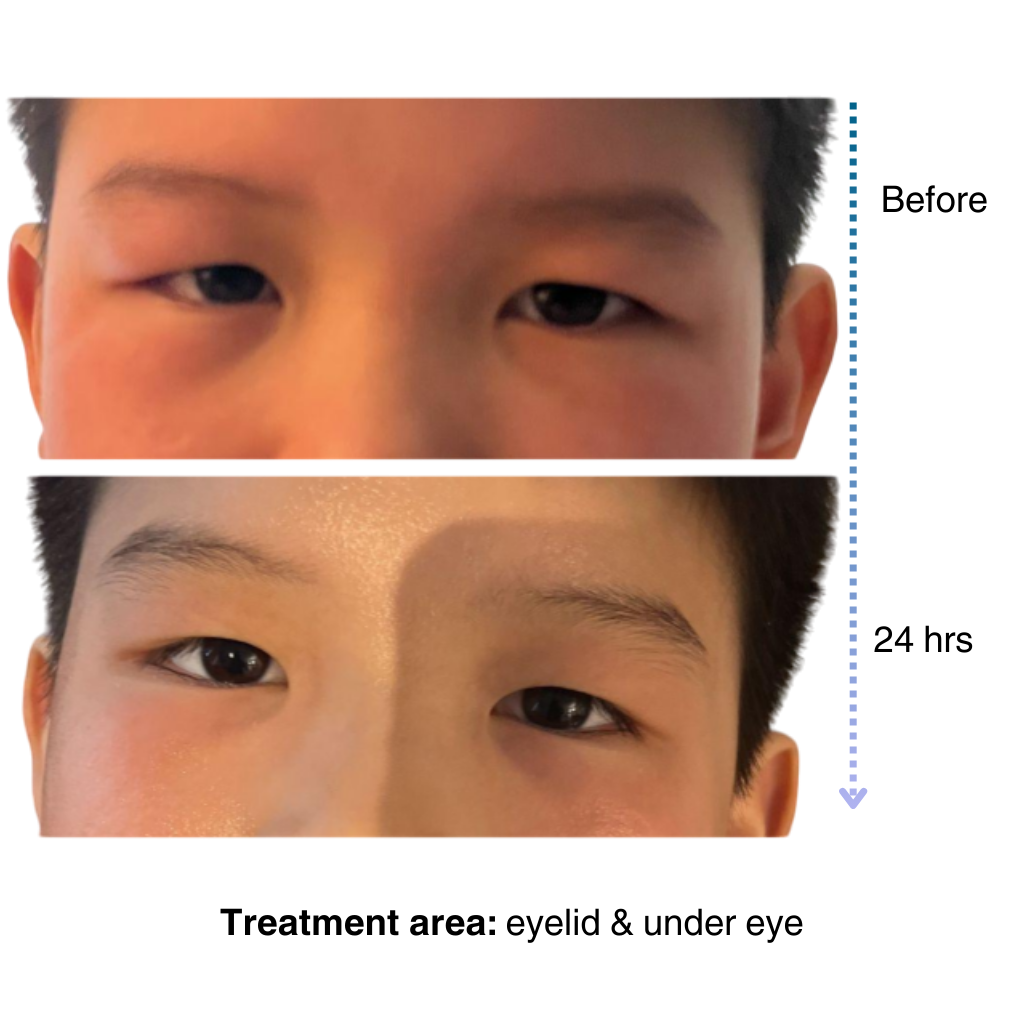
My 7-year old son has been dealing with eczema on his face for a long time, and it’s been so tough to find something that really works…..I’m amazed by the results! Within one day, the redness and rough patches on his face significantly improved…. he doesn’t mind using it at all because it doesn’t sting or feel greasy. – Lily

Like many of you, our eczema journey is personal. That’s why we’re committed to creating a space for the eczema community to share experiences, be empowered through evidence-based solutions, and learn practical tips for daily life.
– Sajjad, Founder & CEO of NellaDerm
