
Eczema concerns?
FREE
Get instant expert guidance with our smart AI platform.
Join NowFor many women, the days leading up to their period come with the usual suspects—cramps, mood swings, breakouts. But for those with eczema, another unwelcome guest often shows up: a skin flare.
If your eczema worsens like clockwork every month, you’re not imagining it. The connection between eczema and the menstrual cycle is real, and it has everything to do with hormonal fluctuations, skin barrier function, and inflammatory responses.
This blog breaks down the science behind menstrual-related eczema flare-ups and offers tips on managing your skin through your cycle.

The menstrual cycle is driven by changes in estrogen and progesterone. These hormones do not just regulate reproduction they also influence the immune system and skin barrier, two major players in eczema.
During the luteal phase (the days between ovulation and menstruation), both estrogen and progesterone drop, leading to:
This creates the perfect storm for an eczema flare, especially if your skin is already reactive.
A 2022 study published in the Journal of Clinical Medicine confirmed that hormonal fluctuations during the menstrual cycle significantly affect eczema symptoms, especially in women with moderate to severe atopic dermatitis.
Most people who experience menstrual related eczema flares report them:
Once menstruation ends and estrogen levels start rising again, symptoms often improve. This pattern may repeat monthly and can vary slightly based on individual hormone levels, stress, and environmental triggers.
The connection between hormones and eczema involves complex biological pathways that researchers are still working to fully understand. Estrogen receptors are present throughout the skin, particularly in the epidermis, where they play a crucial role in maintaining skin thickness, hydration, and wound healing capabilities.
When estrogen levels decline during the late luteal phase and menstruation, the skin’s ability to retain moisture diminishes significantly. This occurs because estrogen helps regulate the production of natural moisturizing factors and supports the skin’s lipid barrier function. Without adequate estrogen support, the skin becomes more permeable to irritants and loses water more rapidly.
Progesterone, while essential for reproductive health, can have contradictory effects on eczema. Some studies suggest it may promote inflammation by increasing the production of certain inflammatory cytokines while simultaneously suppressing others. This complex interaction means that progesterone fluctuations can either improve or worsen eczema symptoms depending on individual sensitivity and the specific timing within the menstrual cycle.
The immune system’s response to these hormonal changes is equally important. Estrogen generally supports a balanced immune response, while the rapid decline of both estrogen and progesterone before menstruation can trigger an overactive inflammatory response in predisposed individuals. This explains why many women with eczema experience flares specifically during this phase of their cycle.
If these symptoms appear consistently in the days leading up to your period, your menstrual cycle could be the trigger.
Several lifestyle factors can amplify or mitigate the effects of hormonal fluctuations on eczema. Understanding these factors can help you develop a comprehensive management strategy that addresses both the hormonal triggers and the environmental contributors.
Sleep quality plays a significant role in hormonal balance and skin health. During the luteal phase, many women experience disrupted sleep patterns, which can further stress the immune system and exacerbate eczema symptoms. Prioritizing seven to eight hours of quality sleep, especially in the week before your period, can help moderate the inflammatory response.
Dietary choices also influence hormonal eczema. Some women find that reducing inflammatory foods such as processed sugars, refined carbohydrates, and excessive dairy during the premenstrual phase helps minimize flare severity. Incorporating anti inflammatory foods like fatty fish, leafy greens, and berries may provide additional support during this vulnerable time.
Exercise moderation is another important consideration. While regular physical activity supports overall hormone balance, intense workouts during the premenstrual phase may increase cortisol levels and inflammation. Switching to gentler forms of exercise like yoga, swimming, or walking during this time can provide the benefits of movement without triggering additional stress on the skin.
While you cannot stop hormonal changes, you can prepare your skin and adjust your routine to reduce flare intensity.
Use a calendar or app to track:
This helps identify flare patterns and allows you to proactively support your skin before symptoms begin.
A few days before your typical flare window, ramp up your barrier care:
Try products like NellaDerm’s Barrier Repair Cream, which is specifically formulated to protect sensitive, compromised skin.
If prescribed, use topical corticosteroids or non steroidal creams as directed in the days leading up to your period. This can reduce the inflammatory response before it peaks.
You can also ask your dermatologist about:
During flare prone days:
NellaDerm’s Hydrating Cleanser offers a gentle, non stripping way to cleanse skin without triggering irritation.
Nutritional and lifestyle support during this time can also help:
The menstrual cycle is not the only hormonal phase that affects eczema. Many women experience significant changes in their skin during other major hormonal transitions throughout life.
Pregnancy brings dramatic hormonal shifts that can either dramatically improve or worsen eczema symptoms. Some women experience complete remission during pregnancy, while others develop eczema for the first time or see existing conditions worsen. The postpartum period, with its rapid hormone withdrawal, often triggers flares in susceptible individuals.
Perimenopause and menopause represent another critical transition point. As estrogen levels decline permanently, many women notice changes in their skin’s behavior. The loss of estrogen’s protective effects can lead to increased skin dryness, thinning, and reduced barrier function, making menopausal women more vulnerable to eczema flares even if they never previously struggled with the condition.
Understanding these broader hormonal patterns can help women anticipate and manage skin changes throughout different life stages, allowing for more proactive and effective eczema management strategies.
If your eczema becomes:
talk to a dermatologist. They may recommend hormonal evaluations, or adjust your treatment to better sync with your cycle.
In some cases, oral contraceptives or hormonal therapy can be considered to help regulate estrogen/progesterone fluctuations that trigger flares but this should only be done under medical supervision.
While menstrual related eczema is real, not all eczema flares are hormonal. Make sure you are not confusing it with:
A dermatologist can help differentiate and guide your treatment plan accordingly.
Managing hormonal eczema requires a consistent, long term approach that evolves with your body’s changing needs. Developing a seasonal skincare strategy can be particularly helpful, as you may need different approaches during summer and winter months when environmental factors interact with hormonal fluctuations.
Building a relationship with both a dermatologist and gynecologist can provide comprehensive care that addresses both the skin manifestations and underlying hormonal factors. These specialists can work together to identify patterns and develop integrated treatment plans that may include both topical therapies and systemic approaches when appropriate.
Keeping a detailed symptom journal for at least three months can reveal patterns that might not be immediately apparent. Note not just your skin symptoms and menstrual cycle, but also stress levels, sleep quality, dietary changes, and environmental exposures. This comprehensive tracking can help identify secondary triggers that compound the effects of hormonal fluctuations.
Finally, be patient with the process of finding what works for your unique hormonal pattern. It may take several cycles of adjustment to develop an effective management strategy. What works during one phase of life may need modification during another, so remain flexible and attentive to your body’s signals.
Your skin does not exist in a vacuum it responds to your internal environment, especially your hormones.
Understanding the connection between eczema and the menstrual cycle can help you take control, reduce flares, and avoid unnecessary trial and error. By tracking your symptoms and adopting proactive skincare, you can stay one step ahead of those monthly flare ups.
With science backed care and barrier friendly products from brands like NellaDerm, it is possible to balance both your skin and your cycle.
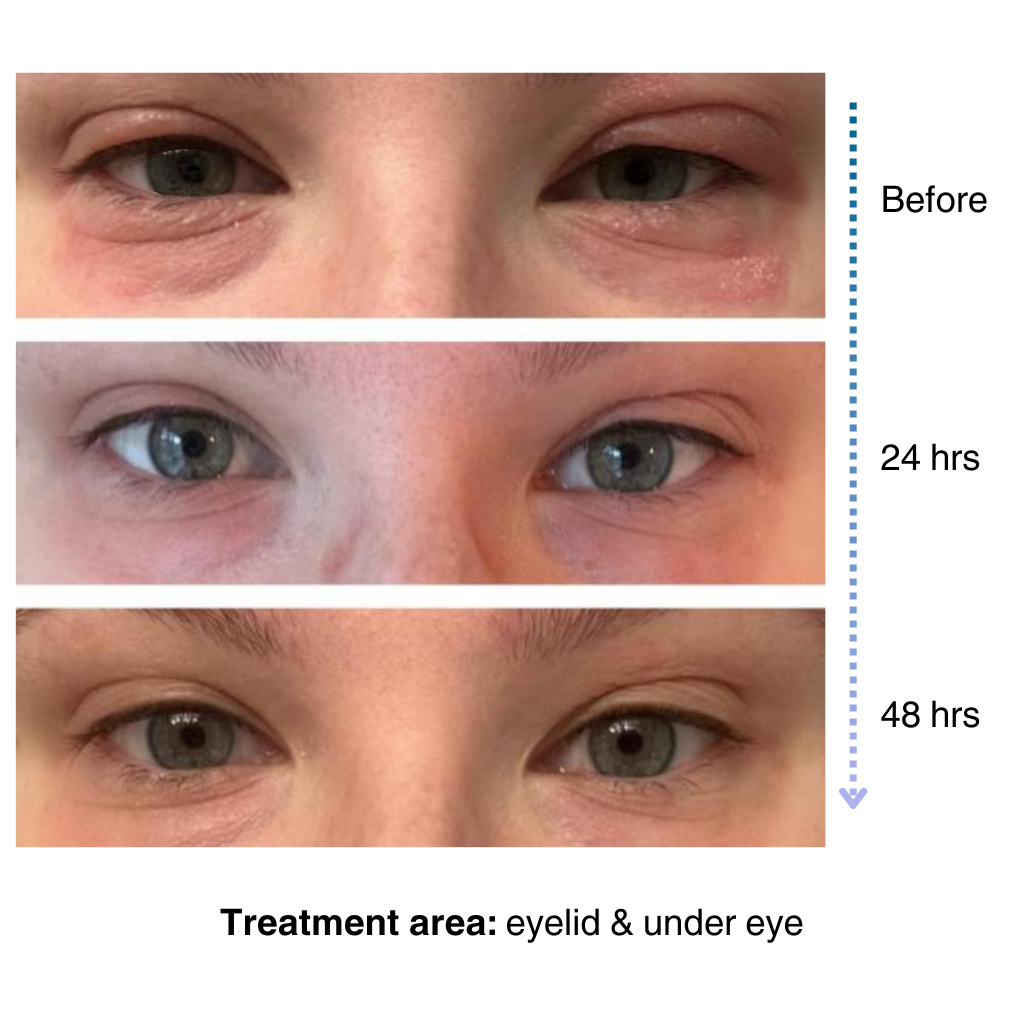
It’s easy to apply and isn’t chalky at all. I’ve been applying it multiple times a day… I’ve tried multiple new products to try and treat my eye eczema, and this is definitely the best I’ve tried so far.
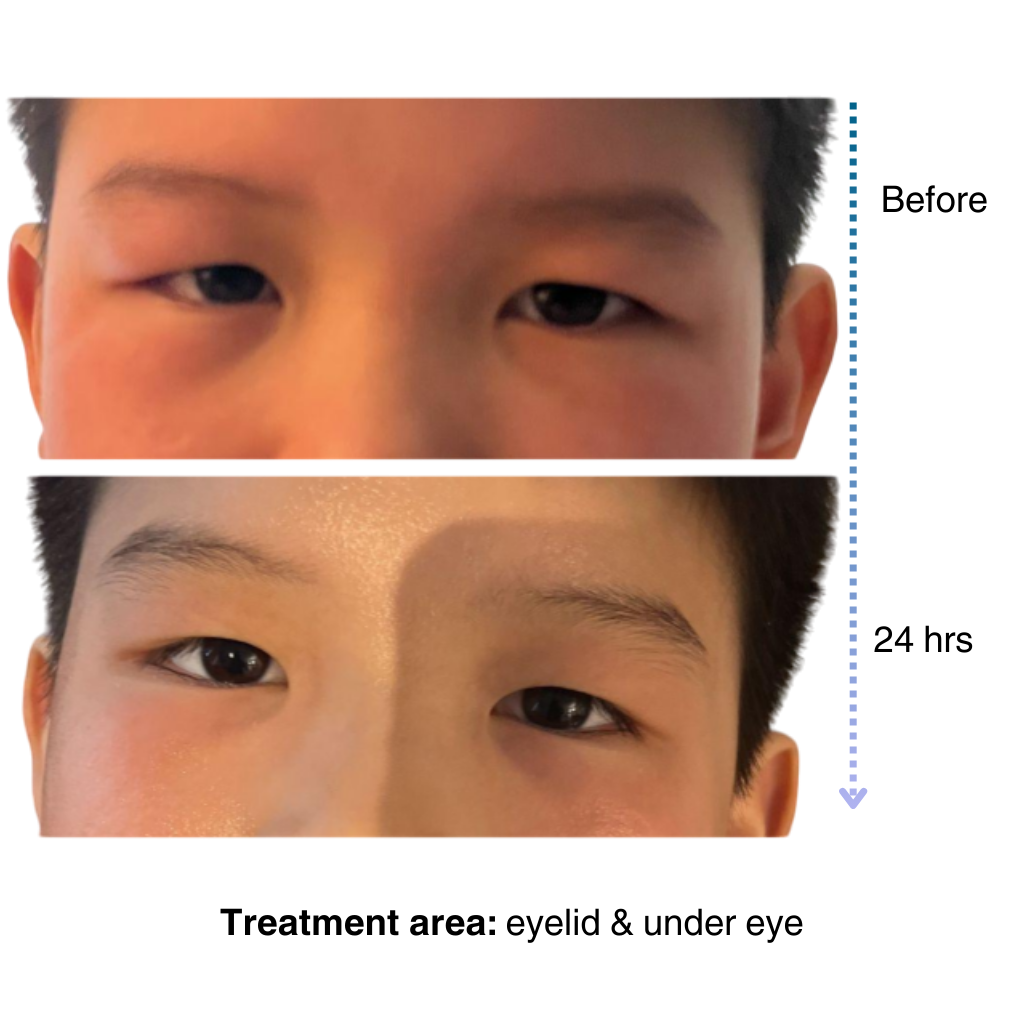
My 7-year old son has been dealing with eczema on his face for a long time, and it’s been so tough to find something that really works…..I’m amazed by the results! Within one day, the redness and rough patches on his face significantly improved…. he doesn’t mind using it at all because it doesn’t sting or feel greasy. – Lily

Get expert advice, exclusive offers, and real stories from people who understand your journey.
Start your skincare journey with an exclusive discount
Practical advice for managing sensitive and eczema-prone skin
Be the first to try our latest technology and product releases
Get 10% off your first order when you sign up
Secure & Private
Instant Access
Premium Content
Like many of you, our eczema journey is personal. That’s why we’re committed to creating a space for the eczema community to share experiences, be empowered through evidence-based solutions, and learn practical tips for daily life.
– Sajjad, Founder & CEO of NellaDerm
