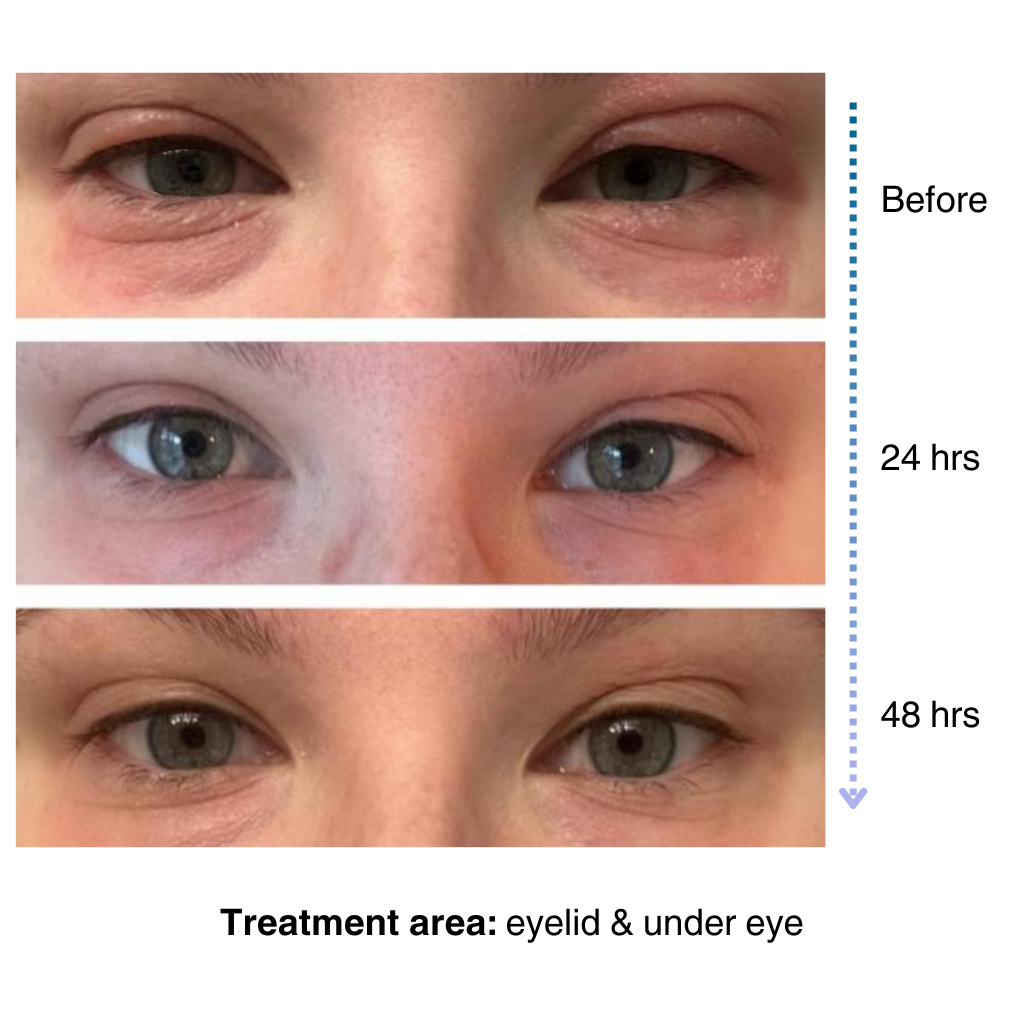
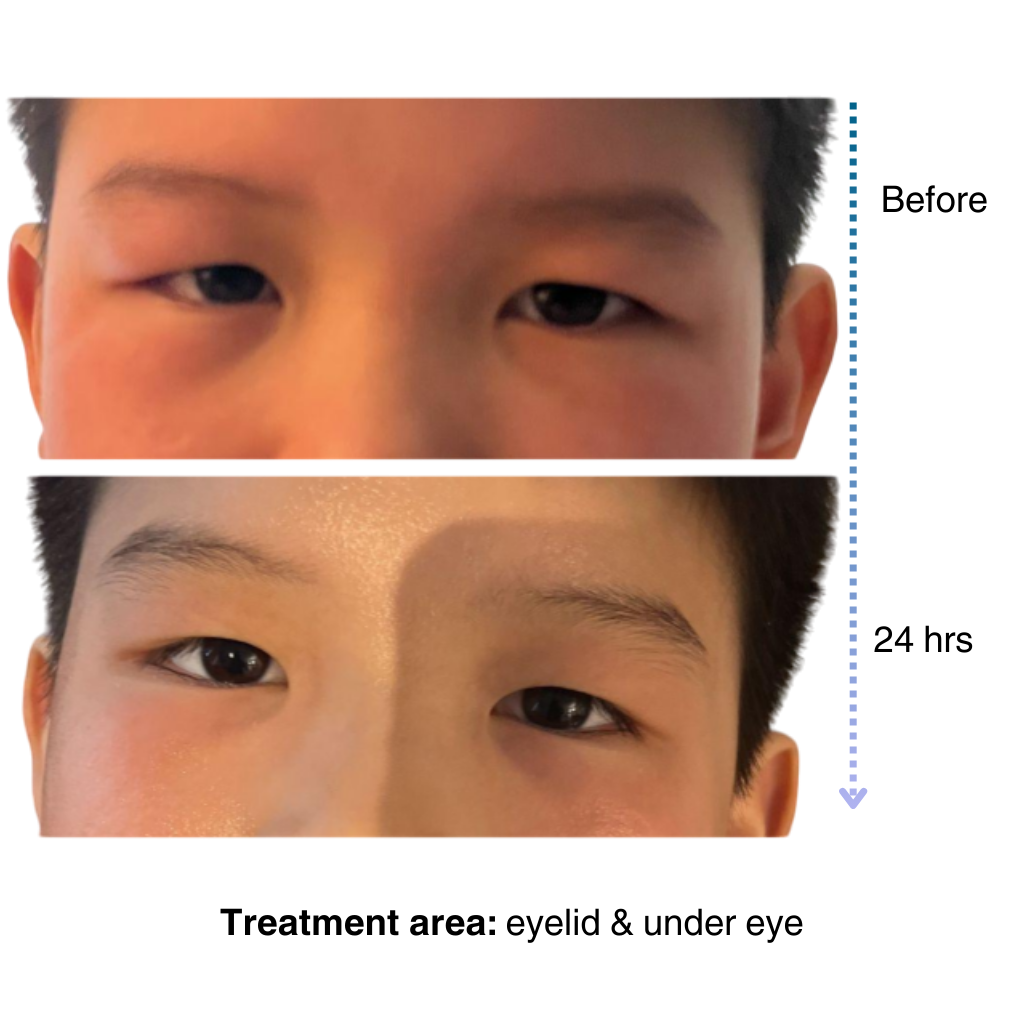
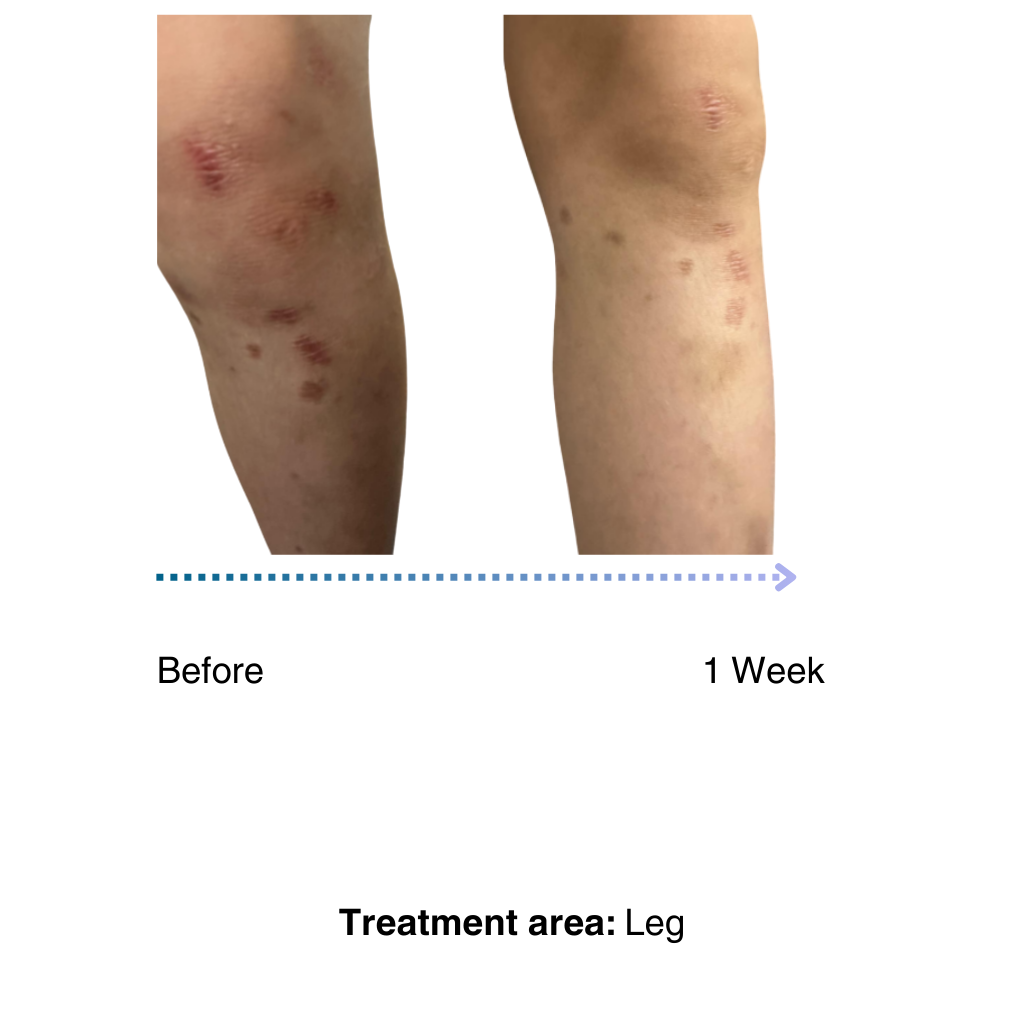
Eczema concerns?
FREE
Get instant expert guidance with our smart AI platform.
Join NowEczema, or atopic dermatitis, is one of the most common chronic skin conditions in the world but it is also one of the most frequently confused. With symptoms like redness, itching, dryness, and flaking, eczema often overlaps with a host of other dermatological conditions.
So how do you know if it is really eczema or something else?
In this guide, we will break down how to tell the difference between eczema and other skin conditions that look similar but require different treatments. We will also cover when to see a dermatologist and how to choose the right skincare products for sensitive or compromised skin.
The skin has a limited number of ways to express distress: redness, itching, bumps, and inflammation. Whether it is caused by an allergy, immune dysfunction, or infection, the end result often looks the same making self diagnosis tricky and sometimes harmful.
A peer reviewed NIH study confirms that atopic dermatitis is often misdiagnosed, particularly in adults, where it can mimic other chronic dermatoses like psoriasis and seborrheic dermatitis.
Atopic dermatitis, commonly known as eczema, is a complex inflammatory skin condition that involves both genetic and environmental factors. The condition is characterized by a defective skin barrier that allows moisture to escape and irritants to penetrate more easily. This compromised barrier function leads to the classic symptoms of dryness, itching, and inflammation that define eczema.
The immune system plays a crucial role in eczema development. People with eczema often have an overactive immune response to triggers that would not typically cause reactions in others. This hyperresponsiveness leads to the inflammation and itching that characterize eczema flares. Understanding this underlying mechanism helps explain why eczema requires a different treatment approach than other skin conditions that may look similar visually.
Eczema typically follows a relapsing and remitting course, meaning symptoms can flare up periodically and then improve. The condition often begins in infancy or childhood, with many children outgrowing it by adolescence. However, adult onset eczema is also possible and can be particularly challenging to diagnose accurately due to its similarity to other skin conditions that commonly appear in adulthood.
Let us take a closer look at what else might be behind your symptoms.
How it is similar:
Key difference:
Tip: Patch testing by a dermatologist can identify what triggered the reaction.
How it is similar:
Key difference:
Treatment differs: Psoriasis often requires immunosuppressants or biologics targeting different immune pathways than those used for eczema.
How it is similar:
Key difference:
Best treatment: Antifungal creams or shampoos, not steroids.
How it is similar:
Key difference:
Look for: Visible blood vessels (telangiectasia), especially in adults over 30.
How it is similar:
Key difference:
Diagnosis: A dermatologist can confirm with a KOH test or skin culture.
How it is similar:
Key difference:
Treatment: Requires prescription antiparasitic creams, not moisturizers or steroids.
When visual examination alone cannot provide a definitive diagnosis, dermatologists employ various diagnostic tools to distinguish between eczema and other skin conditions. These methods help eliminate guesswork and ensure appropriate treatment.
Skin biopsy is one of the most definitive diagnostic procedures. During this minor office procedure, a small sample of affected skin is removed and examined under a microscope. The cellular patterns revealed can clearly differentiate between eczema, psoriasis, fungal infections, and other conditions. For example, psoriasis typically shows thickened skin with elongated rete ridges and neutrophils in the stratum corneum, while eczema demonstrates spongiosis (fluid between skin cells) and a different inflammatory cell pattern.
Patch testing is another valuable tool, particularly for distinguishing between atopic eczema and allergic contact dermatitis. This procedure involves applying small amounts of common allergens to the skin under patches for 48 hours, then observing for reactions. Positive reactions indicate specific contact allergies that may be mimicking or exacerbating eczema symptoms.
Other diagnostic methods include potassium hydroxide (KOH) preparation to detect fungal elements, wood lamp examination for certain bacterial and fungal infections, and skin culture to identify specific infectious organisms. Blood tests may also be ordered to check for elevated immunoglobulin E levels or eosinophil counts, which are often associated with atopic conditions like eczema.
Here are hallmark signs of eczema (atopic dermatitis):
The importance of correct diagnosis extends beyond simply putting a name to your skin condition. Different skin disorders require fundamentally different treatment approaches, and using the wrong treatment can worsen symptoms or create new problems.
For instance, treating a fungal infection with topical steroids (a common eczema treatment) can lead to tinea incognito, a condition where the fungal infection spreads and changes appearance, making it even more difficult to diagnose and treat. Similarly, using antifungal treatments for eczema provides no benefit and may further irritate already sensitive skin.
Eczema treatment typically focuses on repairing the skin barrier with emollients and controlling inflammation with topical corticosteroids or calcineurin inhibitors. In contrast, psoriasis may require vitamin D analogs, retinoids, or systemic medications that target specific immune pathways. Rosacea treatment often involves antibiotics or medications that reduce facial flushing, while seborrheic dermatitis responds best to antifungal agents and medicated shampoos.
Understanding these treatment distinctions highlights why self diagnosis can be risky. What appears to be a simple case of eczema might actually be a different condition requiring completely different management. This is particularly important for chronic or treatment resistant skin issues that have not responded to initial therapies.
If you have tried treating your symptoms for 2 to 3 weeks without relief, it is time to see a professional.
Other red flags:
Dermatologists can perform:
Even before a diagnosis, protecting your skin barrier is essential. Focus on:
NellaDerm’s Barrier Repair Cream is ideal for those uncertain of their diagnosis but in need of barrier support, and the Hydrating Cleanser pairs well with most dermatological treatments.
Regardless of your specific skin condition, certain preventive measures can benefit most inflammatory skin disorders. Maintaining a consistent skincare routine with gentle, non irritating products forms the foundation of good skin health. Avoiding known triggers, whether they are environmental allergens, specific foods, or stress, can significantly reduce flare frequency and severity.
For those with eczema, proactive measures include regular moisturizing to support the skin barrier, avoiding extreme temperatures and sudden temperature changes, and managing stress through techniques like meditation or gentle exercise. Keeping a symptom diary can help identify patterns and triggers specific to your condition.
It is also important to recognize that skin conditions can evolve over time. What begins as typical eczema in childhood might develop additional characteristics in adulthood, or you might develop new sensitivities. Regular follow ups with your dermatologist ensure your treatment plan remains appropriate as your skin changes.
Finally, be patient with treatment results. Most skin conditions require consistent management over weeks or months to show significant improvement. Abandoning treatments too quickly or frequently switching products can further disrupt your skin barrier and complicate both diagnosis and management.
It is frustrating to feel like your skin is not healing, but the right diagnosis changes everything. While eczema is common, it is not the only condition that causes red, itchy, or flaky skin.
Learning how to tell the difference between eczema and other skin conditions ensures you do not waste time, money, or worsen symptoms with the wrong products or treatments.
When in doubt, consult a board certified dermatologist. And while you wait, simplify your skincare routine, support your skin barrier, and use products designed with sensitivity in mind like those from NellaDerm.