Eczema concerns?
FREE
Get instant expert guidance with our smart AI platform.
Join NowEczema, or atopic dermatitis, is one of the most common chronic skin conditions in infants. In fact, up to 20% of babies worldwide are affected by eczema before their first birthday. But what if it could be prevented altogether? Many parents ask, “Can you prevent eczema in babies?” Thanks to new research into early skincare and immune development, science is beginning to offer a hopeful answer. In this blog, we will explore what eczema is, what risk factors exist, and how evidence based skin care may reduce your baby’s chances of developing this uncomfortable and often lifelong condition.

Baby eczema typically appears between 2 and 6 months of age, presenting as:
It is a chronic condition caused by a combination of:
While eczema cannot be “cured,” it can often be managed effectively. But recent research suggests that it may also be prevented or delayed with the right early interventions.
Newborn skin undergoes significant changes during the first months of life. At birth, a baby’s skin barrier is not fully developed, making it more vulnerable to environmental irritants, moisture loss, and microbial invasion. The stratum corneum, the outermost layer of skin responsible for barrier function, takes several weeks to mature properly.
This developmental window presents a critical opportunity for intervention. Research indicates that supporting the skin barrier during this vulnerable period may help prevent the cascade of inflammatory responses that lead to eczema. The skin’s pH, which is neutral at birth, gradually becomes more acidic over the first few weeks, creating a protective acid mantle that inhibits harmful bacteria while supporting beneficial microbes.
Understanding these developmental milestones helps explain why early skincare interventions can be so impactful. By supporting the natural maturation process of infant skin, parents may help establish a resilient barrier that is less susceptible to eczema triggers.
A landmark study published in NIH found that applying a daily emollient from birth reduced the risk of developing eczema by 50% in high risk infants.
Follow up studies, including the larger BEEP trial (Barrier Enhancement for Eczema Prevention), showed mixed but promising results, especially when moisturizers were used consistently and early, before the skin barrier is compromised.
What this means: Simple moisturization may be a powerful early life intervention for preventing or delaying the onset of eczema, especially in babies with a family history of allergies, asthma, or eczema.
A mutation in the filaggrin (FLG) gene, responsible for skin barrier proteins, is a well known eczema risk factor. Babies with this mutation have more permeable skin, which allows allergens and irritants to enter and cause inflammation.
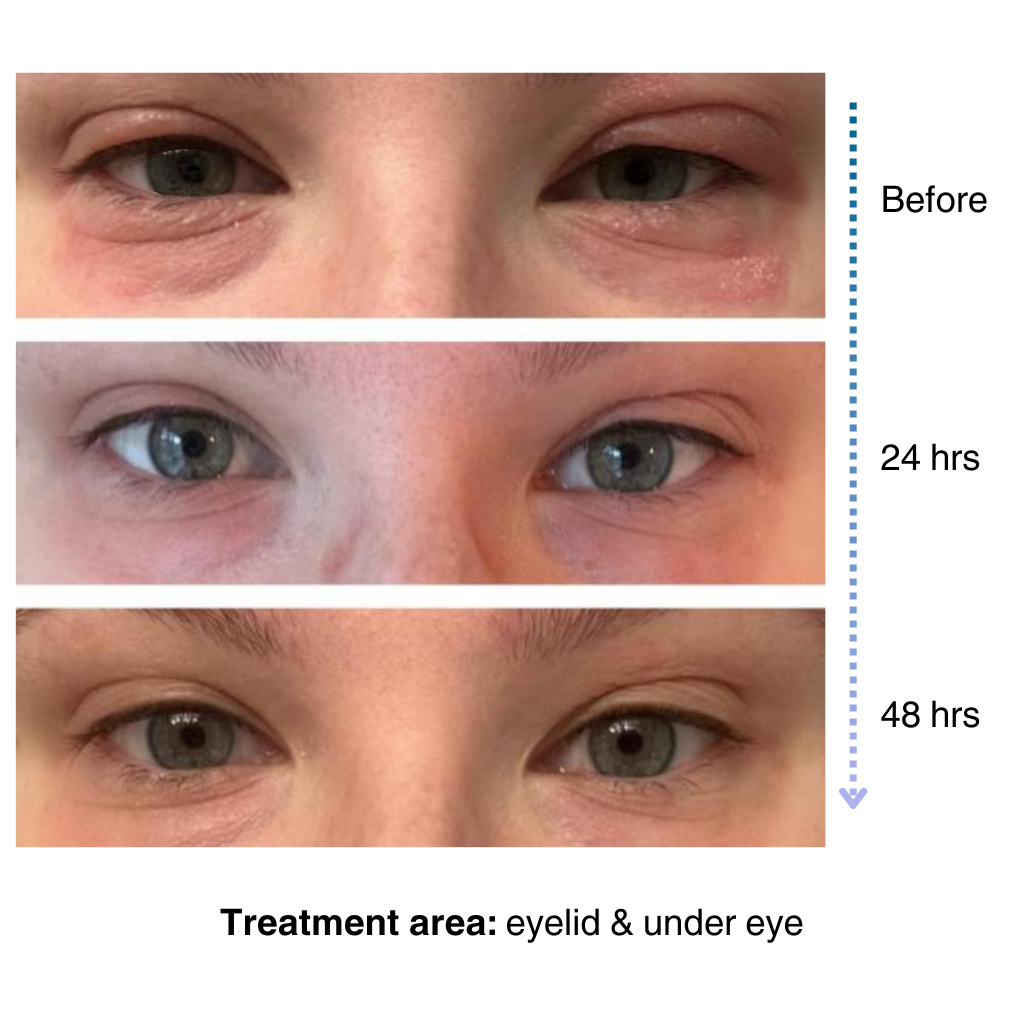
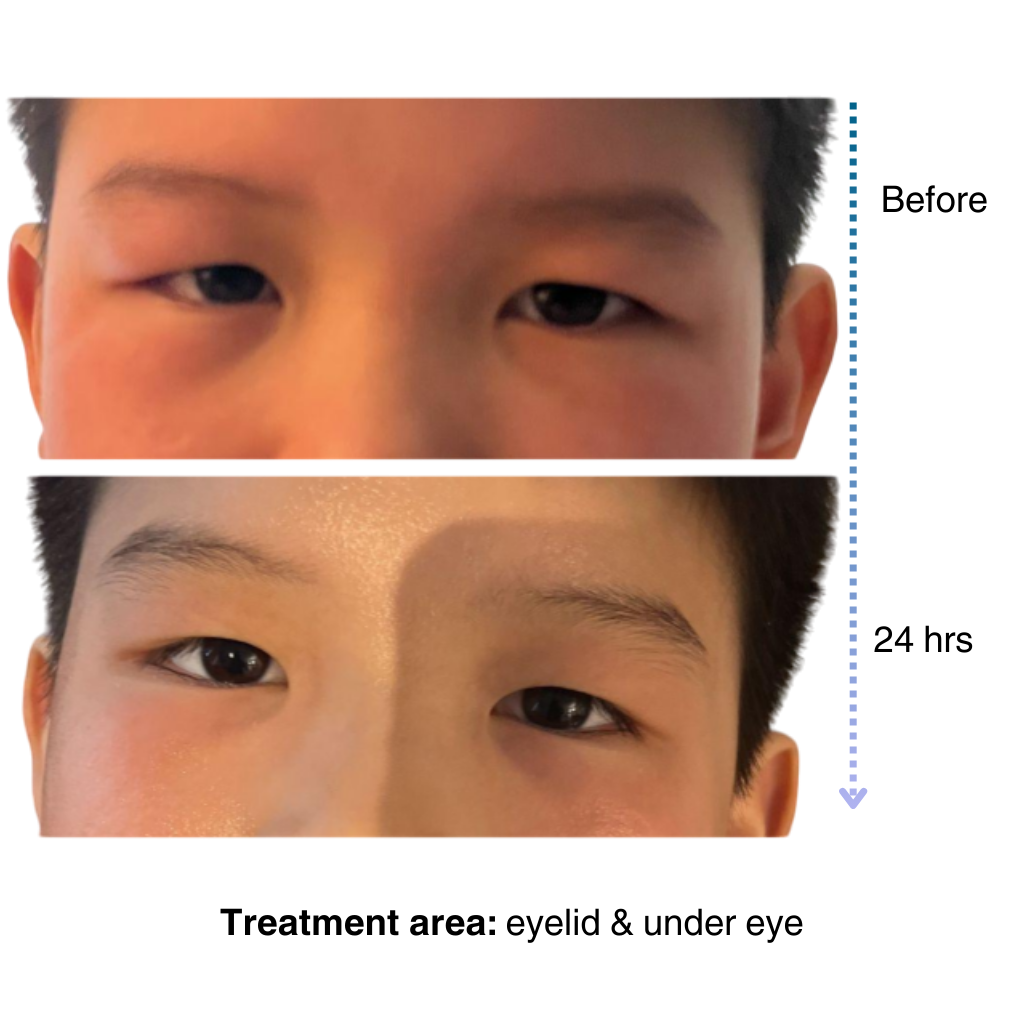
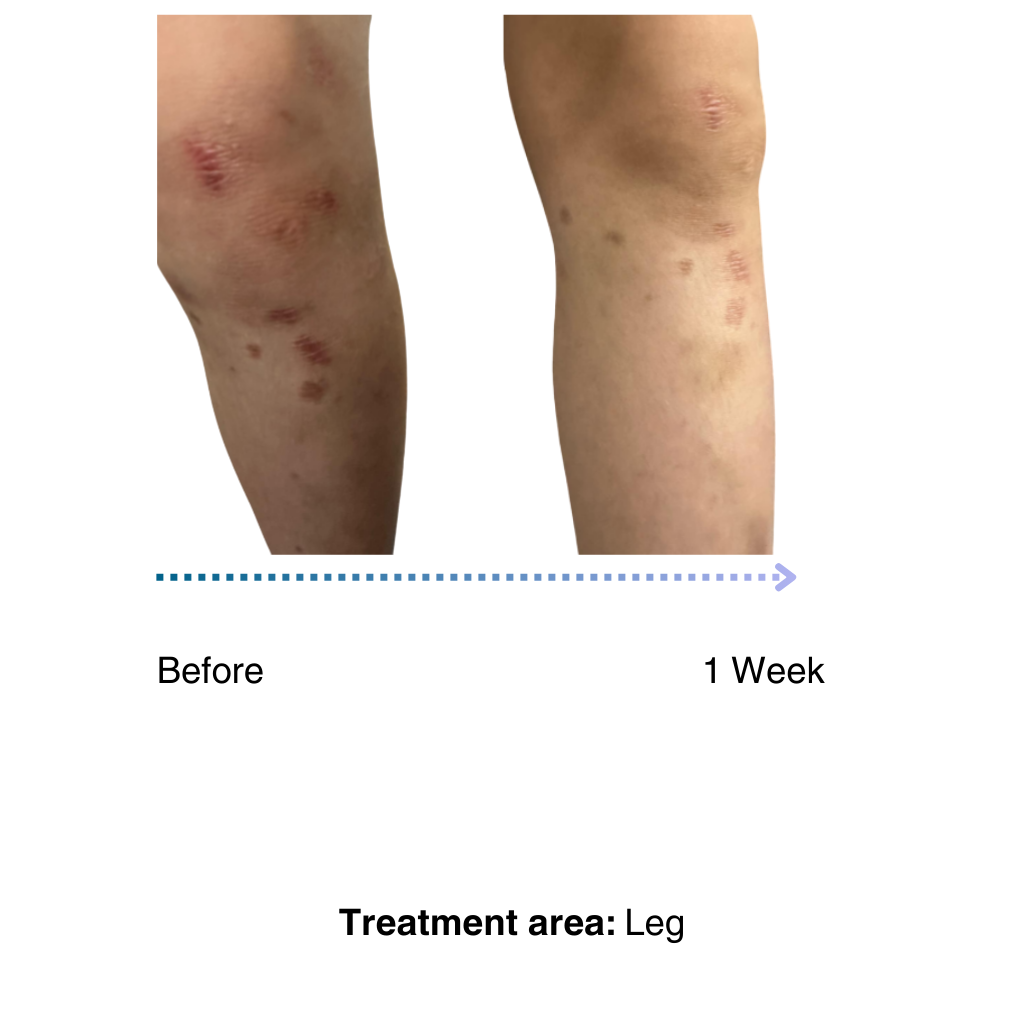
Though we cannot change a baby’s genes, we can support the skin barrier externally with gentle products like NellaDerm’s NovaNella Eczema Stick, specially formulated to replenish moisture and fortify sensitive infant skin.
Not all babies have the same risk of developing eczema. Several factors can help identify infants who may benefit most from preventive strategies. The strongest predictor is family history. Babies with one parent who has eczema, asthma, or allergic rhinitis have approximately a 30% chance of developing eczema themselves. This risk increases to 50-70% when both parents have these conditions.
Other risk factors include premature birth, as the skin barrier has less time to develop in utero, and delivery by cesarean section, which may affect the infant’s microbiome development. Environmental factors such as urban living, exposure to tobacco smoke, and climate with low humidity can also increase risk.
Understanding these risk factors allows parents and healthcare providers to tailor prevention strategies to the infants who stand to benefit most. However, even babies without obvious risk factors can develop eczema, so a gentle skincare routine benefits all infants.
Here are dermatologist backed strategies you can adopt from day one:
Start applying an emollient cream or ointment (not lotion) within the first few weeks of life, especially after bathing.
Professional tip: Apply moisturizer within 3 minutes of patting your baby dry to lock in moisture.
Baths are helpful but how you bathe matters.
A mild cleanser is ideal for delicate skin and will not strip away protective oils.
Use soft, breathable fabrics like 100% cotton. Avoid wool and synthetic materials that can irritate the skin.
Always wash new clothing in fragrance free detergent and avoid fabric softeners. Even a small amount of residue can be enough to trigger a flare in babies with sensitive skin.
Environmental factors like dry indoor air, dust mites, and pet dander can irritate baby skin.
Limiting exposure to potential triggers early may reduce the immune priming that leads to chronic inflammation.
Some studies suggest that exclusive breastfeeding for at least 3 to 4 months may reduce eczema risk, especially in high risk infants. However, the evidence is still mixed.
Mothers may also discuss with their pediatrician whether probiotic supplementation (during pregnancy or infancy) could provide immune benefits. Ongoing trials are investigating the gut skin connection in allergy and eczema development.
Scientists continue to explore new avenues for eczema prevention beyond basic skincare. One promising area involves the infant microbiome. Research suggests that the diversity and composition of microbes colonizing a baby’s skin in the first weeks of life may influence immune development and eczema risk.
Studies are examining whether specific probiotic strains applied topically or taken orally by breastfeeding mothers can support healthy skin colonization. Other investigations focus on the timing and diversity of food introduction, with some evidence suggesting that early introduction of potentially allergenic foods (under medical guidance) may help train the immune system to tolerate these substances.
Vitamin D research represents another frontier. Some studies have found associations between low vitamin D levels during pregnancy or infancy and increased eczema risk, though optimal supplementation protocols are still being determined. These emerging areas highlight the complexity of eczema prevention and the importance of a multifaceted approach.
Navigating the baby product aisle can be overwhelming for parents concerned about eczema prevention. Understanding ingredient labels is crucial for making safe choices. Look for products with minimal ingredients lists and avoid common irritants such as fragrances, dyes, alcohol, and certain preservatives like methylisothiazolinone.
The texture of moisturizers matters too. Ointments, which contain the highest oil content, provide the most effective barrier protection, followed by creams, then lotions. For very dry or high risk skin, ointments are generally recommended. Creams work well for daily maintenance on normal to dry skin, while lotions may be insufficient for eczema prevention.
When introducing any new product, perform a patch test by applying a small amount to your baby’s inner forearm and monitoring for 24 to 48 hours for any signs of redness or irritation. This simple step can prevent widespread reactions if your baby proves sensitive to a particular formulation.
Even with the best preventive efforts, some babies will still develop eczema due to their genetics or immune profile. The goal then becomes early management, not just symptom control.
Look for signs of eczema in:
If you suspect eczema, consult your pediatrician or a board certified dermatologist for proper diagnosis and to rule out conditions like seborrheic dermatitis or contact allergy.
Preventing and managing infant eczema can feel overwhelming for new parents. Fortunately, numerous resources are available to provide guidance and support. Many hospitals offer newborn skincare classes that cover eczema prevention strategies. Online communities connect parents facing similar challenges, providing practical tips and emotional support.
Working closely with healthcare providers ensures that prevention strategies are tailored to your baby’s specific needs. Pediatric dermatologists, allergists, and specialized eczema nurses can provide advanced guidance when basic prevention approaches are insufficient. Remember that every baby’s skin is unique, and strategies may need adjustment over time as your infant grows and their skin matures.
Keeping a simple skincare journal can help identify patterns and triggers. Note any changes in products, environment, or diet alongside observations about your baby’s skin condition. This information can be invaluable during healthcare visits and helps refine your prevention approach over time.
So can you prevent eczema in babies? Science says possibly yes, especially through early moisturization and barrier protection, particularly in high risk infants.
While no strategy is guaranteed, taking steps like using gentle, fragrance free skincare, moisturizing daily, and minimizing irritant exposure gives your baby’s skin the best start.
To support your baby’s journey to healthy skin, explore NellaDerm’s collection, developed with dermatology in mind and trusted by parents who want gentle yet effective protection.