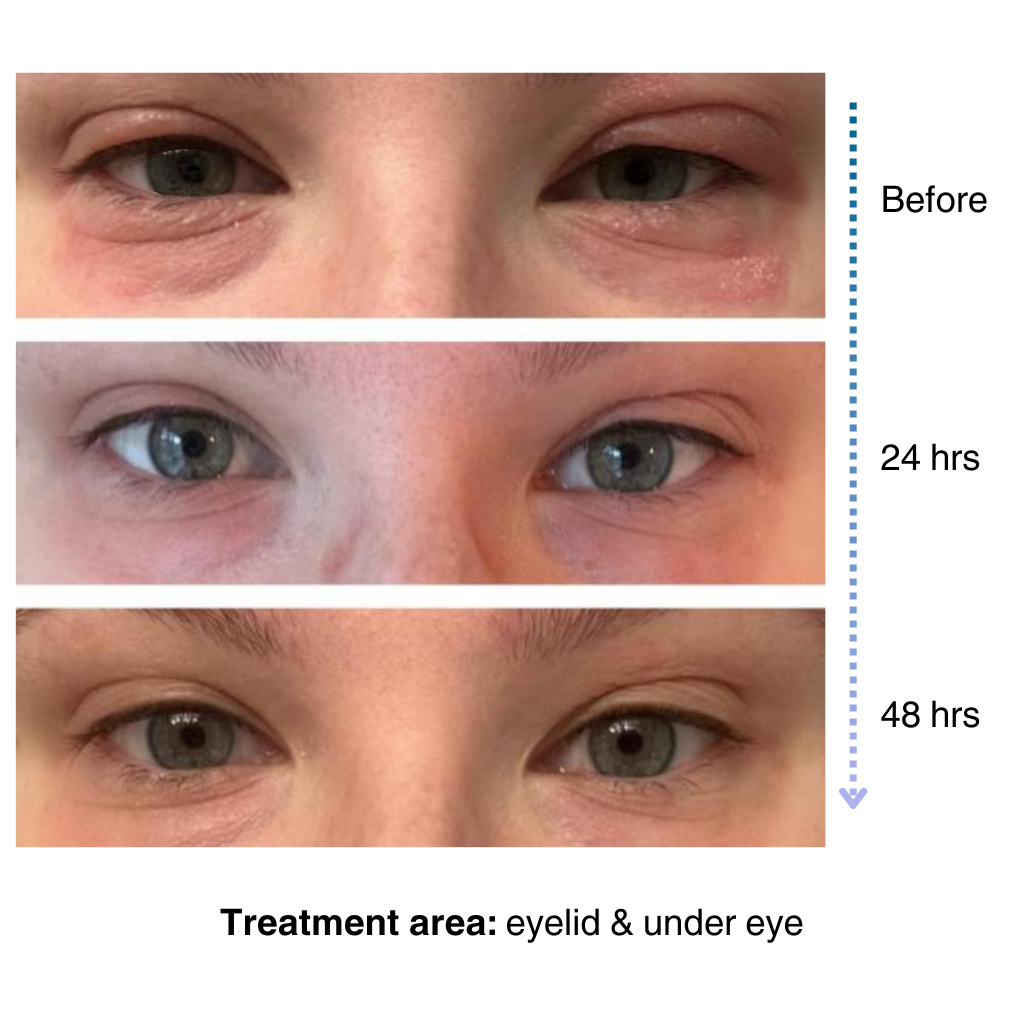
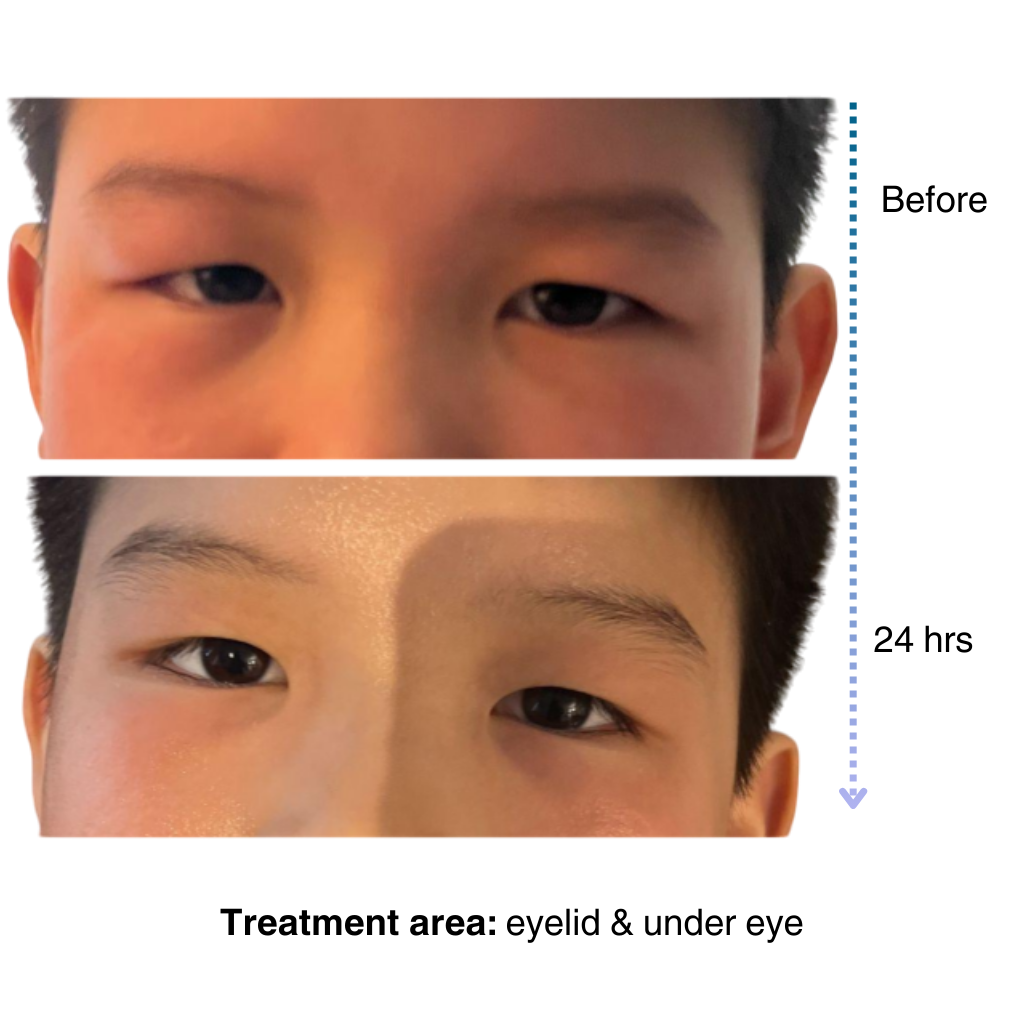
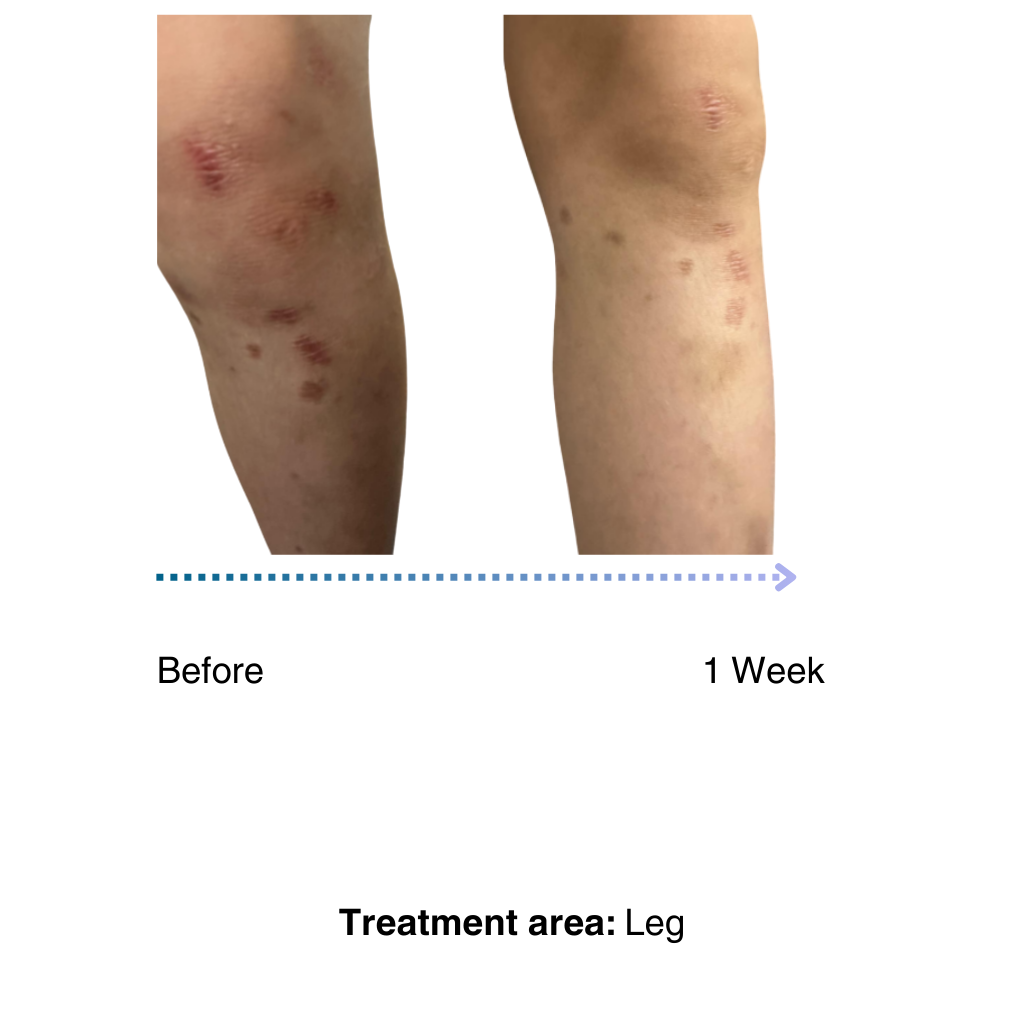
Eczema concerns?
FREE
Get instant expert guidance with our smart AI platform.
Join NowAirports, airplanes, and eczema it’s a turbulent mix. If you’ve flown with eczema before, you might already know how quickly a smooth travel day can turn into an itchy, uncomfortable ordeal.
From dry cabin air and stressful environments to limited skincare access mid-flight, air travel poses unique challenges for eczema-prone skin. But with the right preparation, you can navigate even long-haul flights without a major flare-up. In this guide, we’ll explore the connection between eczema and air travel, the triggers hiding inside every cabin, and how to build your eczema-friendly flight survival kit.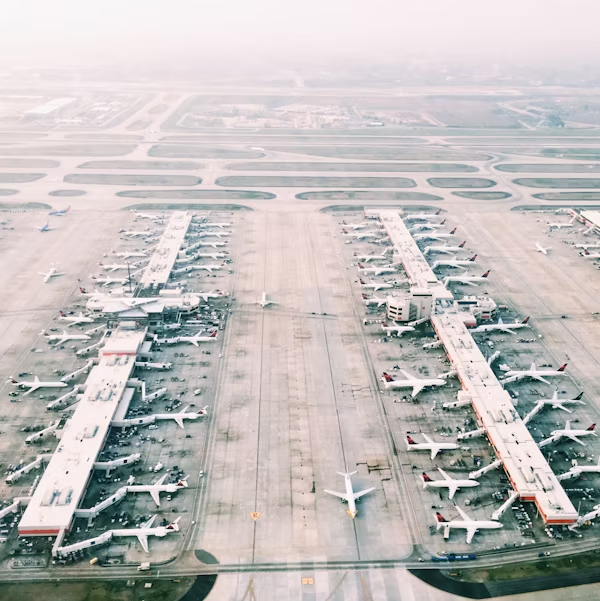
The cabin environment in an airplane is vastly different from what your skin is used to on the ground. Here’s why it matters:
Airplanes typically maintain a humidity level of 10 to 20%, compared to 40 to 60% in most homes. This extreme dryness strips the skin of moisture, especially in those with a weakened skin barrier.
Even exciting travel can be stressful, and psychological stress is a known eczema trigger. Cortisol spikes can increase skin inflammation and itching. Learn more about stress and eczema through our blog post on the emotional impact of eczema.
Security rules limit what liquids you can carry on, meaning access to your usual moisturizers or cleansers may be restricted or completely forgotten in a rush.
Salty snacks, processed foods, and potential allergens (like dairy or gluten) served on planes can aggravate inflammation from the inside out.
The aircraft cabin presents multiple environmental factors that collectively challenge eczema prone skin. Beyond the obvious low humidity, the recirculated air contains particles from various sources including cleaning chemicals, other passengers’ personal products, and materials from the aircraft interior itself.
The constant noise and vibration during flight can also contribute to sensory overload, which may increase stress levels and consequently trigger eczema flares. Many passengers report feeling more itchy and uncomfortable during takeoff and landing, when cabin pressure changes most dramatically.
Additionally, the seating materials in airplanes often contain synthetic fabrics and fire retardant chemicals that can directly contact your skin. For individuals with contact allergies, these materials can provoke reactions that mimic or worsen eczema symptoms during extended periods of sitting.
Before you board, take a few key steps to give your skin a head start.
Use an intensive barrier repair cream like NellaDerm’s NellaCalm to deeply hydrate and seal moisture into your skin. Don’t skip this step.
Drink plenty of water in the 24 hours leading up to your flight. Well hydrated skin starts internally.
According to TSA guidelines, you can bring containers up to 3.4 oz (100 mL) in a clear, zip top bag. Make sure to include:
NellaDerm offers travel friendly options that are gentle and non comedogenic perfect for in flight use.
Wear loose, breathable layers made from cotton or bamboo. Avoid wool or synthetics that trap sweat or cause friction. Bring a soft scarf or blanket in case the cabin gets cold. Refer to our article about the best fabrics for eczema for more information.
Experienced travelers with eczema develop specific packing techniques that go beyond basic skincare. Consider creating a dedicated travel kit that stays packed between trips, ensuring you never forget essential items. This kit should include not only your skincare products but also backup options in case of spills or lost luggage.
For international travel, research the availability of eczema products at your destination. Some countries have different formulations or brand availability, and knowing what you can purchase locally provides peace of mind. Keep a list of ingredient names in the local language to help you identify safe products if needed.
Don’t overlook non liquid alternatives that can bypass TSA restrictions. Solid moisturizer bars, powder cleansers, and medicated wipes can provide effective skincare without counting toward your liquid allowance. These alternatives are particularly valuable for long trips where you might need more product than travel sizes provide.
As soon as you’re seated, apply a barrier cream to hands, face, and any sensitive areas. Reapply every few hours, especially after using hand sanitizer or washing hands.
The overhead air jets blow dry, recycled air directly onto your skin. Turn them off or angle them away to minimize dehydration.
Stress and overheating are both flare up risks. Bring noise cancelling headphones, an eye mask, and calming distractions (music, audiobooks, breathing apps).
Caffeine and alcohol are dehydrating, which worsens eczema. Stick with still water or electrolyte rich beverages if you’re on a long flight.
If you’re sensitive to food triggers, pre order a hypoallergenic or low sodium meal, or bring your own snacks. Avoid processed foods high in sugar and salt.
Developing a structured in flight skincare routine can make the difference between comfortable travel and a painful flare up. Start by establishing a schedule for reapplying products rather than waiting until you feel discomfort. Set reminders on your phone or watch to moisturize every two to three hours during the flight.
Pay special attention to high friction areas like behind your knees, inner elbows, and around your waistband where clothing rubs against skin. These areas benefit from additional protection, perhaps with a thicker ointment applied before takeoff. Consider using clothing as a protective barrier by ensuring loose fits in these sensitive zones.
Be mindful of the airplane bathroom environment when doing skincare. The small space and limited surfaces make it challenging to maintain cleanliness. Bring your own sanitizing wipes to clean surfaces before setting down your products, and use disposable applicators or clean hands to avoid contaminating your product containers.
As soon as you can, rinse off sweat, grime, and allergens from the plane. Use a fragrance free hydrating cleanser and pat skin dry don’t rub.
Apply a rich emollient to rehydrate and calm your skin. Focus on high stress zones like hands, face, elbows, and behind the knees.
If your flight involved a time zone change, your circadian rhythm may affect eczema severity. Aim for good sleep, avoid long hot showers, and stay consistent with your skincare.
The first 24 hours after your flight are critical for preventing a full blown eczema flare. Begin with a lukewarm shower using a gentle, fragrance free cleanser to remove the accumulation of cabin air pollutants and dried sweat. Avoid harsh scrubbing or hot water, which can further compromise your skin barrier.
Within three minutes of patting your skin dry, apply a generous layer of your preferred moisturizer or barrier repair cream. This timing is crucial as it helps lock in hydration from your shower. For severely dehydrated areas, consider using a wet wrap technique with damp cotton clothing or specialized wraps to intensify hydration.
Monitor your skin closely for the next several days, as some reactions to flight conditions may not appear immediately. Keep a simple log of any changes in itching, redness, or dryness. This information can help you refine your travel preparation for future flights and identify patterns in how your skin responds to air travel.
Research published in NIH confirms that low humidity and high altitude pressure contribute to transepidermal water loss (TEWL) in the skin, particularly in people with existing barrier damage. The study explains that epidermal water loss increases exponentially as relative humidity drops below 30% as it typically does on planes.
This explains why even those with “mild eczema” can experience severe flares after air travel, especially on long haul flights.
Look for compact, non irritating essentials such as:
Find dermatologist developed travel essentials at NellaDerm, specifically formulated to support eczema prone skin on the go.
Traveling with children who have eczema requires additional planning and consideration. Pack familiar products that you know work well for your child, as new environments can make them more sensitive to changes in their routine. Bring comfort items like their favorite blanket or toy to reduce anxiety, which can trigger flares.
Dress children in layers of soft, breathable fabrics that can be easily removed if they become too warm. Keep their nails trimmed short to minimize damage from any in flight scratching. Consider bringing cotton gloves or mittens for younger children who may scratch unconsciously during sleep.
For infants and toddlers, consult with your pediatrician before flying, especially if their eczema is currently active. They may recommend specific pre flight treatments or adjustments to your travel plans. Some families find that red eye flights work better for children with eczema, as they sleep through most of the flight when itching tends to be less noticeable.
Yes. Even if you’re in remission, the dry air, food, stress, and environmental exposure during a flight can cause a delayed flare.
Only if advised by your dermatologist. In some cases, pre treatment with a topical steroid can reduce risk of inflammation.
Yes. If you have severe eczema or allergic conditions, consider requesting early boarding, cooler seating zones, or assistance with carrying medical items.
Air travel doesn’t have to mean eczema flare ups. With a little planning and the right products, you can fly comfortably, stay hydrated, and avoid common in flight irritants.
Think of your eczema travel routine the same way you’d plan your carry on: essential, compact, and tailored for comfort.
For travel sized skincare that works as hard as you do, explore dermatologist recommended options at NellaDerm.com. Your skin deserves a first class experience even in economy.