Eczema concerns?
FREE
Get instant expert guidance with our smart AI platform.
Join NowThe city has its perks vibrant energy, fast paced life, and endless options. But for those living with eczema, urban environments often come with an invisible threat: pollution.
From vehicle exhaust to industrial emissions and airborne allergens, urban pollution can wreak havoc on sensitive, eczema prone skin. You may notice more frequent flare ups, drier skin, or even new allergic responses. The link between eczema and urban pollution is now well established in dermatology and the good news is, you can take steps to protect your skin while enjoying city life. In this guide, we will break down how pollution affects eczema, the science behind it, and what you can do every day to reduce your exposure and fortify your skin barrier.
Urban environments contain high concentrations of particulate matter (PM2.5 and PM10), nitrogen dioxide (NO₂), ozone (O₃), and volatile organic compounds (VOCs). These airborne pollutants can:
People with eczema already have a compromised skin barrier, which means pollutants can cause deeper irritation and more intense immune reactions than in those with healthy skin.
A 2022 study found that exposure to air pollution significantly worsened atopic dermatitis in urban children, with increased hospital visits on high pollution days.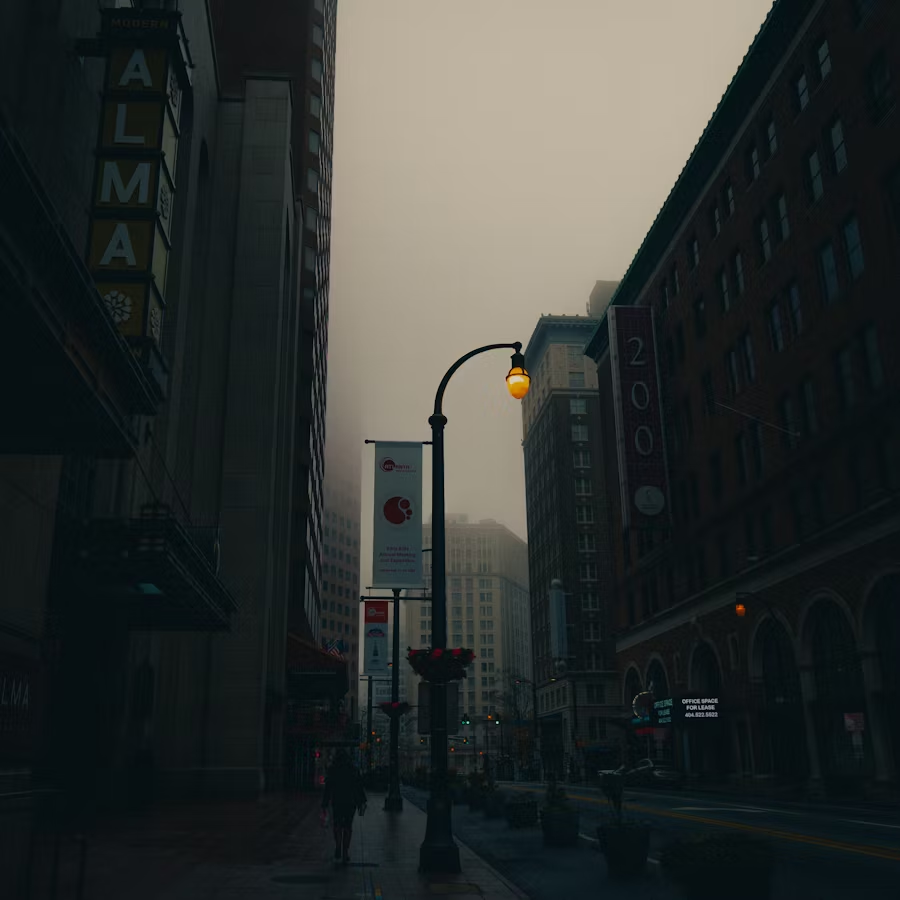
Understanding how pollution damages the skin requires looking at the molecular level. Particulate matter, especially PM2.5 particles that are 2.5 micrometers or smaller, can penetrate deep into the skin’s layers. These particles carry polycyclic aromatic hydrocarbons (PAHs) and heavy metals that generate free radicals through oxidative stress.
When free radicals accumulate in the skin, they damage cellular structures including lipids, proteins, and DNA. This oxidative damage triggers inflammatory pathways, particularly the NF κB pathway, which leads to increased production of pro inflammatory cytokines like IL 4, IL 13, and IL 31. These cytokines are known to drive the itching and inflammation characteristic of eczema flares.
Additionally, pollution particles can disrupt the skin’s natural antioxidant defense system. The skin normally produces antioxidants like glutathione and superoxide dismutase to neutralize free radicals, but chronic pollution exposure can overwhelm these natural defenses, leaving the skin vulnerable to ongoing damage.
Research from the Journal of Investigative Dermatology has shown that pollution exposure can alter the composition of the skin microbiome, reducing beneficial bacteria while allowing potentially harmful species to flourish. This microbial imbalance further compromises the skin barrier and increases inflammation.
Not sure if the smoggy air is behind your flare ups? Common signs of pollution aggravated eczema include:
If your eczema worsens during rush hour, smog alerts, or after being outdoors in high traffic areas, air pollution could be a hidden culprit.
Not all pollutants affect the skin in the same way. Different types of urban pollution present unique challenges for eczema management:
These microscopic particles from vehicle exhaust, industrial emissions, and construction sites can penetrate the skin barrier and carry toxic compounds deep into skin tissues. PM2.5 particles are particularly concerning because their small size allows them to reach the deeper layers of the epidermis.
Primarily from vehicle emissions, nitrogen dioxide can deplete the skin’s natural antioxidants and increase sensitivity to other environmental triggers. It also contributes to the formation of ground level ozone, another skin irritant.
Ground level ozone forms when sunlight reacts with vehicle emissions and industrial pollutants. Ozone exposure damages the skin’s lipid barrier, increases transepidermal water loss, and generates free radicals that accelerate skin aging and inflammation.
Found in vehicle exhaust, industrial solvents, and even some household products, VOCs can be absorbed through the skin and cause allergic reactions, irritation, and long term barrier damage.
Applying a thick, fragrance free emollient like NellaDerm’s NovaNella Eczema Stick can create a physical layer between your skin and the environment. Look for ingredients like:
Apply before heading outdoors and reapply if you are outside for long periods.
At the end of the day, it is important to wash off pollutants, smoke, and grime without stripping the skin. Use a non foaming, pH balanced cleanser followed by a lightweight cleansing oil or micellar water if needed.
Avoid harsh exfoliants or drying soaps. After cleansing, apply a moisturizer within three minutes to trap hydration.
If air quality is poor, wearing a breathable face mask can help reduce pollutant contact especially on high traffic walking routes. This is especially helpful if your eczema flares around your nose, cheeks, or mouth.
Air pollution creates free radicals, which contribute to oxidative stress and skin damage. Add topical antioxidants like:
A 2019 review in Oxidative Medicine and Cellular Longevity confirmed that topical antioxidants reduce oxidative stress and inflammatory signaling pathways in eczema prone skin.
Even indoors, pollution levels can be high due to cooking fumes, candles, synthetic cleaning products, or outdoor pollutants entering through windows. Try:
If possible, walk on quieter side streets, avoid peak traffic times, and stay upwind of car exhaust when walking or biking. You can even check apps like IQAir or AirVisual for real time pollution levels in your area.
Living with eczema in the city requires consistent daily habits to minimize pollution exposure and protect your skin barrier. Start each morning with a gentle cleanse followed by application of a protective barrier cream. Pay special attention to exposed areas like your face, neck, hands, and any other areas not covered by clothing.
Throughout the day, be mindful of your environment. If you work near windows, consider keeping them closed during high pollution hours. When exercising outdoors, choose times when air quality is better typically early morning before traffic peaks or later in the evening.
Your evening routine should focus on thorough but gentle removal of the day’s accumulation of pollutants. The double cleansing method is particularly effective for urban dwellers. Start with an oil based cleanser to dissolve pollution particles and sunscreen, followed by a water based cleanser to remove any remaining impurities.
Remember that pollution protection is not just for days when the air looks dirty. Many of the most harmful pollutants are invisible, so consistent daily protection is essential for managing eczema in urban environments.
The best defense is not just topical it is whole body care. Support your skin from the inside with:
Your home should be a sanctuary from urban pollution, especially your bedroom where you spend many hours each night. Invest in a high quality HEPA air purifier for your sleeping area, and consider keeping windows closed during high pollution days. Regular vacuuming with a HEPA filter vacuum can reduce settled particulate matter that can become airborne again.
Be mindful of indoor pollution sources as well. Many cleaning products, air fresheners, and scented candles release VOCs that can irritate eczema. Opt for fragrance free cleaning products and avoid aerosol sprays. When cooking, use your exhaust fan to remove combustion byproducts and cooking fumes.
Your bedding and clothing choices also matter. Wash new clothes before wearing them to remove chemical residues from manufacturing. Choose natural, breathable fabrics like cotton and silk for bedding and clothing, and wash them with fragrance free, dye free detergents.
Consider adding humidity control to your home environment. Many urban apartments have dry air due to heating and cooling systems, which can worsen eczema. A humidifier can help maintain optimal humidity levels (around 40 50%) to support your skin barrier.
If your eczema is not improving with barrier repair and pollution avoidance strategies, consult a dermatologist. You may need prescription treatments like:
Use this guide to find an eczema specialist near you if you are unsure where to begin.
Urban pollution is an unavoidable part of city life but eczema does not have to rule your day. With mindful skincare, barrier repair, and daily protection, you can live comfortably even in the most polluted neighborhoods.
At NellaDerm.com, you will find dermatologist recommended solutions for eczema prone skin free of harsh chemicals, fragrance, and fillers. Whether you are commuting across town or braving smoggy skies, your skin can still thrive in the city.