Eczema concerns?
FREE
Get instant expert guidance with our smart AI platform.
Join NowCooking is a joyful, creative act but for those living with eczema, time in the kitchen can be surprisingly painful. From hot water and detergents to acidic ingredients and friction from utensils, common cooking tasks can trigger or worsen eczema flare ups, especially on the hands and wrists. Whether you’re a seasoned chef or a casual home cook, learning to navigate the kitchen with eczema can mean the difference between skin that thrives and skin that reacts. In this guide, we’ll cover the essential connection between eczema and cooking, and share practical strategies to protect your skin while still enjoying your time at the stove.
The kitchen is full of irritants and allergens that can compromise the already fragile skin barrier of people with eczema. Here’s what makes cooking risky for sensitive skin:
Hot water and harsh soaps strip the skin of its natural oils, leaving it dry, cracked, and vulnerable to inflammation.
Some eczema sufferers are sensitive to common food allergens (like dairy, eggs, wheat, or nuts), but even contact with acidic foods like citrus, tomatoes, and onions can cause irritant contact dermatitis.
Working near hot ovens, stovetops, or steaming dishes can increase sweating and heat exposure, both of which exacerbate eczema.
Washing dishes, cleaning countertops, and handling sponges can expose skin to harsh chemicals, a major eczema trigger.
A 2020 study published in Contact Dermatitis showed that exposure to kitchen related irritants is a significant cause of hand eczema, particularly in individuals with a history of atopic dermatitis.
Managing eczema in the kitchen requires a comprehensive approach that addresses both environmental triggers and personal habits. The skin barrier function is already compromised in eczema patients, making it more susceptible to irritation from common kitchen exposures. Understanding the mechanisms behind these reactions can help you develop more effective protection strategies.
The combination of moisture, heat, and chemical exposure creates a perfect storm for skin irritation. When you wash dishes or clean surfaces, you’re not just exposing your skin to water you’re combining multiple irritants that can break down the skin’s protective barrier more quickly than any single exposure would.
Recent research suggests that the cumulative effect of multiple mild irritants can be more damaging than a single strong irritant. This means that even if no single kitchen task seems particularly harmful, the combination of handwashing, food preparation, and cleaning throughout the day can significantly worsen eczema symptoms.
Wear non latex, cotton lined rubber gloves for dishwashing and cleaning. If gloves irritate your skin or trap sweat, insert thin cotton gloves underneath for breathability.
Pro tip: Have two sets one for wet tasks (like dishes), and one for dry prep (like peeling or slicing acidic foods).
NellaDerm’s NellaCalm is ideal for sealing in moisture post wash, especially after repeated contact with water.
Certain foods can irritate eczema prone skin on contact, even if you’re not allergic to them. These include:
Wear gloves or use utensils to minimize direct contact, especially during long prep sessions.
Try to limit prolonged exposure to stovetop heat or steam, especially if you’re prone to flare ups around your face or neck. Step back from the stove regularly, or rotate between hot and cold tasks.
Ventilation helps use a fan or open window to reduce humidity and airborne irritants like cooking oils or spice particles.
Avoid harsh detergents, bleach, and strong antibacterial sprays. Instead, opt for:
Check out our blog on Eczema and Cleaning Products: Household Items to Avoid for more helpful substitutions.
Use the pre and post method:
Store a small jar of moisturizer near your sink so it’s always within reach.
For individuals who spend significant time in the kitchen or have severe hand eczema, more comprehensive protection strategies may be necessary. Consider creating an eczema friendly kitchen environment by replacing harsh cleaning tools with gentler alternatives and organizing your workspace to minimize unnecessary skin contact with irritants.
Invest in kitchen tools with soft, ergonomic handles that reduce friction and pressure on sensitive skin. Silicone utensils are often gentler than metal or wood, and they’re easier to clean thoroughly. Consider using food processors or other appliances for tasks that would normally require extensive hand contact with potential irritants.
Develop a systematic approach to meal preparation that minimizes repeated handwashing. Group tasks that require clean hands together, and use tools rather than bare hands whenever possible. Plan your cooking sessions to include regular breaks where you can apply moisturizer and give your skin a rest from exposure.
For professional cooks or serious home chefs with persistent hand eczema, consulting with an occupational dermatologist can provide personalized strategies and workplace accommodations. They can recommend specific barrier creams, glove systems, and workflow modifications tailored to your specific cooking activities and eczema triggers.
While eczema triggers vary widely, certain dietary habits can affect your skin from the inside out.
If you suspect food sensitivities, consult a registered dietitian or allergist. You can also keep a food and flare journal to help identify patterns. Check out our blog to learn more about the best diet for eczema.
Adapting your cooking methods can significantly reduce skin irritation while still allowing you to create delicious, nutritious meals. Steaming, baking, and slow cooking are excellent methods that minimize direct contact with food irritants and reduce the amount of active cooking time required.
One pot meals are particularly beneficial for eczema sufferers as they reduce both preparation time and cleanup. Consider recipes that combine proteins, vegetables, and grains in a single baking dish or slow cooker. Sheet pan dinners, where ingredients are arranged on a single pan and roasted together, are another excellent option that minimizes hands on time.
When preparing potentially irritating foods, consider techniques that reduce their irritant properties. For example, roasting tomatoes or onions can make them less irritating than their raw counterparts. Peeling fruits and vegetables removes potential irritants in the skins, and cooking acidic foods can sometimes reduce their pH related irritation.
Meal prepping on days when your skin is less sensitive can help ensure you have safe, convenient options available during flare ups. Preparing larger batches of eczema friendly foods and freezing portions reduces daily cooking time and exposure to kitchen irritants throughout the week.
It’s best to avoid preparing food if your hands have cracks, bleeding, or oozing skin. This protects both your skin and food hygiene. Use gloves and seek medical treatment if symptoms persist.
Yes, reusable cotton towels are gentler. But wash them frequently with fragrance free detergent to avoid contamination.
If your hands feel tight or itchy midway through prep, take a short break to moisturize it’s worth the interruption to prevent a flare.
For wet tasks like washing dishes, choose waterproof gloves with cotton liners. For food preparation, consider disposable nitrile gloves which provide protection while maintaining dexterity. For handling hot items, silicone oven mitts are less irritating than traditional fabric ones.
Plan your cooking sequence to handle all raw ingredients first, then move to cooking tasks. Use utensils instead of hands whenever possible. Keep a container of sanitizing wipes for quick cleaning of surfaces and tools rather than washing your hands repeatedly.
Living with eczema doesn’t mean giving up your love of cooking. With a few smart adjustments like choosing the right gloves, using skin friendly products, and maintaining a consistent moisture routine you can make the kitchen a safe and enjoyable space.
And if you’re looking for dermatologist approved products that lock in hydration and soothe post cooking irritation, explore the full eczema care line at NellaDerm.com.
Because good food and healthy skin should go hand in hand.
Eczema isn’t just a skin condition—it’s an emotional battle. The relentless itching, visible flare-ups, and social stigma can lead to anxiety, depression, and low self-esteem. If you’ve ever felt embarrassed by your skin or frustrated by treatments that don’t work, you’re not alone.
The good news? Managing eczema goes beyond creams—it’s about restoring both your skin and confidence. In this post, we’ll explore:
– How eczema affects mental health
– Why most treatments fail to address the emotional toll
– How NovaNella’s breakthrough formula helps heal skin and self-esteem
63% of eczema patients report avoiding social events due to flare-ups (National Eczema Association)
Fear of judgment leads to wearing long sleeves in summer or skipping photos
Itch-scratch cycles disrupt sleep, increasing stress hormones
Many report feeling “trapped” when steroids stop working
Chronic eczema sufferers are 30% more likely to develop depression (Journal of Allergy and Clinical Immunology)
The cycle: Flare-up → Stress → Worse flare-up
“I canceled dates because my face was peeling. Eczema made me feel unlovable.” – Mark, 28
| Common Treatments | Physical Effect | Emotional Downside |
|---|---|---|
| Steroid Creams | Reduces inflammation | Thins skin, causes withdrawal flares |
| Antihistamines | Temporarily stops itching | Drowsiness affects daily life |
| Immunosuppressants | Calms immune response | Long-term health risks increase anxiety |
Most treatments focus only on symptoms, not the stress-skin connection. That’s where NovaNella changes the game.
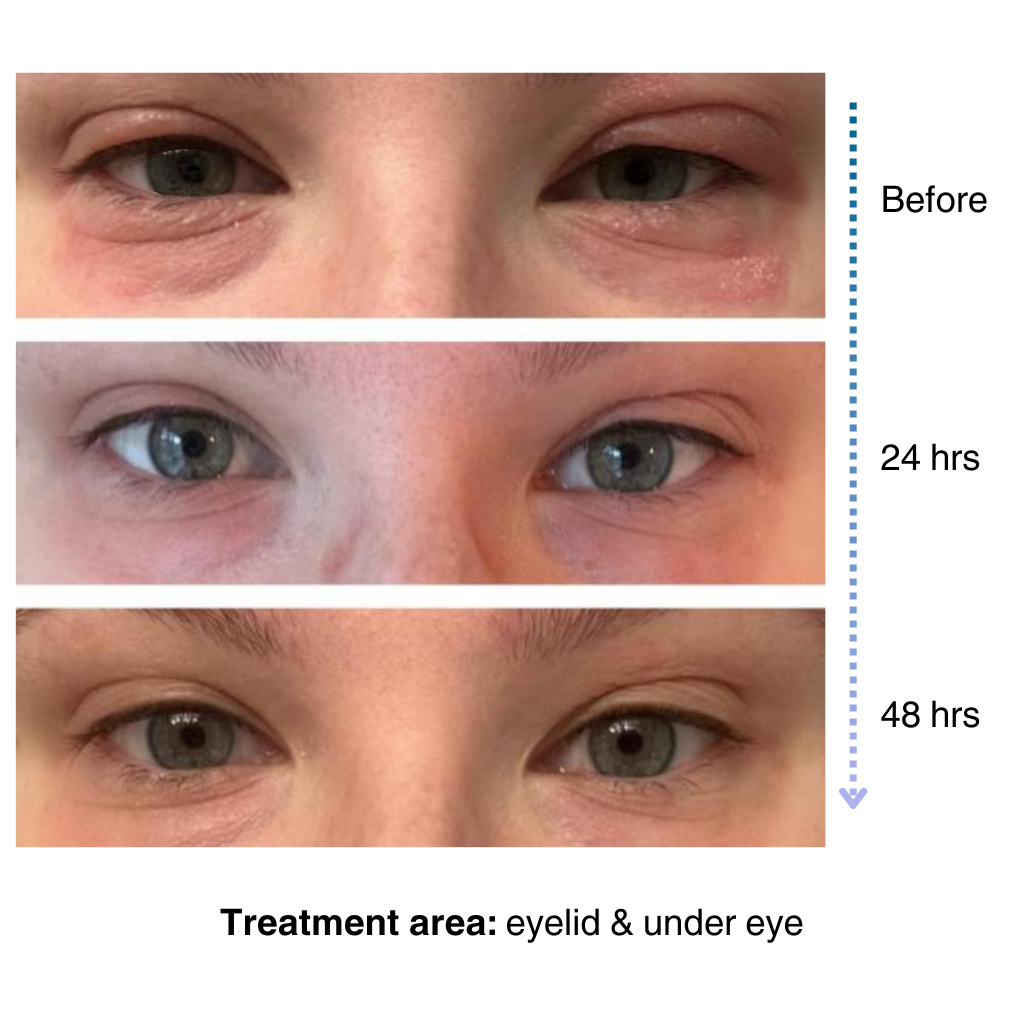
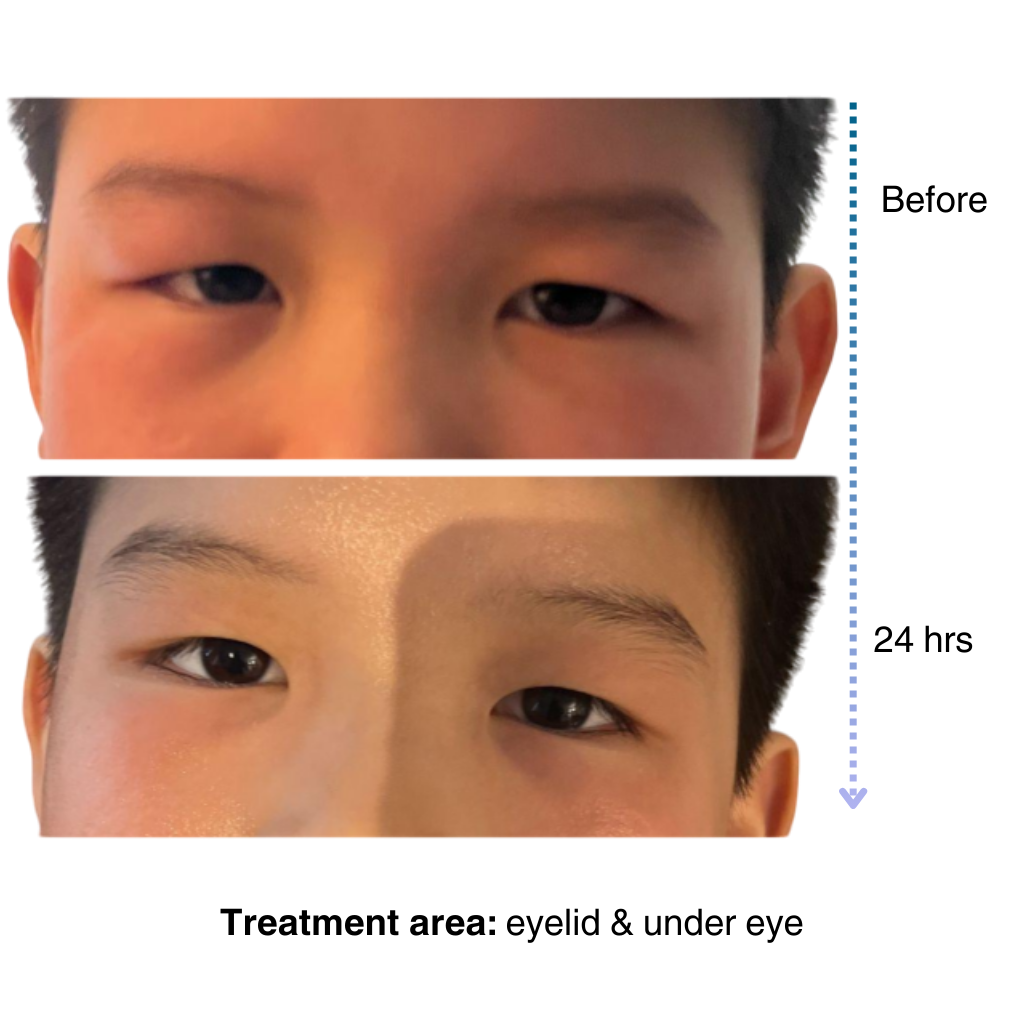
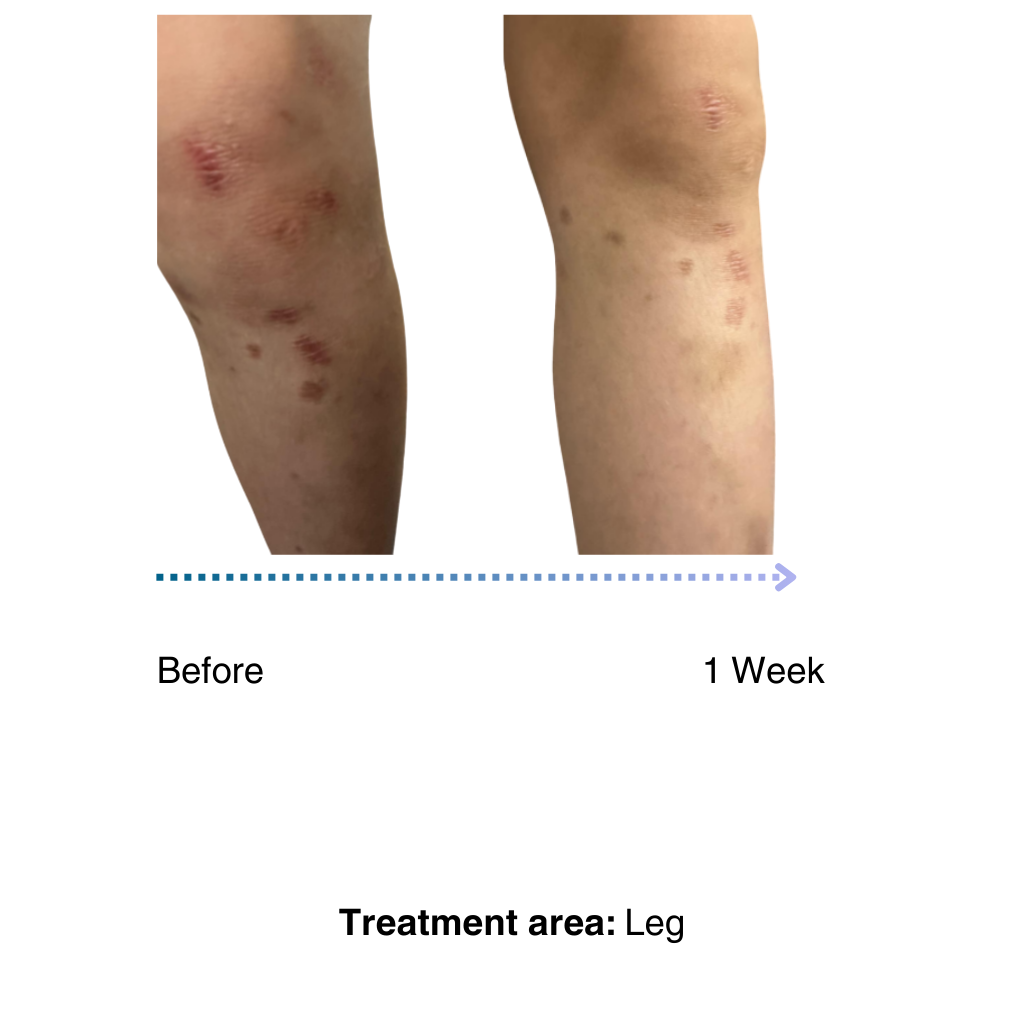
 Absorbs deeper than regular products for faster relief Stress-Soothing Botanicals – Contains biomolecules to lower cortisol Confidence-Boosting Results – Visible redness and itchiness reduction in 48 hours
Flare-up prevention – Significantly decrease your eczema flare-up risk with NovaNella, formulated to strengthen skin barrier function and reduce irritation triggers.
“After 10 years of steroids, NovaNella gave me clear skin and my confidence back. I finally wear short sleeves!” – Priya, 34
No steroid rebound – Safe for long-term use
Fragrance-free & non-greasy – Wear it daily without irritation
Guaranteed satisfaction – Try it risk-free
Treat the Skin
Apply NovaNella AM/PM (its ceramides repair the moisture barrier)
Reduce Stress
Pair with 5-minute meditation (stress worsens flares)
Regain Confidence
Track progress with weekly skin selfies
Eczema doesn’t have to control your life. NovaNella’s scientifically backed formula helps you: Wake up without itching Feel confident in photos Stop hiding your skin