
Eczema and Jewelry: How to Avoid Metal-Induced Flares
Wearing jewelry is often a daily habit or a form of self-expression—but if you have eczema, certain metals may be doing more harm than good. For many people with sensitive skin, metal-induced eczema flare-ups are a painful reality. What starts as a stylish necklace or a beloved ring can turn into a red, itchy rash in just hours.
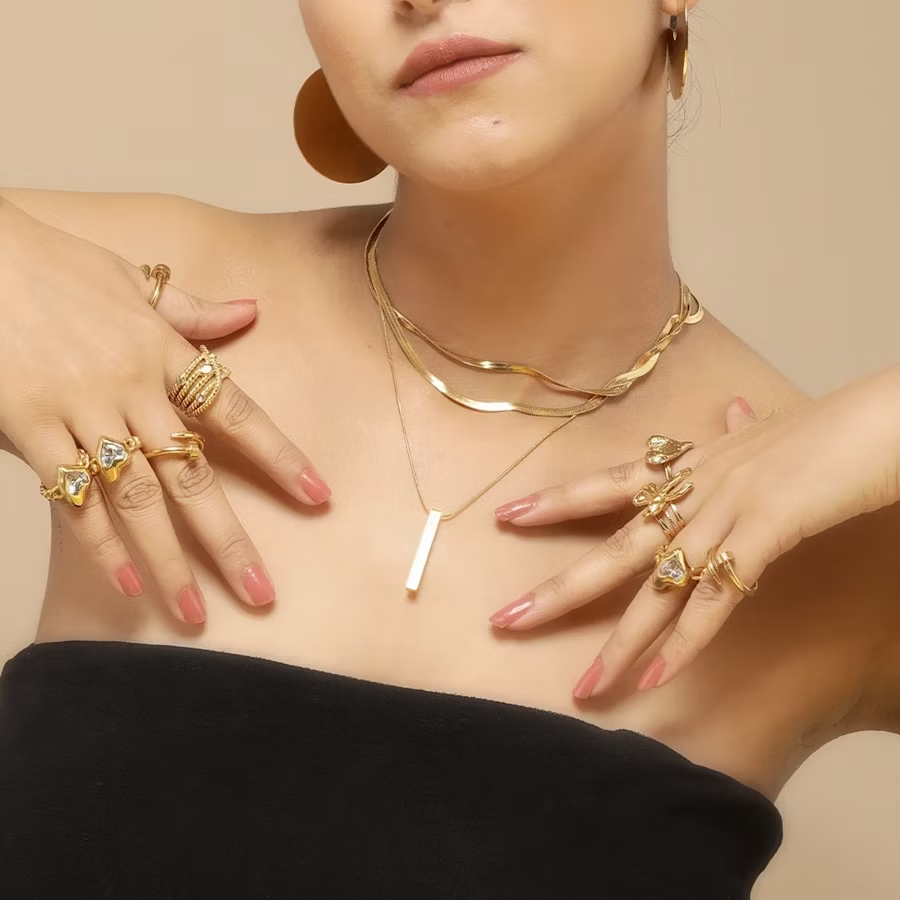
Eczema and Jewelry: A Complete Guide to Safe Accessorizing
In this guide, we explore the science behind eczema and jewelry, which materials commonly trigger reactions, and how you can accessorize without compromising your skin.
Can Jewelry Really Trigger Eczema
Yes particularly if you have allergic contact dermatitis or a compromised skin barrier due to chronic eczema. When metals like nickel, cobalt, or chromium come in contact with the skin, they can cause an immune response that worsens eczema symptoms.
People with atopic dermatitis are more likely to develop contact sensitivities due to a defective skin barrier. When the skin is already inflamed or broken, it becomes easier for allergens to penetrate and irritate deeper skin layers.
A notable study by Thomas et al. (2011), published in Seminar in Immunopathology, found that individuals with eczema who wear allergenic jewelry are more likely to experience impaired wound healing, local eczema, and chronic inflammation as a result of prolonged metal exposure.
The Science Behind Eczema and Metal Reactions
The relationship between eczema and metal jewelry involves complex immune system responses. When metal ions from jewelry come into contact with skin, they can bind to proteins in the skin and form complexes that the immune system recognizes as foreign invaders. This triggers an inflammatory response that manifests as the redness, itching, and scaling characteristic of eczema flares.
People with atopic dermatitis have a compromised skin barrier function due to genetic mutations in filaggrin and other structural proteins. This defective barrier allows easier penetration of metal ions and other allergens, making them more susceptible to developing contact allergies. The constant low grade inflammation in eczema prone skin also primes the immune system to overreact to these metal protein complexes.
Sweat and moisture dramatically increase metal ion release from jewelry. The salts in sweat create an electrolytic environment that accelerates corrosion of metal surfaces, releasing more ions that can penetrate the skin. This explains why jewelry reactions often worsen during warm weather or physical activity when sweating increases.
Common Culprits: Metals That Irritate Sensitive Skin
Nickel
Nickel is one of the most common causes of allergic contact dermatitis worldwide. It is found in earrings, belt buckles, watches, zippers, and even some cell phones.
Even “gold” or “silver” jewelry may contain nickel as a base metal underneath the plating.
Cobalt
Often found in blue pigments and metal alloys, cobalt may trigger similar reactions to nickel. It is sometimes found in inexpensive costume jewelry or in combination with nickel.
Chromium
Used in tanning leather and stainless steel, chromium can cause flare ups especially when mixed with sweat, which accelerates skin absorption.
Symptoms of a Jewelry Induced Eczema Flare
How do you know if your jewelry is the problem? Watch for signs such as:
- Red, itchy patches where jewelry touches the skin
- Blisters or dry, scaly skin in localized areas
- Burning or tingling sensations under rings or bracelets
- Rash that worsens with sweat or friction
- Symptoms that appear hours or days after contact
These symptoms usually appear on the ears, neck, fingers, wrists, or chest anywhere jewelry makes consistent contact.
Choosing Jewelry for Eczema Prone Skin
When selecting jewelry for sensitive skin, understanding metal composition and manufacturing processes is crucial. Look for jewelry specifically marketed as hypoallergenic, but be aware that this term is not regulated. Always verify the actual metal content rather than relying on marketing claims.
Consider the jewelry’s finish and construction. Pieces with smooth, polished surfaces are less likely to trap irritants against the skin compared to textured or porous materials. Avoid jewelry with hollow components or multiple layers of plating, as these can wear down quickly and expose underlying metals.
For those with severe metal allergies, consider non metal alternatives such as high quality medical grade silicone, ceramic, glass, or certain types of wood. These materials are naturally inert and unlikely to cause allergic reactions, though they may require different care and cleaning routines.
How to Test for Metal Allergies
If you suspect jewelry is aggravating your eczema, ask a dermatologist for a patch test. This painless test exposes your skin to small amounts of common allergens to determine which ones you may be reactive to.
In the meantime, eliminate any suspect accessories from your daily routine and monitor for skin improvement.
Daily Jewelry and Skin Care Routine
Establishing a consistent routine for both your jewelry and skin can significantly reduce the risk of eczema flares. Begin each day by applying your regular eczema moisturizer to all areas where jewelry will contact your skin. Allow the moisturizer to fully absorb before putting on any jewelry.
At the end of the day, remove jewelry before washing your hands or showering. Clean each piece with a soft cloth and mild soap if necessary, then store them properly. After removing jewelry, gently cleanse the skin underneath and reapply moisturizer to support barrier repair overnight.
Once a week, perform a more thorough cleaning of your jewelry using appropriate methods for each material. This regular maintenance prevents buildup of sweat, skin cells, and bacteria that could contribute to irritation and infection.
Skin Safe Jewelry Alternatives
If you are managing eczema and love jewelry, do not worry you do not have to give it up entirely. Opt for metals that are hypoallergenic and inert, meaning they are less likely to provoke a skin reaction.
Better Options Include:
- Stainless steel (surgical grade)
- Titanium
- Niobium
- Platinum
- 24 karat gold (pure gold, not alloyed)
Be cautious with “nickel free” labeled jewelry it may still contain trace amounts of nickel. Look for jewelry that has been certified hypoallergenic or specifically designed for sensitive skin.
Protective Measures You Can Take
Even with better metals, protective habits can go a long way in preventing flare ups:
Apply a Barrier
Before wearing jewelry, apply a fragrance free barrier cream like NellaDerm’s NellaCalm on areas that will come into contact with metal. This helps form a physical shield between the skin and potential irritants.
Rotate Jewelry
Avoid wearing the same piece of jewelry daily. Give your skin time to recover and breathe.
Clean Your Jewelry Regularly
Remove dirt, oils, sweat, and allergens from jewelry to reduce irritation. Use a gentle, non chemical cleanser.
Watch for Heat and Sweat
Sweating increases the leaching of metal ions into the skin. Remove jewelry before workouts, hot days, or high humidity activities. Check out our blog about eczema and exercise to learn more.
When to See a Dermatologist
While many jewelry related eczema flares can be managed with self care, certain situations warrant professional medical attention. Consult a dermatologist if you experience severe symptoms that do not improve within a week of removing the suspected jewelry, or if you develop signs of infection such as pus, increasing pain, warmth, or red streaks spreading from the affected area.
You should also seek professional care if reactions occur frequently with different types of jewelry, or if the rash spreads to areas not in direct contact with jewelry. These patterns may indicate a systemic contact dermatitis or other underlying condition that requires proper diagnosis and treatment.
A dermatologist can perform comprehensive patch testing to identify specific metal allergies and provide personalized recommendations for safe jewelry materials. They can also prescribe appropriate medications to manage severe reactions and prevent complications.
Questions and Answers: Jewelry and Eczema
Can I coat jewelry with something to protect my skin?
Yes. You can use clear nail polish or commercial jewelry protectant products to temporarily seal the metal. Reapply frequently, as these coatings wear off.
Are leather or fabric bracelets safer?
Not necessarily. Leather may contain chromium from the tanning process, and fabrics can trap sweat and bacteria. Stick to breathable, washable, and untreated materials.
How long after removing a triggering piece does the flare up last?
It varies mild cases resolve in a few days with moisturizer, while severe reactions may last longer. If symptoms worsen or spread, consult a dermatologist.
Final Thoughts
While jewelry can be a meaningful form of self expression, it should never come at the cost of your skin health. For those with eczema, understanding your sensitivities and being selective with materials can help you maintain comfort and style simultaneously.
From avoiding nickel to choosing hypoallergenic metals and using protective skincare products, small steps can make a big difference.
To explore soothing solutions and barrier creams designed specifically for eczema prone skin, visit NellaDerm.com.
Beauty and comfort can coexist you just need the right tools (and metals) to make it happen.
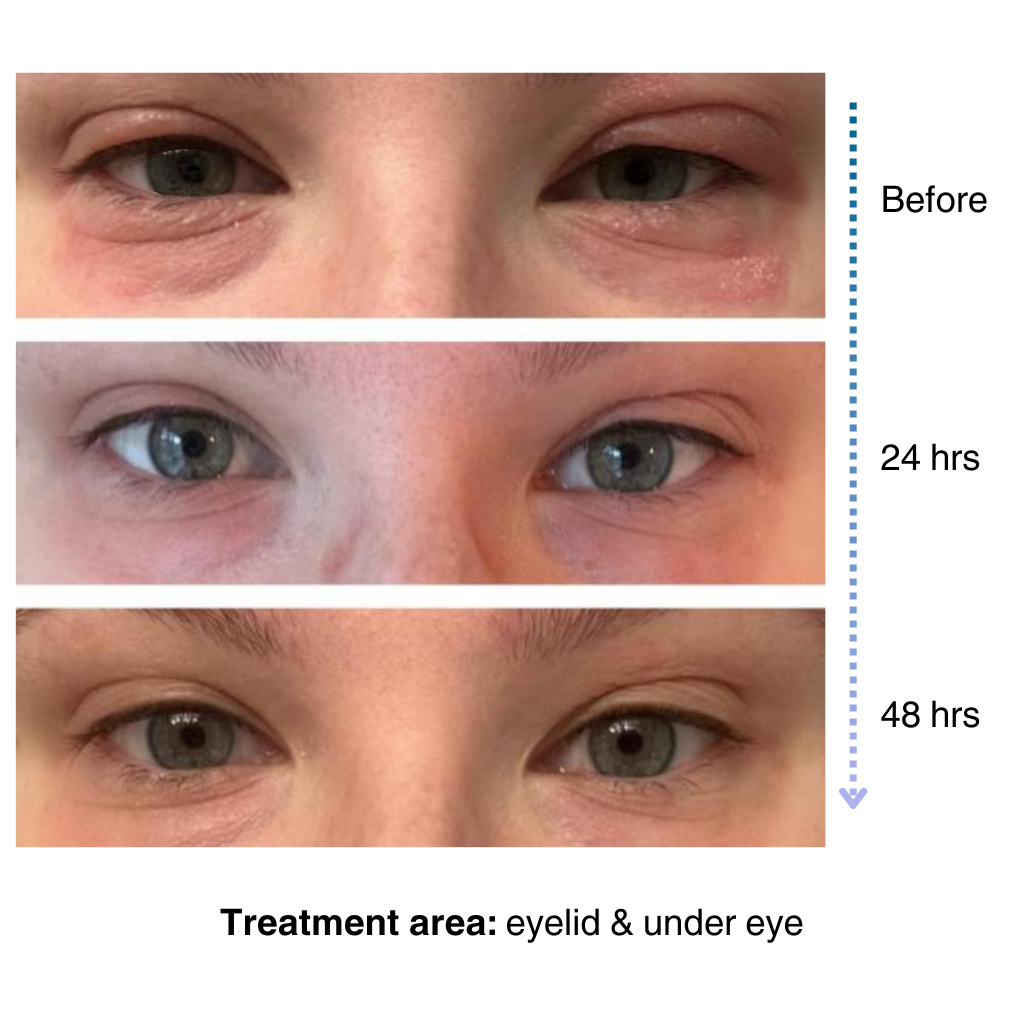
"...this is the best I've tried so far."
It’s easy to apply and isn’t chalky at all. I’ve been applying it multiple times a day… I’ve tried multiple new products to try and treat my eye eczema, and this is definitely the best I’ve tried so far.
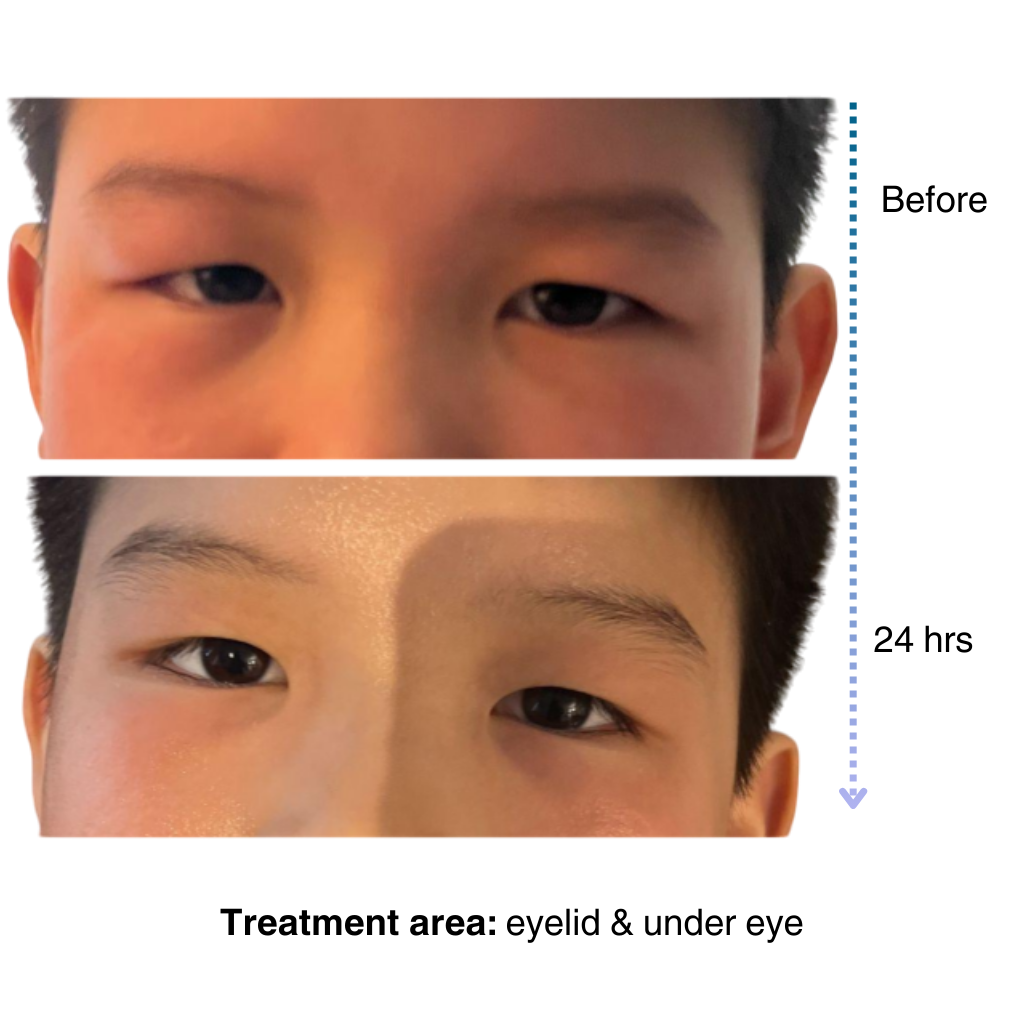
"Game-changer for my son's eczema"
My 7-year old son has been dealing with eczema on his face for a long time, and it’s been so tough to find something that really works…..I’m amazed by the results! Within one day, the redness and rough patches on his face significantly improved…. he doesn’t mind using it at all because it doesn’t sting or feel greasy. – Lily

Join our community
Get expert advice, exclusive offers, and real stories from people who understand your journey.
10% off your first order
Start your skincare journey with an exclusive discount
Eczema management tips
Practical advice for managing sensitive and eczema-prone skin
Early access to innovations
Be the first to try our latest technology and product releases
Join our email list
Get 10% off your first order when you sign up
Secure & Private
Instant Access
Premium Content
Like many of you, our eczema journey is personal. That’s why we’re committed to creating a space for the eczema community to share experiences, be empowered through evidence-based solutions, and learn practical tips for daily life.
– Sajjad, Founder & CEO of NellaDerm
