Eczema concerns?
FREE
Get instant expert guidance with our smart AI platform.
Join NowIs your scalp itchy, flaky, and irritated? You are not alone. Millions of people experience scalp issues but what seems like dandruff could actually be eczema or psoriasis. Each condition has overlapping symptoms, yet requires a tailored treatment approach. In this blog, we will help you decode what your scalp is really trying to tell you. We will explore the differences between eczema on the scalp, seborrheic dermatitis (dandruff), and scalp psoriasis, explain why misdiagnosis is common, and offer evidence-backed solutions for relief.
The scalp is rich in sebaceous (oil) glands and densely packed with hair follicles. This makes it prone to both moisture loss and oil buildup, creating a breeding ground for irritation, inflammation, and microbial imbalance.
People with atopic dermatitis (eczema) are especially prone to flare ups on the scalp due to a compromised skin barrier and heightened immune reactivity. Add stress, harsh shampoos, weather changes, and sweat into the mix, and you have a perfect storm for scalp inflammation.
Eczema on the scalp typically presents as:
The 2018 study by Chatterjee confirms that scalp eczema often coexists with other atopic conditions, like asthma or skin sensitivity elsewhere on the body (Chatterjee, 2018). It is especially common in people with a known history of allergic or immune mediated conditions.
Dandruff is a mild form of seborrheic dermatitis, a condition caused by an overgrowth of Malassezia, a yeast that naturally lives on the skin. It is more oily than eczema and typically presents with:
Unlike eczema, dandruff is not always related to allergies or immune dysfunction. However, it can coexist with eczema, creating diagnostic confusion.
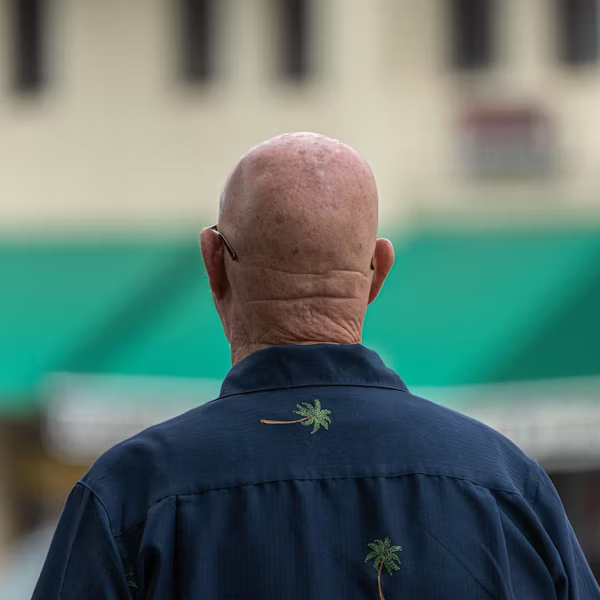
Psoriasis is an autoimmune condition where skin cells multiply too quickly, leading to raised, thick plaques covered in silvery scales. On the scalp, it can look similar to both eczema and dandruff but often includes:
A study published in the Journal of the American Academy of Dermatology found that scalp psoriasis can extend beyond the hairline, a key clue for differentiation (PubMed, 2001). It also tends to be more resistant to moisturizers and over the counter treatments than eczema or seborrheic dermatitis.
Each scalp condition has distinct underlying causes that explain why they require different treatment approaches. Understanding these root causes can help you better manage your symptoms and prevent future flare ups.
Scalp eczema often stems from a combination of genetic and environmental factors. People with eczema typically have a compromised skin barrier that allows moisture to escape and irritants to penetrate more easily. This barrier dysfunction is often linked to mutations in the filaggrin gene, which plays a crucial role in maintaining the skin’s protective layer.
Seborrheic dermatitis, on the other hand, is primarily driven by an overgrowth of Malassezia yeast combined with an abnormal inflammatory response. The yeast feeds on the natural oils produced by sebaceous glands, and some individuals develop sensitivity to its byproducts. This explains why dandruff often appears in areas with high oil production.
Scalp psoriasis involves an accelerated skin cell turnover process. While normal skin cells take about a month to mature and shed, psoriatic skin cells complete this cycle in just three to four days. This rapid turnover leads to the buildup of thick, scaly plaques characteristic of the condition. The immune system mistakenly attacks healthy skin cells, triggering this accelerated growth cycle.
| Symptom | Eczema on Scalp | Dandruff (Seborrheic Dermatitis) | Psoriasis on Scalp |
|---|---|---|---|
| Flake Type | Dry, small, may be scaly | Greasy, yellowish, soft | Thick, silvery white |
| Itch Level | Moderate to intense | Mild to moderate | Moderate to severe |
| Skin Color | Red, irritated | Red or pink | Bright red, inflamed |
| Spread | May spread to neck, behind ears | Often in oily areas (ears, brows) | Often spreads past hairline |
| Skin Cracking or Oozing | Yes, in severe cases | Rare | Rare, but plaques may bleed |
Misidentifying scalp eczema as dandruff or vice versa can lead to ineffective treatment. For example:
That is why it is crucial to get a professional diagnosis from a dermatologist. They may use visual exams, patch testing, or skin scrapings to distinguish between the three.
If you have been diagnosed with eczema on the scalp, here is what helps:
Avoid shampoos with sulfates, parabens, or perfumes and use gentle, pH balanced cleansers.
Lightweight oils like sunflower seed oil or colloidal oatmeal based lotions can help restore the skin barrier without clogging pores. Avoid heavy occlusive oils that may trap heat and sweat. Consider NellaDerm’s NovaNella Eczema Stick.
Low potency corticosteroids can calm inflammation during flare ups. Use only under dermatological guidance, especially on the scalp where overuse may cause hair thinning.
If itching keeps you up at night, antihistamines or mindfulness techniques may help break the scratch itch cycle. Learn more from our blog on the emotional impact of eczema.
Managing scalp conditions effectively often requires comprehensive lifestyle adjustments beyond topical treatments. These strategies can help reduce flare ups and improve overall scalp health.
Stress management plays a crucial role in controlling inflammatory scalp conditions. Chronic stress can trigger immune responses that worsen eczema and psoriasis symptoms. Incorporating relaxation techniques such as meditation, deep breathing exercises, or yoga into your daily routine can help modulate these stress responses.
Dietary modifications may also provide benefits for some individuals. While food triggers vary from person to person, common inflammatory foods include processed items, refined sugars, and certain dairy products. Some people find that an anti inflammatory diet rich in omega 3 fatty acids, antioxidants, and probiotics helps reduce skin inflammation.
Proper hair care practices are essential for managing scalp conditions. Avoid excessive heat styling, harsh chemical treatments, and tight hairstyles that can irritate the scalp. When washing your hair, use lukewarm water rather than hot water, which can strip natural oils and worsen dryness.
Environmental factors also significantly impact scalp health. Dry indoor air during winter months can exacerbate eczema, while humidity and sweat during summer may worsen seborrheic dermatitis. Using a humidifier in dry environments and protecting your scalp from extreme weather conditions can help maintain optimal scalp moisture balance.
Never combine treatments without consulting a healthcare provider what works for one scalp condition may worsen another.
For persistent scalp conditions that do not respond to conventional treatments, several advanced options are available. Phototherapy, particularly narrowband UVB treatment, can be effective for both eczema and psoriasis. This treatment involves exposing the scalp to specific wavelengths of ultraviolet light under medical supervision to reduce inflammation and slow skin cell turnover.
Systemic medications may be necessary for severe cases. These include oral medications like methotrexate, cyclosporine, or newer biologic drugs that target specific components of the immune system. These treatments require careful monitoring by a dermatologist due to potential side effects.
For seborrheic dermatitis that resists standard antifungal treatments, topical calcineurin inhibitors like pimecrolimus or tacrolimus may be prescribed. These medications reduce inflammation without the side effects associated with long term steroid use.
Recent research has also explored the potential of microbiome based treatments for scalp conditions. These emerging therapies aim to restore balance to the scalp’s natural microbial environment, potentially offering new approaches for managing chronic inflammatory conditions.
Yes. Some people have overlapping conditions like sebopsoriasis (a blend of seborrheic dermatitis and psoriasis), or both eczema and dandruff.
Absolutely. Cold, dry weather can worsen eczema, while sweat in hot weather may also irritate the scalp.
It might make it easier to apply treatments and reduce buildup of sweat or products but it will not cure the condition itself.
Most people notice some improvement within two to four weeks of consistent treatment, but complete control may take several months, especially for chronic conditions like psoriasis.
No, eczema, dandruff, and psoriasis are not contagious. They result from internal factors like genetics and immune system function rather than external infections.
Distinguishing between eczema on the scalp, dandruff, and psoriasis is not always easy, but getting the right diagnosis is essential for effective care. If your scalp condition is not improving with over the counter treatments or worsens with certain shampoos, it is time to speak to a dermatologist.
No matter the cause, supporting your scalp with gentle, non irritating products and tailored care can go a long way in restoring both comfort and confidence.
For expert formulated skincare options free from harsh chemicals and fragrances, visit NellaDerm.com.