
Eczema-Friendly Hair Removal: Waxing, Shaving, or Laser?
If you have eczema-prone skin, you already know how sensitive your body can be to even small changes in skincare. Add hair removal into the mix-especially methods that involve friction, heat, or chemicals, and you’re faced with the challenge of grooming without triggering a flare-up.
So, what’s the safest and most effective way to remove hair if you suffer from eczema? Should you shave, wax, or try laser treatments? In this blog, we break down the risks and benefits of each method, backed by dermatological insight and practical tips to protect your skin.
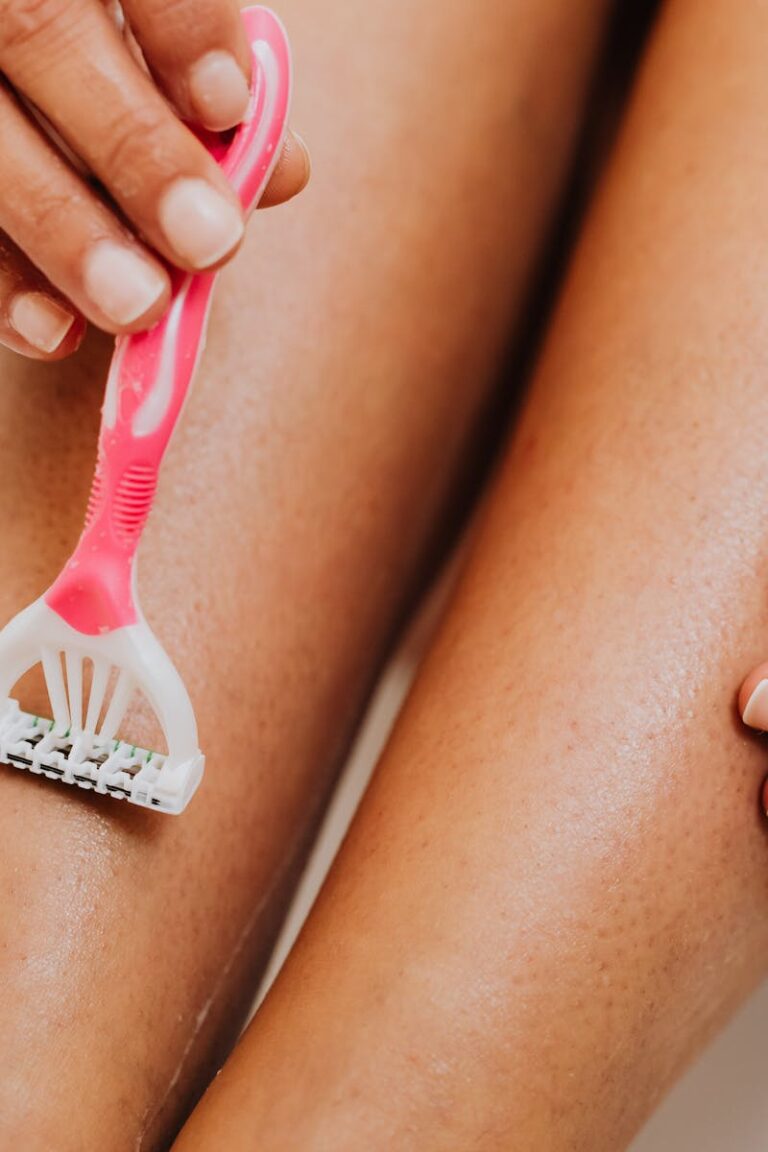
Why Hair Removal Can Trigger Eczema
Eczema, or atopic dermatitis, results from a compromised skin barrier and a hyper-reactive immune response. When skin is already inflamed or sensitive, removing hair can cause:
- Microtears in the skin (from razors or waxing)
- Contact dermatitis (from depilatory creams or laser gels)
- Infections due to open skin and bacteria
- Increased itching and burning from heat or friction
Even people in remission can experience new flare-ups if the hair removal method isn’t chosen and executed carefully.
A 2024 article published by the National Eczema Association emphasized that hair removal in patients with skin conditions like eczema must be customized to skin tolerance, with gentle, non-irritating techniques and appropriate aftercare.
Method #1: Shaving
Pros
- Affordable and accessible
- Can be done at home
- Immediate results
Cons
- Razor burn, nicks, and ingrown hairs
- Friction and irritation from dull blades
- Shaving creams may contain fragrances or alcohols
Eczema-Friendly Shaving Tips
- Use a single-blade razor to reduce irritation
- Shave in the direction of hair growth
- Apply a thick layer of fragrance-free shaving gel
- Avoid dry shaving at all costs
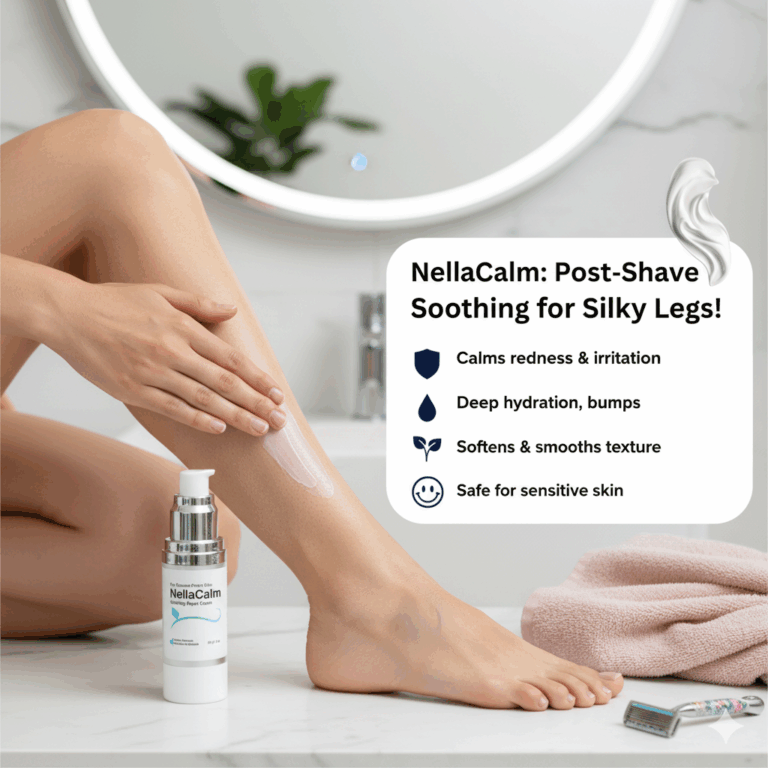
- After shaving, use a soothing moisturizer like NellaDerm’s NellaCalm
Shaving can be safe for eczema if done correctly—but it’s important to avoid it during active flare-ups, especially when skin is open, red, or weeping.
Method #2: Waxing
Pros
- Long-lasting results (3–6 weeks)
- Removes hair from the root
- No need for daily maintenance
Cons
- Very harsh on sensitive skin
- High heat and adhesive properties can tear or burn fragile skin
- May cause post-inflammatory hyperpigmentation or even eczema exacerbation
Not Recommended for Active Eczema
Waxing is generally not considered eczema-friendly, especially for those with inflamed or easily irritated skin. The pulling motion and the ingredients in the wax (rosins, essential oils) often trigger contact dermatitis.
If you still choose to wax:
- Avoid areas with eczema or recent flares
- Test a small patch first
- Use sugar waxing (sugaring) for a gentler alternative
Method #3: Laser Hair Removal
Pros
- Long-term results (permanent reduction over time)
- Minimal friction or abrasion
- No razors or hot wax involved
Cons
- Expensive, requires multiple sessions
- May cause temporary redness or swelling
- Some laser gels or cooling systems may contain irritants
- Not suitable during flare-ups
Laser hair removal is often seen as the most eczema-friendly option—especially for those with stable, well-managed eczema. An article from the Cambridge Laser Clinic found that laser hair removal was well-tolerated in patients with mild eczema, provided the skin was not actively inflamed during treatment.
Eczema-Friendly Laser Tips
- Choose a clinic experienced with sensitive skin or skin disorders
- Ask for a patch test before your first session
- Avoid sun exposure, exfoliants, and hot water before and after
- Keep skin well-moisturized and monitor for signs of irritation
What About Other Methods?
Depilatory Creams (Hair Removal Creams):
These often contain strong chemicals like calcium thioglycolate or potassium hydroxide, which can burn or sting eczema-prone skin. Not recommended.
Epilators:
These mechanically pull out hairs, often causing pain, redness, and friction—all triggers for eczema. Not ideal for sensitive skin.
Aftercare Is Just As Important
Regardless of your method, proper aftercare is essential to prevent flare-ups.
Post-Hair Removal Routine for Eczema:
- Rinse skin with lukewarm water (no hot showers)
- Gently pat dry—never rub with a towel
- Apply a fragrance-free, occlusive moisturizer (look for ceramides and colloidal oatmeal)
- Avoid harsh exfoliants, alcohol-based toners, or tight clothing
- Watch for signs of irritation and treat early
Products like NellaDerm’s NovaNella Eczema Stick can help calm inflammation and promote barrier repair.
Q&A: Hair Removal and Eczema
Q1: Should I remove hair if I have a flare-up?
No. Wait until your skin is calm and healed before attempting any hair removal.
Q2: Can I use aloe vera or coconut oil afterward?
Pure aloe vera may soothe, but coconut oil can be comedogenic and irritating for some. Always patch test first. Learn more here.
Q3: Can I switch methods often?
Frequent switching can stress the skin. Once you find a method that works, stick with it and build a routine around it.
Final Thoughts
For people with eczema, hair removal is not one-size-fits-all. While shaving and laser treatments can be safe and effective when approached carefully, waxing and depilatory creams often pose high risks for irritation and flare-ups.
The key is to know your skin, treat it gently, and avoid hair removal during active flares. With the right strategy, you can stay smooth without sacrificing your skin’s health.
Explore NellaDerm.com for dermatologist-approved solutions to help you protect and soothe your eczema-prone skin before and after grooming
Eczema Products in the Market
More Helpful Eczema Articles You Should Read
- Midday Skin Resets for Eczema-Prone Skin
- Commuting With Eczema: Transit, Cars, and Pollution
- Habit Stacking for Eczema: Skincare That Sticks
- Eczema and Coffee: Does Caffeine Affect Skin?
- Humidity Eczema Relief: Nighttime Bedroom Fixes
- Keloids and Eczema: Managing Scars on Dark Skin
- Nail Eczema: How to Care for Nails Without Stings
- Eczema in Newborns: What Parents Should Know
- Eczema and Arthritis: Hand-Care for Skin & Joints
- Eczema in College: A Budget-Friendly Survival Guide
Like many of you, our eczema journey is personal. That’s why we’re committed to creating a space for the eczema community to share experiences, be empowered through evidence-based solutions, and learn practical tips for daily life.
– Sajjad, Founder & CEO of NellaDerm
