Why Toronto Winters Are Tough on Eczema Prone Skin
Toronto combines several eczema triggering winter conditions, creating a cycle of transepidermal water loss (TEWL) that damages the skin barrier. The extreme temperature contrast between frigid outdoors and heated indoors forces the skin to constantly adapt, exacerbating dryness and inflammation.
Cold, dry air outdoors: Strips natural oils and reduces skin hydration, increasing TEWL.
Forced indoor heating: Dehydrates the air in your home to low humidity levels (often below 20%), worsening itchiness and moisture evaporation from the skin.
Heavy winter clothing: Traps sweat (a potent irritant) and creates friction on sensitive skin.
Windchill: Damages the skin barrier, especially on the face and hands, leaving them raw and exposed.
A 2020 study in the Journal of the European Academy of Dermatology and Venereology confirmed that cold climates worsen TEWL in patients with atopic dermatitis, leading to increased flare frequency during winter months.
Signs Your Eczema Is Reacting to Winter
Recognizing these warning signs allows you to adjust your routine immediately before a full flare develops:
Skin feels tight or burns after coming inside from the cold.
Increased flaking, redness, and rough patches, especially on hands, legs, and cheeks.
Nighttime itchiness worsens significantly in dry, heated rooms.
Moisturizers that worked in summer now seem ineffective, indicating a need for a richer product.
Skin cracks or bleeds more easily, especially around knuckles and joints.
How to Stay Moisturized in Toronto’s Sub Zero Weather
1. Switch to a Richer Moisturizer and Master the Soak and Seal
In winter, lightweight lotions just don’t cut it. You’ll need a thicker, occlusive cream or ointment that physically locks in moisture and supports the skin barrier.
Look for ingredients that:
Ceramides (to rebuild skin barrier lipids)
Colloidal oatmeal (soothes inflammation and itch)
Shea butter or petrolatum (occlusives to seal moisture)
Try NellaDerm’s NellaCalm for intense hydration and barrier repair—perfect for Canada’s climate. Apply twice daily, using the “Soak and Seal” technique: moisturize within 3 minutes of bathing while skin is still damp.
2. Take Shorter, Cooler Showers and Address Hard Water
Hot water strips your skin’s natural oils and reacts harshly with Toronto’s moderately hard water. The minerals in hard water react with soap to leave an irritating residue on the skin, which can compromise the barrier and worsen eczema.
Limit showers to under 10 minutes using lukewarm water.
Cleanse with a soap free, low pH syndet cleanser (look for “syndet” on the label).
Consider installing a shower filter to remove chlorine and minimize hard water mineral residue, which can benefit highly sensitive skin.
After showering, gently pat skin dry and moisturize within 3 minutes to seal in hydration.
3. Use a Humidifier at Home
Indoor heating is necessary, but it dries out your skin. Healthy skin needs 40–60% humidity; Toronto homes can drop to below 20% in the winter. Check out our blog on humidifiers to learn more.
Place a cool mist humidifier in your bedroom for overnight use.
Use a hygrometer to monitor and maintain humidity levels between 40% and 60%.
Clean the humidifier daily to prevent mold and bacteria growth, which are also eczema triggers.
4. Protect Skin Outdoors
When braving the cold:
Apply a thick moisturizer or petrolatum balm to exposed areas (face, lips, hands) before stepping out.
Use gloves, scarves, and face masks to shield your skin from windchill and cold air.
Never go outside with wet skin or hair—moisture evaporates and dramatically worsens moisture loss.
5. Choose Winter Friendly Laundry and Clothing
Clothing choices are essential for minimizing friction and overheating in cold weather:
Base Layer: Wear 100% cotton, silk, or bamboo directly against the skin. Avoid pure cotton for physical activity, as it retains sweat and can cause chilling and irritation.
Outer Layers: Use loose, breathable layers to reduce sweating. Avoid direct contact with traditional wool or rough synthetic materials like polyester. Use cotton or silk liners under wool accessories.
Laundry: Use a fragrance free, dye free detergent like Tide Free & Gentle or Purex Free and Clear. Avoid dryer sheets and fabric softeners.
What to Do If Your Winter Eczema Flares
If your skin cracks, oozes, or becomes infected, you need a targeted treatment plan:
Use an over the counter 1% hydrocortisone cream for short term relief (no more than 7 days) on active flare spots.
Apply a thick occlusive like petroleum jelly or specialized barrier cream on top of the steroid cream to lock it in and protect the area.
Avoid scratching—wear cotton gloves at night to prevent damage and secondary infection.
Consult a Toronto based dermatologist if flares persist despite your efforts. You may need non steroidal prescription creams (like TCIs or topical JAK inhibitors) or systemic biologics.
Eczema in Kids During Toronto Winters
Children are especially vulnerable to winter flares because their skin barrier is thinner and their hands and faces are often exposed to the elements. Children often experience eczema flares on their:
Cheeks and chin (due to drool, wind, and rubbing scarves)
Elbows and knees (especially in joint creases)
Behind the ears
Tips for parents:
Bathe babies in lukewarm water with no bubbles or scented soaps, and moisturize immediately.
Avoid woolly hats and scarves that rub the face and opt for smooth, soft liners.
Change wet gloves and socks immediately after playing outside.
Q&A: Toronto Winter Eczema
Q1: Does Toronto’s hard water affect eczema?
Yes, moderately. Toronto’s water is moderately hard. Research shows the minerals (calcium and magnesium) can change skin pH and react with soap, potentially damaging the skin barrier and worsening eczema dryness. Using a shower filter and a low pH cleanser are recommended mitigating strategies.
Q2: Can I still enjoy outdoor winter activities?
Yes—but moisturize before going out, wear protective layers (especially silk or cotton base layers), and apply a thick balm on exposed skin like lips and cheeks. Shower and moisturize immediately after sweating to rinse off irritating salts.
Q3: Does eczema improve in spring?
Often, yes. The return of natural humidity and increased sun exposure helps some eczema sufferers. However, proper management during winter is critical to prevent severe flares that take weeks to heal in the spring.
Final Thoughts
Eczema in Toronto winters can be challenging, but it’s manageable with a proactive skincare routine and smart lifestyle adjustments. By choosing the right products, protecting your skin from both cold and dry air, and understanding your environmental triggers, you can minimize flare ups and keep your skin comfortable all season long.
Ready to winter proof your skincare? Visit NellaDerm.com for eczema safe moisturizers, cleansers, and expert backed solutions made with Canada’s harshest seasons in mind.
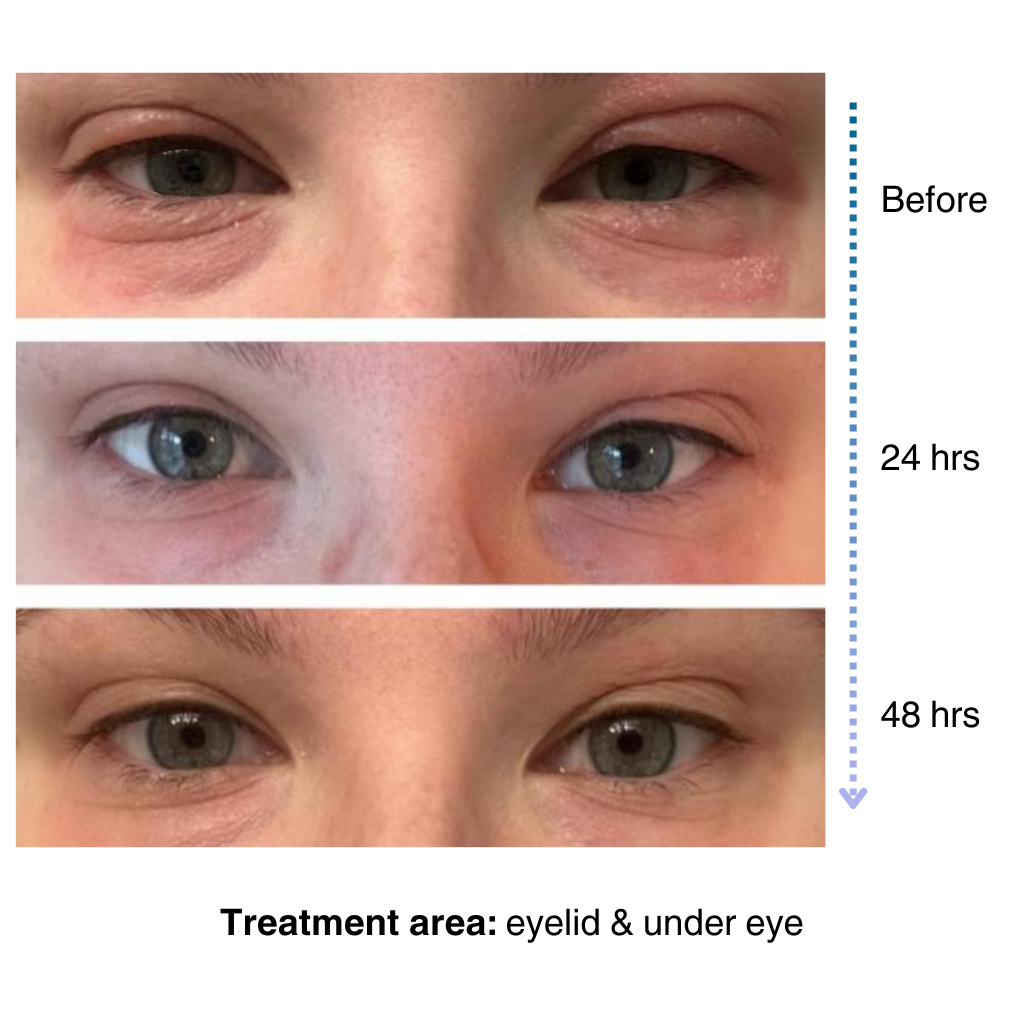
It’s easy to apply and isn’t chalky at all. I’ve been applying it multiple times a day… I’ve tried multiple new products to try and treat my eye eczema, and this is definitely the best I’ve tried so far.
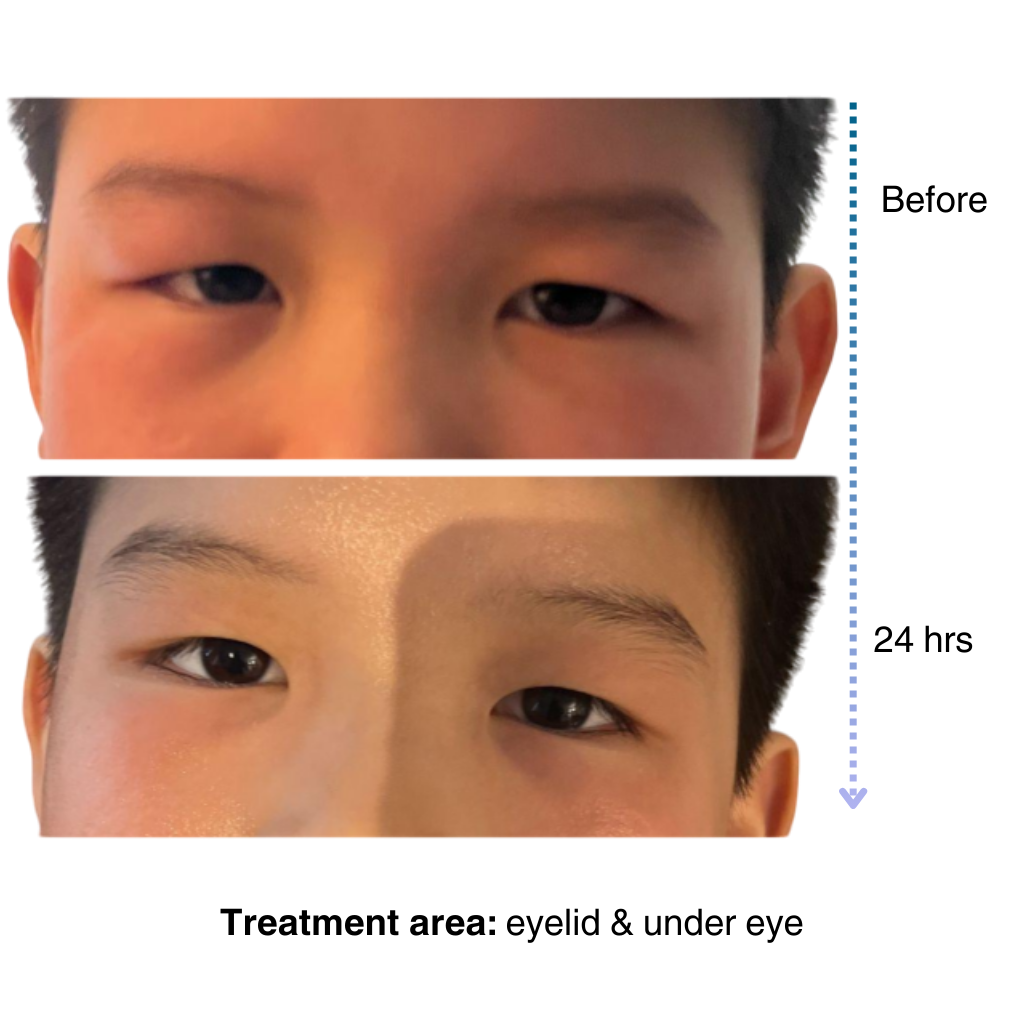
"Game-changer for my son's eczema"
My 7-year old son has been dealing with eczema on his face for a long time, and it’s been so tough to find something that really works…..I’m amazed by the results! Within one day, the redness and rough patches on his face significantly improved…. he doesn’t mind using it at all because it doesn’t sting or feel greasy. – Lily
Like many of you, our eczema journey is personal. That’s why we’re committed to creating a space for the eczema community to share experiences, be empowered through evidence-based solutions, and learn practical tips for daily life.