Eczema concerns?
FREE
Get instant expert guidance with our smart AI platform.
Join NowBringing a new life into the world comes with many changes but for some women, the postpartum period also brings unexpected skin struggles. If you have suddenly developed itchy, inflamed patches of skin after giving birth, you may be experiencing postpartum eczema, a condition triggered by the dramatic hormonal shifts that follow pregnancy. Even if you never had eczema before, this new skin sensitivity is not uncommon. In this post, we explore the hormonal mechanisms behind postpartum eczema, what a dermatologist sees in clinical practice, and how to manage flare-ups safely while caring for your baby.
Pregnancy is a time of high hormonal protection estrogen and cortisol levels increase significantly, often suppressing inflammation. After delivery, however, these hormone levels drop rapidly, leaving the skin more vulnerable.
A 2025 article in PubMed outlines how estrogen withdrawal and immune system reactivation postpartum can lead to a resurgence of chronic inflammatory conditions like eczema, even in those without a prior history of atopic dermatitis.
Estrogen helps maintain skin hydration and supports the skin’s natural barrier. After birth, estrogen levels fall sharply, which can lead to:

During pregnancy, elevated cortisol (a stress hormone) can reduce immune overactivity. When cortisol levels normalize postpartum, inflammation may rebound, triggering eczema flares.
Pregnancy skews the immune system toward a Th2 dominant state (tolerant, anti inflammatory). Postpartum, this flips back toward Th1 dominance, which increases the likelihood of inflammatory skin conditions, including eczema.
These changes can affect not just those with pre existing eczema, but also women with a genetic predisposition who are experiencing symptoms for the first time.
The immune system undergoes remarkable adaptations during pregnancy to protect both mother and fetus. This includes a shift toward immune tolerance, which prevents the mother’s body from rejecting the developing baby. However, this protective state comes at a cost for some women’s skin health.
After delivery, the immune system must rapidly readjust to its pre pregnancy state. This transition period, typically lasting three to six months, creates a window of vulnerability where inflammatory conditions like eczema can emerge or worsen. The speed of this immune recalibration varies among women, which explains why some experience immediate postpartum flares while others develop symptoms several months after giving birth.
Research suggests that women who breastfeed may experience a more gradual immune transition, as lactation continues to influence hormone levels and immune function. This gradual shift might explain why breastfeeding mothers sometimes report different eczema patterns compared to those who do not breastfeed.
According to Dr. Shilpi Khetarpal, a board certified dermatologist at the Cleveland Clinic, postpartum eczema tends to affect:
Flare ups are often worsened by:
If you are a new mom dealing with chronic itch or eczema patches that will not resolve, a dermatologist will typically evaluate:
Beyond hormonal changes, several lifestyle factors unique to the postpartum period can significantly impact eczema severity. Understanding these factors can help new mothers develop more effective management strategies.
Sleep disruption is perhaps the most challenging factor for new mothers. The chronic sleep deprivation that accompanies newborn care elevates stress hormones and impairs skin barrier function. Even partial sleep improvement through shared nighttime responsibilities with a partner or family member can make a noticeable difference in eczema symptoms.
Dietary changes during postpartum recovery can also affect skin health. Some women eliminate certain foods while breastfeeding, which may inadvertently remove nutrients essential for skin repair. Ensuring adequate intake of omega 3 fatty acids, zinc, and vitamins A, C, and E supports skin barrier function during this vulnerable period.
Environmental exposures in the home also play a significant role. New babies often mean new products baby wipes, laundry detergents, cleaning supplies, and personal care items. Each of these represents a potential source of irritants or allergens that can trigger or worsen eczema in sensitive postpartum skin.
Moisturizing is non negotiable. Look for products with:
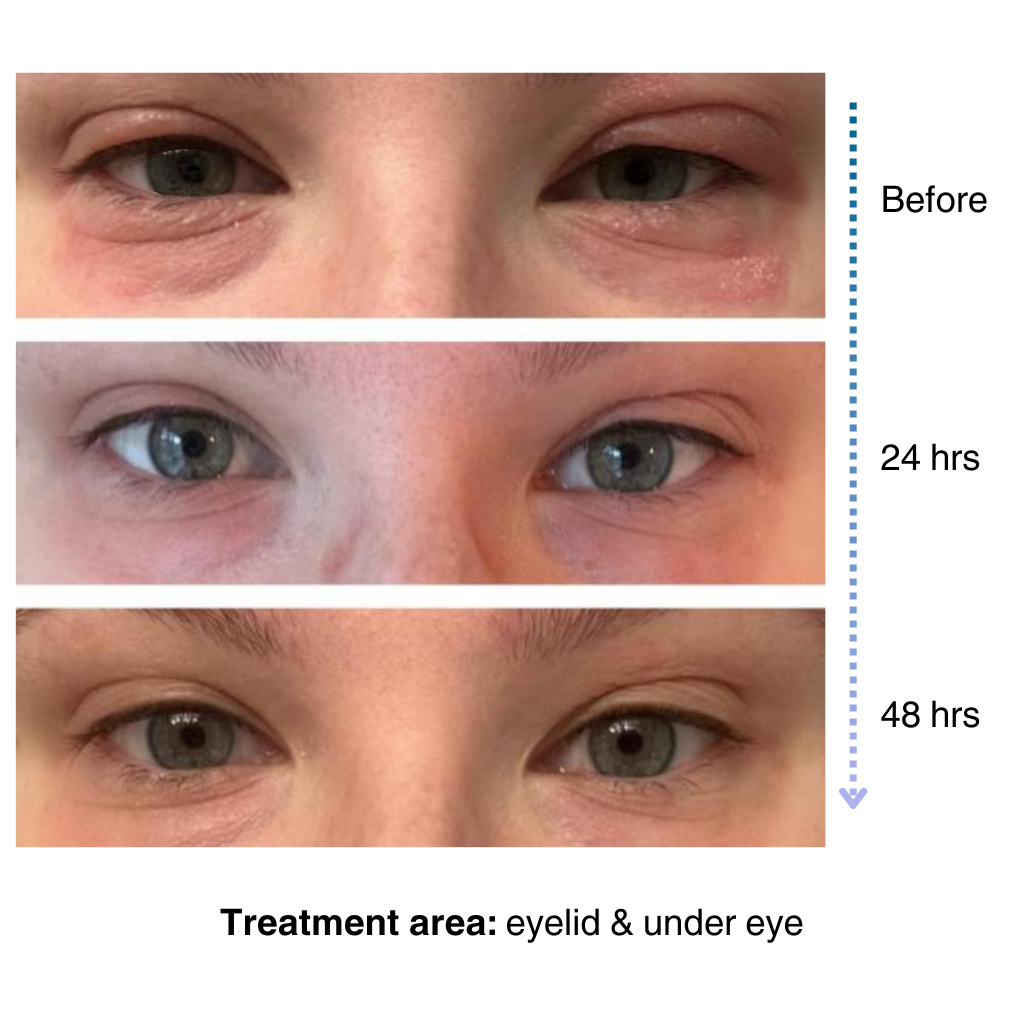
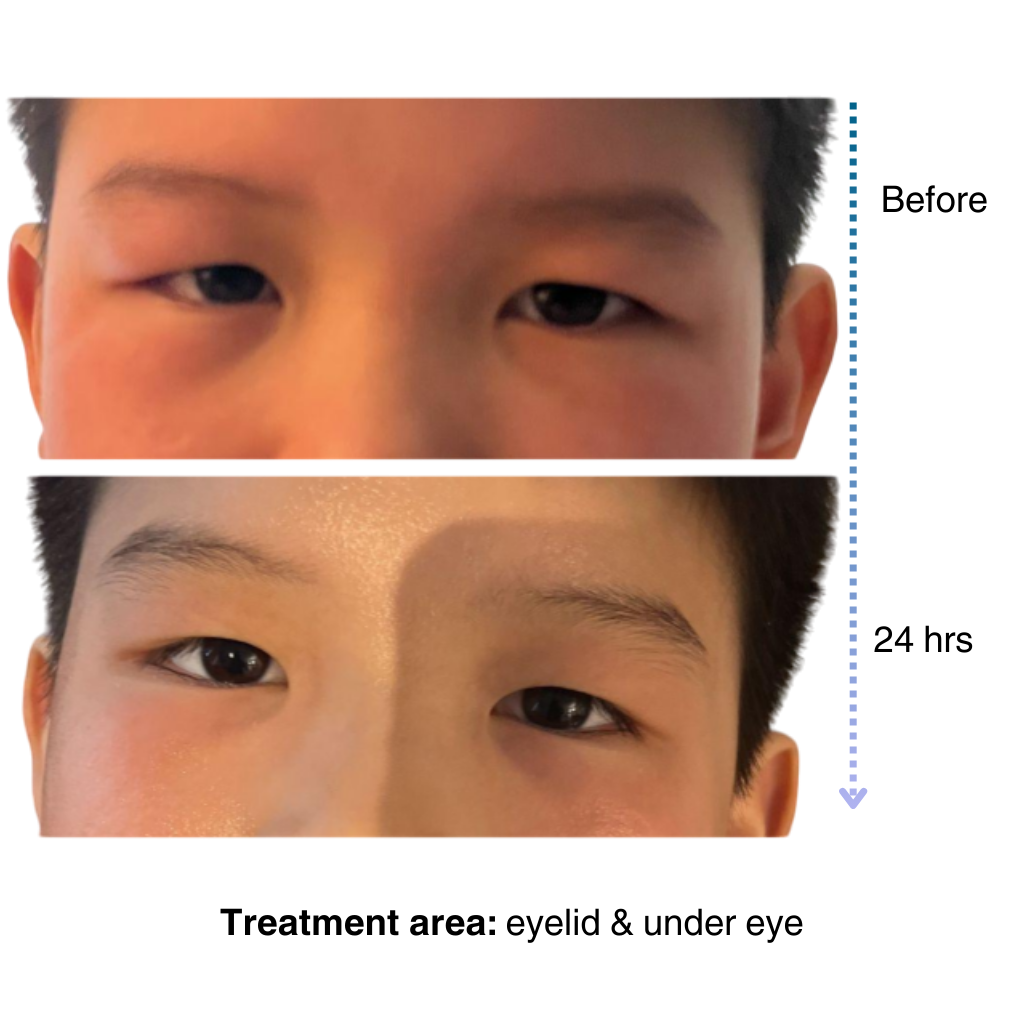
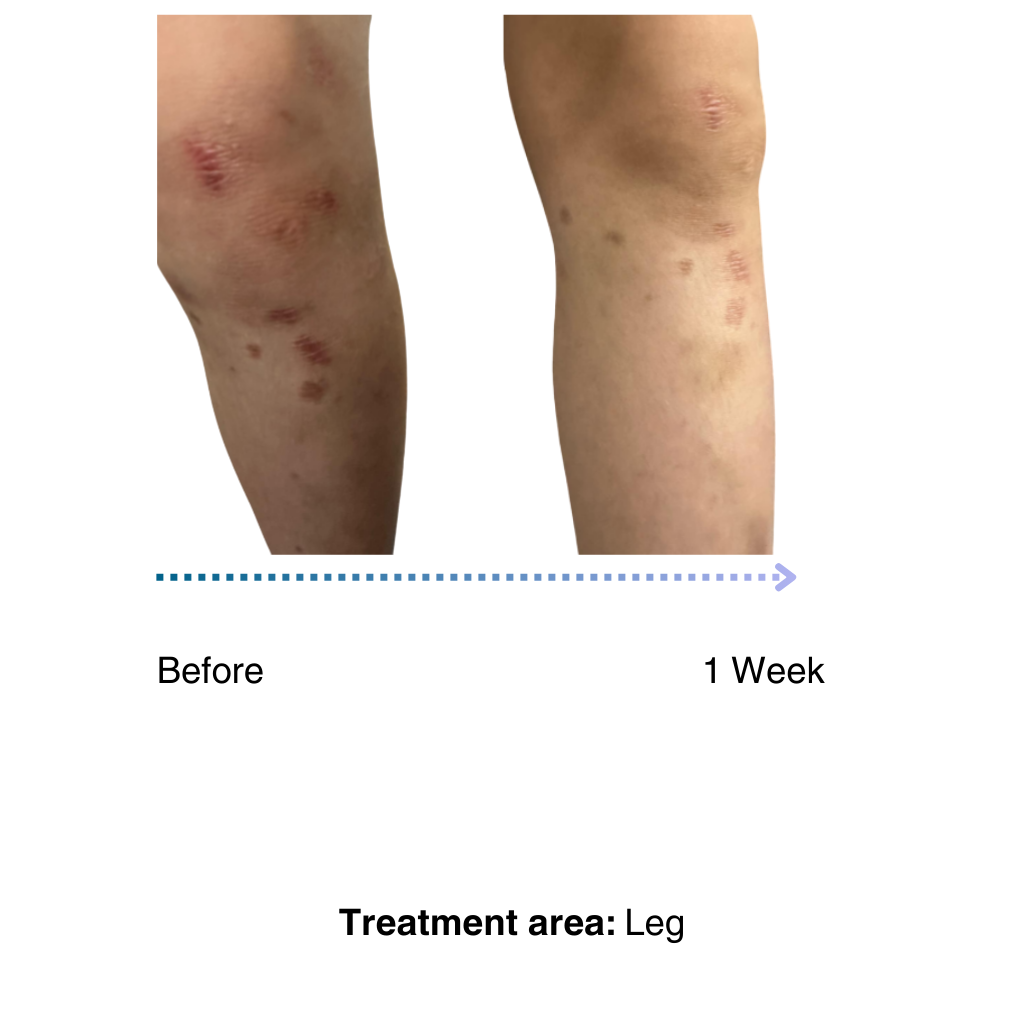
NellaDerm’s NellaCalm Cream is fragrance free, safe for breastfeeding, and helps restore skin barrier function.
Apply twice daily especially after washing hands or showering.
Low to medium strength topical corticosteroids (like hydrocortisone 1%) are generally considered safe for nursing mothers, especially when applied away from the nipple area.
Other options your dermatologist might recommend:
Always check with your healthcare provider before applying medicated creams if you are breastfeeding.
You are constantly in contact with your baby’s:
Many of these are heavily fragranced or contain preservatives that irritate sensitive postpartum skin. Opt for fragrance free, hypoallergenic baby and household products to reduce cumulative exposure.
Hand eczema is one of the most common complaints among new moms. Frequent washing, bottle sterilizing, and diapering all strip the skin’s natural oils.
Tips:
Sleep deprivation and stress amplify inflammation. While we know you cannot nap on command, try:
Even small stress reduction steps can lower cortisol imbalance and reduce flare frequency.
Breastfeeding introduces unique considerations for eczema treatment. While breastfeeding provides numerous benefits for both mother and baby, it also limits medication options and requires special attention to product safety.
Topical treatments applied to the breast area require particular caution. Creams and ointments should be thoroughly washed off before nursing to prevent the baby from ingesting medication. For nipple eczema, which is common among breastfeeding mothers, specially formulated nipple creams that are safe for baby ingestion may be recommended.
Systemic medications for eczema, including oral steroids and most biologic agents, are generally avoided during breastfeeding due to potential transfer to breast milk. However, recent research has identified some newer treatments that may be compatible with breastfeeding under careful medical supervision.
It is essential to maintain open communication with both your dermatologist and your baby’s pediatrician when managing eczema while breastfeeding. They can work together to balance effective symptom control with optimal safety for your nursing infant.
Make an appointment if:
A board certified dermatologist can provide personalized, safe postpartum eczema care, and may help you navigate insurance coverage for advanced options like non steroidal creams or biologics if needed. Refer to our blog to better understand when to see a dermatologist.
Understanding the typical progression of postpartum eczema can help set realistic expectations and reduce anxiety about the condition. Most women experience significant improvement within six to twelve months postpartum as hormone levels stabilize and the immune system recalibrates.
The first three months postpartum typically represent the most challenging period, with hormone levels at their most volatile. Between months four and six, many women notice gradual improvement as their bodies adjust to the new hormonal baseline. By the one year mark, most women’s skin has either returned to its pre pregnancy state or settled into a new, manageable pattern.
Women who continue to experience significant eczema symptoms beyond one year postpartum may have underlying atopic dermatitis that was unmasked by pregnancy rather than temporary postpartum eczema. These women often benefit from long term management strategies similar to those used for classic atopic dermatitis.
Future pregnancies may follow different patterns some women experience the same postpartum eczema with each pregnancy, while others find that subsequent pregnancies affect their skin differently. Keeping detailed records of symptoms and effective treatments during each postpartum period can provide valuable insights for managing future episodes.
For many women, yes. As hormone levels stabilize (usually by 6 to 12 months postpartum), eczema often improves. However, barrier care and trigger avoidance are still essential during recovery.
Yes. Some women develop eczema for the first time postpartum, due to immune shifts or genetic predisposition.
Most dermatologists avoid oral immunosuppressants unless absolutely necessary during lactation. Topicals, wet wraps, and lifestyle strategies are the first line of care.
Postpartum eczema is not just a skin issue it is an intersection of hormonal shifts, stress, and barrier breakdown during one of life’s most demanding transitions. The good news? With the right care, most flare ups are temporary and manageable.
By focusing on barrier support, trigger reduction, and safe treatment strategies, new moms can navigate the challenges of postpartum eczema with confidence and comfort.
For eczema safe moisturizers and cleansers formulated with motherhood and sensitive skin in mind, explore NellaDerm’s dermatologist recommended collection.