
Eczema in Wildfires: How Smoke Affects Your Skin
Wildfires are becoming an annual concern in North America. From the West Coast to downwind states, haze-filled skies and poor air quality are now part of daily life. For individuals with eczema, this is not just a respiratory concern. It’s a serious skin health issue. Inflammation, dryness, and irritation can intensify when air is filled with particulate matter and pollutants. Since eczema-prone skin already has a damaged barrier, airborne smoke pollutants can worsen symptoms significantly.
Studies, including a 2023 publication in Dermatology Times, confirm a correlation between wildfire smoke exposure and an increase in eczema flare-ups, especially in children. This post explores how smoke affects eczema, signs to watch for, and effective strategies, from air purifiers to mindful skincare, to protect your skin during wildfire season.
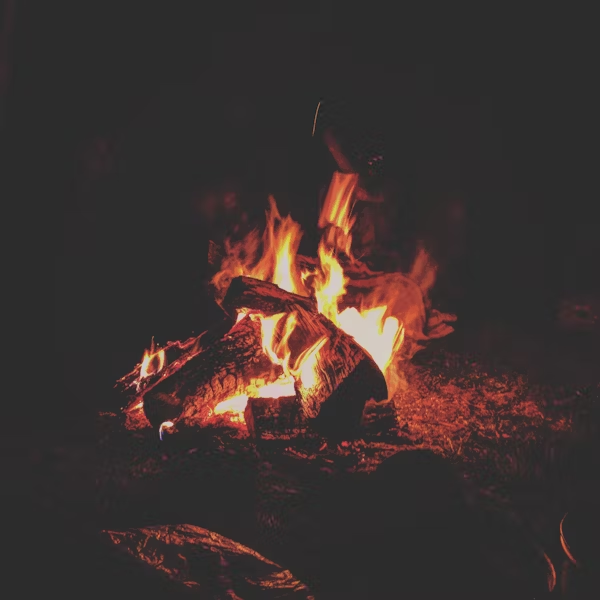
How Wildfire Smoke and Poor Air Quality Trigger Eczema Flare Ups and What to Do
Wildfire smoke is more than an inconvenience for people with eczema. The fine particles and chemicals in the air can penetrate the skin, inflame existing conditions, and trigger intense flare ups even in previously unaffected areas. Understanding the connection between air quality and eczema empowers you to take proactive steps that minimize discomfort and protect your skin barrier during high risk seasons.
This comprehensive guide explains why smoke worsens eczema, how to recognize smoke-induced flares, and proven strategies for indoor and outdoor protection. From HEPA filtration to gentle cleansing routines, these evidence based tips help you maintain calmer skin even when the AQI climbs.
1. Why Smoke and Poor Air Quality Worsen Eczema
Pollutants Compromise the Skin Barrier
Wildfire smoke contains fine particulate matter (PM2.5), volatile organic compounds (VOCs), and ozone. These pollutants penetrate the outer skin layers, weakening lipids and proteins that form the skin’s protective barrier. For someone with eczema, whose skin barrier is already compromised, this invasion leads to increased fluid loss, dryness, and vulnerability to irritants.
Inflammation and Oxidative Stress
Exposure to PM2.5 activates immune cells in the skin, leading to inflammatory responses. Inflammation worsens eczema symptoms like redness, itching, and scaling. Additionally, smoke particles generate free radicals, causing oxidative stress and further damaging skin cells.
Lower Indoor Air Quality
Smoke particles don’t just stay outside: they infiltrate homes. In poorly sealed homes, indoor PM2.5 accumulates. Coupled with lower humidity from air conditioning or heating systems, this creates a perfect storm for eczema flares, even without direct outdoor exposure.
2. Recognizing Signs of Smoke Induced Eczema Flare Ups
Understanding how wildfire smoke affects your skin can help you act quickly:
- Itchy patches in exposed areas such as face, neck, and arms
- Unexplained redness or flare ups despite consistent routine
- Stinging, burning, or tightness on skin
- New or breaking out eczema in areas that are usually healthy
- Symptoms that coincide with high Air Quality Index (AQI) days
Monitor your skin daily, especially during poor air quality events. Signs often appear within hours, so catching them early can help you minimize flare severity.
3. Smart Indoor Strategies to Protect Your Skin
Keeping indoor air clean is critical during wildfire season:
Invest in HEPA Air Purifiers
HEPA air purifiers can remove up to 99.97% of particles as small as 0.3 microns. Place them in bedrooms and living areas for maximum protection.
Tip: Run purifiers continuously during wildfire alerts. Clean filters monthly or replace as recommended.
Seal Leaks and Keep Your Home Closed
Keep windows and doors shut when AQI levels rise. Use weather stripping or draft guards to prevent smoke infiltration. Turn off kitchen or bathroom fans that draw air from the outside.
Maintain Healthy Humidity Levels
Use a hygrometer to keep indoor humidity between 40% and 60%. If your home is overly dry, which is common with air conditioning or heating, use a cool mist or ultrasonic humidifier. Moist air supports skin hydration and strengthens the barrier.
Change Air Filters Regularly
Replace HVAC and air purifier filters more frequently during wildfire season. Choose filters rated MERV 13 or higher to capture fine particles.
4. Essentials of Skin Care During Wildfire Season
Cleanse Gently, Moisturize Relentlessly
Use a mild, fragrance free cleanser to remove pollutants without stripping your skin. Follow with a rich moisturizer like NellaDerm’s NellaCalm cream. Its ceramides and colloidal oatmeal calm inflammation and repair the barrier. Apply within 3 minutes of washing to lock in hydration.
Layer Moisture Throughout the Day
Heavily moisturized skin is less susceptible to particulate irritants. Reapply moisturizer after cleansing or exposure to smoke. Carry a travel size cream in your bag.
Rinse Off After Outdoor Exposure
If you’ve been outside on a high AQI day, rinse your face and hands as soon as possible. Even a splash of lukewarm water followed by moisturizer can reduce pollutants lingering on the skin.
Avoid Harsh Ingredients
Stay away from fragranced products, alcohol, menthol, and exfoliants during wildfire season. These can exacerbate irritation when combined with pollutants.
Use Physical Sunscreen
Physical screens containing only zinc oxide or titanium dioxide don’t interact with pollutants chemically. Choose them over chemical sunscreens during wildfire season.
5. Protective Measures Outdoors
Minimizing direct exposure to smoke is equally important:
Check Air Quality Daily
Use AirNow.gov (U.S.) or IQAir.com to monitor daily AQI.
- Green or yellow (0 to 100): Safe.
- Orange (101 to 150): Sensitive groups should limit prolonged activity.
- Red (151+): Avoid outdoor activities; stay indoors with air purifiers running.
Choose the Right Face Mask
For outdoor smoke, wear a NIOSH certified N95 or KN95 mask that fits well and filters PM2.5. Cotton masks do little to block wildfire pollutants.
Dress Appropriately
Cover affected areas with soft, breathable fabrics. After outdoor activity, change clothes and cleanse promptly to remove deposited smoke.
6. Lifestyle Measures to Support Skin Resilience
Hydration and Nutrition
Keep hydrated both internally and externally. Eat a diet rich in antioxidants such as berries, leafy greens, and omega 3 fatty acids from salmon or flaxseed to support skin barrier health.
Stress Management
Wildfire season often brings anxiety. Practice stress relief strategies like deep breathing, yoga, or meditation to reduce cortisol levels, because high cortisol is linked to worsened eczema flares.
Sleep Quality Matters
Healthy sleep supports skin regeneration. Run humidifiers in the bedroom, maintain a cool environment, and use barrier creams before bed to help your skin recover overnight.
7. When to Seek Dermatologist Support
If your eczema worsens despite these precautions, seek professional help. A dermatologist can recommend:
- Short term prescription topicals (steroids or non steroids)
- Barrier repair therapy
- Wet wraps for intense flare ups
- Plans for biologics or systemic treatments
Wildfire related eczema may require a temporary boost in treatment until air quality normalizes.
8. Protecting Your Skin During Wildfire Season
| Strategy | What to Do | Why It Helps |
| Monitor AQI | Use AirNow or IQAir | Know when to take precautions |
| Indoor Air Quality | Use HEPA filters, seal home, replace filters | Reduces exposure to PM2.5 |
| Skin Care Routine | Cleanse gently, moisturize frequently | Removes pollutants, strengthens skin barrier |
| Humidity Control | Aim for 40 to 60% humidity | Prevents excessive dryness |
| Outdoor Protection | Use N95 masks, rinse skin, change clothes | Limits direct smoke contact |
| Stress and Sleep | Practice calming routines, ensure quality sleep | Lowers inflammations, promotes skin healing |
| Professional Care | See dermatologist if flares escalate | Adjusts treatment to seasonal needs |
Final Thoughts
Wildfire season is challenging, but with effort and awareness, eczema doesn’t have to dominate the season. Integrate home air control, a smoothing skincare regimen, mindful outdoor habits, and lifestyle adjustments to protect your skin and your overall well being.
For trusted eczema care products that support barrier repair and soothe inflammation, explore the options at NellaDerm.com. Your calmest skin can weather the smoke, season after season.
The Science Behind Smoke Particles and Eczema Inflammation
Research increasingly links airborne pollutants to dermatological conditions. A 2023 study in the Journal of Investigative Dermatology found that PM2.5 exposure increases transepidermal water loss by 25% in eczema prone skin within 24 hours. These microscopic particles, smaller than 2.5 micrometers, bypass natural defenses and lodge in the stratum corneum, disrupting ceramide production and filaggrin expression.
Volatile organic compounds in smoke further activate aryl hydrocarbon receptors on keratinocytes, triggering inflammatory cascades. This explains why some patients experience facial flares even with minimal outdoor time. The oxidative burden from free radicals accelerates skin aging and impairs wound healing, compounding chronic eczema challenges.
Indoor accumulation poses equal risk. Homes near wildfire zones can harbor PM2.5 levels three times higher than outdoors due to infiltration and resuspension from furniture. Regular vacuuming with HEPA filters and damp dusting become essential preventive measures during prolonged smoke events.
Understanding these mechanisms highlights why standard moisturizing alone falls short during poor air quality. Targeted interventions addressing both pollution exposure and inflammatory pathways yield better long term control.
Best HEPA Air Purifiers for Eczema Sufferers in 2025
Not all air purifiers perform equally against wildfire smoke. Look for units with true HEPA filtration and high Clean Air Delivery Rate (CADR) for smoke. The Levoit Core 600S covers up to 635 square feet with smart sensors that adjust fan speed based on real time particle detection. Its medical grade H13 filter captures 99.97% of 0.3 micron particles, ideal for bedroom use.
For larger spaces, the Coway Airmega 400S handles 1,560 square feet twice per hour. Its washable pre filter extends HEPA life, reducing replacement costs during extended wildfire seasons. The Blueair Blue Pure 211+ offers quiet operation under 30 decibels on low, crucial for undisturbed sleep that supports skin recovery.
Portable options like the Honeywell HPA300 serve smaller rooms effectively. Prioritize models with activated carbon layers to neutralize VOCs alongside particle filtration. Annual filter replacement costs range from $50 to $150, a worthwhile investment when eczema flares cost far more in treatment and discomfort.
Position purifiers strategically: one in the bedroom for overnight protection and another in main living areas. Running units 24/7 during orange or red AQI days maintains consistently cleaner air, giving your skin crucial recovery time.
Building a Pollution Proof Skincare Routine for Eczema
Standard eczema routines require adaptation during smoke events. Begin with a non foaming cleanser containing ceramides to remove pollutants without disrupting lipids. The CeraVe Hydrating Cleanser maintains skin pH while gently lifting particulate matter. Follow immediately with a barrier cream rich in cholesterol, fatty acids, and ceramides to mimic natural skin composition.
Antioxidant serums provide additional defense. Products with vitamin C, E, and ferulic acid neutralize free radicals before they trigger inflammation. Apply these after cleansing but before heavy moisturizers. During extreme smoke, consider silicone based primers under makeup to create a physical shield against particle adhesion.
Evening routines gain importance as skin repairs overnight. Use occlusive agents like petrolatum or dimethicone as the final layer to trap moisture and block overnight pollutant exposure from bedding. Weekly gentle enzyme masks can remove accumulated debris without physical exfoliation that risks barrier damage.
Track product performance with a simple journal noting AQI levels and skin response. This data helps identify which formulations work best under varying pollution loads, allowing personalized optimization beyond generic advice.
Protecting Children and Pets from Wildfire Smoke When Eczema Runs in the Family
Children with eczema face heightened risks from smoke exposure due to higher respiratory rates and developing immune systems. Keep indoor play areas purified and limit outdoor time when AQI exceeds 100. Dress kids in long sleeves and pants of breathable cotton, changing clothes immediately upon returning home.
Bathing routines require extra gentleness. Use lukewarm water for no more than ten minutes to avoid stripping natural oils. Apply fragrance free emollients within three minutes, focusing on creases where smoke particles accumulate. Pediatric dermatologists often recommend wet wrap therapy during severe flares for enhanced hydration and medication delivery.
Pets can transfer pollutants to human skin through fur contact. Brush animals outdoors when possible and wipe paws with hypoallergenic wipes after walks. Vacuum pet bedding frequently with HEPA filters. Some families install dedicated pet zone purifiers to contain dander and trapped smoke particles.
Family wide strategies create protective bubbles. Designate smoke free zones, establish post outdoor decontamination routines, and maintain consistent hydration protocols. These coordinated efforts reduce overall household allergen and pollutant loads, benefiting every eczema prone member.
Long Term Strategies for Year Round Eczema Control in Smoke Prone Areas
Residents in wildfire prone regions benefit from permanent home modifications. Install whole house ventilation systems with MERV 13 filtration capable of handling seasonal smoke surges. Seal ductwork and add weather stripping during off seasons to prevent gradual infiltration points.
Landscaping choices impact local air quality. Plant windbreaks of native shrubs to filter particulates before they reach living spaces. Avoid mulch that retains moisture and promotes mold, another eczema trigger. Create outdoor play areas with hardscaping to minimize dust generation.
Community advocacy strengthens individual efforts. Support local air quality monitoring programs and prescribed burn scheduling that minimizes population exposure. Join citizen science projects tracking neighborhood PM2.5 levels to inform personal protection timing.
Build resilient routines that withstand seasonal variations. Maintain purification equipment year round, rotate moisturizers based on humidity shifts, and keep dermatologist relationships active. These proactive measures transform reactive flare management into confident, controlled living despite environmental challenges.
Table of Contents
- Wildfire Smoke and Eczema
- Why Smoke Worsens Eczema
- Recognizing Smoke Flares
- Indoor Protection Strategies
- Wildfire Skincare Essentials
- Outdoor Protection Measures
- Lifestyle Support
- Dermatologist Support
- Protection Summary Table
- Final Thoughts
- Science of Smoke and Skin
- Best HEPA Purifiers 2025
- Pollution Proof Routine
- Protecting Kids and Pets
- Long Term Strategies
Frequently Asked Questions
Q: If I have eyelid eczema elsewhere, can it still be ACD?
Yes. People with eyelid eczema are more vulnerable to contact allergens due to compromised skin. Even mild allergies can cause significant swelling or flaking.
Q: Are allergy tests painful?
No. Patch tests involve adhesive patches left on the back. Reactions are evaluated over 48–96 hours with minimal discomfort.
Q: How long will it take to heal?
Eczema takes longer—days to weeks. Allergic reactions may clear within a few days after removing the trigger.
More Helpful Eczema Articles You Should Read
- Midday Skin Resets for Eczema-Prone Skin
- Commuting With Eczema: Transit, Cars, and Pollution
- Habit Stacking for Eczema: Skincare That Sticks
- Eczema and Coffee: Does Caffeine Affect Skin?
- Humidity Eczema Relief: Nighttime Bedroom Fixes
- Keloids and Eczema: Managing Scars on Dark Skin
- Nail Eczema: How to Care for Nails Without Stings
- Eczema in Newborns: What Parents Should Know
- Eczema and Arthritis: Hand-Care for Skin & Joints
- Eczema in College: A Budget-Friendly Survival Guide
Like many of you, our eczema journey is personal. That’s why we’re committed to creating a space for the eczema community to share experiences, be empowered through evidence-based solutions, and learn practical tips for daily life.
– Sajjad, Founder & CEO of NellaDerm
