
Topical Steroid Withdrawal for Eczema: Complete Guide
Topical steroids are widely used to treat eczema, but long-term or frequent use can lead to topical steroid withdrawal for eczema which is a painful, distressing condition that leaves the skin red, burning, and inflamed. Often misdiagnosed as a recurring eczema flare, it’s essential to understand topical steroid withdrawal for eczema to navigate recovery and find sustainable relief.
In this guide, we’ll explore:
- The science behind topical steroid withdrawal for eczema
- Who is at risk and common symptoms
- How it’s diagnosed and distinguished from eczema flares
- Best management strategies and supportive care
- Ways to prevent and safely wean from topical steroids
What Is Topical Steroid Withdrawal for Eczema
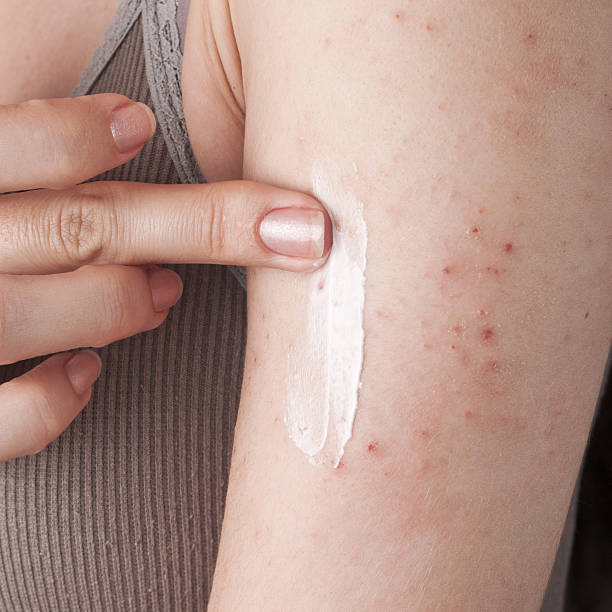
Topical steroid withdrawal for eczema (TSW) describes a rebound skin reaction that occurs when potent topical corticosteroids are stopped after frequent or extended use, especially on sensitive areas like the face or groin. Instead of healing, the skin reacts with burning redness, peeling, oozing, and intense itching: a condition increasingly referred to as red skin syndrome.
While potent steroids initially suppress inflammation, chronic use induces dependency. Once stopped, the skin no longer self regulates, leading to intense rebound inflammation which is a hallmark of topical steroid withdrawal for eczema.
Why It Develops: The Science Behind Dependence
Several mechanisms underlie topical steroid withdrawal for eczema:
- Vasodilation rebound: Steroids constrict blood vessels. Withdrawal causes rebound dilation, intensifying redness and heat.
- Barrier dysfunction: Long term steroids thin and weaken skin, allowing irritants to penetrate more easily.
- Immune dysregulation: Corticosteroids suppress cytokines and immune cells; removal triggers a surge of inflammation.
Recent NIH research also ties elevated NAD+ levels to TSW symptoms, offering new insight into inflammation and recovery pathways.
Historical Context and Medical Recognition
The phenomenon of topical steroid withdrawal has been documented in medical literature since the 1970s, shortly after corticosteroids became widely available for dermatological use. Early case reports described patients experiencing severe rebound reactions after discontinuing potent steroid creams, particularly on facial and genital skin.
For decades, these cases were often misdiagnosed as treatment resistant eczema or contact dermatitis. However, patient advocacy groups and dedicated clinical research have gradually increased medical awareness. The National Institutes of Health now recognizes TSW as a distinct clinical entity and has established diagnostic criteria to help clinicians identify and manage this challenging condition.
The growing recognition of TSW represents an important shift in how dermatologists approach long term steroid therapy, emphasizing the need for careful monitoring, appropriate potency selection, and regular treatment holidays to prevent dependency from developing.
Who Is at Risk
Anyone using medium to high potency topical steroids for longer than a few weeks, especially in delicate areas, is at risk for topical steroid withdrawal for eczema:
- Users of potent steroids (e.g., clobetasol) for more than 2 weeks
- Applications to thin skin areas (face, eyelids, groin)
- Frequent or continuous use without planned breaks
Estimates vary: up to 12 percent of long term users may experience TSW like symptoms.
Symptoms of Topical Steroid Withdrawal for Eczema
Symptoms often begin days to weeks after stopping steroids and may include:
- Red, burning skin, especially on the face, neck, or genitals
- Intense itching and pain, often disrupting sleep
- Swelling, peeling, oozing, or crusting
- Papulopustular eruptions, tiny red bumps or pustules
- Thermal dysregulation, heated skin or hot flashes
- Possible nerve pain, insomnia, or systemic fatigue
Two clinical forms exist:
- Erythematoedematous: red, swollen, burning
- Papulopustular: red bumps, pustules, severe itching
Because topical steroid withdrawal for eczema mimics chronic eczema or contact dermatitis, it is often misdiagnosed. Proper diagnosis requires careful medical history and observation.
Diagnosing Topical Steroid Withdrawal for Eczema
There is no definitive test yet for topical steroid withdrawal for eczema, but clinicians use key indicators:
- Flare begins shortly after stopping or tapering steroids
- Symptoms out of proportion or different from historical eczema
- Pattern signs like headlight redness on the face, spares nose area; linear rash that stops abruptly at wrist
Experts emphasize distinguishing topical steroid withdrawal for eczema from uncontrolled eczema, infection, or allergic reactions. The NIH recently outlined diagnostic criteria in Journal of Investigative Dermatology. Research continues to refine markers in blood serum and skin studies.
Differential Diagnosis and Common Confusions
Distinguishing TSW from other skin conditions requires careful clinical evaluation. Several conditions share similar presentations but require different treatment approaches. Contact dermatitis, for instance, may present with redness and itching but typically responds to allergen avoidance rather than worsening with steroid withdrawal.
Seborrheic dermatitis often affects similar facial areas but usually shows characteristic scaling in the eyebrows, nasolabial folds, and hairline. Rosacea can cause facial redness and flushing but typically lacks the intense burning and oozing seen in TSW. Bacterial or fungal infections may present with similar symptoms but usually respond to appropriate antimicrobial treatments.
The most challenging differentiation is between severe eczema flare and true TSW. Key distinguishing factors include the timing of symptom onset relative to steroid discontinuation, the distribution pattern that extends beyond typical eczema areas, and the presence of unique TSW symptoms like intense burning and nerve pain that are less common in routine eczema flares.
Managing Topical Steroid Withdrawal for Eczema
There is no quick fix for topical steroid withdrawal for eczema, but several evidence based strategies support recovery:
Discontinue or Taper Steroids Safely
Under medical supervision, patients should either gradually wean or cease steroid use. Sudden cessation may provoke severe rebound, so doctor guided tapering is often recommended.
Barrier Repair and Skin Support
- Use thick, fragrance free emollients (e.g., ceramide creams, colloidal oatmeal) to support barrier repair.
- NellaDerm’s NellaCalm is a gentle steroid free option for moisturization without irritation.
Symptom Management Strategies
- Cold compresses, antihistamines, and colloidal oatmeal soaks help reduce burning and itch.
- In severe cases, doctors may recommend systemic medications like short course cyclosporine or dupilumab.
Alternative Therapies
- Topical calcineurin inhibitors (e.g., tacrolimus, pimecrolimus) are less likely to cause systemic effects.
- Phototherapy may aid recovery in some cases.
- Supportive measures like stress management and sleep hygiene can also help relieve symptoms.
Mental Health and Community Support
TSW can involve anxiety, depression, and emotional trauma. Engaging with support groups like ITSAN and seeking psychotherapy can ease the mental load.
Daily Management and Coping Strategies
Living with TSW requires developing practical strategies for daily comfort and function. Temperature regulation becomes crucial since many patients experience thermal dysregulation. Lightweight, breathable cotton clothing in loose layers helps manage body temperature fluctuations. Avoiding overheating through air conditioning and fans can significantly reduce symptom severity.
Sleep disturbances are common during TSW, making sleep hygiene practices essential. Creating a cool sleeping environment, using moisture wicking bedding, and establishing relaxing pre bed routines can improve sleep quality. Some patients find relief from wrapping affected areas in damp bandages or using specialized cooling pads to manage nighttime itching and burning.
Social isolation often accompanies severe TSW due to visible symptoms and physical discomfort. Maintaining social connections through understanding friends and family, online communities, and brief outings during better periods helps preserve mental health. Practical adaptations like scheduling activities during symptom lulls and having exit strategies for social events reduce stress and improve quality of life during recovery.
Preventing Topical Steroid Withdrawal for Eczema
Best practices help reduce TSW risk while still managing eczema flares:
- Use the lowest potency steroid necessary, for no longer than two weeks consecutively, especially on sensitive areas.
- Plan maintenance strategies, like weekend only use of milder treatments.
- Follow one of care guidelines that recommend cycling steroids with moisturizers and non steroidal options to avoid dependency.
- Schedule regular check ins with a dermatologist experienced in eczema management.
These steps dramatically reduce the risk of topical steroid withdrawal for eczema while maintaining flare control.
Life After Withdrawal: Recovery Timeline
Recovery from topical steroid withdrawal for eczema varies:
- Mild cases: a few months
- Moderate to severe: 6 to 24 months
- Prolonged steroid use: recovery may take years
Healing often occurs in cycles. Flares and relief periods alternate as the body recalibrates. Patience, consistent barrier care, and medical support are essential.
The Ongoing Debate and Research
Despite strong patient reports and clinical awareness, TSW remains controversial. Some experts argue it is simply an eczema rebound. However, increasing research, evidence gap maps, and case series suggest topical steroid withdrawal for eczema is a distinct condition deserving recognition.
Ongoing research is exploring:
- Diagnostic criteria refinement
- Organic markers like NAD+ involvement
- Clinical trials on treatment strategies
Key Takeaways
| Topic | Insight |
|---|---|
| What it is | Rebound inflammation when potent steroids are stopped |
| At risk groups | Long term users, especially in sensitive areas |
| Symptoms | Redness, burning, oozing, skin shedding |
| Diagnosis | Based on history, clinical signs, NIH criteria |
| Treatment | Discontinue steroids, barrier support, symptom relief |
| Recovery | Months to years, varies by severity |
| Prevention | Safe prescribing, rotating treatments, monitoring |
When to Seek Medical Help
If you suspect topical steroid withdrawal for eczema, consult a dermatologist experienced in TSW. Seek immediate help if you experience:
- Full body redness or oozing
- Cracking that prevents sleep
- Signs of infection like fever or pustules
Treatment centers experienced in TSW can safely guide tapering and recommend alternatives.
Final Thoughts
Topical steroid withdrawal for eczema highlights the risks of over relying on potent steroids. Though painful and emotionally taxing, understanding the condition enables you to take control with confidence.
Focus on a gentle, supportive approach: cautious steroid use, strong barrier care, symptom relief, and emotional resilience. Healing takes time, but recovery is possible and thousands have reclaimed healthy skin and wellbeing post TSW.
Explore product options and eczema safe skincare at NellaDerm.com. If you would like personalized support downloadable recovery checklists, clinic recommendations, or printable recovery logs let me know!
More Helpful Eczema Articles You Should Read
- Midday Skin Resets for Eczema-Prone Skin
- Commuting With Eczema: Transit, Cars, and Pollution
- Habit Stacking for Eczema: Skincare That Sticks
- Eczema and Coffee: Does Caffeine Affect Skin?
- Humidity Eczema Relief: Nighttime Bedroom Fixes
- Keloids and Eczema: Managing Scars on Dark Skin
- Nail Eczema: How to Care for Nails Without Stings
- Eczema in Newborns: What Parents Should Know
- Eczema and Arthritis: Hand-Care for Skin & Joints
- Eczema in College: A Budget-Friendly Survival Guide
Like many of you, our eczema journey is personal. That’s why we’re committed to creating a space for the eczema community to share experiences, be empowered through evidence-based solutions, and learn practical tips for daily life.
– Sajjad, Founder & CEO of NellaDerm
