
Eczema concerns?
FREE
Get instant expert guidance with our smart AI platform.
Join NowEczema on the neck can be both physically uncomfortable and emotionally frustrating. The delicate skin in this area is particularly prone to irritation, and constant exposure to fabrics, sweat, and environmental pollutants can make flare-ups worse. Whether you’re dealing with chronic atopic dermatitis or sudden irritation, understanding what causes neck eczema and how to treat it effectively is key to long-term relief.
In this blog, we’ll explore the most common triggers for eczema on the neck and provide expert-approved relief tips you can start using today.

Eczema on the neck is one of the most frustrating and visible forms of this chronic skin condition. The constant itching, redness, and flaking can affect confidence, sleep, and daily comfort. Because the neck is highly mobile, exposed to clothing, sweat, and product residue, it becomes a prime target for flare ups.
Fortunately, with targeted care and trigger awareness, eczema on the neck can be managed effectively. This comprehensive guide explores why the neck is prone to irritation, common triggers, fast relief strategies, and long term prevention tips to help you achieve lasting calm skin.
The neck is especially vulnerable to eczema for several reasons:
This makes it crucial to tailor your skincare and lifestyle habits to protect and soothe this area.
Many body products and even some facial cleansers contain ingredients that can irritate sensitive skin. Look out for common allergens like methylisothiazolinone (MI), parabens, and synthetic fragrance.
Sweating increases skin acidity and can disrupt the barrier. Inflammation worsens when sweat mixes with dirt, bacteria, or allergens.
Scarves, turtlenecks, and stiff collars can cause repetitive friction, breaking the skin barrier and triggering flare ups.
Conditioners, leave in sprays, and scented lotions often contain allergens that drip or rub onto the neck. Even shampoos can leave behind residues that irritate.
Chronic stress activates inflammatory pathways. According to a 2023 study in posted in NIH, stress can significantly worsen eczema symptoms by altering immune response.
Pollen, dust mites, mold, and air pollution, especially in cities like New York or Los Angeles, can aggravate eczema on the neck. Read our blog on Eczema in New York City to learn more about urban triggers.
After showering, apply a hydrating moisturizer within three minutes to lock in moisture. Barrier repair ointments like NellaDerm’s NellaCalm Eczema Stick contain natural, steroid free ingredients that soothe and strengthen sensitive neck skin.
Stick to fragrance free, sulfate free, and alcohol free cleansers. Avoid toners or aftershaves on the neck unless labeled as hypoallergenic.
Use a clean, soft cloth soaked in cool water to relieve itching instantly. Follow up with a gentle, emollient moisturizer.
Opt for 100% cotton or bamboo shirts and scarves. Wash new clothes before wearing them using a fragrance free detergent.
Keep nails short and apply anti itch creams or natural options like aloe vera or cold green tea compresses. For nighttime, consider cotton gloves or a light scarf to minimize unconscious scratching.
Meditation, yoga, or even a 10 minute walk daily can reduce stress related flares. Learn more about how mindfulness helps eczema in our post on Eczema and Stress Management.
You should consult a dermatologist if:
Your doctor may recommend:
Eczema on the neck can be persistent and painful, but it’s not unmanageable. Identifying your triggers and building a consistent, barrier friendly routine is the best path to relief. Simple changes like switching fabrics, using the 3 minute rule, and reducing stress can significantly reduce symptoms.
For more support, visit NellaDerm.com, where you’ll find dermatologist developed products and more helpful articles in our Eczema Knowledge Hub.
Your neck deserves calm, comfortable skin, and with the right tools and habits, it’s completely achievable.
The skin on the neck differs significantly from facial or body skin in structure and function. It contains fewer sebaceous glands, meaning less natural oil production to maintain the moisture barrier. This thinner epidermis, combined with a high density of sweat glands and hair follicles, creates an environment where irritants penetrate more easily.
Blood vessels are closer to the surface on the neck, which explains why redness appears more dramatically during flares. The constant flexion and extension from head movement create micro tears in the stratum corneum over time, allowing allergens and bacteria to enter. These anatomical factors explain why even mild irritants can trigger intense reactions in this area.
Lymphatic drainage is also more pronounced around the neck, which can lead to swelling during inflammatory episodes. Understanding these physiological differences helps explain why standard body lotions often fail here and why specialized, lightweight yet occlusive formulas work better for neck eczema management.
Age plays a role too. As collagen decreases with time, neck skin becomes even more delicate and prone to creasing, which traps moisture and debris. Preventive care starting in your thirties can significantly reduce future flare severity in this vulnerable zone.
Winter brings its own challenges for neck eczema sufferers. Indoor heating dries the air, pulling moisture from already compromised skin. Scarves and high collars, while necessary for warmth, create friction and trap heat against the skin. The combination of cold outdoor air and hot indoor environments causes rapid temperature shifts that stress the skin barrier.
Summer presents different problems. Higher humidity encourages bacterial growth in skin folds, while sweat contains salt that irritates broken skin. Sunscreen application becomes critical but many chemical filters cause contact dermatitis. Mineral sunscreens with zinc oxide are generally better tolerated but can feel heavy on the neck.
Spring and fall bring pollen surges that settle on exposed neck skin. Wind can carry environmental pollutants directly onto this area. Transition seasons require frequent routine adjustments, from lighter moisturizers in humid weather to richer creams when humidity drops.
Year round consistency in gentle cleansing and immediate moisturization helps buffer against seasonal fluctuations. Keeping a small travel size barrier cream in your bag ensures you can address dryness immediately when environmental conditions change unexpectedly.
Not all eczema products work equally well on the neck. The ideal formula should be lightweight enough to absorb quickly without pilling under clothing, yet occlusive enough to protect the barrier. Look for products specifically tested on sensitive neck skin with proven tolerance in clinical settings.
Ceramide based creams restore lipids without heaviness. Colloidal oatmeal provides immediate itch relief and has anti inflammatory properties validated in multiple studies. Niacinamide strengthens blood vessels and reduces redness, particularly helpful for the vascular neck area. Avoid thick petrolatum products that can trap heat and cause miliaria.
Stick formats like NellaDerm’s NellaCalm allow precise application without contaminating the product with fingers. They glide on smoothly and create a protective film that lasts through neck movement. For daytime use under makeup or sunscreen, gel cream hybrids offer hydration without residue.
Always check the National Eczema Association Seal of Acceptance. Products earning this designation have undergone rigorous testing for irritation potential on sensitive skin, giving extra assurance for the delicate neck region.
Technique matters as much as product choice when treating neck eczema. Always apply products to clean, slightly damp skin to maximize absorption. Use gentle downward strokes following the natural lymph drainage pattern from jaw to collarbone. This prevents pulling on delicate skin and encourages fluid movement away from inflamed areas.
Use only a pea sized amount for the entire neck to avoid overload. Warm the product between fingers first to ensure even distribution. For balms or sticks, apply directly then pat gently with clean fingertips. Never rub aggressively, as this exacerbates micro tears.
Layer strategically: lightweight serum first, then cream, then occlusive balm on particularly dry patches. Wait thirty seconds between layers to prevent pilling. For morning routines, finish with mineral sunscreen applied in thin layers to avoid white cast on clothing.
Nighttime allows heavier occlusion. Apply a thicker layer of barrier cream fifteen minutes before bed, giving it time to absorb without transferring to pillows. Consistent technique morning and night builds cumulative benefits over weeks of use.
Daily habits significantly influence neck eczema frequency and severity. Sleep position matters: side sleepers often experience more irritation from pillow friction. Using silk or satin pillowcases reduces drag on delicate neck skin. Keep bedroom humidity between forty and sixty percent year round with a cool mist humidifier.
Diet impacts skin inflammation systemically. Omega 3 fatty acids from salmon, walnuts, and flaxseed strengthen cell membranes. Probiotic rich foods support gut microbiome balance, which research increasingly links to reduced eczema severity. Stay hydrated with plain water rather than sugary or caffeinated beverages that can dehydrate skin.
Exercise requires special consideration. Wipe neck sweat every ten minutes during workouts with a clean, soft towel. Wear moisture wicking athletic shirts with smooth seams. Shower within twenty minutes post exercise using lukewarm water and gentle cleansers.
Stress management remains crucial. Even five minutes of box breathing daily can lower cortisol levels that trigger flares. These integrated lifestyle approaches create a foundation that makes topical treatments more effective and flares less frequent.
Many misconceptions lead to ineffective treatment of neck eczema. One persistent myth claims that covering the area helps it heal faster. In reality, occlusion without breathability traps heat and moisture, worsening inflammation. Light, breathable barriers work better than heavy wraps.
Another fallacy suggests that all natural products are safe for sensitive neck skin. Essential oils, while plant derived, frequently cause contact dermatitis in eczema patients. Even popular remedies like coconut oil can clog follicles and exacerbate symptoms in some individuals.
The belief that neck eczema indicates poor hygiene is particularly harmful. This condition results from immune overreaction and barrier dysfunction, not cleanliness. Harsh scrubbing to clean the area actually removes protective oils and worsens symptoms.
Understanding these myths prevents counterproductive actions. Focus on gentle, evidence based care rather than outdated advice or social media trends that may harm delicate neck skin.
Successful long term control requires more than crisis management during flares. Keep a symptom journal tracking products, weather, stress levels, and diet. Patterns emerge over months that reveal personal triggers invisible in short term observation.
Rotate non medicated maintenance products every three months to prevent tolerance or subtle irritation buildup. Annual dermatologist check ins ensure your regimen stays optimal as skin needs change with age and environment. Consider patch testing every few years to identify new sensitivities.
Build a capsule wardrobe of neck friendly clothing in natural fibers. Pre treat new garments with extra rinse cycles to remove manufacturing residues. These preventive investments significantly reduce flare frequency over time.
With consistent attention to triggers, gentle care, and lifestyle integration, many people achieve months of clear neck skin between minor flares. Long term management transforms eczema from constant struggle to occasional nuisance.
Q1: Can neck eczema be caused by allergies?
Yes. Allergic contact dermatitis from products or environmental allergens can mimic or worsen eczema on the neck.
Q2: Should I stop wearing necklaces if I have neck eczema?
If your eczema worsens around where jewelry touches the skin, especially with metals like nickel, avoid wearing them until your skin heals.
Q3: What’s the best time to apply treatment?
Morning and night after cleansing. Stick to the 3-minute rule to ensure maximum hydration and barrier support.
Q4: Can shaving or beard products cause neck eczema in men?
Absolutely. Alcohol-based aftershaves and harsh razors can worsen the condition. Opt for fragrance-free shaving creams and post-shave balms.
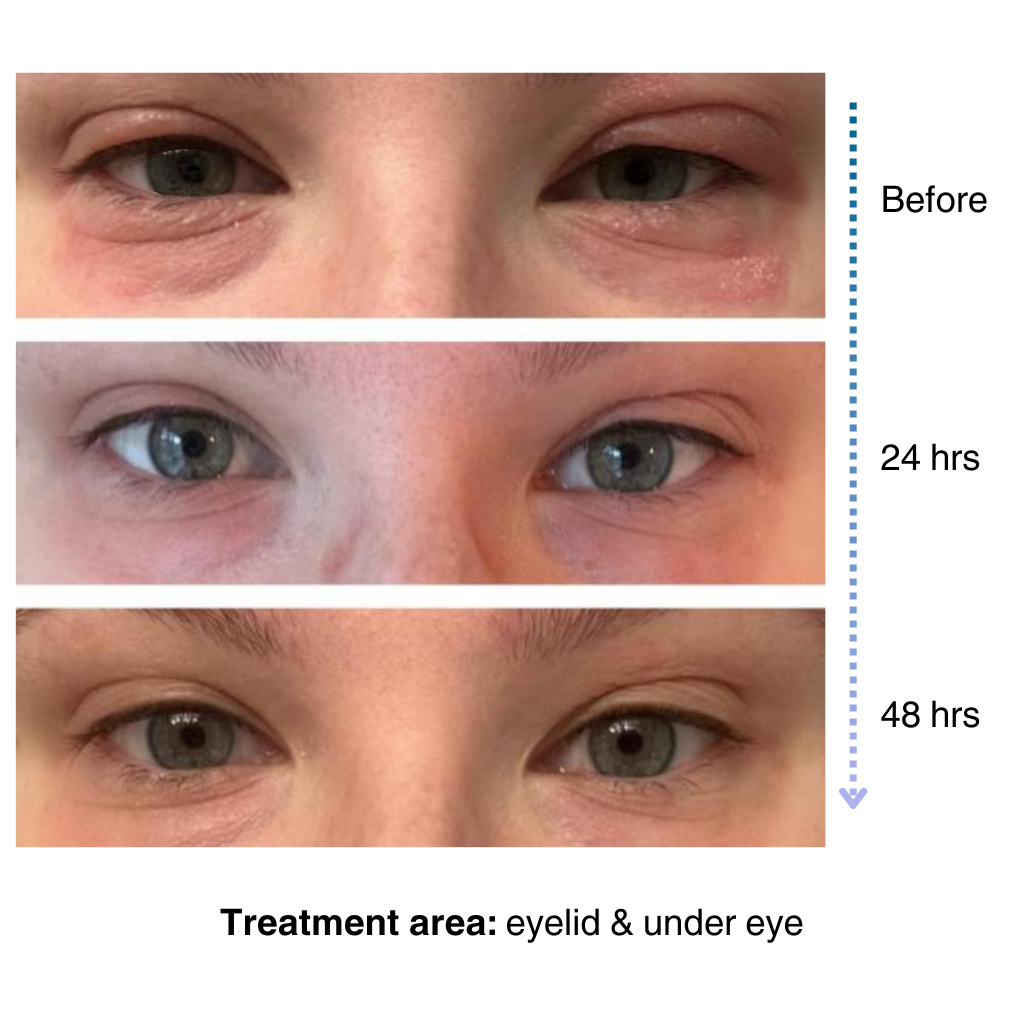
It’s easy to apply and isn’t chalky at all. I’ve been applying it multiple times a day… I’ve tried multiple new products to try and treat my eye eczema, and this is definitely the best I’ve tried so far.
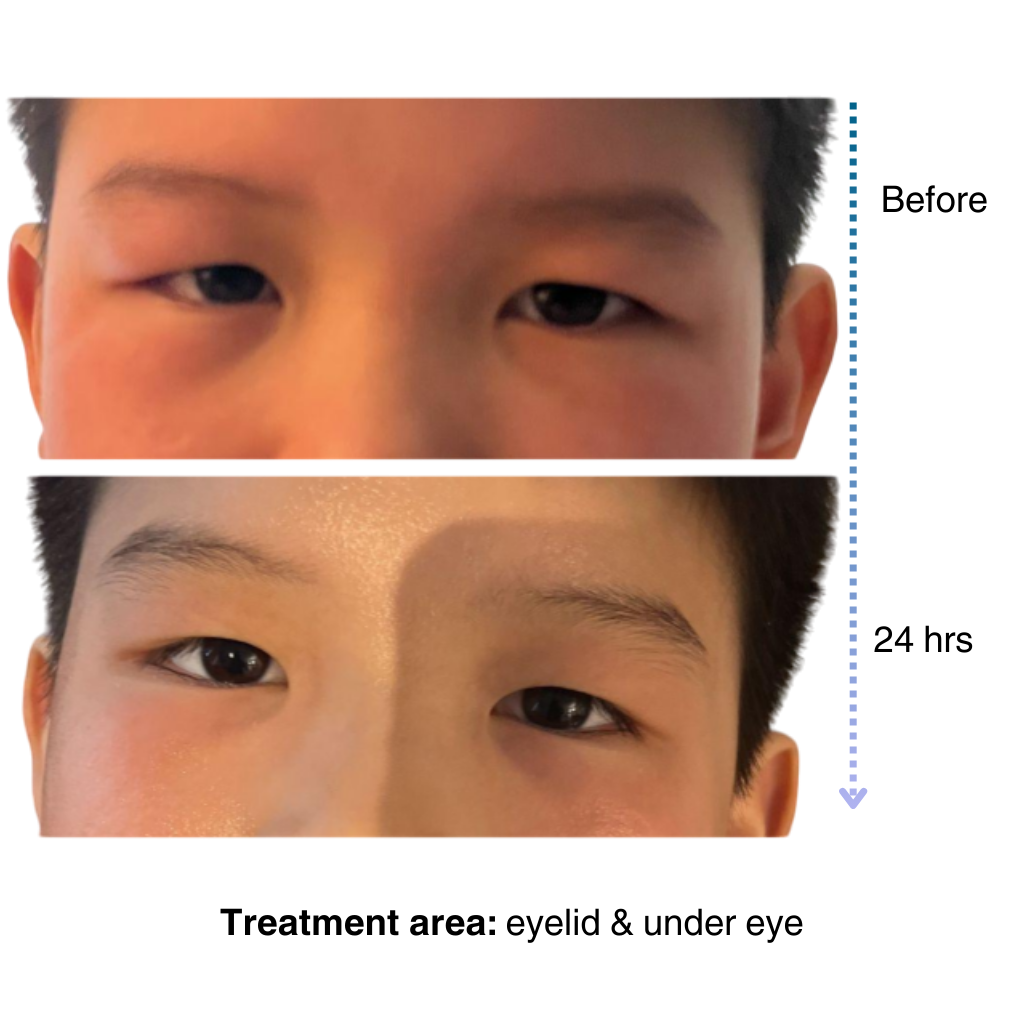
My 7-year old son has been dealing with eczema on his face for a long time, and it’s been so tough to find something that really works…..I’m amazed by the results! Within one day, the redness and rough patches on his face significantly improved…. he doesn’t mind using it at all because it doesn’t sting or feel greasy. – Lily

Like many of you, our eczema journey is personal. That’s why we’re committed to creating a space for the eczema community to share experiences, be empowered through evidence-based solutions, and learn practical tips for daily life.
– Sajjad, Founder & CEO of NellaDerm
