
Eczema concerns?
FREE
Get instant expert guidance with our smart AI platform.
Join NowFor many students, the start of a new school year brings excitement, new friendships, and new routines. But for those living with eczema, it can also mean increased stress, environmental triggers, and the social discomfort of visible skin flare-ups. Whether your child is starting kindergarten or heading into high school, eczema at school presents unique physical and emotional challenges.
In this guide, we’ll explore how to help your child manage eczema in a school setting—from understanding triggers and preparing for classroom care, to navigating peer pressure and advocating for their needs.

School presents unique challenges for children with eczema, from environmental triggers to social pressures. This comprehensive guide provides practical strategies to help your child thrive academically and socially while managing their skin condition effectively.
School environments are filled with eczema triggers many of which are hard to avoid. These include:
A study published in Journal of Asthma and Allergy found that children with eczema often report more absences and impaired quality of life compared to peers without eczema, especially during flare up periods.
Eczema can significantly affect a child’s academic performance and school experience. The constant itching and discomfort can make it difficult to concentrate during lessons, complete assignments, or participate fully in classroom activities. Many children with eczema experience sleep disturbances due to nighttime itching, leading to fatigue and decreased alertness during school hours.
Research indicates that children with moderate to severe eczema may miss more school days than their peers, creating gaps in learning. The visible nature of eczema can also affect social interactions and self esteem, potentially impacting group work and classroom participation. Understanding these challenges is the first step toward implementing effective support systems.
Early intervention and proper accommodations can mitigate these academic impacts, allowing children with eczema to reach their full potential in the educational environment.
A consistent morning and evening routine helps reduce flare ups. Make sure your child:
You can read more about this in our post on how to use the 3 minute rule to reduce flare ups.
Include in a small pouch:
Teach your child how and when to reapply their cream, usually after gym, handwashing, or lunch.
The typical classroom contains multiple potential eczema triggers that can be modified with proper planning. Work with your child’s teacher to create a skin friendly learning environment. Request seating away from direct heat sources or air conditioning vents, as extreme temperature fluctuations can trigger flare ups.
Many classrooms use harsh cleaning chemicals that can irritate sensitive skin. Ask if gentler, fragrance free alternatives can be used, especially on surfaces your child frequently touches. If possible, provide your child with their own set of art supplies to avoid contact with potential irritants in shared materials.
Consider discussing humidity levels in the classroom. Dry air can exacerbate eczema symptoms. If the classroom air is particularly dry, a small personal humidifier at your child’s desk might be an option worth exploring with school administration.
Good communication is essential. Request a meeting at the start of the year to explain your child’s condition and their skincare needs.
Provide printed info if needed, such as this eczema classroom guide from the National Eczema Association.
For children with significant eczema that impacts their school experience, formal accommodations through a 504 Plan can provide legal protection and ensure consistent support. These plans outline specific modifications to help students access education equally despite their medical condition.
Common accommodations for eczema might include permission to use moisturizers during class, modified physical education requirements, access to air conditioned spaces during flare ups, extended time for assignments during severe episodes, and allowance for wearing comfortable clothing instead of standard uniforms.
To establish a 504 Plan, contact your school’s 504 coordinator and provide documentation from your dermatologist detailing how eczema affects your child’s educational experience. The process typically involves a meeting where specific accommodations are discussed and formally documented.
Unfortunately, visible eczema can sometimes attract unwanted attention or teasing. Kids may feel embarrassed, isolated, or misunderstood. As a parent, it’s crucial to validate their experience and help them build resilience.
Confidence comes with knowing they’re not alone and being armed with a plan.
School bathrooms often contain some of the strongest eczema triggers, from harsh soaps to rough paper towels. Work with your child to develop a handwashing strategy that cleans effectively without irritating their skin.
Provide your child with a personal travel size bottle of gentle, fragrance free soap to use instead of the school’s potentially irritating products. Teach them to use cool or lukewarm water rather than hot, and to pat their hands dry gently instead of rubbing vigorously with rough paper towels.
Consider including a small tube of moisturizer in their skincare kit specifically for after handwashing. Establishing this “wash then moisturize” routine can prevent the dryness and cracking that often follows frequent handwashing at school.
Sweat is one of the most common eczema triggers. During gym or sports practice:
Some children with eczema also have food sensitivities that worsen symptoms. If your child is allergic or sensitive to foods like dairy, nuts, or eggs:
Even if food is not a trigger, avoiding spicy or heavily processed foods may reduce skin irritation for some children.
Eczema is more than skin deep. It can impact self esteem, sleep, and social life, especially in the high pressure environment of middle or high school.
Encourage open conversations, and let them know their feelings are valid. If needed, seek support from a pediatric therapist familiar with chronic conditions.
If you’re a teacher with a student experiencing eczema, here are some helpful accommodations:
Different seasons bring unique challenges for children with eczema. During fall and winter, indoor heating systems can create extremely dry environments that worsen eczema symptoms. Spring may bring pollen allergies that can trigger flare ups, while summer heat and sweat present their own challenges.
Adapt your approach throughout the school year. In colder months, focus on protecting skin from dry indoor air and harsh outdoor conditions. During warmer periods, emphasize sweat management and sun protection. Being proactive about seasonal changes can help prevent flare ups before they disrupt your child’s school experience.
Regular communication with your child about how their skin feels during different weather conditions will help you anticipate and address seasonal challenges effectively.
Eczema at school can be tough, but with the right planning, your child can succeed both academically and socially. Prepare your child with education, supplies, and emotional support to help them feel confident and cared for, no matter what their skin looks like.
Be proactive in speaking to teachers and staff, setting up accommodations, and sticking to a consistent skincare routine. For daily support, consider NellaDerm’s gentle eczema safe moisturizers, which are free of fragrance, lanolin, and essential oils.
For more tips, check out our related post from the Eczema Knowledge Hub: Morning vs Night: When to Use the 3 Minute Rule for Best Eczema Results.
Q: Can eczema get worse during the school year?
A: Yes. Environmental changes, stress, and less frequent moisturizing can all lead to flare-ups during school months.
Q: Should my child take time off if their eczema is bad?
A: Only if symptoms are severe. Otherwise, try to maintain their school routine with adjustments as needed.
Q: Is it safe for kids to apply their own eczema cream at school?
A: Yes, if they’ve been taught how and the school allows it. Always check school policy and consider a doctor’s note.
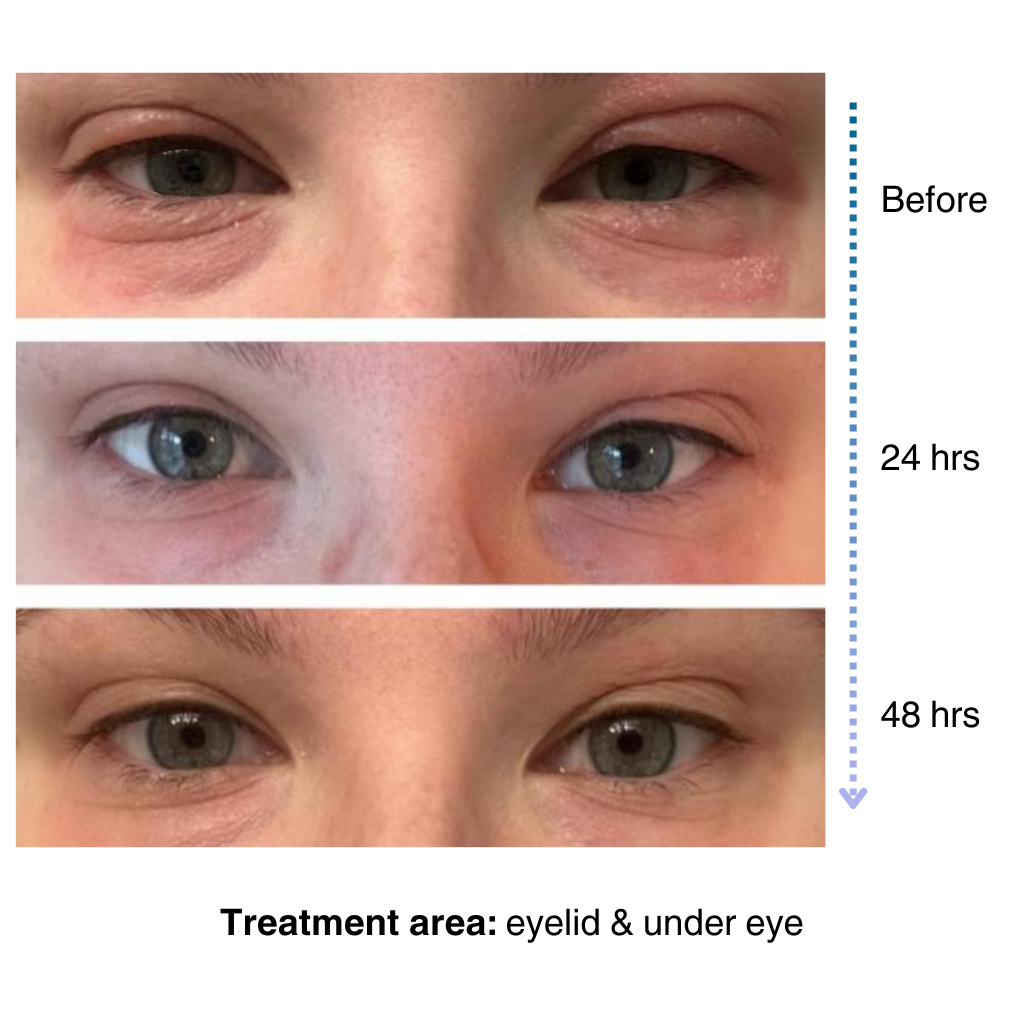
It’s easy to apply and isn’t chalky at all. I’ve been applying it multiple times a day… I’ve tried multiple new products to try and treat my eye eczema, and this is definitely the best I’ve tried so far.
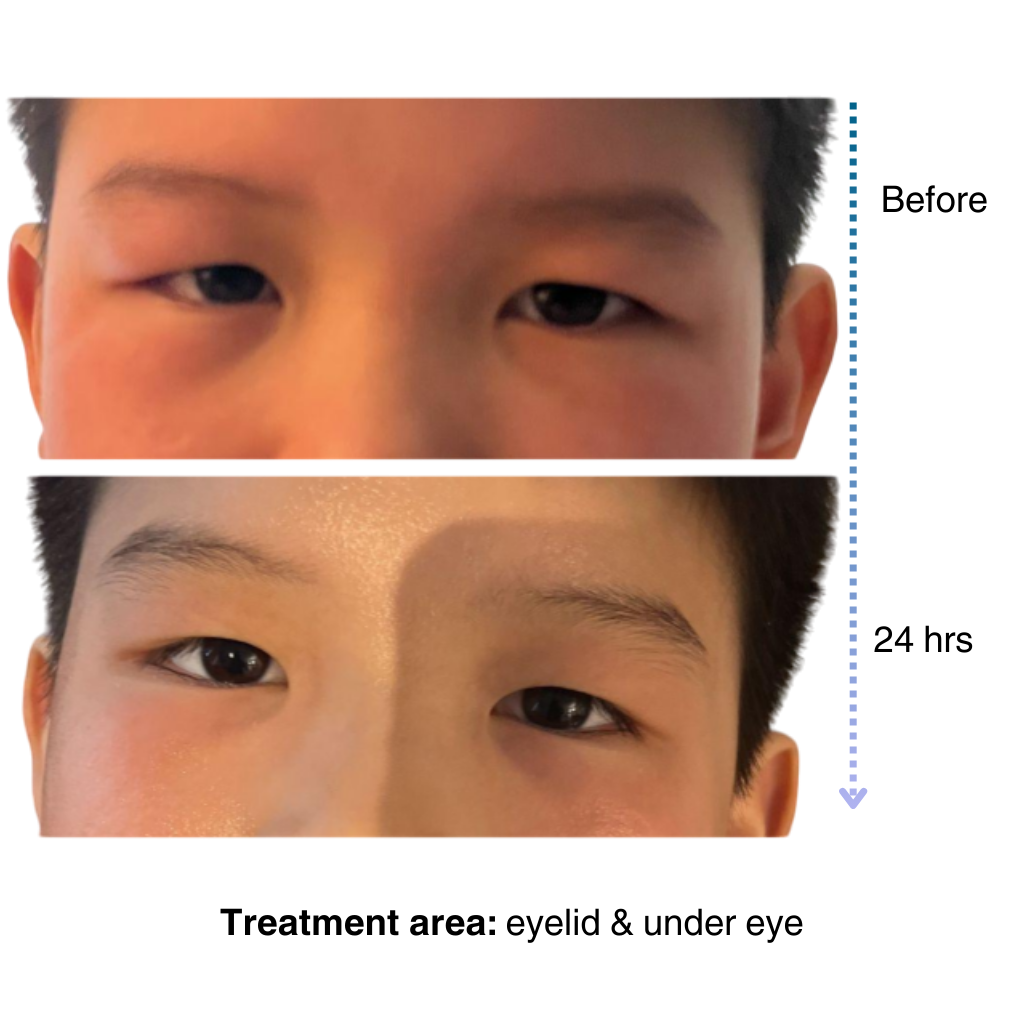
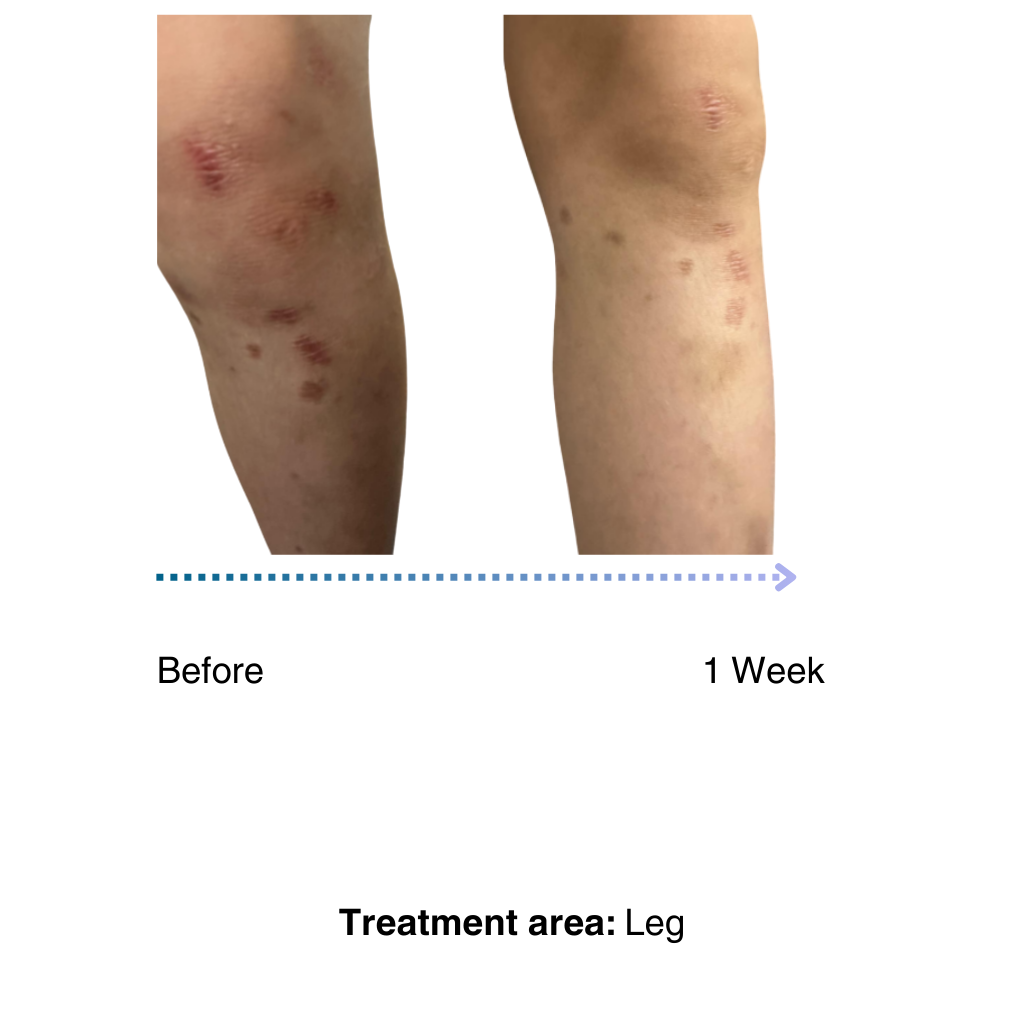
My 7-year old son has been dealing with eczema on his face for a long time, and it’s been so tough to find something that really works…..I’m amazed by the results! Within one day, the redness and rough patches on his face significantly improved…. he doesn’t mind using it at all because it doesn’t sting or feel greasy. – Lily

Like many of you, our eczema journey is personal. That’s why we’re committed to creating a space for the eczema community to share experiences, be empowered through evidence-based solutions, and learn practical tips for daily life.
– Sajjad, Founder & CEO of NellaDerm
