
Eczema concerns?
FREE
Get instant expert guidance with our smart AI platform.
Join NowIf you spend hours on laptops and phones, you’ve probably wondered is blue light bad for eczema. You may have seen claims that digital screens “age” skin or “cause flares,” and you may also have heard that controlled blue light can be used in dermatology clinics. Both statements can be true in different contexts, which is why the topic feels confusing. This guide translates the research into everyday language and gives you a practical plan you can use at home. You’ll learn what blue light actually is, how screen time may affect itch and sleep, when blue light can be helpful under medical guidance, and how to set up a routine that keeps your skin calm without buying a drawer full of specialty products.

Blue light is part of visible light, roughly 400 to 500 nanometers on the spectrum. It helps set your circadian rhythm and it drives crisp screen images. You meet blue light in three places: outdoors in daylight, indoors from light bulbs and windows, and at short distances from digital screens. The first source is by far the most intense. The second and third are weaker but closer to your eyes and face, which is why the conversation often centers on phones and monitors.
When you ask is blue light bad for eczema, the most useful distinction is dose and context. High dose visible light in sunlight can contribute to oxidative stress and pigmentation in some skin tones. Low dose, prolonged screen exposure mostly acts through your brain and sleep cycle, which in turn influences itch behavior and barrier recovery. And in a third context, carefully dosed visible blue light can be used as a therapy for inflammatory skin diseases in a clinic. Same wavelength family, very different impact because the dose and delivery are controlled.
The electromagnetic spectrum contains various types of light waves, each with different properties and effects on human skin. Ultraviolet radiation, which includes UVA and UVB rays, has well documented damaging effects on skin including DNA damage, photoaging, and increased cancer risk. Blue light falls within the visible light spectrum, positioned between ultraviolet and green light wavelengths.
Unlike ultraviolet radiation that gets mostly absorbed in the epidermis, visible blue light can penetrate deeper into the skin, reaching the dermis where collagen and elastin fibers reside. This deeper penetration is why some researchers study blue light’s potential effects on skin aging and inflammation. However, the intensity matters tremendously. The blue light exposure from standing outdoors on a sunny day is hundreds of times more intense than what you receive from screen use.
Natural blue light from the sun plays a crucial role in regulating our circadian rhythms, mood, and cognitive function. The problem arises not from blue light itself, but from the timing and intensity of artificial blue light exposure, particularly during evening hours when our bodies expect darkness to trigger melatonin production and prepare for sleep.
For most people with atopic dermatitis, ordinary screen use does not directly damage the skin the way ultraviolet radiation can. Intensity is lower and the exposure is filtered through glass and plastics. That said, you may notice irritation in specific situations. Holding a warm phone against one cheek for long calls can combine heat, sweat, and friction. Hunching over a laptop for hours can trap your neck in fabric and raise local humidity against the skin. These are environment issues more than light issues. Solve them with distance, airflow, and fabric choices.
Visible blue light can contribute to persistent pigmentation in certain skin tones when the dose is high enough. This is mostly an outdoor concern. If your eczema leaves dark marks after healing and you have a deeper skin tone, the bigger win is sun protection outside and a gentle routine that prevents picking and rubbing. Indoors, most people do not need specialized blue light blocking skincare for screens.
This is the big one. Evening screen exposure can delay melatonin, push your bedtime later, and shorten deep sleep. Atopic dermatitis tends to flare at night when the skin barrier is more permeable and itch signaling rises. A later bedtime gives itch more opportunities to spiral. People are also more likely to scratch when tired and stressed. So while the light from screens is not burning your skin, the timing of screen use can influence how you feel and how quickly your skin recovers.
Screen time often correlates with increased stress levels, which can significantly impact eczema symptoms. The constant connectivity, information overload, and social comparison that frequently accompany digital device use can elevate cortisol levels and trigger inflammatory responses in the body. For individuals with eczema, this stress inflammation cycle can manifest as increased itching, redness, and flare ups.
The content you consume on screens also matters. Engaging with stressful news, work emails during personal time, or anxiety provoking social media content can activate your body’s stress response system. This psychological stress then translates to physiological changes that compromise skin barrier function and increase inflammation.
Managing digital stress involves both technical adjustments and mindful usage habits. Consider implementing digital boundaries such as designated screen free times, turning off non essential notifications, and curating your social media feed to reduce exposure to stress inducing content. These practices can help break the connection between screen use and stress related eczema flares.
You may have seen reports about blue light therapy for eczema. In controlled doses, delivered by medical devices at specific wavelengths, visible blue light has been studied as a supportive option for inflammatory skin disease. In a 2023 randomized, sham controlled clinical trial of full body blue light for atopic dermatitis, exposure at particular wavelengths improved patient reported itch compared with sham, underscoring that dose, device, and protocol matter in a way everyday screens do not. If you are curious about light based treatments, talk with a dermatologist rather than purchasing unregulated gadgets online.
This is where the answer to is blue light bad for eczema becomes a practical yes or no. If you scroll until midnight under bright lights, itch usually wins. If you dim and untether, sleep and skin win.
While blue light receives significant attention, other environmental factors in digital environments can equally impact eczema symptoms. Indoor air quality, particularly in spaces with multiple electronic devices, can contain higher levels of volatile organic compounds and particulate matter that may irritate sensitive skin. Electronic devices also generate heat, which can raise local room temperature and reduce humidity levels, both of which can trigger eczema flares.
The electromagnetic fields generated by electronic devices, while not proven to directly cause skin issues, may contribute to overall environmental stress that some sensitive individuals notice affects their skin condition. More research is needed in this area, but paying attention to how your skin responds in different electronic environments can provide personal insights.
Creating an eczema friendly digital environment involves considering these broader factors alongside blue light exposure. Using air purifiers, maintaining optimal humidity levels between 40 and 60 percent, ensuring proper ventilation, and taking regular breaks from electronic dense environments can all contribute to better skin health alongside specific blue light management strategies.
You do not need blue light blocking skincare for screens. Focus on comfort and barrier support. Save more specialized products for outdoor days or specific pigmentation concerns discussed with your dermatologist. Refer to our guide on skincare labels to learn more.
Myth: Screen light is as harmful as sun exposure.
Fact: Indoor screen intensity is far lower. Treat windows and outdoor exposure as the bigger priority for protection.
Myth: If my eczema is worse this week, blue light from my laptop is the cause.
Fact: Stress, sleep loss, heat, seasonal allergens, and routine changes are more common culprits. Screens can contribute indirectly by delaying bedtime and raising stress, which is fixable with simple habits.
Myth: Blue light is always harmful.
Fact: In clinics, carefully dosed visible blue light is studied as a supportive therapy for inflammatory skin disease, showing that wavelength alone does not determine harm. Dose and delivery are everything.
My eyelids are itchy after long days at the computer
Lower brightness, increase text size so you squint less, and add a blink reminder to prevent dryness. Keep makeup minimal and fragrance free on heavy workdays, and use a gentle cleanser at night.
My neck gets red where my hair rests during meetings
Hair can trap sweat and product residue. Tie it loosely off the neck for long calls and wipe the back of the neck with a damp cloth before moisturizing in the evening.
I fall asleep scrolling and wake up scratching
Move your charger outside the bedroom and charge the phone in another room. Read on paper for fifteen minutes before lights out or play an audio track with the screen off. Your skin will feel the difference in three to five nights.
Modern technology offers several solutions to mitigate potential blue light effects. Most smartphones, tablets, and computers now include built in blue light reduction features that automatically adjust screen color temperature in the evening. Applications like f.lux for computers and night shift modes on mobile devices can provide more customized control over screen emissions throughout the day.
Physical blue light filtering screen protectors are available for various devices, though their actual benefit for skin health remains debated. More established are blue light filtering glasses, which can be particularly helpful for evening computer use when trying to protect melatonin production and sleep quality. For those with light sensitive eyes or who spend extensive hours in front of screens, these glasses may provide comfort benefits that indirectly support skin health through better sleep.
Digital wellness applications that track screen time and encourage breaks can be valuable tools for developing healthier device habits. These applications often include features for setting usage limits, scheduling device free time, and providing reminders to take visual breaks and practice good posture. By supporting overall digital wellness, these tools can contribute to reduced stress and improved sleep patterns that benefit eczema management.
Morning
Short shower. Pat dry and moisturize within three minutes. Check out NellaDerm’s NellaCalm Eczema Cream for a steroid free moisturizer. Dress in breathable fabrics and set your devices to auto brightness.
Midday
Take a minute each hour to reset posture and breathing. Keep a fan moving air across the desk. Drink water steadily.
Afternoon
If you feel sticky or flushed, do a quick face and neck rinse and re apply moisturizer. Keep phone calls on a headset.
Evening
Switch displays to a warm profile, dim the room, and pick a media cutoff time. Do a quick rinse and moisturize if your skin feels tight. Lights out in a cool, dark room.
The honest answer to is blue light bad for eczema is about context. Your phone and laptop are not miniature suns. They are bright, close light sources that can nudge your sleep later and make it easier to overheat and scratch when you are tired. That is fixable with better evening habits, airflow, and a steady barrier routine. Outdoors, treat sunlight and heat as the bigger priorities and protect accordingly.
And if you are curious about light based treatments, talk with a dermatologist who can match the right dose and wavelength to your skin. When you control the habits that actually drive flares, you can keep your screens and keep your skin calm.
So, is blue light bad for eczema?
Not inherently. Screens don’t usually deliver enough blue light to directly worsen atopic dermatitis. The bigger issues are sleep disruption, heat, sweat, and friction around device use. Tweak those and most people feel better.
Do I need a special blue-light-blocking sunscreen for my laptop?
No for everyday indoor use. Focus on outdoor protection and window exposure. Indoors, comfort, airflow, and smart device settings matter more.
Can blue light therapy help eczema?
In some cases and only under medical guidance. Clinical devices deliver precise wavelengths and doses that aren’t comparable to phones. One randomized, sham-controlled trial reported improvements in itch with full-body visible blue light at specific settings, which supports the idea that dose and protocol determine effect rather than the word “blue” alone.
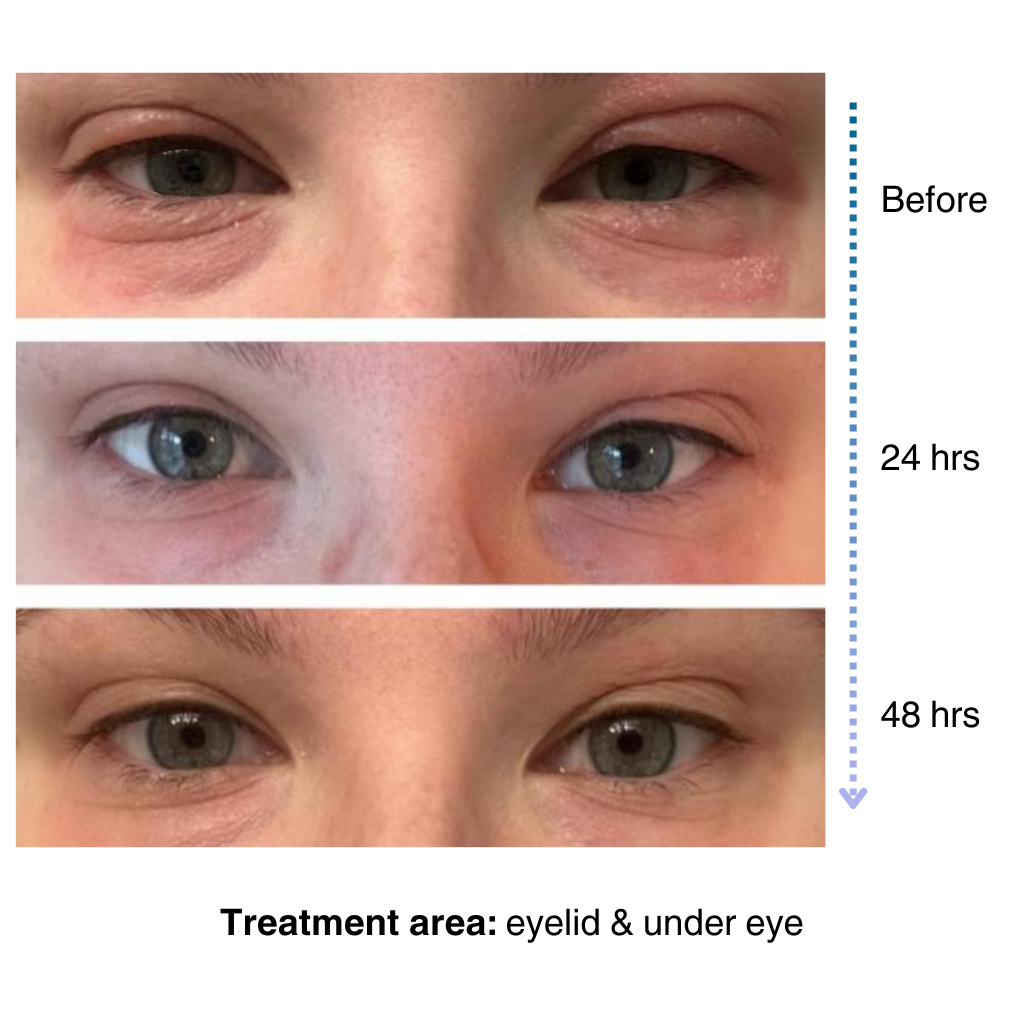
It’s easy to apply and isn’t chalky at all. I’ve been applying it multiple times a day… I’ve tried multiple new products to try and treat my eye eczema, and this is definitely the best I’ve tried so far.
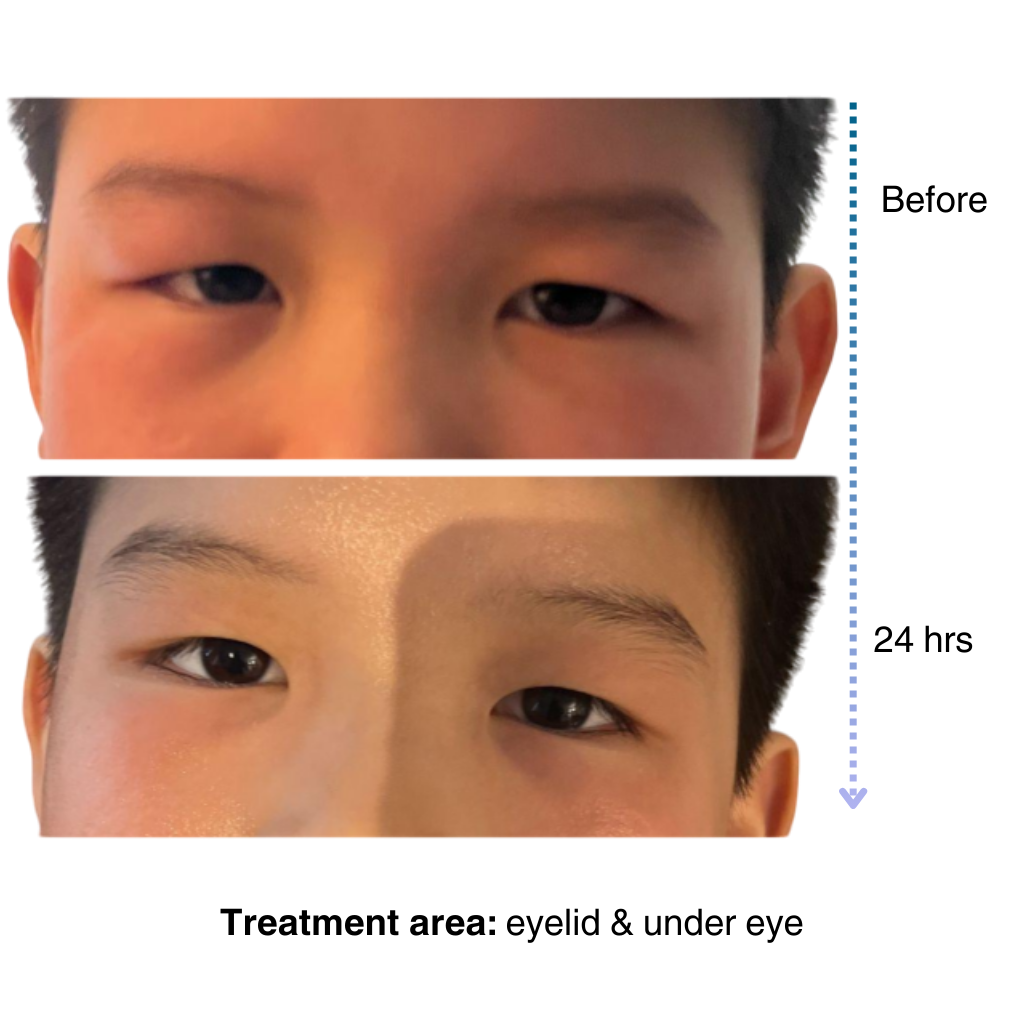
My 7-year old son has been dealing with eczema on his face for a long time, and it’s been so tough to find something that really works…..I’m amazed by the results! Within one day, the redness and rough patches on his face significantly improved…. he doesn’t mind using it at all because it doesn’t sting or feel greasy. – Lily

Like many of you, our eczema journey is personal. That’s why we’re committed to creating a space for the eczema community to share experiences, be empowered through evidence-based solutions, and learn practical tips for daily life.
– Sajjad, Founder & CEO of NellaDerm
