
Eczema concerns?
FREE
Get instant expert guidance with our smart AI platform.
Join NowWhen flares feel out of control, wet wrap therapy for eczema can calm skin fast. Dermatology clinics often recommend it during rough patches because it hydrates deeply, cools overheated skin, boosts the effect of your moisturizer, and physically discourages scratching so you can finally rest. The best part: you can do it safely at home with simple supplies. This guide walks you through what wet wrapping is, when to use it, how to set it up in minutes, and how to adapt the method for hands, feet, face, kids, and travel.
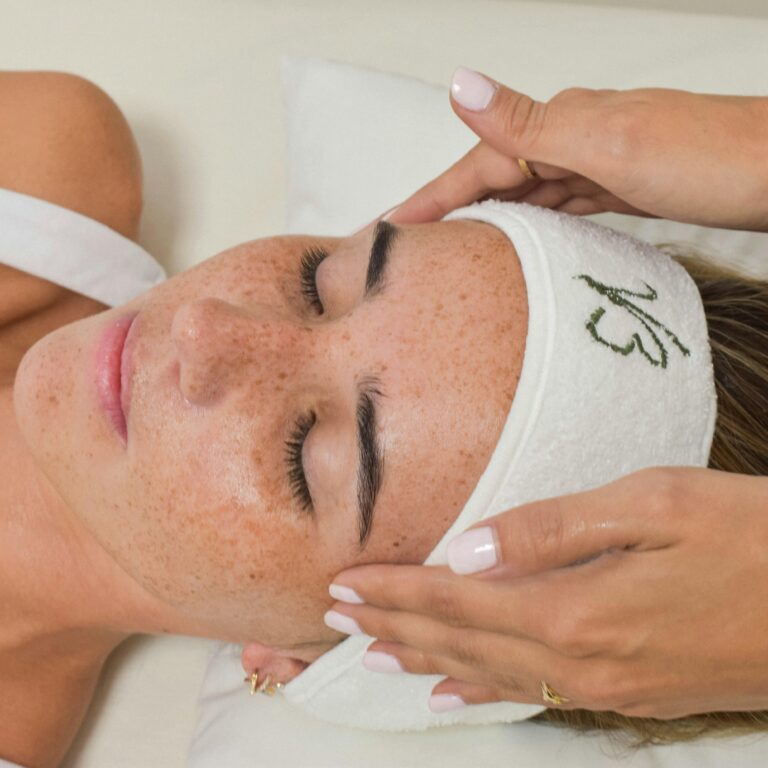
Eczema flares can feel relentless, especially when itching disrupts sleep and daily comfort. Wet wrap therapy offers a proven, drug free way to deeply hydrate skin, cool inflammation, and break the itch scratch cycle overnight. This simple home technique uses layers of damp and dry fabric over moisturizer to lock in hydration and protect fragile skin.
Whether you manage moderate flares or help a child through tough nights, wet wraps deliver noticeable relief in hours. This guide covers everything from supplies and step by step application to safety tips, variations for different body areas, and a two week plan to calm stubborn eczema.
Backed by dermatologists and decades of clinical use, wet wrapping is safe, affordable, and customizable. Learn how to make it part of your eczema toolkit for faster healing and better rest.
You do not need special gadgets. Gather:
Tip: pre cut tube bandages for elbows, knees, wrists, and ankles. It makes bedtime quick, especially with kids.
Total time: about 10 minutes
Hands and wrists
Feet and ankles
Elbows and knees
Neck and torso
Refer to our blog post on Eczema on the Neck for further details on how to minimize triggers and flare ups.
Face
Listen to your skin. If you feel overly soggy or sensitive, shorten sessions or skip a night.
A 2004 study published in the British Association of Dermatologists found that wet wrap therapy is as effective as a conventional therapy with HC and emollients, especially for those with mild eczema.
If nighttime itch is your main hurdle, pair wrapping with the tactics in our sleep guide for double benefits: Sleepless Nights? How To Stop Eczema Itching At Night
“I feel cold.”
Use warmer room air, wring the fabric more thoroughly, or choose a smaller area to wrap until you are used to the sensation.
“My skin looks pruny after.”
Shorten sessions to 45 to 60 minutes, then moisturize and switch to dry wrapping for the rest of the evening.
“The fabric sticks.”
Apply more moisturizer under the damp layer and ensure the cloth is truly damp, not wet. Smooth out folds before adding the dry layer.
“It stings when I start.”
Use lukewarm, not cool water. Try a different fragrance free emollient with fewer active additives and patch test on a small area the next day.
“The itch returns quickly.”
Increase session length, check bedroom humidity, and ensure you re seal with moisturizer after removing wraps. Hydrate well during the day.
Wet wraps are portable. Pack:
On the road, a sink session wrap for 30 minutes after a hot day or a flight can prevent a bigger flare.
Days 1 to 3
Days 4 to 7
Week 2
Throughout, keep your daily routine steady: moisturize within three minutes after bathing to lock in water, then use wraps to boost relief when you need it most.
Wet wrap therapy for eczema is a simple, powerful home technique for fast hydration and itch relief. With a generous moisturizer, a damp layer, and a dry layer, you can calm hot, stubborn patches, protect skin from scratching, and sleep better. Start with short sessions, follow safety guidance, and adjust the method to your comfort. Keep your favorite emollient handy, like NellaDerm’s NellaCalm Steroid Free Eczema Cream, as a reliable base, and use wraps during flares or busy seasons when your skin needs extra help.
Wet wrap therapy leverages basic principles of skin physiology to accelerate healing. The damp layer creates a humid micro environment that dramatically reduces transepidermal water loss, allowing the stratum corneum to rehydrate from within. This process softens lichenified plaques and restores flexibility to cracked skin within hours.
Evaporative cooling plays a crucial role in itch reduction. As water slowly evaporates from the wet fabric, it draws heat away from inflamed skin, lowering local temperature by several degrees. This cooling effect interrupts nerve signaling in pruriceptors, providing immediate relief from the urge to scratch.
The occlusive dry layer enhances penetration of topical treatments. Studies show that occlusion can increase corticosteroid absorption by up to tenfold, which explains why clinicians sometimes recommend medicated wet wraps for severe cases. Even without medication, emollients penetrate deeper under wraps, rebuilding the lipid barrier more effectively.
A 2018 review in Pediatric Dermatology confirmed that wet wrap therapy significantly improves SCORAD scores in children with moderate to severe atopic dermatitis after just three days of consistent use. The combination of hydration, cooling, and enhanced drug delivery creates a synergistic effect that outperforms standard moisturizing alone.
Material selection impacts both efficacy and comfort. Medical grade tubular bandages made from 100 percent cotton remain the gold standard for their breathability and minimal irritation risk. Look for seamless construction to prevent pressure points on elbows and knees.
Bamboo viscose blends offer natural antibacterial properties and superior moisture wicking, making them ideal for infection prone skin. Avoid synthetic fibers like polyester, which trap heat and promote bacterial growth. Organic cotton pajamas specifically designed for eczema feature flat seams and tag free labels to minimize friction.
For facial applications, use muslin cloth or soft gauze rather than thick fabrics. Pre cut sizes save time during nighttime routines. Many parents keep dedicated wrap sets in multiple sizes to accommodate growth spurts without emergency laundry runs.
Invest in a high quality spray bottle with adjustable mist settings for precise dampening control. Glass or stainless steel water containers prevent plastic chemical leaching that could irritate sensitive skin. Proper materials ensure consistent results and prevent secondary complications.
Wet wraps enhance nearly every eczema treatment modality. When using topical corticosteroids, apply medication first, wait five minutes, then layer emollient before wrapping. This sequence maximizes steroid penetration while the thick moisturizer prevents skin drying from prolonged steroid exposure.
Calcineurin inhibitors like tacrolimus work exceptionally well under occlusion. The increased absorption allows lower doses and reduced application frequency. Always follow your dermatologist’s specific protocol for medicated wet wraps to avoid over absorption risks.
Antimicrobial wet wraps using diluted bleach or silver impregnated fabrics target Staphylococcus colonization during infected flares. These specialized wraps require medical supervision but can dramatically reduce bacterial load within 48 hours.
Phototherapy patients often use wet wraps post treatment to extend UVB benefits and prevent rebound dryness. The hydration boost helps maintain clearance achieved through light therapy sessions. Coordinate all combination approaches with your healthcare provider for optimal safety and efficacy.
Cold compresses provide temporary cooling but lack the sustained hydration of wet wraps. They work well for acute heat relief but require frequent reapplication and offer minimal barrier protection. Wet wraps maintain therapeutic moisture levels for hours.
Occlusive ointments create barriers but can feel heavy and greasy. Wet wraps achieve similar occlusion with lighter sensation due to evaporative cooling. The breathable fabric layers prevent the claustrophobic feeling some experience with thick petrolatum applications.
Oral antihistamines address systemic itching but do nothing for localized inflammation. Wet wraps target specific flare zones while providing mechanical scratch protection that pills cannot offer. Many families combine both approaches for comprehensive nighttime relief.
Specialized eczema clothing with silver threads offers passive protection but lacks active hydration delivery. Wet wraps provide intensive treatment sessions that accelerate healing beyond what daily wear garments can achieve alone. Use smart clothing for maintenance and wet wraps for active flare management.
Successful long term eczema management requires strategic wet wrap integration rather than reactive use. Track flare patterns in a skin journal to identify seasonal triggers and pre emptively schedule wrap sessions before symptoms peak. Winter months often demand weekly maintenance wraps even during calm periods.
Establish baseline hydration protocols that make wet wraps more effective. The three minute rule after bathing locks in maximum moisture for subsequent wrapping. Consistent daily emollient use between wrap sessions prevents the rebound dryness that undermines progress.
Rotate wrap locations to prevent fabric fatigue and maintain efficacy. Keep multiple material types on hand for different weather conditions. Light cotton works in summer while thicker bamboo suits colder months. Regular equipment rotation extends garment lifespan and ensures availability.
Periodic dermatology check ins help adjust your wrap protocol as skin needs evolve. Children often outgrow intense wrap phases while adults may need seasonal intensification. Professional guidance ensures your strategy remains medically sound and maximally effective over years of eczema management.
Myth: Wet wraps cause skin infections. Fact: Proper hygiene and infection screening prevent complications. Studies show infection rates remain low with correct technique. The antibacterial effect of controlled moisture actually reduces Staphylococcal colonization in many cases.
Myth: Children hate wet wraps. Fact: Creative presentation and gradual introduction make wraps enjoyable for most kids. Starting with short sessions and favorite character themed fabrics transforms treatment into playtime. Parental consistency builds positive associations over time.
Myth: Wet wraps require expensive supplies. Fact: Basic cotton clothing from any store works effectively. Total startup costs typically stay under fifty dollars. Repurposing existing pajamas makes this one of the most affordable intensive eczema treatments available.
Myth: Overnight wrapping risks hypothermia. Fact: Room temperature management and proper wringing eliminate chilling risks. Most users report feeling comfortably cool rather than cold. Monitoring first sessions ensures individual comfort levels guide duration decisions.
Can I do wet wrap therapy for eczema on infants and toddlers?
Yes, but keep sessions shorter at first and avoid medications under wraps unless your pediatric clinician instructs you to. Start with small areas like ankles or elbows and build up as tolerated.
Do I need special medical garments?
Not required. Soft cotton pajamas, tube bandages, gloves, and socks work well. Purpose-made garments can be convenient, but they are optional.
Can I combine wet wraps with antihistamines at night?
Only as advised by your clinician. The wrap itself often reduces itch enough to improve sleep.
What is the difference between wet wrap therapy and bleach baths?
Bleach baths target skin bacteria under medical guidance, while wet wraps focus on hydration, cooling, and barrier protection. They can be used in different parts of a care plan but are not the same technique.
How long until I notice results?
Many people feel calmer skin and less itch after the first night. Texture and redness often improve over several sessions across a week.
It’s easy to apply and isn’t chalky at all. I’ve been applying it multiple times a day… I’ve tried multiple new products to try and treat my eye eczema, and this is definitely the best I’ve tried so far.
My 7-year old son has been dealing with eczema on his face for a long time, and it’s been so tough to find something that really works…..I’m amazed by the results! Within one day, the redness and rough patches on his face significantly improved…. he doesn’t mind using it at all because it doesn’t sting or feel greasy. – Lily
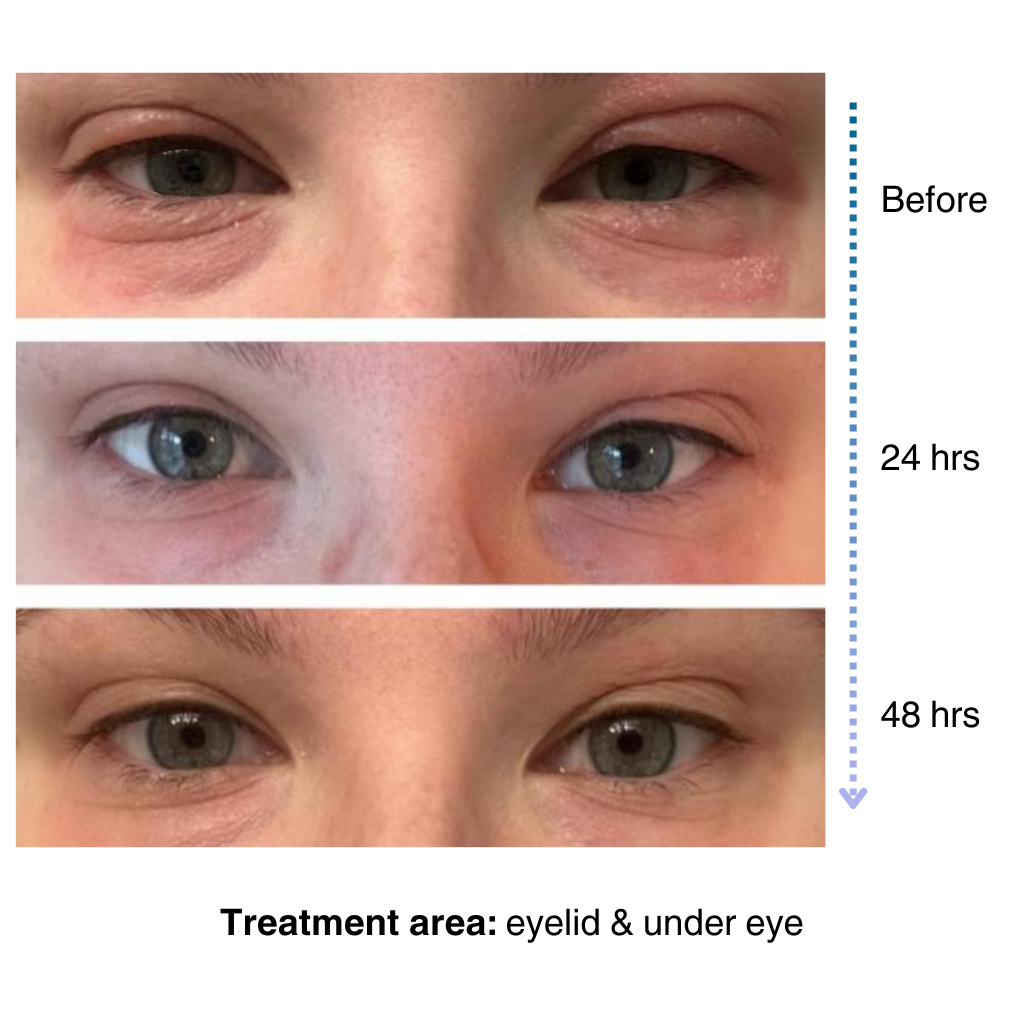
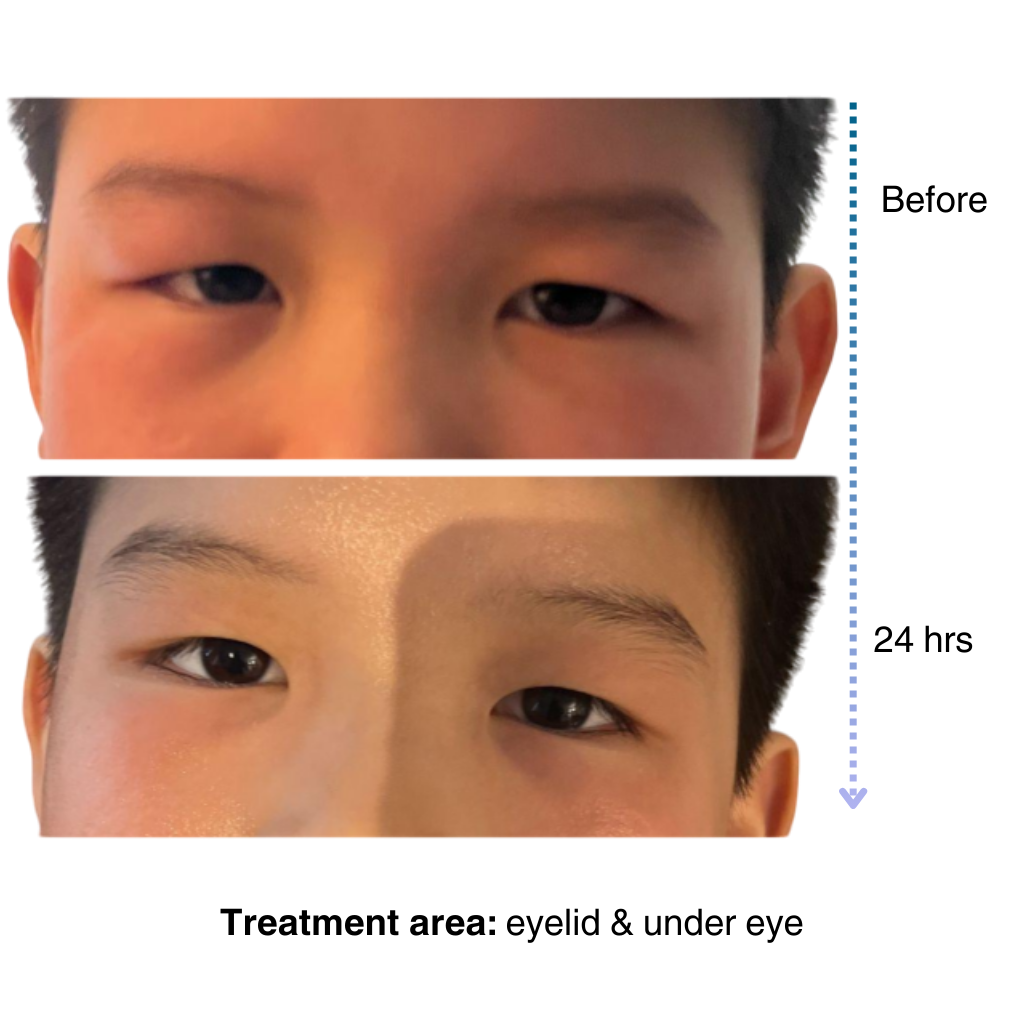

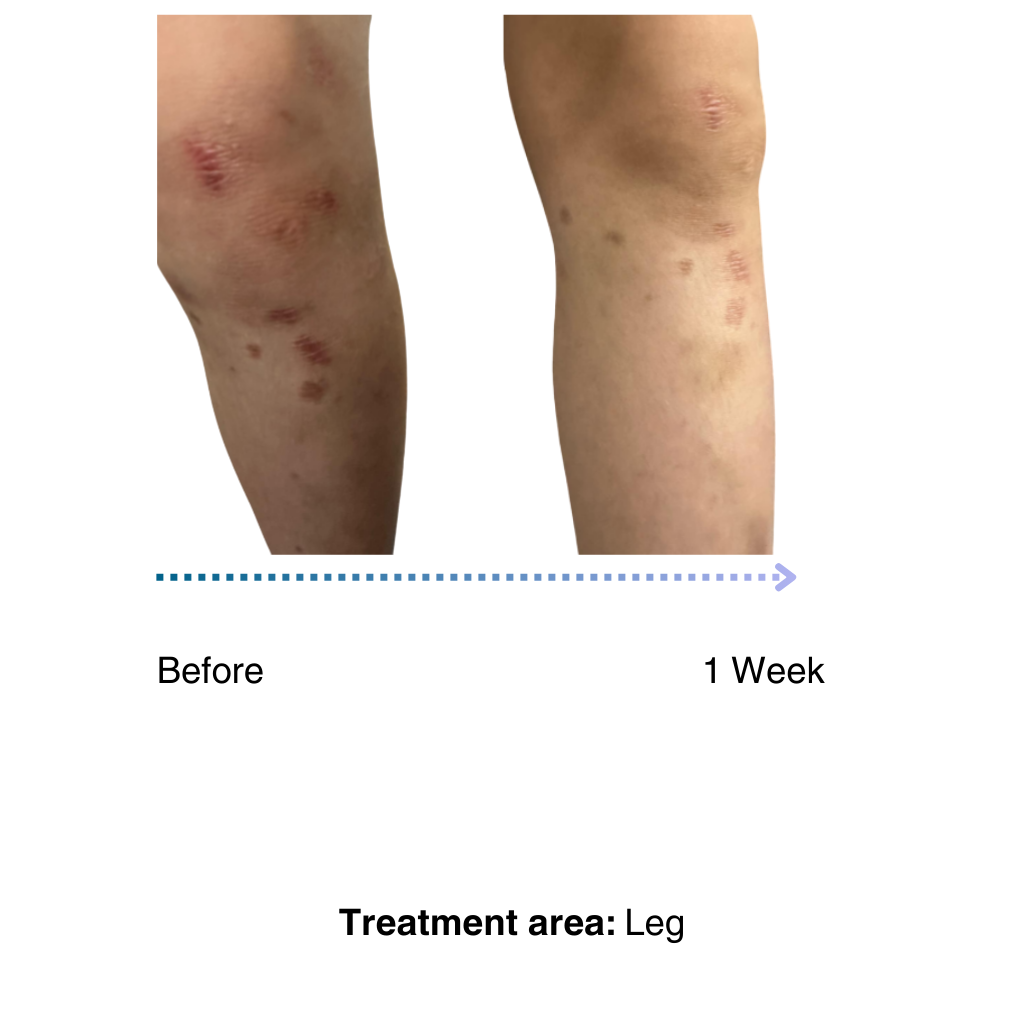
Like many of you, our eczema journey is personal. That’s why we’re committed to creating a space for the eczema community to share experiences, be empowered through evidence-based solutions, and learn practical tips for daily life.
– Sajjad, Founder & CEO of NellaDerm
