
Eczema concerns?
FREE
Get instant expert guidance with our smart AI platform.
Join NowNighttime is prime time for itch. Heat builds under blankets, sweat lingers on the skin, and rough fabrics rub at creases just when you are trying to sleep. The right bed sheets for eczema can lower friction, wick moisture, and reduce irritant exposure so your evening routine actually works. This guide compares silk, cotton, and bamboo through an eczema-specific lens and gives you a step-by-step buying checklist for 2026.
If night itch is already a struggle, pair your sheet upgrade with a soothing evening routine from NellaDerm’s sleep guide: Sleepless Nights How To Stop Eczema Itching At Night
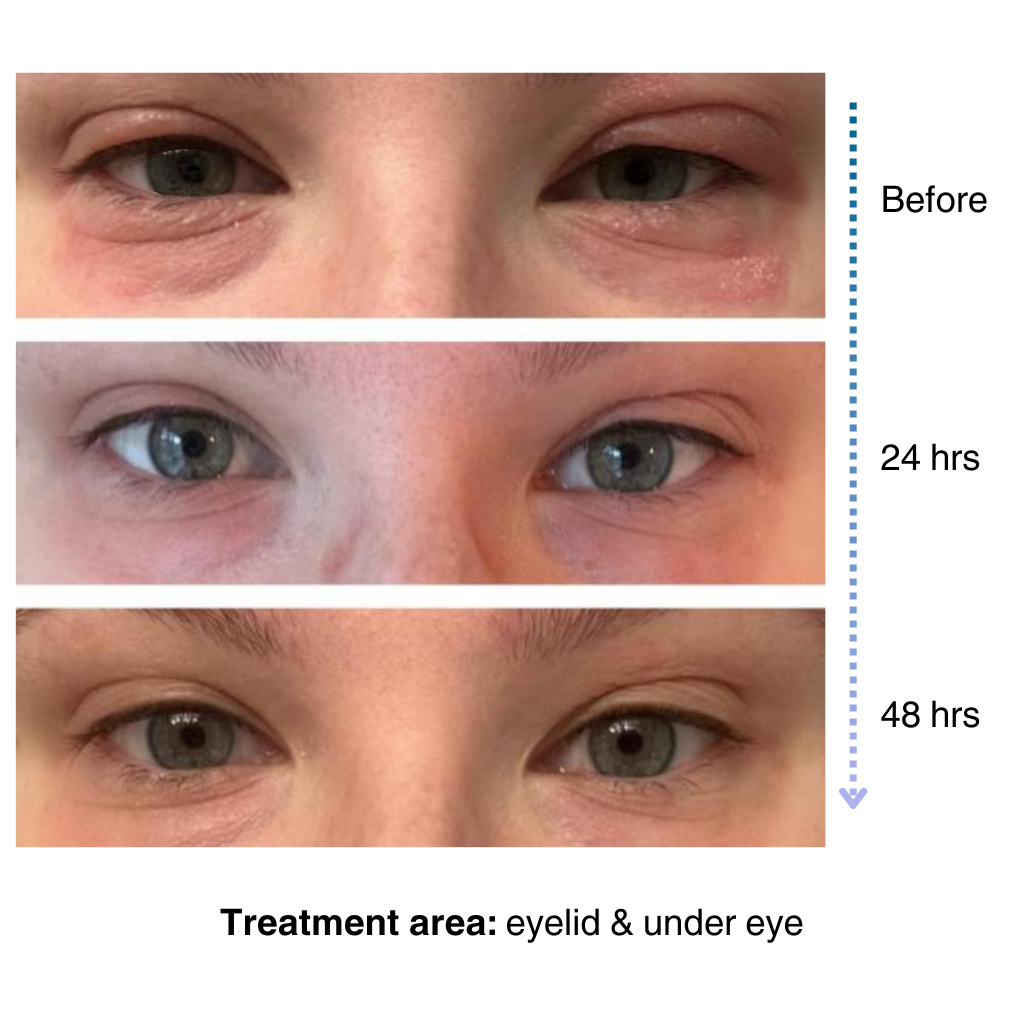
In this blog, we’ll break down the differences between eyelid eczema and eyelid ACD, explain why the eyelid area is so vulnerable, share what current research shows, and offer practical strategies to calm your skin while avoiding common triggers.
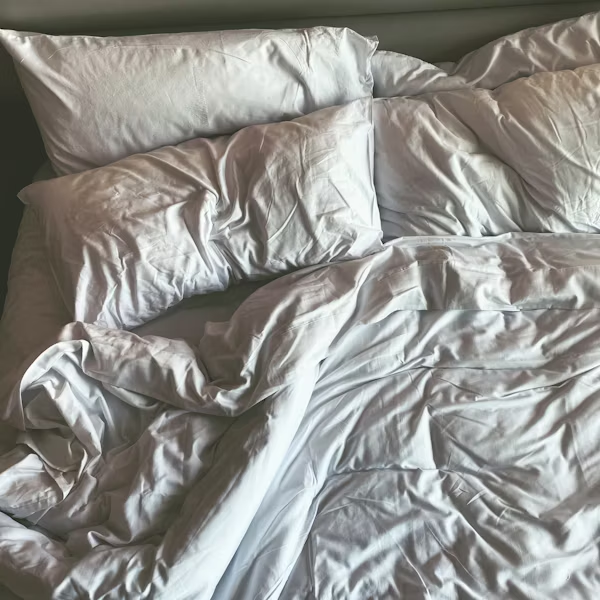
When choosing bed sheets for eczema, look at these factors first.
Check out the National Eczema Society’s guide on bedding for eczema for more information.
Quick Comparison
Feature | Silk (Mulberry, Charmeuse) | Cotton (Percale or Sateen) | Bamboo-Derived (Viscose or Lyocell) |
Feel on skin | Ultra-smooth, low friction | Percale: crisp cool. Sateen: silky smooth | Buttery, drapey, very smooth |
Heat & moisture | Naturally cool touch; moderate wicking | Percale: best airflow. Sateen: warmer, smooth | Good wicking, feels cool; can trap heat if very heavy |
Static & lint | Low static, low lint | Low static; percale can feel “rustly” | Low static; can pill if low quality |
Allergy/mites | Less dust retention on surface; still launder weekly | Easy hot-wash options if needed | Washable; avoid heavy fabric softeners |
Durability & care | Hand/mesh bag wash recommended; higher cost | Strong and long-lasting; easiest care | Soft but can pill if short fibers; follow gentle cycles |
Best for | Extreme sensitivity to friction | Most households and sweaty sleepers | Hot sleepers who want drape and softness |
Why choose silk
Silk’s filament is long and naturally smooth, so the surface glides over skin with minimal drag. For people whose itch is triggered by any rub or snag, silk can feel like instant relief. It also produces less static than many synthetics, which helps if your skin is reactive to fussy fibers or pet hair.
What to look for in 2026
Care tips
Wash cool on delicate in a mesh bag with fragrance-free detergent. Skip fabric softeners and dryer sheets. Line dry or tumble on low for a short time. Because washing is gentler, keep pillowcases on a two-to-three-night rotation so you always have a fresh set.
Who it suits
Watchouts
Silk is not ideal if you need frequent hot washes for dust-mite protocols or you prefer the crisp “hotel sheet” feel.
Cotton is still the default for bed sheets for eczema, and for good reason. It is durable, breathable, widely available in fragrance-free basics, and easy to wash often. The main decision is percale vs sateen.
What to look for in 2026
Care tips
Wash weekly or twice weekly for pillowcases using a fragrance-free detergent, warm water, and an extra rinse. Skip fabric softeners and dryer sheets that leave a film. Dry on low to medium heat and remove promptly to reduce wrinkling without chemical treatments.
Who it suits
Most “bamboo” sheets are actually viscose from bamboo or lyocell from bamboo. Both transform bamboo pulp into rayon-type fibers that feel extremely smooth and drape beautifully.
Why choose bamboo-derived
The hand is buttery and gentle on reactive skin. Many people who run warm love the cool sensation at first touch. Compared with low-quality cotton, bamboo-derived fabrics can feel smoother right out of the package.
What to look for in 2026
Care tips
Wash on cold or warm, gentle cycle, fragrance-free detergent, extra rinse. Tumble low and remove promptly. Overdrying increases wrinkles and pilling. Avoid bleach and softeners.
Who it suits
Watchouts
Low-quality viscose can pill and thin with frequent washing. Choose reputable suppliers and treat gently.
Even the best bed sheets for eczema can backfire if they carry irritating residues.
For helpful products that pair with cleaner laundry, save our guide for sensitive skin: Top Steroid-Free Eczema Products
If dust mites aggravate your eczema or allergies, increase your bedding hygiene.
Use this quick match guide to narrow your shortlist.
Sheets are the environment. Your skin still needs water and lipids to stay calm overnight. After an evening rinse, moisturize within three minutes so clean water stays in the stratum corneum before you slide into your smooth, breathable bedding. If you want a single, gentle anchor product to make that step easy, many individuals rely on NellaCalm Steroid-Free Eczema Cream as their nightly base layer.
The best bed sheets for eczema balance smooth feel, breathability, and simple, fragrance-free finishing. Silk offers the lowest friction, cotton percale maximizes airflow, cotton sateen gives silky glide with easy care, and bamboo-derived lyocell delivers buttery softness for hot sleepers. Pair your pick with clean laundry habits and a consistent night routine and you will feel the difference in comfort and sleep within days.
Do higher thread counts equal better sheets for eczema?
Not automatically. Very high counts can reduce breathability. Focus on fiber length, weave, and finish.
Are bamboo sheets hypoallergenic?
“Hypoallergenic” is a marketing term. Many people with eczema love bamboo-derived lyocell for softness, but quality and finishing vary. Choose certified, fragrance-free options and wash before first use.
Can I just switch pillowcases?
Yes. A silk or sateen pillowcase alone can reduce face and neck friction. It is an affordable way to test your comfort before buying a full set.
How often should I replace sheets?
When you see persistent pilling, thinning, or roughness that does not improve after washing. Cotton percale can last years; low-quality viscose may need replacing sooner.
What color is best?
Whatever helps you relax. If dyes bother you, choose undyed or naturally white sets.
It’s easy to apply and isn’t chalky at all. I’ve been applying it multiple times a day… I’ve tried multiple new products to try and treat my eye eczema, and this is definitely the best I’ve tried so far.
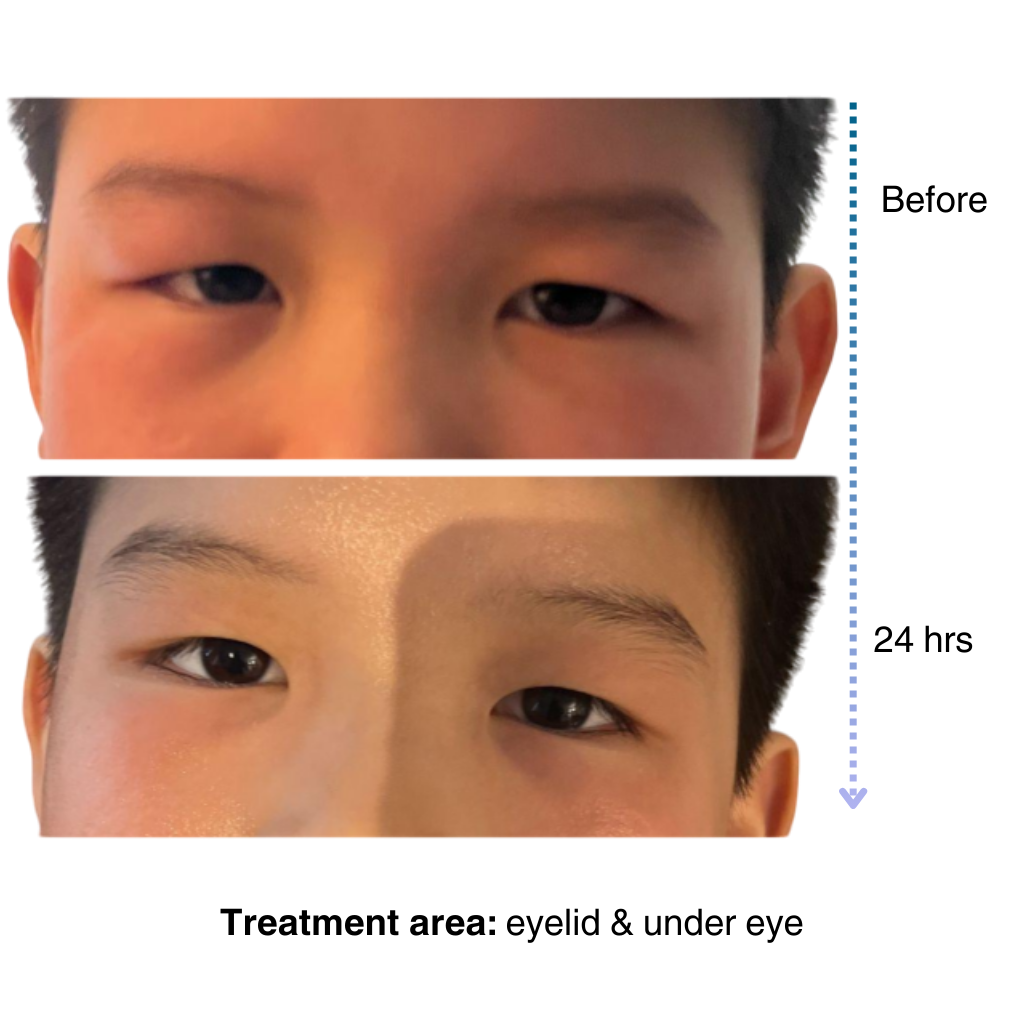
My 7-year old son has been dealing with eczema on his face for a long time, and it’s been so tough to find something that really works…..I’m amazed by the results! Within one day, the redness and rough patches on his face significantly improved…. he doesn’t mind using it at all because it doesn’t sting or feel greasy. – Lily

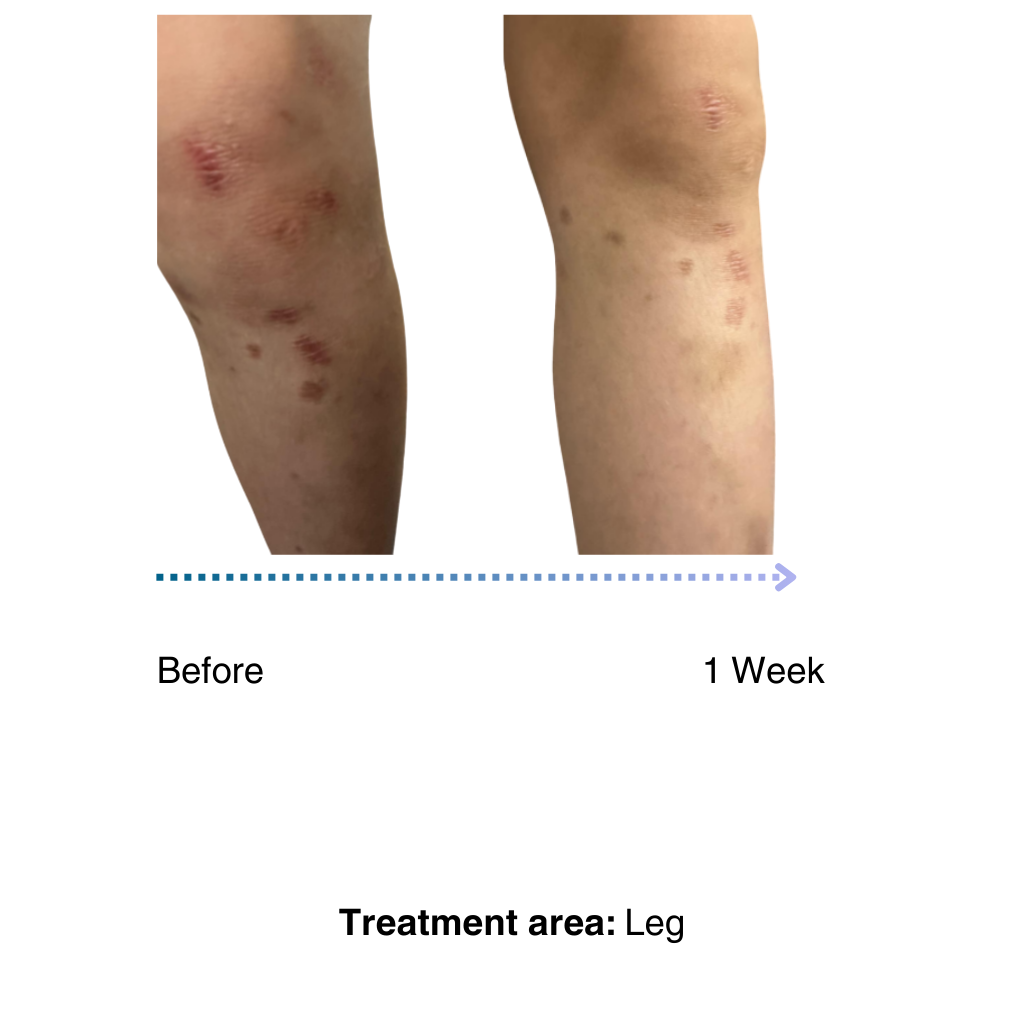
Like many of you, our eczema journey is personal. That’s why we’re committed to creating a space for the eczema community to share experiences, be empowered through evidence-based solutions, and learn practical tips for daily life.
– Sajjad, Founder & CEO of NellaDerm
