
Eczema concerns?
FREE
Get instant expert guidance with our smart AI platform.
Join NowStaying active should not mean trading performance for a flare. If you have atopic dermatitis, sweat can sting, itch, and turn small friction spots into full patches. The good news is that you can keep training by treating sweat as something to manage rather than fear. This guide explains why sweat irritates sensitive skin, then gives you a simple plan for before activity, during effort, and after your workout.
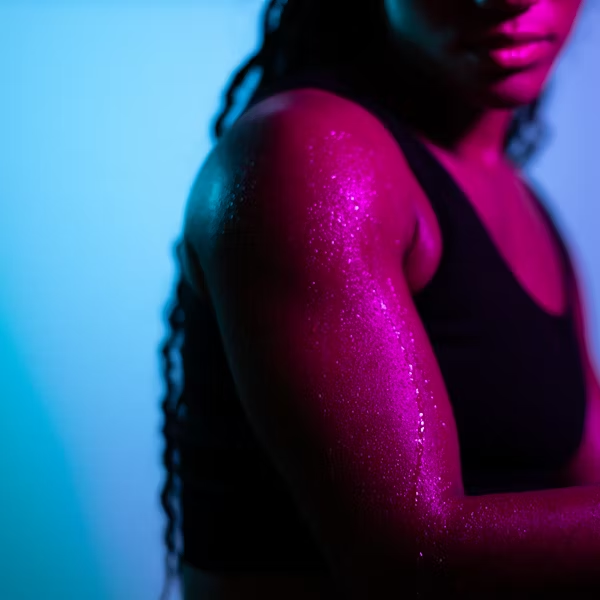
Sweat is not just water and salt. In people with atopic dermatitis, research has shown three especially important facts. First, a fungal protein called MGL 1304 that comes from skin dwelling Malassezia can act as a real allergen for many patients. That is one reason some people describe sweat reactions that feel immediate and intense, almost like an allergy. Read more in this 2013 article published in PubMed.
Second, the chemical mix of sweat can change with disease activity. In a peer reviewed overview of recent evidence, investigators reported that glucose in sweat is often higher in those with active eczema and that this can slow the normal repair of a damaged barrier. When sweat sits on skin that is already fragile, that delayed recovery can translate into more itch and more scratching.
Third, simply learning to manage sweat helps. A pilot clinical study in adults with atopic dermatitis found that a basic program built around smart rinsing and timely moisturizing was extremely useful, even in people who did not have a confirmed sweat allergy. In other words, technique matters as much as biology.
The takeaway is simple. Sweat can carry an allergen, sweat chemistry can slow healing, and sweat management can blunt both effects. That is the logic behind the routine that follows.
Think of your training day in three moments. You prepare before activity. You limit triggers during activity. You restore the barrier after your workout. The goal is to minimize sting, salt time, heat, and friction while maximizing quick rehydration of the outer layer of skin.
About fifteen to thirty minutes before you start, give your skin the conditions it needs to behave. If you shower first, keep the water lukewarm and short. Pat dry rather than rub so a thin film of water remains. Then apply your moisturizer within three minutes so that the water you just added gets sealed in rather than evaporating away. For a step by step refresher on that timing, skim NellaDerm’s guide about the 3 Minute Rule which explains why the window after cleansing matters so much for eczema and sweat management.
Choose garments that work with you. Look for soft knits with smooth seams and good airflow. If a strap, waistband, or heart rate monitor always rubs one spot, put a thin layer of ointment or balm on that specific area to reduce friction. Give the product a few minutes to settle before you move so you do not feel slippery.
If you have one area that always stings when you sweat, pre treat it with your daily emollient so the surface is less exposed to salt and sugar. A gentle, ceramide supporting cream is ideal. Use a modest amount so the skin feels supple rather than greasy. For a barrier focused option that you can use as a daily base layer, check out NellaDerm’s NellaCalm Steroid Free Eczema Cream.
If you want a fuller morning and evening structure that you can adapt on training days, this quick read from the Knowledge Hub lays out a simple sequence that fits around exercise as well:
Eczema Friendly Skincare Routine: A Guide For Daily Relief
During Activity: Control Heat, Salt, And Friction
Once you are moving, the mission is to keep sweat from sitting on the skin and to keep skin temperature in a comfortable range. You do not need fancy gear. A small microfiber towel works very well. Blot, do not wipe. Patting removes moisture and dissolved salts without scraping the surface, which lowers the chance that a brief sting becomes a scratch that becomes a flare.
If you are outdoors, use shade when you can. If you are indoors, use a fan during intervals or between sets. Small cool down breaks pay off by reducing itch signals and by slowing evaporation. Drink steadily so that sweat production stays steady and does not become overly concentrated. If a shirt is soaked and clinging at the creases of your elbows or knees, a quick change into a dry top often feels far better than pushing through the last twenty minutes in wet fabric.
Chlorinated pools and ocean water are individual. Some athletes feel better after an ocean swim while others sting. The rule that helps almost everyone is quick removal of residue. Rinse off as soon as you finish, then use your after workout routine right away.
The most important part of sweat proof skincare happens when you stop moving. The clock starts. Aim to get sweat, salt, and potential allergens off the skin and to restore the water and lipids that make the outer barrier flexible.
Step one is a brief lukewarm shower. Step two is a fragrance free cleanse focused on the areas that truly need it such as chest, back, underarms, and anywhere that was in direct contact with gear. Step three is to pat dry and leave the skin slightly damp. Step four is to moisturize within three minutes so that water stays in the top layer. Step five is to add a small amount of ointment to any hot spots at creases, straps, or seams. Finally, change into dry, breathable clothing.
If you cannot shower right away, do a fast sink rinse for face and creases, blot, then apply a thin layer of your emollient to those areas. Even that small reset can prevent sting from lingering.
Running and high intensity sessions benefit from airflow. A treadmill near a fan or an outdoor route with shade can cut the heat load without slowing your pace. For cycling, clean salt residue from helmet pads and strap contact points after every ride. For strength training, wipe benches with a gentle cleaner and consider light gloves if your hands are active. For yoga and Pilates, keep a small towel near the mat so sweat does not sit on the face and neck.
Swimming deserves its own note. Rinse before you enter the pool so the top layer of your skin takes up clean water first. That way the chlorine solution has less room to move in. Rinse again after you get out and move into your moisturizer within three minutes.
Softness and smoothness beat softness alone. Many technical fabrics designed for athletes are excellent at moving moisture off the surface. If your skin reacts to certain synthetics, try bamboo or a cotton blend that is thin and breathable. Keep seams in mind. A beautifully soft shirt with a thick seam across a crease can still cause trouble during longer efforts.
For laundry, use fragrance free detergent and skip fabric softeners that leave a film. If a wash leaves residue, an extra rinse can help. Clean gear that touches your face such as hat brims or helmet straps often, because salty build up can create localized sting when you start to sweat again.
A simple notebook or a note on your phone can turn guesswork into a plan. Track which sessions cause trouble, what the weather was, which garments you wore, and what you did in the ten minutes after finishing. You will probably see patterns in a week or two. Maybe your neck only stings on indoor bike days. Maybe your elbows react when shirts are tight at the crease. Use the patterns to adjust clothing, pre treatment, and cool down breaks.
If you keep following the steps above and still flare whenever you train, it is time to get personalized advice. A clinician can fine tune your topical plan, consider short courses of anti inflammatory treatments when appropriate, or suggest light based therapy in selected cases. The larger aim is not simply clear skin. It is a lifestyle that includes regular activity without fear.
A landmark paper identified a specific protein secreted by Malassezia on human skin as a major allergen present in human sweat. Many patients with atopic dermatitis produce an immediate type response to this protein called MGL 1304. This finding explains why some reactions to sweat feel rapid and intense and it underscores the value of quick rinsing and targeted protection of known hot spots. (PubMed)
A peer reviewed overview pulled together mechanistic and clinical observations about the connection between sweat and itch. Among the most actionable insights was that glucose concentration in sweat tends to rise with disease severity and that this elevated glucose can delay barrier recovery after the skin has been stressed. That is a powerful argument for getting sweat off promptly and then sealing in water with a moisturizer. (PubMed)
Finally, a pilot intervention showed that teaching adults with atopic dermatitis how to handle sweat was extremely useful regardless of whether they had a confirmed sweat allergy. This supports a practical message. Technique and timing can lower the impact of sweat even when biology is not on your side. (ir.lib.shimane-u.ac.jp)
Use this as a starting point and adjust the clothing, timing, and products until it feels effortless.
Sunday: long effort or hike
Pre session apply a modest layer of emollient to creases and strap zones and pack a small towel
During effort blot rather than wipe and drink steadily
After finishing rinse within ten minutes and use your moisturizer within three minutes
Monday: restorative movement
Choose a cool room
Rinse if you perspire
Moisturize right away
Tuesday: intervals or spin
Use a fan between sets
Change into a dry top if your shirt is soaked
Rinse and seal the barrier as soon as you can
Wednesday: strength
Wipe benches with a gentle cleaner
Use light gloves if your hands are active
Moisturize after your short rinse
Thursday: swim
Rinse before the pool and again after
Apply emollient within three minutes
Change into dry clothes
Friday: easy jog or walk
Hydrate well
Top up moisturizer in the evening
Saturday: team sport or high intensity session
Pre treat friction points
Blot frequently
Move into your recovery routine without delay
Eczema and sweat are not natural enemies. The three part plan is simple. Prepare the skin so it can handle heat and movement. Limit sting and friction while you are active. Restore water and lipids as soon as you stop. Use the 3 Minute Rule and a calm, fragrance free routine as your backbone and carry those habits into the moments that matter most, which are the minutes right after you finish.
With a little planning, sweat becomes a sign that your training is working rather than a reason to stop.
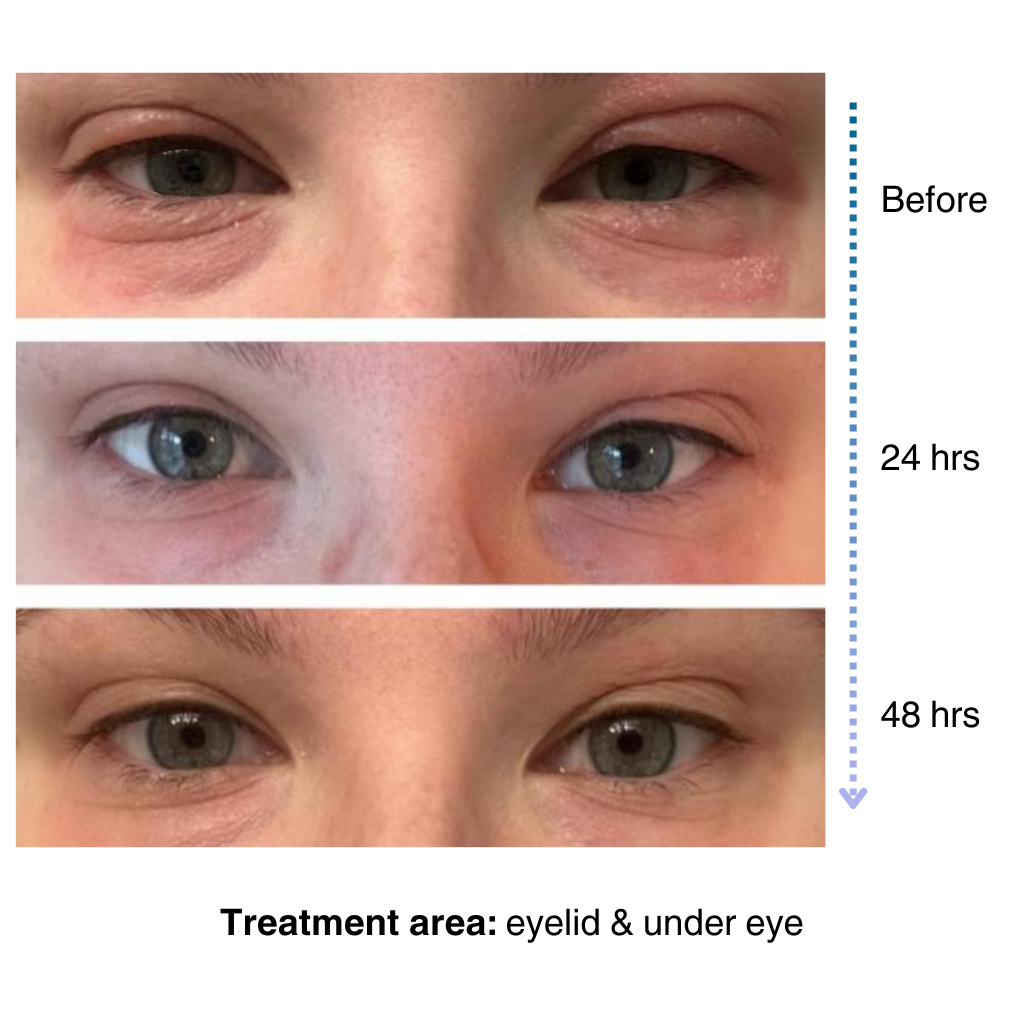
It’s easy to apply and isn’t chalky at all. I’ve been applying it multiple times a day… I’ve tried multiple new products to try and treat my eye eczema, and this is definitely the best I’ve tried so far.
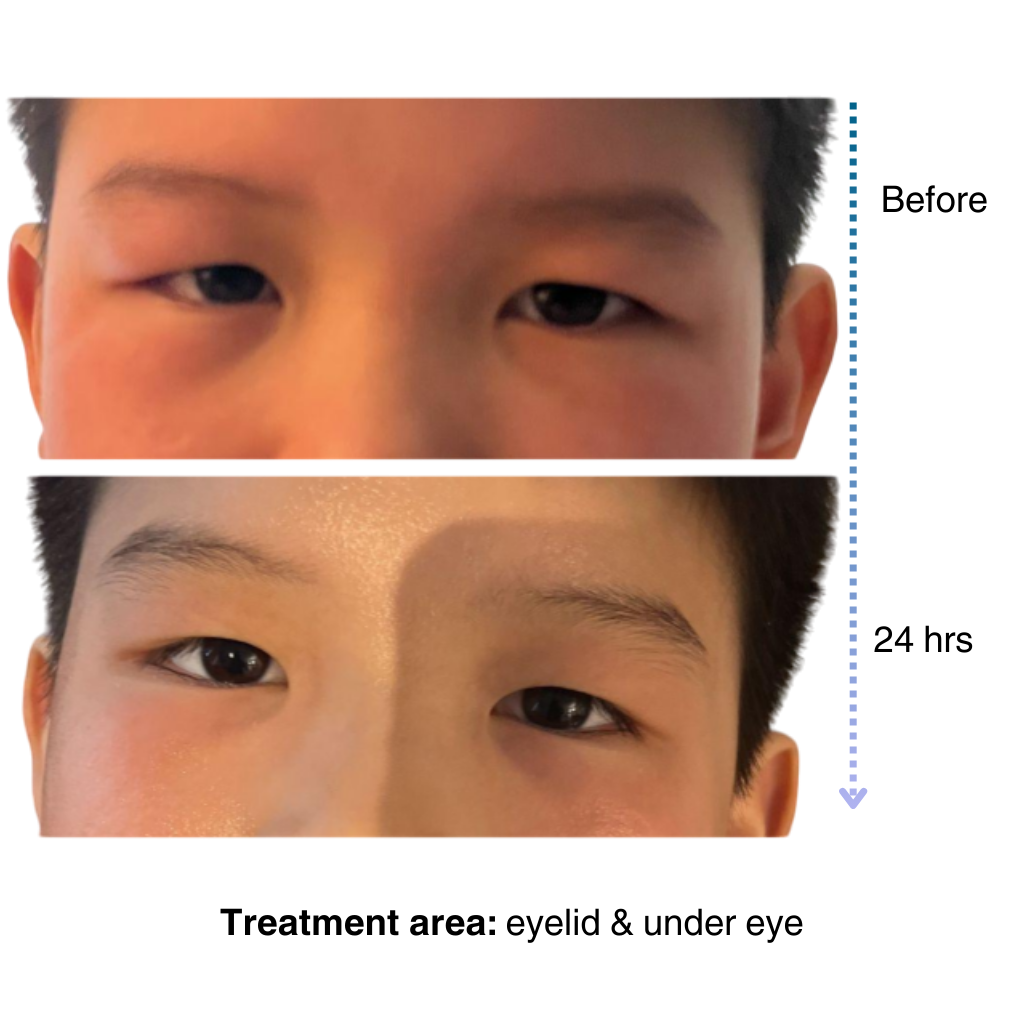
My 7-year old son has been dealing with eczema on his face for a long time, and it’s been so tough to find something that really works…..I’m amazed by the results! Within one day, the redness and rough patches on his face significantly improved…. he doesn’t mind using it at all because it doesn’t sting or feel greasy. – Lily

Like many of you, our eczema journey is personal. That’s why we’re committed to creating a space for the eczema community to share experiences, be empowered through evidence-based solutions, and learn practical tips for daily life.
– Sajjad, Founder & CEO of NellaDerm
