Laundry for Eczema: Best Detergents & Tips 2026

Laundry touches your skin all day and all night. If you live with atopic dermatitis, residues from detergent, fragrance, dyes, and softeners can keep irritation simmering even when your skincare is on point. The good news is that laundry for eczema is straightforward once you know what to buy, how much to use, and which settings protect both fabric and skin. This guide gives you a complete, copy-and-paste plan: detergent criteria, washer and dryer settings, softener alternatives, bedding schedules, travel tips, and a troubleshooting list for stubborn itch.


For a daily skin routine that pairs perfectly with clean textiles, save this step-by-step:
 

Skin Minimalism: Simplify Your Eczema Routine

laundry for eczema

The Essentials In One Minute

  • Choose liquid, fragrance-free, dye-free detergent labeled for sensitive skin.
  • Use the smallest effective dose and add an extra rinse when flares are active.
  • Skip fabric softeners and dryer sheets. Use wool dryer balls or a low-heat dry instead.
  • Wash pillowcases every 2–3 nights, sheets weekly, and towels every 2–3 uses.
  • Pre-wash all new clothing and bedding before first wear.
  • Keep the “rinse and seal” habit after bathing so freshly laundered fabrics contact a well-moisturized barrier. If you want one gentle anchor product, many individuals rely on NellaCalm Steroid-Free Eczema Cream.

Detergent Choices That Make Sense

Liquid Beats Powder For Most Households

Liquids dissolve more completely at cool and warm temps, which reduces residue. Powders can work in hot water but may leave undissolved particles in modern low-water machines.


What To Look For On The Label

  • Fragrance-free and dye-free
  • No optical brighteners when possible
  • Enzymes: many people with eczema tolerate enzyme blends well because they remove soils thoroughly. If you suspect an enzyme sensitivity, trial a non-enzyme detergent for two weeks and compare comfort.
  • HE compatible for high-efficiency machines

Dose Matters More Than Brand

Too much detergent creates clingy residue that traps fragrance, lint, and skin oils. Start with half the cap, then increase slightly only if items still smell or feel soapy after drying. In very soft water, you may need less; in very hard water, you may need a little more.


Washer Settings That Help Sensitive Skin

  • Water Temperature
    • Warm is the sweet spot for most loads. It improves soil removal and rinsing without roughing up fibers.
    • Hot periodically for linens if dust mites are a trigger or when items are heavily soiled.
    • Cold for dark colours and delicate fabrics, but always use a good liquid and consider an extra rinse.
  • Cycle Selection
    • Normal or bulky for sheets and towels to increase water movement.
    • Gentle for silk pillowcases, bamboo-derived lyocell, and fine knits to reduce friction.
  • Rinse Options
    • Add an extra rinse during flares, for baby clothes, and when you change detergents.
    • If your machine has a deep rinse or allergy setting, use it for bedding.
  • Load Size
    • Do not overfill. Fabrics need space to tumble so suds and residues can leave the fibers.
  • Spin Speed
    • Medium to high spin removes more water and shortens dryer time, which helps reduce heat exposure later.

Fabric Softeners And Dryer Sheets: What To Use Instead

Conventional softeners and dryer sheets often rely on cationic surfactants, fragrance, and coating agents that can cling to fabric and aggravate sensitive skin. For laundry for eczema, skip them.


Better options

  • Wool dryer balls to reduce static and speed drying.
  • Lower dryer heat and longer time to prevent baked-on residue.
  • Air-dry smooth fabrics on a rack to maintain softness without chemicals.
  • White vinegar in the rinse can help with mineral buildup and static. Use a small amount in the softener compartment and check your washer manual first.

Towels tip: avoid softeners on towels; they lower absorbency and trap film that can feel scratchy on reactive skin.


Bedding And Clothing Schedules

  • Pillowcases: change every 2–3 nights, more often during flares or hot weather.
  • Sheets: wash weekly; twice weekly if sweat, pollen, or pet dander are issues.
  • Duvet covers and blankets: every 1–2 weeks.
  • Pajamas and loungewear: every 1–3 wears depending on sweat.
  • Workout clothing: launder after each session; sweat salts can sting and keep itch simmering.

If night itch is a problem, pair clean bedding with a cool room and a simple evening routine from our blog post discussing common indoor triggers: Indoor Triggers Eczema: Eliminate Home Causes Today


Special Fabrics And How To Wash Them

  • Silk Pillowcases
    Mesh bag, delicate cycle, cool water, fragrance-free detergent, low heat or line-dry. Great for reducing friction on facial eczema.
  • Cotton Percale And Sateen
    Warm wash, extra rinse. Percale breathes best for hot sleepers; sateen glides for those sensitive to friction.
  • Bamboo-Derived Lyocell or Viscose
    Cold to warm gentle cycle, low heat dry. Remove promptly to reduce wrinkles and pilling.
  • Wool And Cashmere Layers
    Hand wash or machine wool cycle with a dedicated wool detergent. Lay flat to dry.

For help choosing sheets that match your skin and climate, read more in this NIH article which states that the use of silk clothing has been recognized as an alternative therapy for atopic dermatitis. 


Pre-Washing New Textiles

New sheets and clothing often carry mill finishes, starches, and transport dust. Always wash before first wear. Use your usual fragrance-free routine with an extra rinse. If a new item feels stiff or highly perfumed after washing, wash again or consider returning it.


Additives, Boosters, And Sanitizers

  • Oxygen bleach (percarbonate) brightens whites without chlorine odor; rinse well.
  • Chlorine bleach occasionally for linens if needed and if fabrics allow. Rinse thoroughly and run a quick rinse-only cycle after bleach loads if you are very sensitive.
  • Stain removers should be fragrance-free. Spot-treat, then wash with an extra rinse.
  • Water softeners can help detergents rinse cleaner in hard-water areas. Follow label directions.

Machine Care Matters

Residue in the washer can redeposit on clothes.

  • Run a monthly tub clean or hot cycle with a machine cleaner or a cup of oxygen bleach.
  • Wipe door gaskets and detergent drawers to prevent biofilm.
  • Leave the door ajar between loads for airflow.

Dryer care: clean the lint filter every cycle and the vent duct every season to keep heat lower and fabrics softer.


Seasonal And Allergy Considerations

  • Pollen seasons: dry laundry indoors or in a dryer to avoid pollen settling on damp fabrics.
  • Wildfire smoke or poor air quality: same rule as pollen; add an extra rinse.
  • Pet dander: wash pet bedding weekly and avoid fabric softeners that hold hair in fibers.

Travel And Shared Laundry

  • Pack a small bottle or strips of your fragrance-free detergent to avoid mystery vending-machine brands.
  • In hotels, request hypoallergenic bedding and place a clean towel or your pillowcase between skin and linens if you are sensitive to hotel detergents.
  • Use the delicate cycle and an extra rinse on unfamiliar machines.

For a complete on-the-go plan, including a rapid-flare sink routine, see: Travel Triumphs: Essential Guidelines for Eczema‑Friendly Adventures


Step-By-Step: A Simple Laundry Routine You Can Copy

  1. Sort by fabric and soil level. Keep towels and heavily soiled items separate.
  2. Measure a small dose of fragrance-free liquid detergent.
  3. Select warm water, normal cycle, and extra rinse for bedding and pajamas.
  4. Load loosely so fabrics can move.
  5. Dry on low to medium heat with wool dryer balls. Remove promptly.
  6. Store linens in a clean, dry place away from scented products.

Troubleshooting Guide

“Clothes feel stiff or itchy after washing”
Too much detergent or softener. Rewash with no detergent and an extra rinse. Reduce dose next time.


“Static cling and lint”
Lower dryer heat, add wool dryer balls, and avoid synthetic blankets that shed on cotton sheets.


“Musty washer smell”
Run a tub clean with hot water, wipe the gasket, and leave the door open to dry.


“Itch worse after laundry day”
Audit for hidden fragrance in softeners, scent beads, and dryer sheets. Switch to fragrance-free across the board, rewash with an extra rinse, and consider hot water for linens once to reset.


“New pajamas caused a flare”
Pre-wash twice with an extra rinse. If they still irritate, return or reserve for short wear with a layer underneath.


Kids And Baby Laundry For Eczema

  • Keep products fragrance-free and routines identical for caregivers.
  • Wash baby clothes and sleep sacks every 1–2 wears.
  • Use extra rinse cycles during active flares.
  • Consider a soft cotton layer between skin and rougher fabrics.

Pair Laundry With Barrier Care

Fresh, clean fabrics work best against a hydrated barrier. After bathing, moisturize within three minutes so water stays in the top layer before pajamas or clothes go on. If you prefer a single, gentle base that slots into any routine, many individuals use NellaCalm Steroid-Free Eczema Cream morning and night.


For timing and evening comfort, revisit the 3 Minute Rule explainer: 3 Minute Rule: Morning or Night for Eczema Relief?


Final Thoughts

Keeping laundry for eczema simple pays dividends. Choose a fragrance-free liquid, use the smallest effective dose, rinse well, and skip softeners that leave film. Wash bedding on a steady schedule and match washer settings to fabric and season. Combine clean textiles with a consistent moisturize-within-three-minutes routine and you create an environment where sensitive skin can finally settle.

Explore the Eczema Knowledge Hub

Your go-to resource for flare-up relief, skincare tips, and science-backed advice.

FAQs About Laundry For Eczema

Do I need a “baby” detergent for adults with eczema?
No. What you need is fragrance-free, dye-free, and well-rinsed. Adult and baby versions with those features are equally suitable.


Are pods okay?
Yes, if they are fragrance-free and used at the correct dose. Store safely and avoid fragranced booster beads.


Should I boil sheets or always use hot water?
Not necessary. Use warm most of the time. Reserve hot for occasional mite control or heavy soil if fabrics allow.


Is vinegar safe in modern washers?
Small amounts in the softener compartment are commonly used, but always check your manufacturer’s guidance.


How quickly will I notice a difference?
Many people feel less sting within a few days of switching to fragrance-free detergent and adding an extra rinse. Bedding changes make the biggest difference for night itch.

"...this is the best I've tried so far."

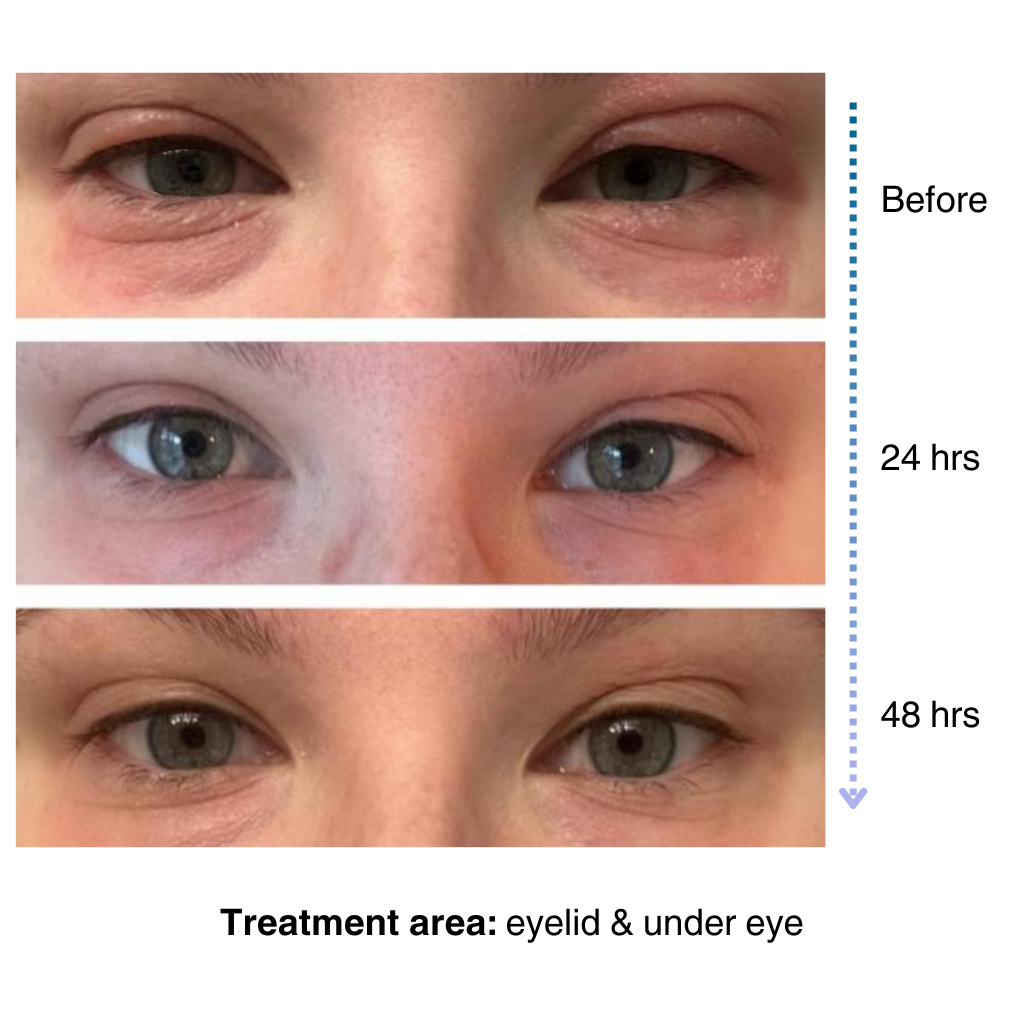
It’s easy to apply and isn’t chalky at all. I’ve been applying it multiple times a day… I’ve tried multiple new products to try and treat my eye eczema, and this is definitely the best I’ve tried so far.

"Game-changer for my son's eczema"

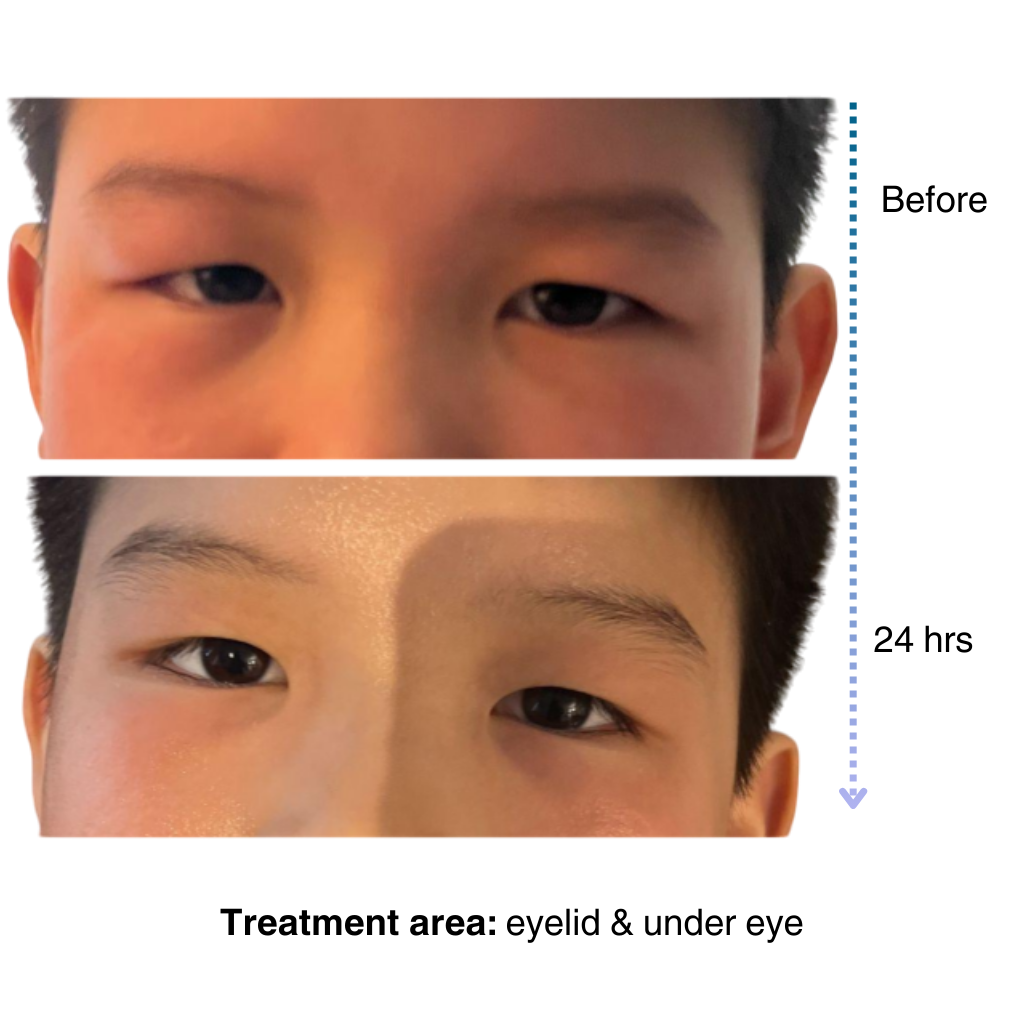
My 7-year old son has been dealing with eczema on his face for a long time, and it’s been so tough to find something that really works…..I’m amazed by the results! Within one day, the redness and rough patches on his face significantly improved…. he doesn’t mind using it at all because it doesn’t sting or feel greasy. – Lily
Sign up for eczema management tips, special offers, and real stories from people who’ve been where you are. Plus, get 5% off your first order.

Like many of you, our eczema journey is personal. That’s why we’re committed to creating a space for the eczema community to share experiences, be empowered through evidence-based solutions, and learn practical tips for daily life.  

– Sajjad, Founder & CEO of NellaDerm

Eczema treatment
Shopping Cart