
Eczema concerns?
FREE
Get instant expert guidance with our smart AI platform.
Join NowUrban smog and wildfire smoke are no longer rare events. On bad air days many people with atopic dermatitis feel an immediate spike in itch, redness, and tightness. That is because air pollution and eczema collide in several ways: particles cling to skin, ozone disrupts the barrier, and heat plus stress compound the problem. The good news is you can cut exposure, strengthen your barrier, and recover faster with a few predictable moves. This guide gives you exactly what to do indoors, outdoors, and at bedtime, so you can keep living your life even when the air is not cooperating.

Understanding the “why” helps you choose the right “what now.”
A 2023 review published in NIH reveals that air pollutants contribute to eczema symptoms by activating the aryl hydrocarbon receptor pathway, promoting oxidative stress, initiating a proinflammatory response, and disrupting the skin barrier function.
Takeaway: when air pollution and eczema collide, you want to limit contact, remove residue quickly, and keep your skin barrier sealed and cool.
Pick one room where you can rest, work, and sleep comfortably.
Wildfire Smoke: Special Moves
Wildfire smoke has extra ultrafine particles and irritant compounds.
When you come in from a commute, school run, or errand during poor air:
This 3–5 minute reset is one of the most effective habits for air pollution and eczema comfort.
Pollutants plus heat can turn nights into scratch marathons. Protect sleep like a treatment.
Movement helps stress and sleep, both of which influence eczema. On poor AQI days:
Polluted air settles on fabrics. Small laundry tweaks make a big difference.
Morning
Midday
Evening
“My face stings after being outside.”
Do the reset immediately. Use lukewarm water only, then a bland moisturizer. Patch-test sunscreens and avoid fragranced mists.
“My eyelids and neck are always worse.”
They are thin and often exposed. Wear sunglasses and a hat, tie hair off the neck, and moisturize those areas first.
“I feel itchy even indoors.”
Check humidity and filtration. Dust with a damp cloth, vacuum with HEPA, and avoid burning candles or incense that add indoor particulates.
“Masks make my cheeks worse.”
Use a pea-sized amount of moisturizer under contact points, choose soft edges, and change masks when damp. Reset when you get home.
“I sleep badly on smoky nights.”
Cool the room to 18–20 °C, purify for an hour before bed, swap to a fresh pillowcase, and use the sleep guide’s wind-down steps.
When air pollution and eczema collide, think in threes: limit exposure, remove residue, re-seal the barrier. Keep a clean-air room at home, prep skin with a simple moisturizer before heading out, and use a fast rinse-and-seal the moment you return. Protect sleep with cooler, filtered air and smooth, clean bedding. With these habits in place, smoggy commutes and smoky weeks become manageable blips instead of full-blown flares.
Does an air purifier really help?
Yes, when it uses a true HEPA filter and is correctly sized for the room. Run it continuously on low or moderate during poor AQI days.
Should I shower every time I come home?
Not always. A quick face–neck–hands rinse and moisturize is often enough between full showers, which keeps skin from overdrying.
What sunscreen is best on smog days?
Many people with eczema prefer mineral filters like zinc oxide or titanium dioxide. Patch-test on a calm day and reapply by patting to avoid friction.
Do supplements fix pollution-triggered flares?
No single supplement replaces exposure reduction and barrier care. Focus on the reset routine, sleep, hydration, and steady moisturizing.
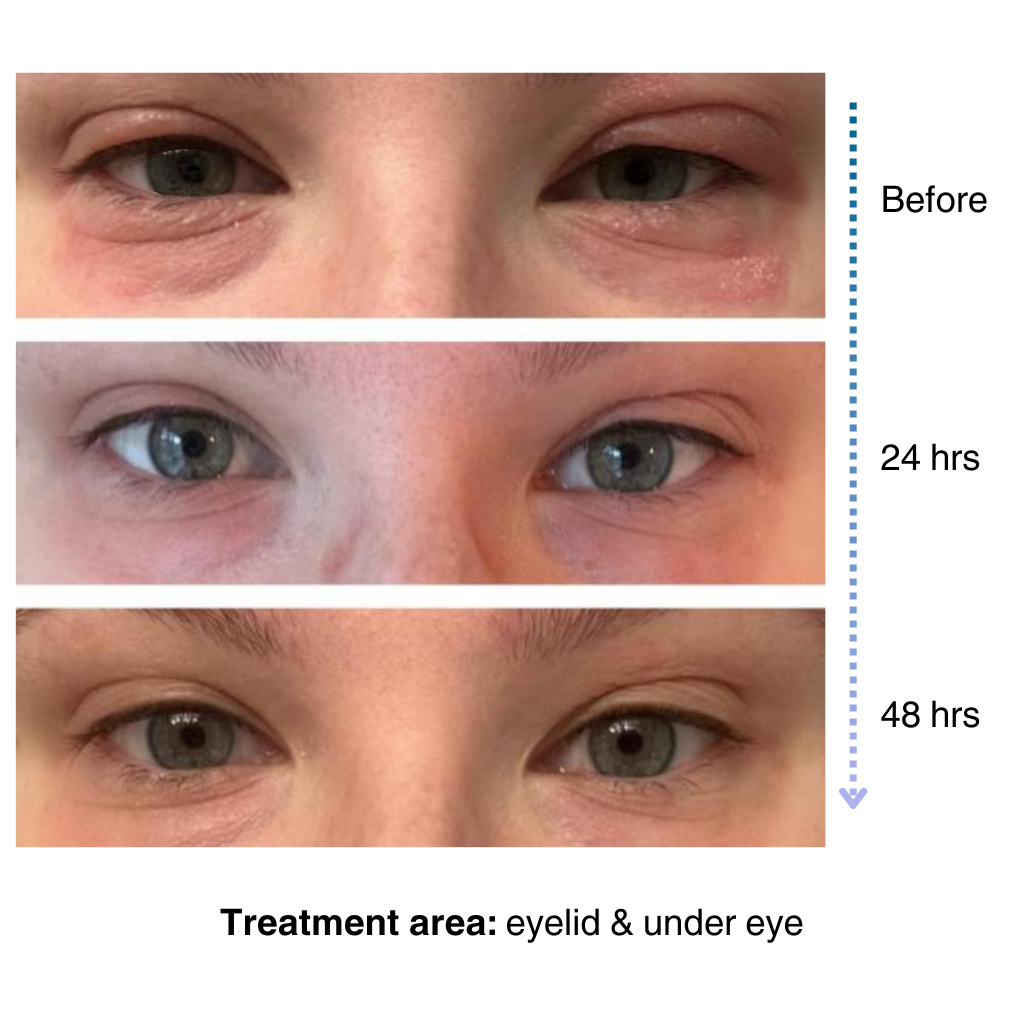
It’s easy to apply and isn’t chalky at all. I’ve been applying it multiple times a day… I’ve tried multiple new products to try and treat my eye eczema, and this is definitely the best I’ve tried so far.
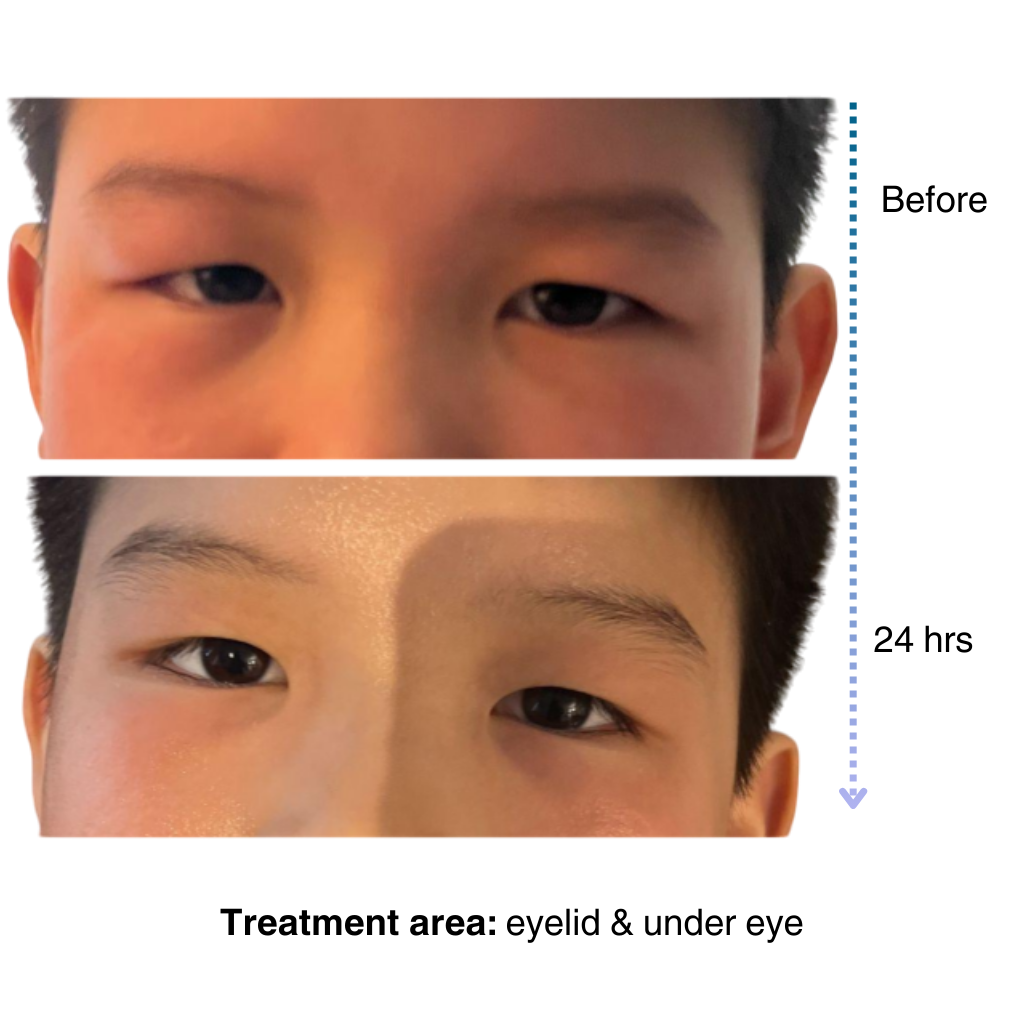
My 7-year old son has been dealing with eczema on his face for a long time, and it’s been so tough to find something that really works…..I’m amazed by the results! Within one day, the redness and rough patches on his face significantly improved…. he doesn’t mind using it at all because it doesn’t sting or feel greasy. – Lily

Like many of you, our eczema journey is personal. That’s why we’re committed to creating a space for the eczema community to share experiences, be empowered through evidence-based solutions, and learn practical tips for daily life.
– Sajjad, Founder & CEO of NellaDerm
