Eczema on Babies: Bathing, Moisturizing & Clothing Tips

The first months with a new baby bring snuggles, naps, and sometimes, itchy rashes that keep everyone up at night. Managing eczema on babies is mostly about protecting a delicate skin barrier: giving it clean water, sealing that water in, and reducing friction and residue from clothing and laundry. This guide walks you through safe bathing, moisturizer choices, how to dress and launder fabrics, and what to do during flares so your little one (and you) can rest.
eczema on babies

The Essentials In One Minute

  • Short, lukewarm baths (5–10 minutes) are soothing; avoid hot water.
  • Moisturize within three minutes after every bath or rinse to lock in water.
  • Choose fragrance-free, dye-free products from head to toe (cleanser, moisturizer, detergent).
  • Dress in soft, breathable layers (cotton, bamboo-derived fabrics) with smooth seams; remove scratchy tags.
  • Keep the nursery cool and slightly humid (around 40–50% relative humidity).
  • During flares, simplify: gentle cleanse, moisturize generously,  soft cotton on top.
  • Call your pediatric clinician for oozing, spreading redness, fever, poor sleep from itch, or if over-the-counter care is not helping.

Check out or blog about the Three Minute Rule: Timing Moisturizer For Maximum Relief


Bathing Basics For Eczema On Babies

How Often To Bathe

Daily or every-other-day baths are both fine; consistency matters more than the exact number. The goal is to add clean water to the skin, not to “strip” it.


Water Temperature And Time

  • Lukewarm, not hot (think: comfortably warm to your wrist).
  • 5–10 minutes is enough to hydrate without pruning.

Cleanser Tips

  • Use a fragrance-free, dye-free gentle cleanser only on the areas that truly need it (diaper area, neck folds, hands, feet).
  • Skip strong bubble baths and heavily perfumed washes; these can sting and leave residues that irritate eczema on babies.

What About Bath Oils

A 2018 randomized trial from BMJ suggests adding emollient oils directly to bath water does not improve outcomes compared with standard care in children with eczema; focus on moisturizing after the bath instead.


Step-By-Step Bath Routine

  1. Fill the tub with lukewarm water.
  2. Place baby in and gently pour water over skin for 5–10 minutes.
  3. Use a small amount of gentle cleanser where needed; rinse well.
  4. Lift baby out, pat (do not rub) until skin is still slightly damp.
  5. Move straight to moisturizing.

Moisturizing: Seal In Water So It Stays Put

The Three-Minute Window

Moisturize within three minutes of patting dry. This traps clean water in the top layer of skin, reduces stinging, and builds resilience.


How Much To Use

More than you think. A light sheen is the goal. On flare spots (cheeks, inner elbows, behind knees), apply a little extra and consider a second pass 10–15 minutes later.


Which Texture Works Best

  • Ointments (thicker, petrolatum-based) are excellent overnight or in dry climates; they create a stronger seal.
  • Creams (water-in-oil) feel less greasy for daytime and layer well under clothing.
  • Lotions are often too light for active eczema on babies.

If a simple, fragrance-free barrier cream fits your pediatric plan, one option to consider is NellaDerm’s NellaCalm Steroid-Free Eczema Cream. Use as your base layer after baths and quick rinses.


Daytime Top-Ups

Drool, milk drips, and weather changes dry skin. Keep a travel-size moisturizer at the changing station and in the diaper bag for quick reapplications to cheeks and folds.


Quick Rinses That Make A Big Difference

Between full baths, do sink-side rinses for cheeks, hands, and neck folds after meals or sweaty naps:

  1. Splash lukewarm water or use a damp, soft cloth.
  2. Pat until slightly damp.
  3. Moisturize right away.

These micro-routines prevent saliva, food acids, and sweat salts from lingering and triggering itch.


Clothing And Fabrics: Dress For Calm Skin

Fabrics And Fit

  • Choose soft cotton or bamboo-derived knits; avoid rough wool and stiff synthetics next to skin.
  • Roomy fits reduce friction at elbows, knees, and ankles.
  • Prefer onesies with flat seams or inside-out garments to avoid rubbing.

Tags, Seams, And Fasteners

  • Snip tags; feel inside seams with your fingers, because anything scratchy will scratch your baby.
  • Cover metal snaps with a thin fabric layer if they bother sensitive chins or bellies.

Sleepwear And Swaddles

  • Keep the room cool (about 20 °C / 68 °F) and dress baby in one more layer than you wear.
  • For face and neck flares, choose soft sleep sacks or footed pajamas that do not bunch at the chin.

Laundry That Loves Delicate Skin

  • Use fragrance-free, dye-free liquid detergent; skip fabric softeners and scent boosters.
  • Run an extra rinse to remove residue.
  • Wash pajamas and sheets more often (pillowcases every 2–3 nights once baby uses a pillow; crib sheets weekly or sooner with spit-ups).
  • Pre-wash all new clothes and swaddles before first wear.

For a full, step-by-step laundry plan tailored to eczema, read  Laundry Lessons: How Detergent Decisions Influence Eczema Irritation.


Handling Flares Without Panic

Calm-The-Flare Routine (5 Minutes)

  1. Rinse the area with lukewarm water or use a soft damp cloth.
  2. Pat so skin remains slightly damp.
  3. Moisturize generously.
  4. Protect with soft cotton clothing; avoid tight cuffs or collars.

If your pediatric clinician has prescribed a medicated ointment or cream, follow their exact sequence and duration; many families apply medication first, then moisturizer on top unless directed otherwise.


Red Flags

  • Oozing yellow crust, warmth, or swelling
  • Fever or reduced feeding
  • Widespread rash not improving with home care
  • Poor sleep from constant itch

Seek pediatric care promptly if any of these occur.


Weather, Travel, And Daycare Tips

  • Cold/dry weather: richer ointments at night; add a humidifier in the nursery (clean it weekly).
  • Hot/humid weather: frequent rinses and light cotton changes; blot sweat, do not rub.
  • Travel: pack travel-size cleanser and moisturizer; do a quick rinse-and-seal after flights or car naps.
  • Daycare: provide labeled moisturizer and a one-page care plan (rinse sticky areas, pat, moisturize; avoid fragranced wipes and lotions).

Feeding, Spit-Up, And Skin

Milk and drool sitting on skin can sting and worsen eczema on babies, especially on the cheeks and chin. After feeds:

  • Wipe gently with lukewarm water (not just a fragranced wipe).
  • Pat dry and add a thin moisturizer layer to form a protective film.

If you’re trialing new foods later on, introduce one at a time with a simple log so you can spot patterns; always discuss suspected food reactions with your pediatric clinician rather than making broad eliminations.


Nursery Setup For Better Sleep

  • Cool room, smooth sheets. Breathable cotton sheets and a light sleep sack reduce overheating and friction.
  • White noise and dim lights help babies settle, which lowers the itch–stress spiral for the whole household.

Moisturize before lights out. A calm, repetitive routine signals sleep and keeps the barrier sealed overnight.


Final Thoughts

Caring for eczema on babies comes down to predictable, gentle routines: short lukewarm baths, moisturize within three minutes, soft breathable clothing, clean fragrance-free laundry, and quick rinses after drool or sweat. Keep the nursery cool and the routine simple. If a pediatric clinician has provided medications, layer them exactly as directed on top of this foundation. With steady habits, most babies’ skin becomes calmer, softer, and far less itchy, so everyone sleeps better.

Explore the Eczema Knowledge Hub

Your go-to resource for flare-up relief, skincare tips, and science-backed advice.

Frequently Asked Questions

How soon after the bath should I moisturize?
Within three minutes. That window is the simplest, most effective habit for eczema on babies.


Should I bathe every day?
Daily short baths are fine if you moisturize right after. If bathing every day is stressful, every other day works—just add sink-side rinses for sticky areas.


Do I need “special” baby detergents?
You need fragrance-free, dye-free detergent with a thorough rinse. Adult “free & clear” formulas that meet those criteria are fine for the whole family.


Are natural essential oils better?
Essential oils are still fragrances and can irritate delicate skin. Keep leave-on products fragrance-free.


When should we see a specialist?
If your baby’s eczema interferes with sleep or feeding, shows signs of infection, or is not improving with consistent home care, your pediatric clinician may refer you to a pediatric dermatologist or allergist for a tailored plan.

"...this is the best I've tried so far."

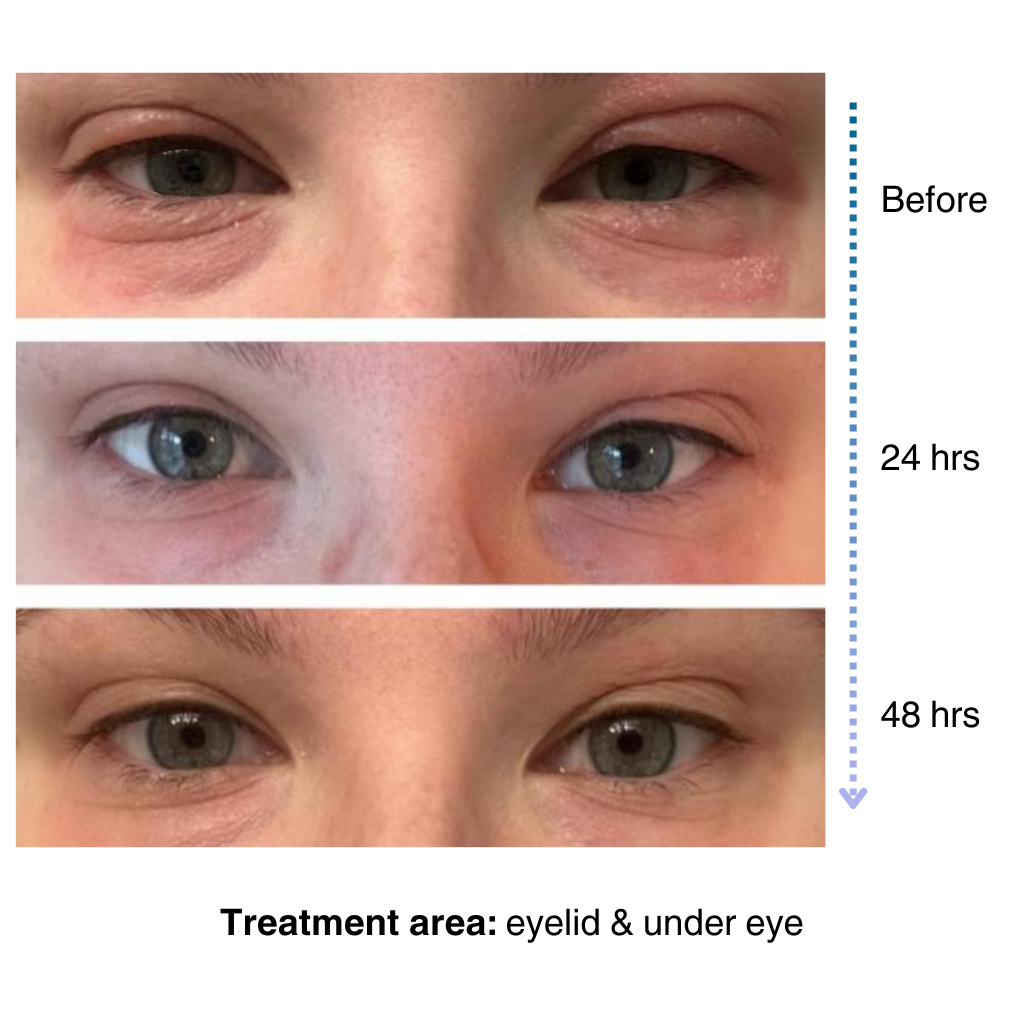
It’s easy to apply and isn’t chalky at all. I’ve been applying it multiple times a day… I’ve tried multiple new products to try and treat my eye eczema, and this is definitely the best I’ve tried so far.

"Game-changer for my son's eczema"

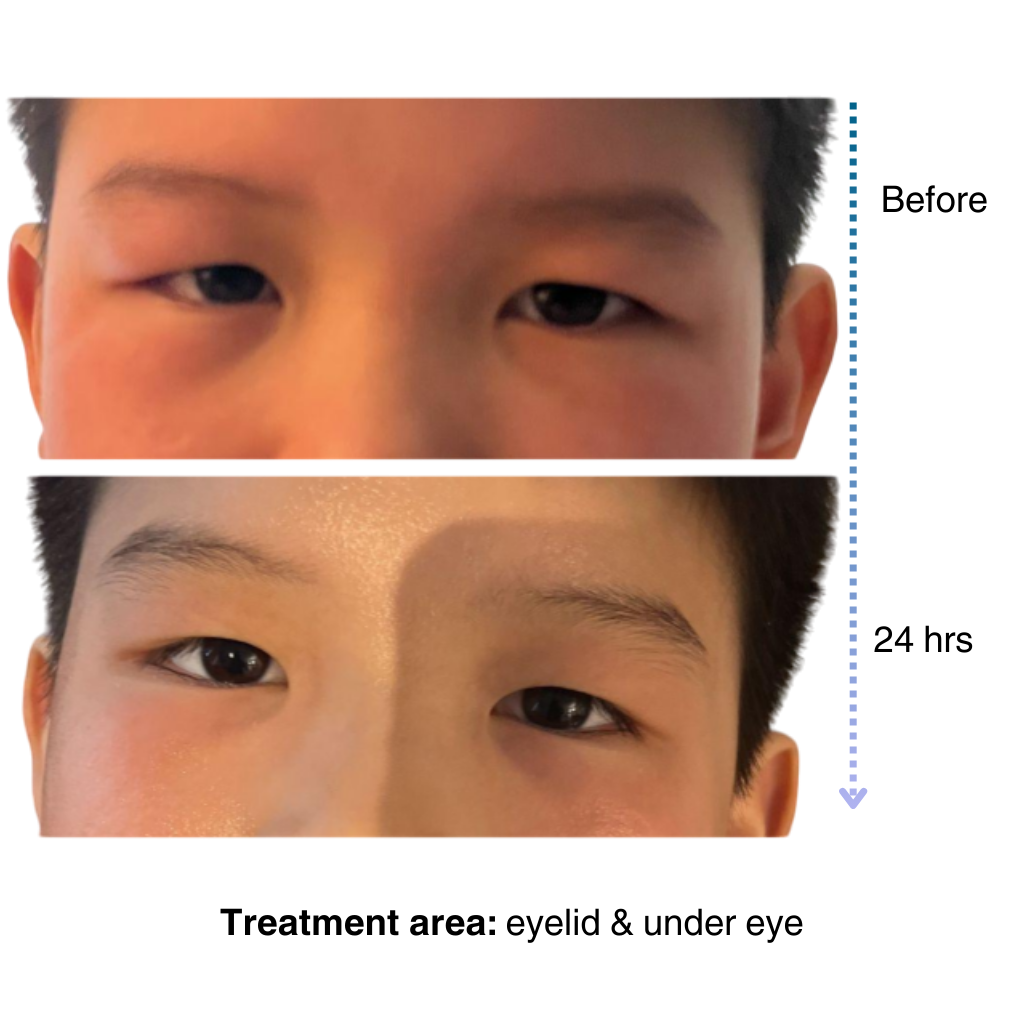
My 7-year old son has been dealing with eczema on his face for a long time, and it’s been so tough to find something that really works…..I’m amazed by the results! Within one day, the redness and rough patches on his face significantly improved…. he doesn’t mind using it at all because it doesn’t sting or feel greasy. – Lily
Sign up for eczema management tips, special offers, and real stories from people who’ve been where you are. Plus, get 5% off your first order.

Like many of you, our eczema journey is personal. That’s why we’re committed to creating a space for the eczema community to share experiences, be empowered through evidence-based solutions, and learn practical tips for daily life.  

– Sajjad, Founder & CEO of NellaDerm

Eczema treatment
Shopping Cart